
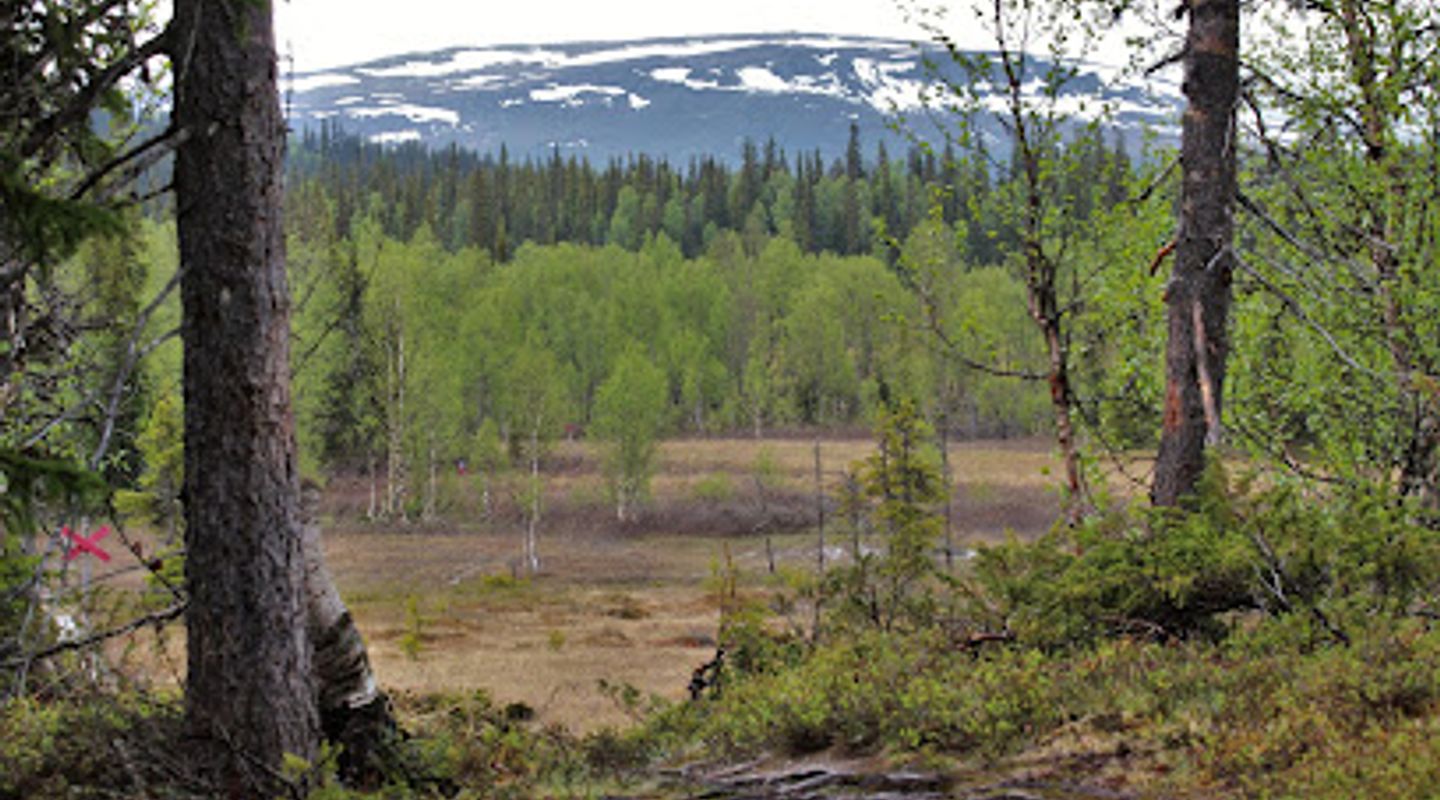
Korallgrottans naturreservat, Vasterbotten Travel Guide
Sweden’s most remarkable karst reserve — marble caverns, limestone outcrops and a long subterranean maze protected for careful exploration.
Korallgrottans naturreservat protects Sweden’s most distinctive karst landscape and the marble cave system known as Korallgrottan — the country's longest cave — carved over millennia by water and ice. The 26 km² reserve blends jagged limestone outcrops, lush calcareous slopes and boreal forest; access to the cave itself is by guided tour only, while the surrounding reserve offers rugged trails, birdlife and dramatic outcrops for exploration.
A brief summary to Korallgrottans naturreservat
- Stora Blåsjön, 833 99, SE
- Duration: 1 to 4 hours
- Mid ranged
-
 Outdoor
- Mobile reception: 2 out of 5

Know before you go
Hi, I'm Eve. Here are a few practical things to know before exploring Korallgrottans naturreservat.
- Book a guided cave tour in advance; guided visits are the only permitted way to enter most cave passages and often run seasonally with limited spaces.
- Wear layered, quick-dry clothing and sturdy boots; cave sections can be cold, wet and tight, and surface trails may be uneven and rocky.
- Respect reserve rules: keep dogs on a lead, avoid picking plants or disturbing rock features, and carry out all litter to protect the delicate karst habitat.
Do you manage this location?
Take control to get all the benefits, like improved information, better appearance, and stronger visibility across AI-powered discovery. Learn more about listing your business on Evendo
Activate your presenceOther nearby places you may find interesting
The closest places of the same kind, if this one is not quite what you had in mind.
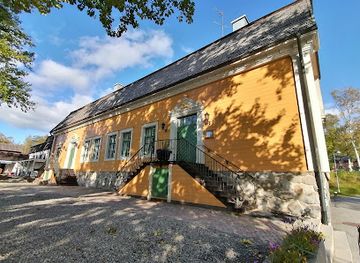
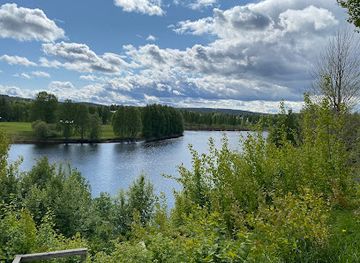
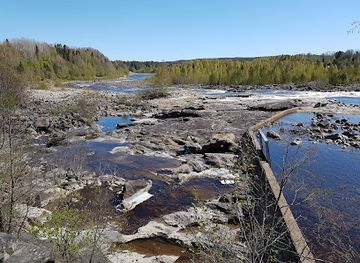
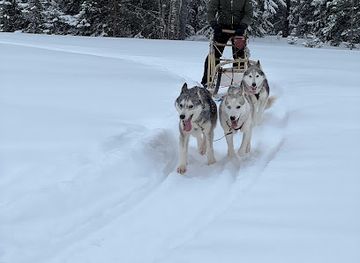
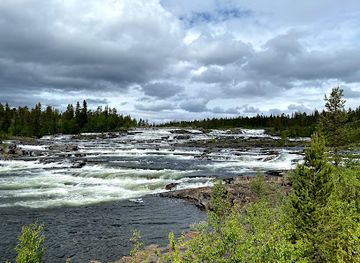
Explore Korallgrottans naturreservat on the Map
A handpicked selection of must-see spots near Korallgrottans naturreservat, mapped for you.
Getting There
-
By car
Drive from the nearest regional centre; typical travel time from a nearby town in Jämtland is around 60–120 minutes depending on start point and season. Parking is available at designated lots near trailheads but spaces are limited and some access roads are narrow and unsurfaced; winter conditions can require snow-ready vehicles and restrictions may apply.
-
Public transport + local transfer
Use regional bus services to the larger villages in the area (travel time 1.5–3 hours from regional hubs) then arrange a local taxi, shuttle or booked transfer for the final leg (20–60 minutes). Public services are infrequent outside the high season; confirm schedules in advance and expect limited frequency.
-
Guided tour operator pick-up
Book a guided Korallgrottan tour with a local operator; many guided trips include an arranged meeting point or pickup from nearby villages with total transfer times typically 30–90 minutes depending on pickup location. Guided bookings often carry set prices per person and must be reserved ahead of arrival.
For the on-the-go comforts that matter to you
-
 Seating Areas
-
 Information Boards
-
 Trash Bins
Discover more about Korallgrottans naturreservat
How the hollow formed and what makes it special
Korallgrottans landscape is a classic karst terrain where water has dissolved marble and limestone to create fissures, sinkholes and an intricate underground network. Over thousands of years spring water and meltwater have eaten into the bedrock to form caverns and long passages; ongoing speleological work since the cave’s discovery in 1985 has shown passages extending for kilometres, making Korallgrottan the longest known cave system in Sweden.Surface scenery and shifting vegetation
Above ground the reserve is a patchwork of calcareous slopes, stony outcrops and mixed forest. Where the marble-rich substrate reaches the surface, soils are more alkaline and support a richer, sometimes lush flora uncommon in the surrounding taiga — orchids, moss carpets and calciphile herbs appear in sheltered pockets. In wind-exposed ridges and higher terrain the vegetation shifts to low birch and sparse alpine heath that hints at the transition toward mountain plateaus.The cave experience and protected rules
The cave itself is managed to protect fragile geology and subterranean life; the primary way to enter is as part of an organised, guided group led by experienced cave guides. Many passages are tight and dark: exploration involves crawling, low tunnels and wet sections in places, so trips are physically involved and require appropriate clothing and a guide’s safety briefing. Important regulations restrict unauthorised entry to the cave passages to prevent damage to formations and disturbance to wildlife.Wildlife, seasons and sensory character
The reserve’s combination of wetlands, forest and exposed rock attracts varied birdlife and a handful of specialized plants linked to calcareous habitats. In spring and early summer the edges of outcrops can be unexpectedly green and fragrant with herbaceous growth; late summer brings drier trails and clearer air. Weather can change quickly: mist clings to low sections and the sound of water — trickles, underground drains and distant falls — is a constant reminder of the processes that shaped the place.Walking, viewpoints and neighbouring features
Trails in and around the reserve range from short walks to longer routes that climb to viewpoints over the surrounding lakes and ridges. Rock platforms and small summits give panoramic glimpses across the sparsely populated northern Jämtland countryside. Close by are other karst features and river valleys that together form an extended landscape of hollows and springs — a network of natural features rather than a single isolated attraction.Practical conservancy and visiting ethos
Korallgrottans naturreservat is officially protected; management seeks to preserve its geological integrity and the mosaic of habitats above ground. Rules commonly include staying on designated tracks, keeping dogs on a lead, refraining from removing stones or plants and avoiding unauthorised entry to subterranean passages. Visitors are asked to treat the place as fragile: minimal impact, careful photography and respect for wildlife maintain the reserve’s character for future exploration.More to explore near Korallgrottans naturreservat













Your all‑in‑one travel companion app
Explore expert travel guides, compare and book tours, experiences, hotels, and more—all from the palm of your hand. Download now for seamless trip planning wherever your wanderlust takes you.


Explore More of Vasterbotten
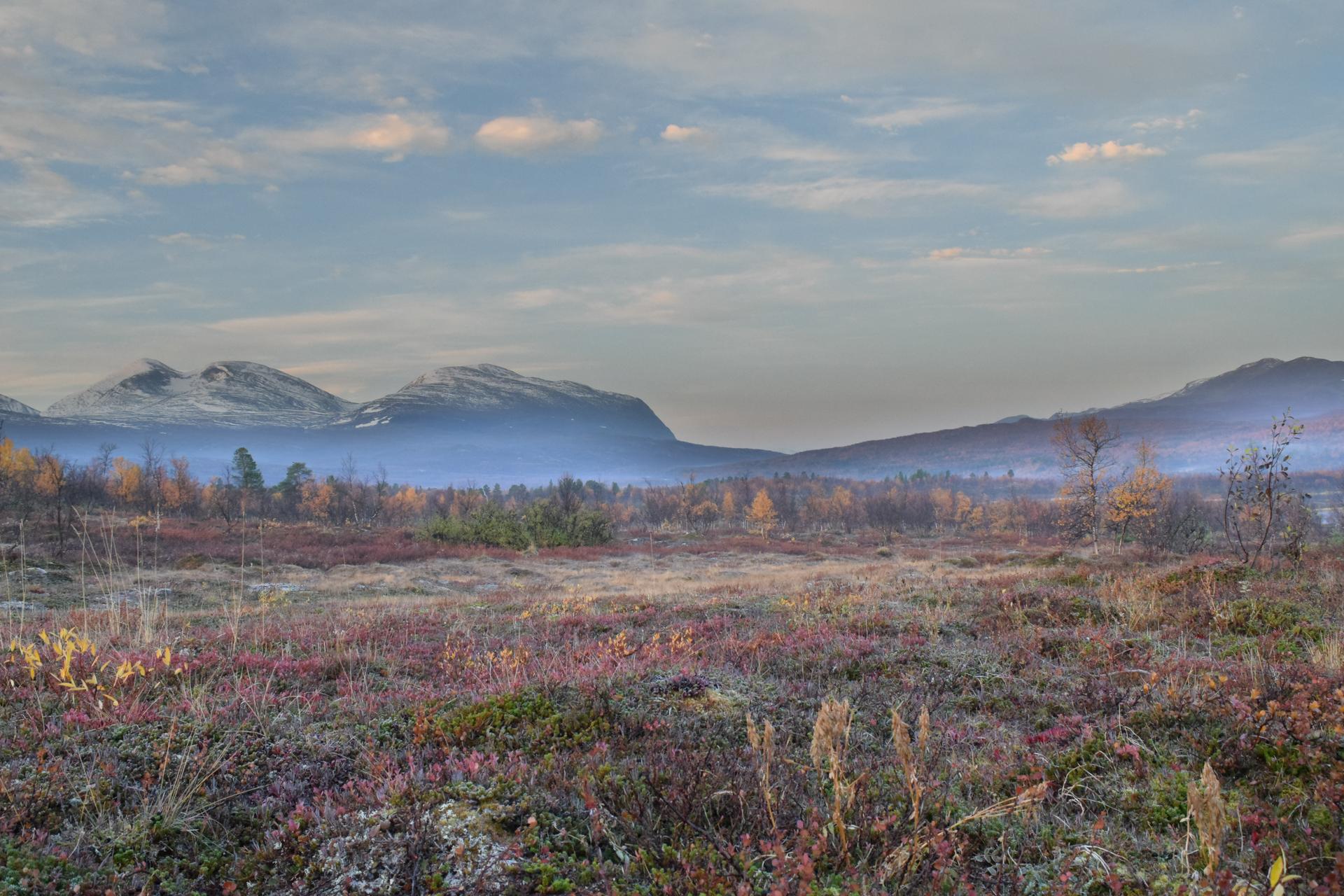
Looking beyond Korallgrottans naturreservat? Discover Vasterbotten for broader travel guides, local hot-spots, and regional highlights.
Explore Vasterbotten
Discover the thundering beauty of Fiskonfallet, where ancient potholes and cascading waters create a serene oasis in Vilhelmina's wild northern heart—perfect for a quick, unforgettable nature escape.
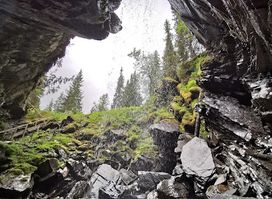
Crawl into Sweden's longest cave: 6km of marble wonders, coral stalactites, and karst secrets in a Jämtland nature reserve wilderness.
