

Luspen, Vasterbotten Travel Guide
A tranquil shoreline reserve on Lake Storuman where islands, reeds and boreal forest shape intimate views of northern Lapland.
Luspen is a tranquil nature preserve at the edge of Storuman, northern Swedish Lapland, centred on small islands and shoreline of Lake Storuman. Framed by conifer forest and distant fell silhouettes, Luspen offers short trails, birdwatching, reflective lakeside views and a strong sense of northern wilderness close to town. It’s a place for slow walks, quiet photography and seasonal moods from midnight sun to snow-dusted stillness.
A brief summary to Luspen
- Storuman, SE
- Duration: 0.5 to 3 hours
- Free
-
 Outdoor
- Mobile reception: 3 out of 5

Know before you go
Hi, I'm Eve. Here are a few practical things to know before exploring Luspen.
- Dress in layers; weather on the lake shore changes quickly and evenings remain cool even in summer.
- Bring binoculars for birdwatching and a mid-telephoto lens for photographing islands and distant ridgelines.
- Respect wildlife and shoreline vegetation—stick to established paths and avoid trampling reed beds.
- In winter expect snow and ice; crampons or winter boots are useful if you plan to explore frozen shorelines.
Do you manage this location?
Take control to get all the benefits, like improved information, better appearance, and stronger visibility across AI-powered discovery. Learn more about listing your business on Evendo
Activate your presenceOther nearby places you may find interesting
The closest places of the same kind, if this one is not quite what you had in mind.
Explore Luspen on the Map
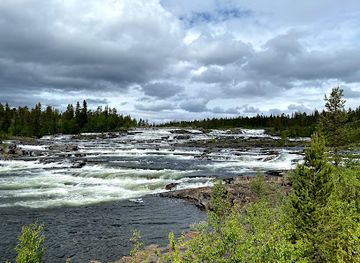
A handpicked selection of must-see spots near Luspen, mapped for you.
Getting There
-
By local bus
Regional bus from central Storuman to the nearest stop takes approximately 10–20 minutes depending on scheduled service; services are infrequent outside peak seasonal periods and timetables vary by day—check local schedules in advance. Typical single fares for local regional buses are modest; expect approximately SEK 30–80 per person depending on route and concession.
-
By car
Driving from Storuman town centre typically takes 5–15 minutes depending on the exact start point and road conditions; seasonal weather can affect travel time and roads may be snowy or icy in winter. Limited informal parking near common access points is available but spaces are small; be prepared to leave vehicles on firm roadside areas and walk a short distance to the preserve.
-
On foot
A walk from central Storuman is possible and typically takes 20–45 minutes depending on route and pace; terrain includes town streets and a final stretch of uneven shoreline paths that can be muddy or rooty after rain and sloping in places, so sturdy footwear is recommended and the route is not fully step-free.
For the on-the-go comforts that matter to you
-
 Seating Areas
-
 Information Boards
-
 Trash Bins
Discover more about Luspen
Origins at the water’s edge
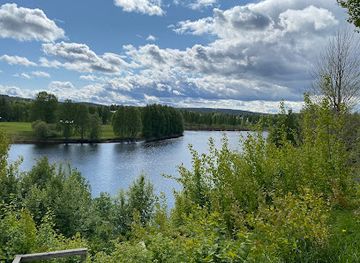
Luspen takes its name from the area’s older settlement and South Sámi toponyms; the landscape here has long been shaped by the rhythm of Lake Storuman and the Ume River system. The preserve includes a string of small islands and a fringe of shoreline where mixed conifer forest meets open water, creating a transitional habitat that supports a range of wetland plants and birdlife. In summer the lake mirrors the sky; in winter the surface can be a sheet of bone-white stillness broken only by the track of a passing fox.Character of the place
The reserve’s feel is intimate rather than vast: short walking loops, scattered rocky outcrops and quiet bays form a sequence of viewpoints rather than a single panorama. Trees press close to the paths in places, opening out to reed beds where dragonflies wheel in warm months. The scent of pines and damp earth is often present, and weather changes—sudden sun, low cloud, wind off the water—alter the mood dramatically within minutes.Flora, fauna and seasonal shifts
Luspen’s shoreline and islands host a mix of boreal species: spruce and pine cores, billowing beds of sedge and willow in wetter spots, and flowering herbs in summer. Migratory waterfowl and passerines use the sheltered bays; early morning and dusk are the most active bird moments. Seasonal contrasts are pronounced—long, pale summer evenings and the deep hush of winter when snow softens sound and the lake freezes to create a winter-scape of glassy ice and muted colours.What to look for as you walk
Trails and stony points give framed views back toward Storuman and across the lake’s inlets. Watch for reed fringes where secretive birds feed, and for the carved textures of shoreline rock that reveal the landscape’s glacial history. On calm days the water’s surface becomes a natural mirror, doubling the sky and distant ridgelines; at other times wind creates a restless, tactile surface, energising the scene with ripples and whitecaps.The human layer
Although wild in character, Luspen sits very near Storuman and carries a quiet cultural resonance: place names of Sámi origin, small historical settlement sites nearby, and the rhythms of a town shaped by rail and river. Human traces here are modest—old clearings, occasional fishing spots and scattered paths—so the preserve still reads primarily as a natural space shaped by seasonal use rather than intensive development.Visitor experience and quiet pleasures
A visit to Luspen is about pace and attention: short hikes, patient observation and photography. Bring layered clothing for rapidly changing weather, and allow time to simply stand by the water; light and reflections are among the preserve’s subtle draws. In winter the silence is a feature in itself; in summer the long daylight invites late strolls and an easy, lingering pace that feels typical of northern Lapland.












Your all‑in‑one travel companion app
Explore expert travel guides, compare and book tours, experiences, hotels, and more—all from the palm of your hand. Download now for seamless trip planning wherever your wanderlust takes you.


Explore More of Vasterbotten
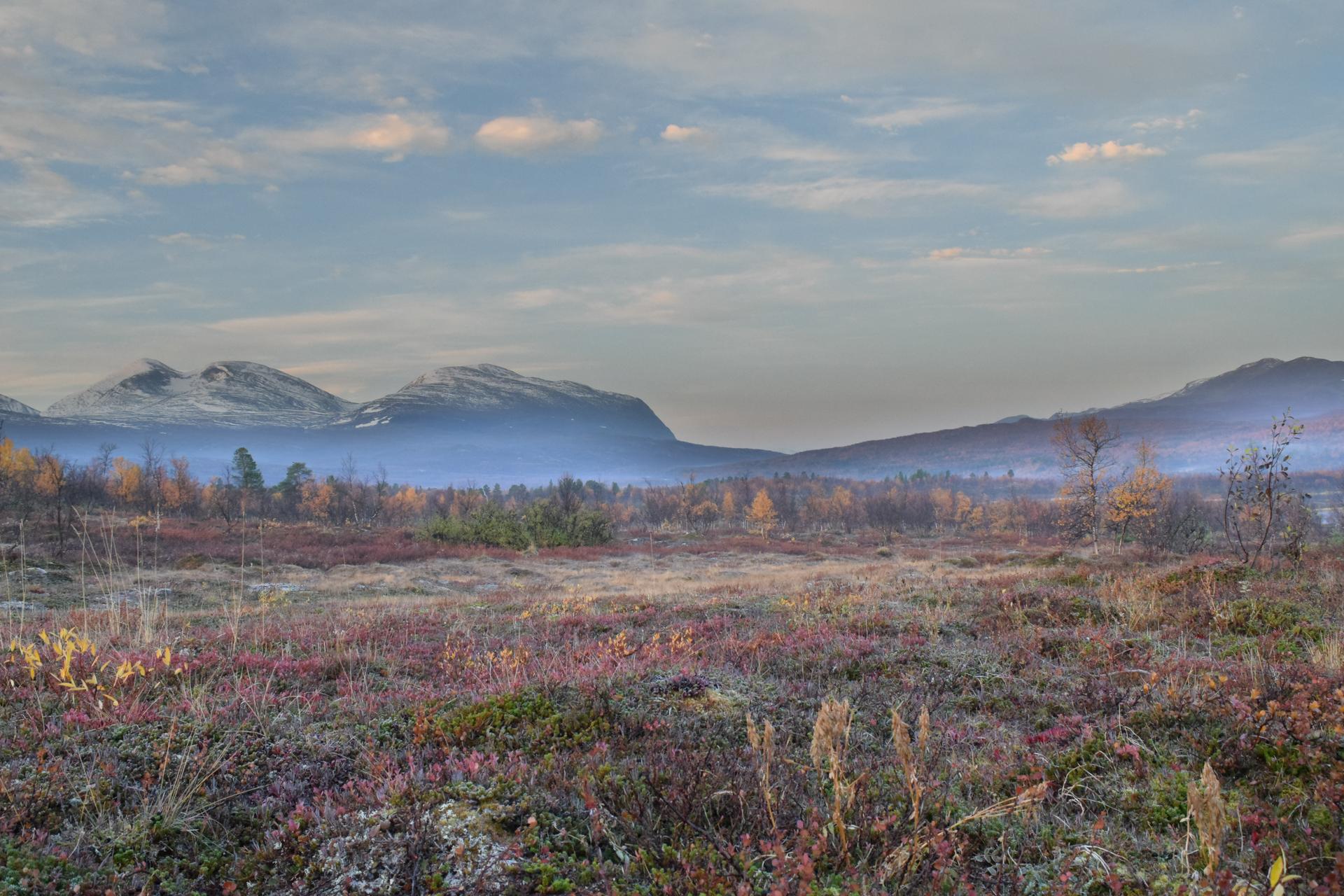
Looking beyond Luspen? Discover Vasterbotten for broader travel guides, local hot-spots, and regional highlights.
Explore Vasterbotten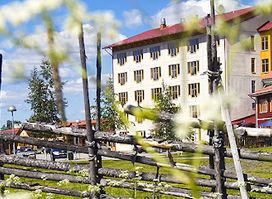
A functional fjäll hotel and conference hub framed by Marsfjäll and Satsfjället — practical rooms, an on-site restaurant and year-round outdoor activity programmes.
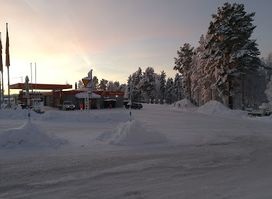
No‑nonsense roadside service: fuel, coffee, quick food and basic car care on Blå vägen in Storuman.
