Torvsjö Kvarnar, Vasterbotten Travel Guide
Historic timber watermills and lakeside calm in northern Västerbotten—an intimate, tactile slice of rural milling heritage.
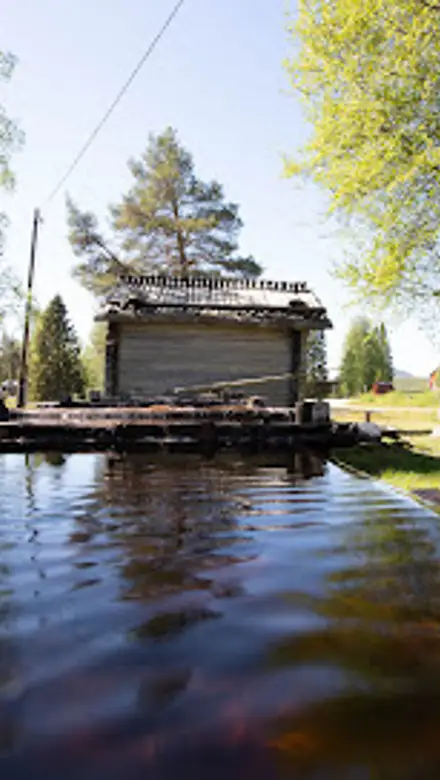
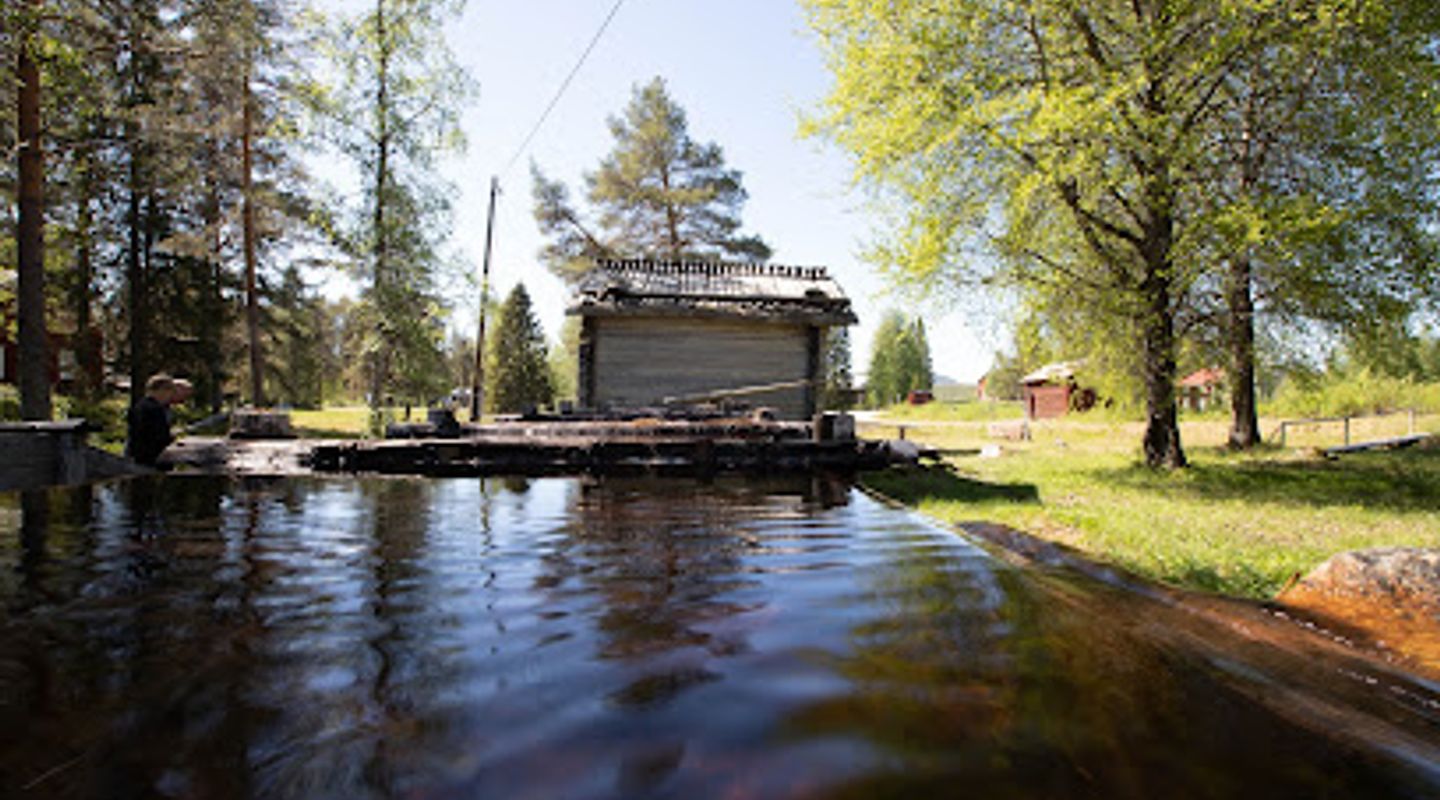
Set amid the boreal forest and lake-studded landscape of Åsele municipality, Torvsjö Kvarnar is a cluster of historic watermills and a small open-air museum that preserves timber milling technology and rural life from northern Sweden. Visitors encounter restored mill buildings, interpretive displays and peaceful lakeside paths framed by spruce and pine; the site offers a quiet, atmospheric taste of Västerbotten’s working past.
A brief summary to Torvsjö Kvarnar
- 8, Åsele, 910 60, SE
- Click to display
- Click to display
- Duration: 0.5 to 2 hours
- Free
-
 Outdoor
- Mobile reception: 3 out of 5

Know before you go
Hi, I'm Eve. Here are a few practical things to know before exploring Torvsjö Kvarnar.
- Bring sturdy shoes for uneven paths and damp ground near the sluices; a short walk between buildings can be muddy after rain.
- Visit in low-angle light (early morning or late afternoon) for the best photography of weathered wood, ironwork and water reflections.
- Allow at least 45–75 minutes to explore buildings, read interpretation panels and enjoy the lakeside atmosphere.
- Respect fragile timber and machinery—look but do not climb on mill structures, and follow any site signage.
Do you manage this location?
Take control to get all the benefits, like improved information, better appearance, and stronger visibility across AI-powered discovery. Learn more about listing your business on Evendo
Activate your presenceOther nearby places you may find interesting
The closest places of the same kind, if this one is not quite what you had in mind.
Explore Torvsjö Kvarnar on the Map
A handpicked selection of must-see spots near Torvsjö Kvarnar, mapped for you.
Getting There
-
Car
Drive from the Åsele town centre by regional roads in roughly 25–40 minutes depending on conditions; local lanes are narrow and may be icy in winter, and parking at the site is informal so expect grassy or gravel areas. Fuel stops are available in Åsele; there is no paid parking at the mill.
-
Regional bus + walk
Take a scheduled regional bus from Åsele toward rural stops (service frequency varies seasonally) and disembark at the nearest village stop—journey time typically 30–50 minutes including waiting; the final approach involves a 1–2 km mostly flat walk on forest tracks, which can be soft or muddy after rain and is not suitable for rapid transit.
-
Bicycle
Cycle from Åsele on quiet country roads and forest tracks in approximately 60–90 minutes depending on pace; surfaces include tarmac and compacted gravel—bike with wider tyres is recommended and be prepared for modest climbs and uneven ground.
For the on-the-go comforts that matter to you
-
 Seating Areas
-
 Information Boards
-
 Trash Bins
Discover more about Torvsjö Kvarnar
A living fragment of northern milling
Torvsjö Kvarnar is a compact group of traditional timber watermills and associated outbuildings sited where streams feed into a chain of small lakes; the mills embody centuries of local craft, where grain, timber and local resources were processed for community use. Surviving wheelhouses, sluices and log-built sheds give a tangible sense of how seasonal water flow and simple mechanics powered rural economies in this part of Sweden.Weathered timber, tools and details
The buildings are primarily wooden, their boards and beams patinated by decades of wind, snow and sun. Inside and around the structures you’ll find millstones, gears, wooden chutes and hand tools arranged to illustrate working processes; signage and small exhibits explain how water was diverted, how grain was milled and how the site related to neighbouring farms. The tactile quality of the wood, the iron fittings and the slow creak of joints are part of the site’s character.Landscape and quiet shoreline
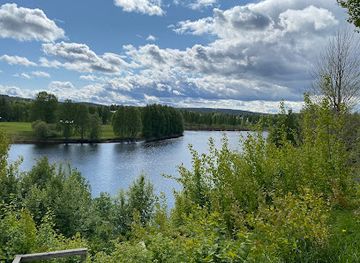
Torvsjö Kvarnar sits beside calm water and mixed forest, making the approach feel like a step away from modern life. Trails and grassy clearings around the site thread through birch and spruce and open to lakeside views; in summer dragonflies and birds are common, while autumn brings a burnished palette of ochre and russet. The soundscape is minimal: water over sluices, distant bird calls and the soft patter of wind in the pines.Interpretation and seasonal rhythm
Interpretive panels and curated displays focus on everyday work rather than grand narratives: how local families timed harvests around water levels, how seasonal ice and thaw influenced milling, and how the mills fit a network of small rural industries. The site is experienced as a sequence of small discoveries—an engine room here, an old ledger there—so taking time to read details and inspect fittings rewards curiosity.Character for slow visits and photography
Torvsjö Kvarnar suits visitors who enjoy contemplative exploration: photographers seeking textured close-ups of wood and iron, nature lovers wanting a short lakeside walk, and anyone interested in vernacular technology. Lighting is often best in low sun—early morning or late afternoon—when slanted beams pick out grain in boards and reflections on the water add depth to compositions.Conservation and community memory
The site functions as both a small museum and a local memory bank: it preserves techniques and objects that would otherwise disappear, and its modest scale invites thoughtful engagement rather than rushed tours. The arrangement of buildings and displays preserves the practical logic of the place—where water was channeled, where grain was stored and where tools were kept—so visitors leave with a concrete sense of how rural industry once worked here.












Your all‑in‑one travel companion app
Explore expert travel guides, compare and book tours, experiences, hotels, and more—all from the palm of your hand. Download now for seamless trip planning wherever your wanderlust takes you.


Explore More of Vasterbotten
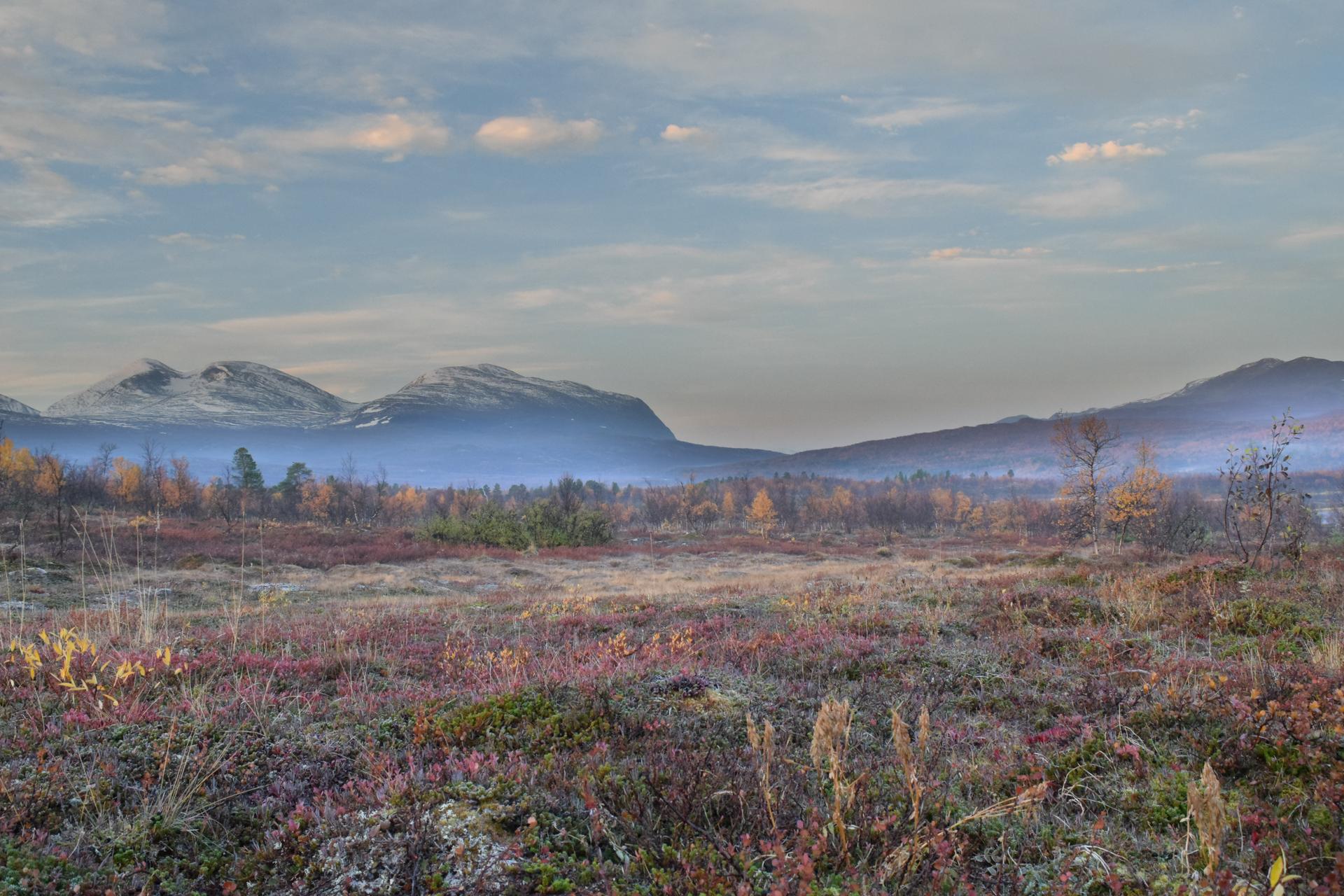
Looking beyond Torvsjö Kvarnar? Discover Vasterbotten for broader travel guides, local hot-spots, and regional highlights.
Explore Vasterbotten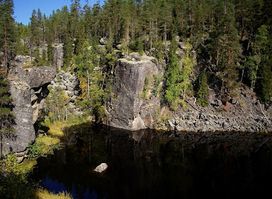
Discover untouched boreal wilderness in Åsele, where ancient forests, vibrant wildlife, and seasonal magic create a serene escape in northern Sweden's heart.
A compact, guide‑led hunting and fishing camp in Åsele — practical comforts, sauna and direct access to Lapland wilderness.