Krigsgravarna i Backen, Vasterbotten Travel Guide
Solemn war graves from the 1809 Finnish War, where over 1,200 Russian soldiers rest near historic Backens kyrka, evoking the raw drama of invasion in serene Västerbotten.
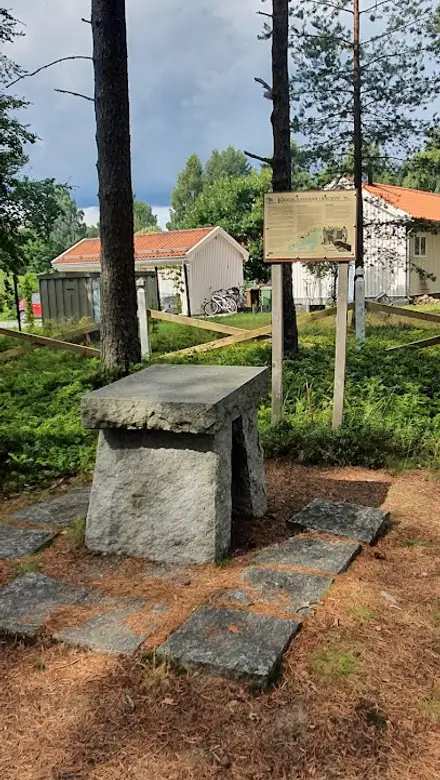
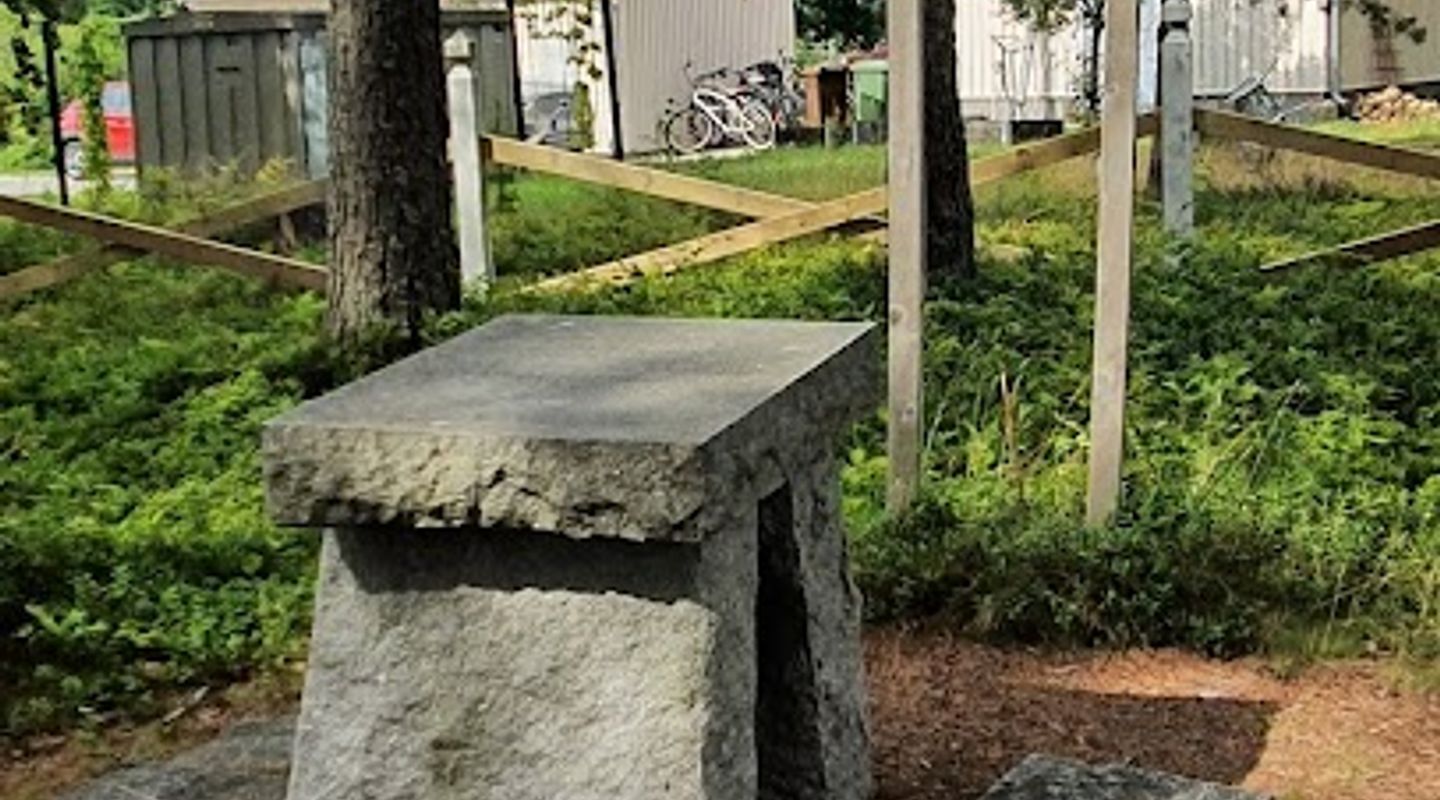
Krigsgravarna i Backen, located along Backenvägen in Umeå, Sweden, mark the somber resting place of over 1,200 Russian soldiers and prisoners who perished during the Finnish War of 1809. This historical site near Backens kyrka and prästgård commemorates the dramatic events of the Russian invasion of Västerbotten, where the prästgård served as a makeshift hospital amid fierce skirmishes and high mortality rates from wounds and disease. The graves stand as a poignant reminder of the human cost of conflict in this quiet riverside setting, offering a reflective glimpse into northern Sweden's turbulent past amid serene natural surroundings.
A brief summary to Krigsgravarna i Backen
- Backenvägen 172B, Umeå, 903 62, SE
- Click to display
- Duration: 0.5 to 1.5 hours
- Free
-
 Outdoor
- Mobile reception: 4 out of 5

Know before you go
Hi, I'm Eve. Here are a few practical things to know before exploring Krigsgravarna i Backen.
- Visit in late summer when wildflowers frame the graves, enhancing the poignant atmosphere without summer crowds.
- Combine with a walk to nearby Backens kyrka for context on the prästgård's role as a wartime hospital.
- Bring a light jacket; the open riverside exposes the site to Västerbotten's brisk winds year-round.
Do you manage this location?
Take control to get all the benefits, like improved information, better appearance, and stronger visibility across AI-powered discovery. Learn more about listing your business on Evendo
Activate your presenceOther nearby places you may find interesting
The closest places of the same kind, if this one is not quite what you had in mind.
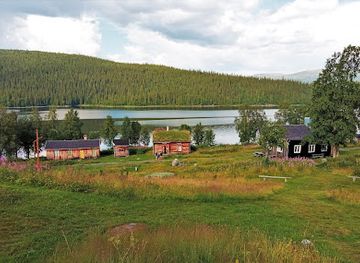
Explore Krigsgravarna i Backen on the Map
A handpicked selection of must-see spots near Krigsgravarna i Backen, mapped for you.
Getting There
-
Bus
City bus from Umeå centrum to Backen stop takes 20-30 minutes, runs every 30 minutes daily, costs 25-35 SEK, limited evening service after 8 PM.
-
Car
Drive from Umeå centrum via E4 and local roads to Backenvägen parking area in 15-25 minutes, free roadside parking available but fills on weekends, gravel access suitable for standard vehicles.
-
Walking
Pedestrian path from Backens kyrka trailhead covers 1.2 km in 15-20 minutes over flat terrain with some gravel, fully accessible but uneven in wet weather.
-
Taxi
Taxi from Umeå train station arrives in 15-20 minutes for 250-350 SEK, available 24/7 with advance booking recommended during peak summer hours.
For the on-the-go comforts that matter to you
-
 Trash Bins
-
 Information Boards
-
 Seating Areas
Discover more about Krigsgravarna i Backen
Tragic Legacy of the 1809 Finnish War
In the summer of 1809, during the Russo-Swedish War known as the Finnish War, Russian forces invaded Västerbotten, reaching the shores near Backen in Umeå. The prästgård at Backen became a critical hub, transformed into a field hospital for wounded soldiers. Over 1,200 injured and ill Russian troops were housed in the kyrkstugor (church cottages), facing dire conditions that led to devastating mortality rates. The krigsgravarna, or war graves, emerged from this chaos, silently bearing witness to the invasion's toll on both sides.Local accounts from komminister Pehr Stenberg vividly capture the tension. On August 22, rumors spread of 2,000 Swedish troops landing nearby, sparking panic among the Russians. Skirmishes echoed from the harbor, with Swedish forces briefly recapturing the prästgård before retreating. Stenberg himself was briefly imprisoned in a stolpbod by Russian captors accusing locals of aiding the enemy, highlighting the personal perils amid the broader conflict.Backen's Role in the Conflict
Backen, a historic area along the Umeälven river, found itself at the epicenter of the Russian campaign. The prästgård, already strained as a hospital, saw plundering by foraging troops desperate for food. Stenberg documented Russians raiding family potato fields and homes, burying valuables to protect them. By day's end, the invaders withdrew, hampered by supply shortages, leaving behind damaged structures and the dead.The graves cluster near the church and river, a designated site for burials during the occupation. High death rates stemmed from untreated wounds, infections, and malnutrition in the makeshift facilities. Post-war inspections revealed extensive damage to the prästgård, with broken windows, shattered tile stoves, and stolen fixtures—reparations later claimed by the Swedish crown.Historical Significance and Preservation
Pehr Stenberg's memoirs, preserved in Umeå University Library, provide invaluable firsthand insights into these events. His role as komminister from 1804 to 1824 positioned him to record the drama unfolding around Backens kyrka. The site ties into broader narratives of Umeå's history from 1714 to 1809, marked by repeated invasions and resilience.Today, the krigsgravarna remain a protected historical landmark, integrated into Röbäck's rich tapestry of sites like Röbäcks källa and ancient fornlämningar. Maintained by local heritage efforts, they invite contemplation on war's enduring scars without glorification.Serene Setting Amid Northern Landscapes
Nestled along Backenvägen 172B, the graves overlook the gentle flow of Röbäcken stream, framed by open fields and woodland typical of Västerbotten. Seasonal changes enhance the site's mood: summer wildflowers soften the markers, while winter snow blankets them in quiet isolation. This natural frame underscores the contrast between peaceful present and violent past.The location fosters a meditative atmosphere, ideal for those seeking historical depth in Umeå's outskirts. Nearby stenhuggarängen and kvarnarna add layers to the area's industrial and natural heritage, making Backen a microcosm of regional evolution.












Your all‑in‑one travel companion app
Explore expert travel guides, compare and book tours, experiences, hotels, and more—all from the palm of your hand. Download now for seamless trip planning wherever your wanderlust takes you.


Explore More of Vasterbotten
Looking beyond Krigsgravarna i Backen? Discover Vasterbotten for broader travel guides, local hot-spots, and regional highlights.
Explore Vasterbotten