

Stegeborg Castle, Vasterbotten Travel Guide
Medieval ruins on a Baltic island, blending fortress history with lush gardens and sea views for a peaceful historical escape.
Perched on a small island in the narrow sound of Slätbaken bay, Stegeborg Castle Ruins stand as evocative remnants of Sweden's medieval past. Dating back to the early 13th century, this fortress witnessed sieges, royal intrigues, and expansions through the Renaissance era. Explore the sturdy brick tower, round western tower, and surrounding walls amid lush gardens with apple trees, roses, and berry bushes—ideal for picnics with Baltic Sea views. A modest entry fee grants access to the grounds and first floor of the main tower, where history unfolds amid scenic tranquility.
A brief summary to Stegeborg Castle
- Stegeborgs Egendom, Söderköping, 614 97, SE
- Click to display
- Click to display
- Budget
-
 Outdoor
- Mobile reception: 4 out of 5
- Monday 7 am-10 pm
- Tuesday 7 am-10 pm
- Wednesday 7 am-10 pm
- Thursday 7 am-10 pm
- Friday 7 am-10 pm
- Saturday 7 am-10 pm
- Sunday 7 am-10 pm

Know before you go
Hi, I'm Eve. Here are a few practical things to know before exploring Stegeborg Castle.
- Opt for the audio guide from the nearby shop to unlock detailed stories behind the sparse on-site signage.
- Pack a picnic to savor amid apple trees and berry bushes, enhancing the tranquil island atmosphere.
- Visit at dawn or dusk for softer light and fewer crowds, amplifying the ruins' mystical aura.
- Wear sturdy shoes for uneven terrain around the towers and walls.
Do you manage this location?
Take control to get all the benefits, like improved information, better appearance, and stronger visibility across AI-powered discovery. Learn more about listing your business on Evendo
Activate your presenceExplore Stegeborg Castle on the Map
A handpicked selection of must-see spots near Stegeborg Castle, mapped for you.
Getting There
-
Bus
Take ÖstgötaTrafiken bus 210 from Söderköping station to Stegeborg stop, 20-25 minutes, runs hourly on weekdays with reduced service weekends, adult fare 40-60 SEK via app.
-
Car
Drive from Söderköping via Route 210, 15-20 minutes, free parking lot at entrance but fills quickly in peak summer, watch for narrow rural roads.
-
Bicycle
Cycle from Söderköping along flat coastal paths, 45-60 minutes, bike rentals available locally for 100-150 SEK per day, suitable for most fitness levels.
-
Taxi
Taxi from Söderköping center, 15-20 minutes, 250-350 SEK one-way, book via app or phone, reliable but pricier for solo travelers.
For the on-the-go comforts that matter to you
-
 Restrooms
-
 Drink Options
-
 Food Options
-
 Seating Areas
-
 Picnic Areas
-
 Trash Bins
-
 Information Boards
Discover more about Stegeborg Castle
Island Fortress Origins
The story of Stegeborg begins in the early 13th century, when a square brick tower rose in the southeast corner of what would become a formidable stronghold. Positioned strategically on a compact island within the slender sound leading to Slätbaken bay, the castle guarded vital waterways in Östergötland. As Söderköping emerged as a burgeoning city nearby, this initial structure served as a simple fortified residence, embodying the era's need for defense amid regional power struggles.By the 14th century, expansions included protective walls and a prominent round tower on the western side, enhancing its defensive posture. The castle's location amplified its importance, controlling access to the Baltic Sea and becoming a focal point for nobility and monarchs.Sieges and Medieval Turmoil
Stegeborg endured dramatic sieges that shaped its legacy. In 1318, forces besieged the castle from Easter until late August, leading to the capture of its defender, Magnus. Sentenced to death the following year, his fate underscored the castle's role in Sweden's turbulent politics. Chronicles suggest partial demolition followed the capitulation, yet the ruins persisted.Pirate raids marked the late 14th century, with the Victual Brothers attacking Söderköping in 1394, bypassing Stegeborg's defenses. Later, during the Kalmar Union struggles, figures like Evert Moltke and Ivar Axelsson altered the fortress—Ivar adding new walls and elevating the round tower while engaging in Baltic piracy, culminating in a 1487 siege that forced surrender.Renaissance Renewal Under Royalty
The 16th century brought revival. During the Dacke Feud, the castle withstood attacks, and renovations in the 1540s modernized it. King John III, born and raised here, oversaw grand transformations from 1578 to 1590, evolving the medieval fortress into a Renaissance palace with refined architecture and comforts.This era infused elegance into the rugged stones, blending defensive might with palatial grace. Though later abandoned and ruined, these changes left enduring imprints on the surviving structures.Architectural Echoes Today
Wander the remnants: the original brick tower offers entry to its first floor, revealing medieval construction techniques. The tall round tower dominates the west, a testament to iterative rebuilds. Crumbling walls frame the island's contours, where nature has reclaimed much of the site.Surrounding grounds burst with apple trees, rose bushes, and wild berries, their scents mingling with sea breezes. The setting evokes quiet reflection on centuries of conflict and creation.Strategic Soundside Setting
Stegeborg's island perch in the sound creates a dramatic approach, with waters lapping at ancient foundations. Views stretch across Slätbaken bay, where gulls cry and winds whisper of Viking-age voyages and Hanseatic trade routes nearby. Seasonal wildflowers carpet paths, drawing bees and butterflies in summer.This harmonious blend of ruin and nature defines the site's serene power, inviting contemplation of Sweden's layered past amid unspoiled coastal beauty.












Your all‑in‑one travel companion app
Explore expert travel guides, compare and book tours, experiences, hotels, and more—all from the palm of your hand. Download now for seamless trip planning wherever your wanderlust takes you.


Explore More of Vasterbotten
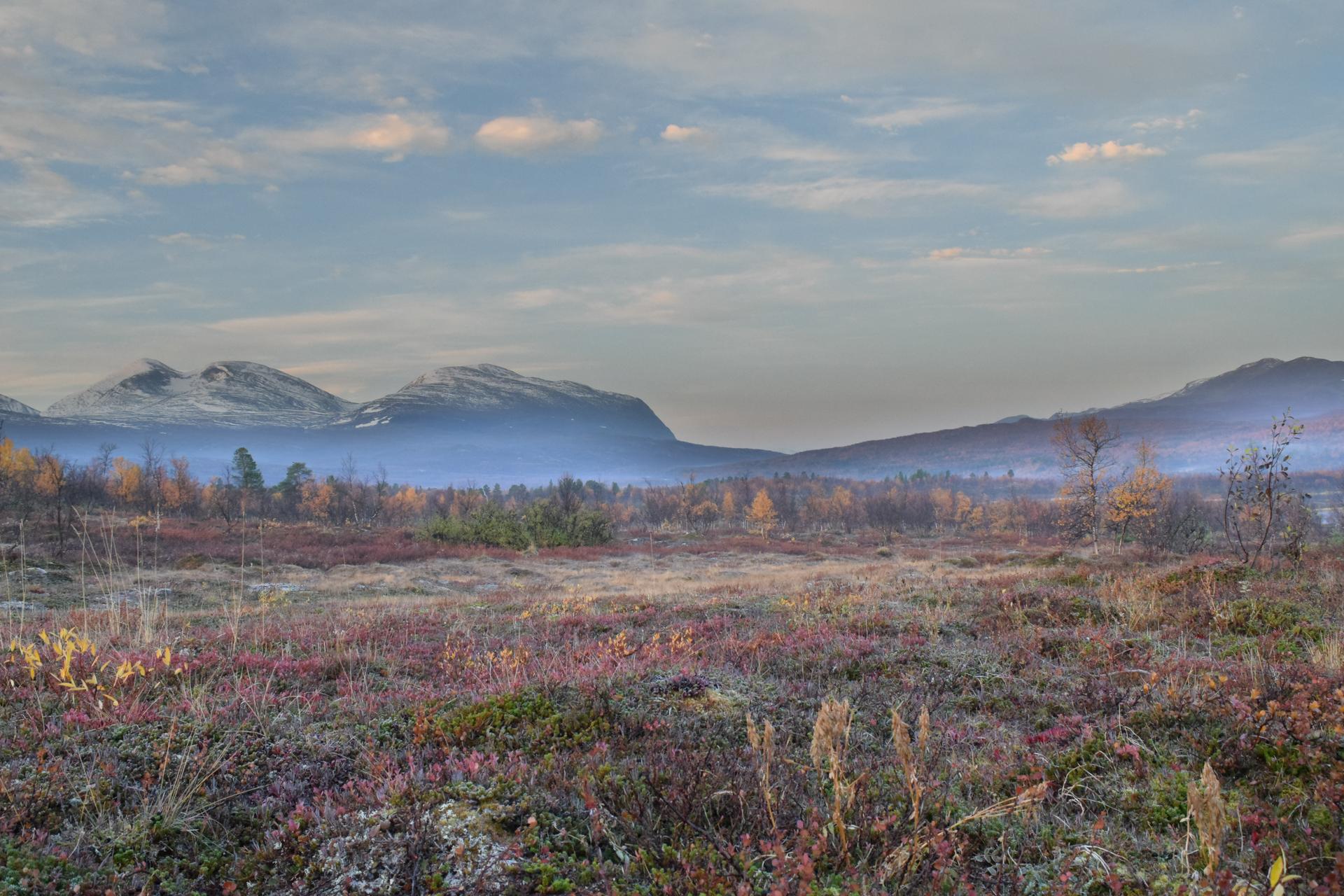
Looking beyond Stegeborg Castle? Discover Vasterbotten for broader travel guides, local hot-spots, and regional highlights.
Explore Vasterbotten