Mariestads Domkyrka, Vastergotland Travel Guide
A late‑Gothic cathedral rising above Mariestad’s old town, known for its 82 m tower, layered history and calm, craft‑filled interior.
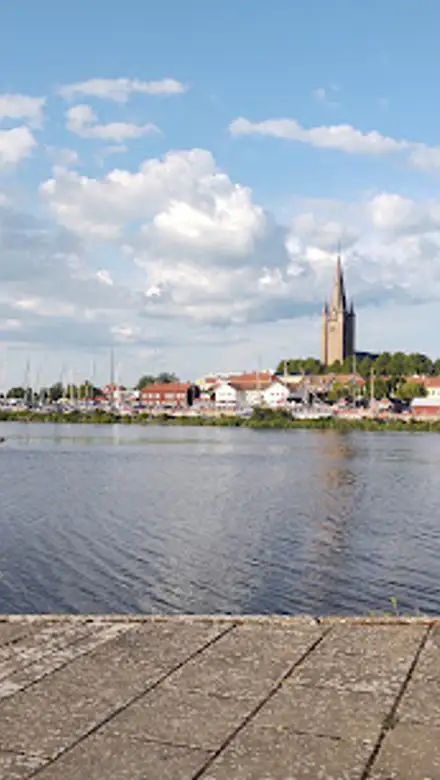
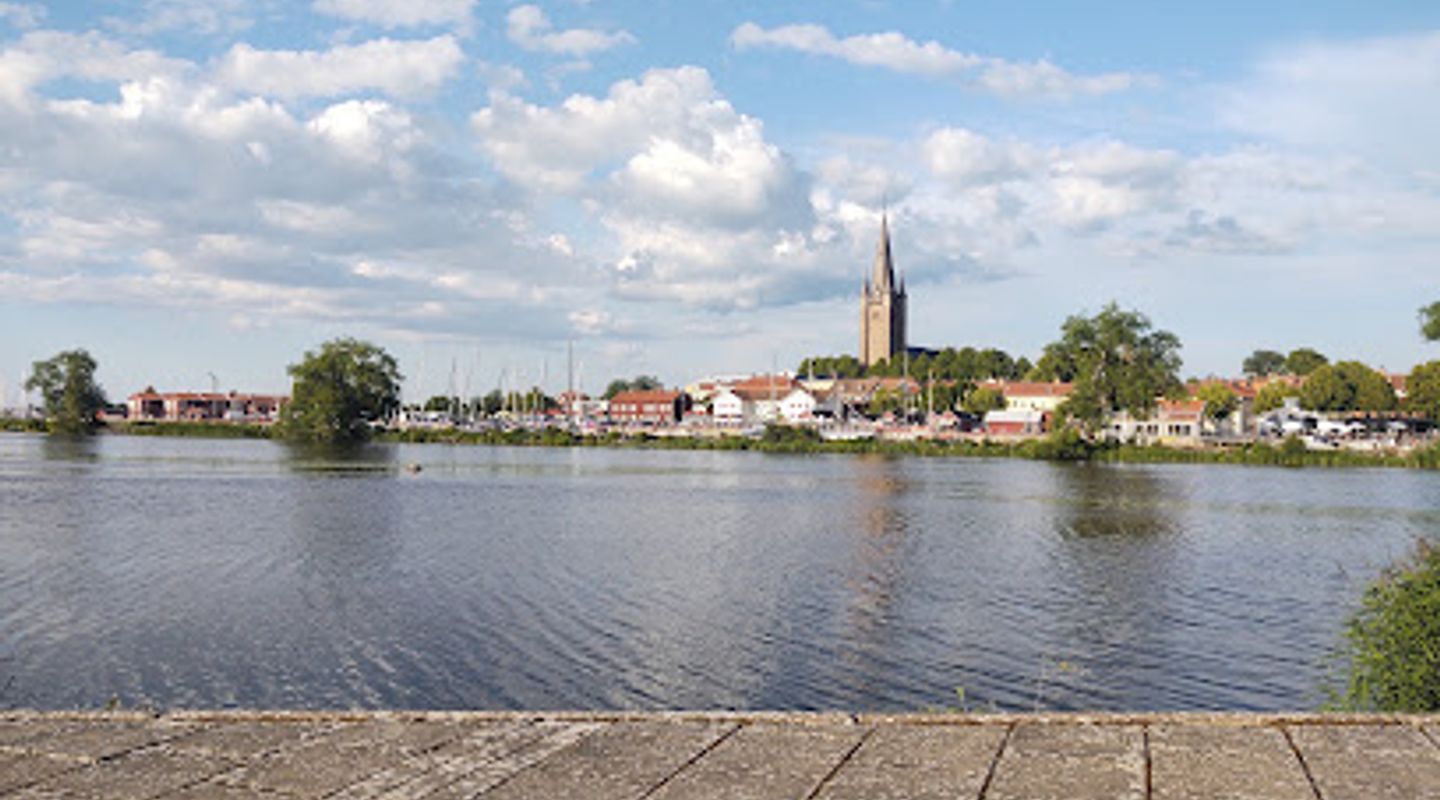
Mariestads Domkyrka is a late‑Gothic, aisleless cathedral built between 1593 and 1619 on a high site in Mariestad’s old town; its 82 m tower and natural‑stone facades were given their present form in the early 20th‑century restoration. The interior blends 17th‑ and 18th‑century altarpieces and pulpit with later benches and windows, creating a calm space for reflection and architectural detail familiar to Sweden’s post‑Reformation churchbuilding tradition.
A brief summary to Mariestads Domkyrka
- Nygatan 23, Mariestad, 542 30, SE
- Click to display
- Click to display
- Duration: 0.5 to 1.5 hours
- Free
-
 Mixed
Mixed
- Mobile reception: 4 out of 5
- Monday 8 am-8 pm
- Tuesday 8 am-8 pm
- Wednesday 8 am-8 pm
- Thursday 8 am-8 pm
- Friday 8 am-8 pm
- Saturday 8 am-8 pm
- Sunday 8 am-8 pm

Know before you go
Hi, I'm Eve. Here are a few practical things to know before exploring Mariestads Domkyrka.
- Allow time to pause inside and study the carved altarpiece and pulpit from the early 18th century; quiet light reveals fine painted detail.
- Visit on a weekday morning for lower footfall and clearer opportunities to appreciate the nave’s vaulting and acoustic hush.
- Look up from the churchyard to note the tower’s profile against the skyline — the 1903–1905 restoration shaped its current spire.
Do you manage this location?
Take control to get all the benefits, like improved information, better appearance, and stronger visibility across AI-powered discovery. Learn more about listing your business on Evendo
Activate your presenceOther nearby places you may find interesting
The closest places of the same kind, if this one is not quite what you had in mind.
Explore Mariestads Domkyrka on the Map
A handpicked selection of must-see spots near Mariestads Domkyrka, mapped for you.
Getting There
-
Public bus
Regional and local buses serve Mariestad town centre; travel times from the railway station to the old town are typically 6–12 minutes depending on route frequency. Services run regularly in daytime hours but have reduced frequency evenings and Sundays; a single local bus ticket costs roughly 25–45 SEK.
-
Car (short drive)
Driving from central Mariestad to the cathedral takes about 4–10 minutes depending on traffic; expect limited on‑street parking near the old town and occasional paid bays, with peak season restrictions during events. Short parking stays are commonly charged at municipal rates, typically from about 10–35 SEK per hour.
-
Walk from harbour/old town
A comfortable 6–15 minute walk from Mariestad’s harbour and Gamla stan across gently sloping streets; terrain is paved but includes cobbles and some steps near the elevated site, so allow extra time if mobility is limited.
For the on-the-go comforts that matter to you
-
 Seating Areas
-
 Information Boards
Discover more about Mariestads Domkyrka
Origins and political backdrop
Mariestads Domkyrka was commissioned in the late 16th century during a period of religious and dynastic change and was raised between 1593 and 1619 under the patronage of Duke Karl (later King Karl IX). The choice to build a substantial cathedral in a relatively small harbour town reflects the era’s shifting ecclesiastical geography: for a few decades Mariestad hosted a superintendent — a Reformation‑era church leader — which gave the building its cathedral title even though it later ceased to be a diocesan seat. The stone walls and the basic plan you see echo late‑Gothic forms filtered through post‑Reformation pragmatism.Architectural silhouette and exterior character
Set on a rise in Gamla stan, the cathedral cuts a commanding silhouette. Its unvarnished natural‑stone facades and the tall spire added in the 1903–1905 restoration create a vertical profile visible from across town and the nearby shoreline of Lake Vänern. The tower, rebuilt and reshaped repeatedly over centuries, reaches about 82 metres and gives Mariestad a distinct skyline marker; buttresses, pointed windows and the sense of an aisleless ‘hall’ church are reminders of the building’s late‑Gothic lineage.Interior artistry and devotional fittings
Inside, layers of history sit side by side. The altarpiece and pulpit are the oldest fixed furnishings, dating from the early 1700s and bearing wood carving and painted panels that narrate key Christian scenes such as the Institution of the Eucharist and the Resurrection. Statues that personify the cardinal virtues and portrayals of faith, hope and charity appear on higher levels of the altar ensemble. Benches, windows and other liturgical fittings were renewed or replaced through the 19th and 20th centuries, giving the nave a composed, slightly eclectic feeling rather than a single historic freeze.Moments of damage and renewal
The cathedral’s fabric tells of setbacks as well as care: a major city fire in 1693 and other incidents over the centuries destroyed or damaged much of the original interior, so what stands today is a palimpsest of reconstruction campaigns. Restorations have left visible traces — changes in surface treatment, differing stonework textures and the 1900s intervention that exposed natural stone and raised the spire. Those repairs also reflect changing ideas about how Swedish churches should look and be presented to the town and landscape.Sensory atmosphere and visiting tone
Within the cool hush of the nave the light through tall pointed windows softens the painted panels and gilded detail, while the height of the vaults gives a gentle echo to footsteps and whispered prayers. The building’s elevated site means breezes often carry the distant sounds of town life and water; on clear days the tower’s silhouette is backlit by expansive sky. The cathedral is experienced as a peaceful space for private reflection, musical liturgy and the close study of craftsmanship — from carved woodwork to older painted surfaces.Cultural place in Mariestad’s townscape
Though Mariestad never became a major episcopal centre, the cathedral has remained a defining civic and cultural landmark. Its scale and location anchor the old town visually and ceremonially: processions, church festivals and quiet weekday services all continue within a building whose presence charts several centuries of local history and changing religious practice. For observers of architecture and history it is a compact case study of how a single building absorbs political intent, disaster and restoration into a coherent urban identity.












Your all‑in‑one travel companion app
Explore expert travel guides, compare and book tours, experiences, hotels, and more—all from the palm of your hand. Download now for seamless trip planning wherever your wanderlust takes you.


Explore More of Vastergotland
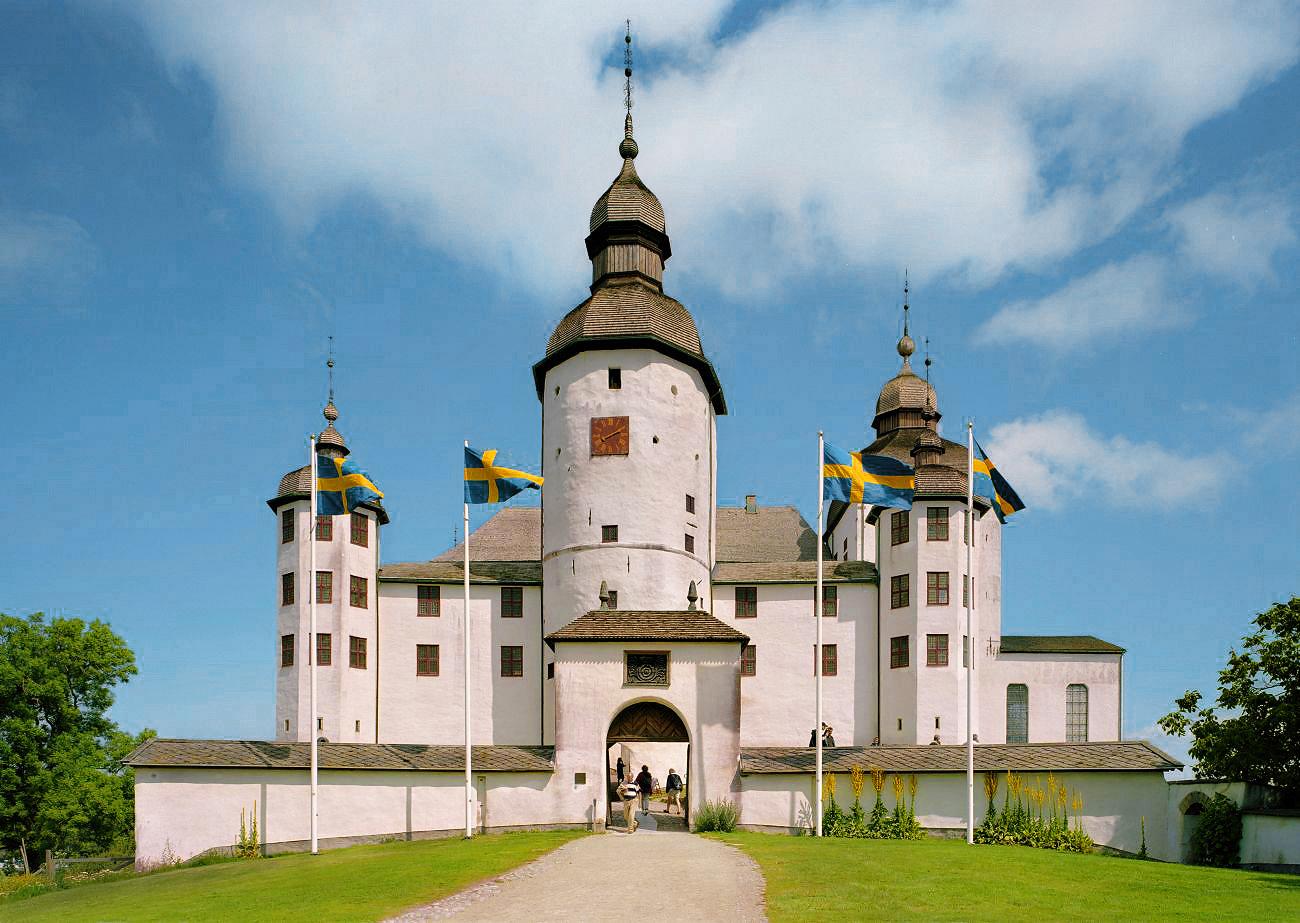
Looking beyond Mariestads Domkyrka? Discover Vastergotland for broader travel guides, local hot-spots, and regional highlights.
Explore Vastergotland
Ascend Sweden's mighty Bronze Age cairn: 60m-wide stone sentinel guarding 4000-year secrets amid sacred springs and Iron Age echoes.

A tall Viking-Age memorial runestone at Stora Ek that links carved Old Norse text with the manor’s parkland and medieval memory.