Old Älvsborg Fortress, Vastergotland Travel Guide
Weathered ruins on a river island sentinel, guarding Gothenburg's maritime heritage with silent stone echoes and tidal whispers.
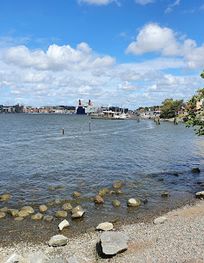
Perched on a small island in the Göta River estuary near Gothenburg, Old Älvsborg Fortress stands as a weathered sentinel of Sweden's maritime past. Built in the 14th century from timber and stone, this historic ruin once guarded the vital waterway against invaders. Though largely in ruins today, its evocative remnants offer a poignant glimpse into medieval defense strategies amid sweeping river views and salty sea breezes. Accessible only by boat, the site invites quiet exploration of its moss-covered walls, arched gateways, and strategic bastions, evoking tales of sieges and resilience. A short ferry journey reveals this understated gem, perfect for history enthusiasts seeking an offbeat contrast to Gothenburg's busier attractions. Free to visit, it rewards those who venture beyond the mainland with solitude and atmospheric decay.
A brief summary to Old Älvsborg Fortress
- Gothenburg, 414 51, SE
- Click to display
- Duration: 0.5 to 1.5 hours
- Free
-
 Outdoor
- Mobile reception: 3 out of 5

Know before you go
Hi, I'm Eve. Here are a few practical things to know before exploring Old Älvsborg Fortress.
- Visit at low tide to spot exposed island edges and marine life in the shallows around the ruins.
- Bring binoculars for birdwatching; the island hosts nesting cormorants and gulls year-round.
- Pack layers—exposed river winds can turn brisk even on mild days.
- Combine with a New Älvsborg ferry for a full fortress contrast without extra cost.
Do you manage this location?
Take control to get all the benefits, like improved information, better appearance, and stronger visibility across AI-powered discovery. Learn more about listing your business on Evendo
Activate your presenceOther nearby places you may find interesting
The closest places of the same kind, if this one is not quite what you had in mind.
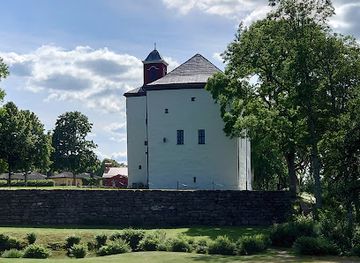
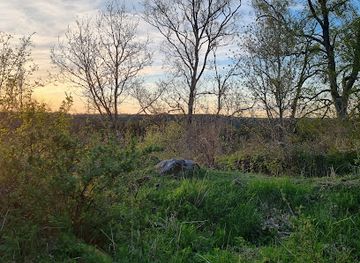
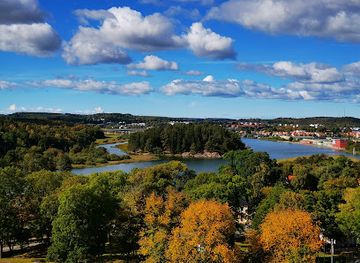
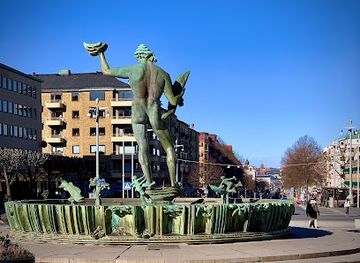
Explore Old Älvsborg Fortress on the Map
A handpicked selection of must-see spots near Old Älvsborg Fortress, mapped for you.
Getting There
-
Ferry from Stenpiren
Board passenger ferry from Stenpiren terminal near Gothenburg Central Station; 20-30 minute crossing through harbor waters, operates seasonally May-September with frequent summer departures, adult fare 40-60 SEK return excluding fortress entry.
-
Ferry from Lilla Bommen
Take scheduled ferry from Lilla Bommen harbor; 40-50 minute voyage past container terminals, runs weekends and holidays in summer, combined tickets sometimes available 100-150 SEK including basic access, weather-dependent.
-
Private Boat Charter
Hire local water taxi or charter from Gothenburg marinas; 15-25 minute direct trip, available year-round but best in calm weather, costs 800-1500 SEK per group depending on size and duration.
For the on-the-go comforts that matter to you
-
 Seating Areas
-
 Trash Bins
-
 Information Boards
-
 Picnic Areas
Discover more about Old Älvsborg Fortress
Maritime Guardian of the Göta Estuary
Old Älvsborg Fortress occupies a strategic islet in the mouth of the Göta River, just minutes from Gothenburg's bustling harbor. Constructed initially in the 1360s under the direction of King Albrecht of Mecklenburg, the fortress served as the first line of defense for the prosperous trading routes into Sweden's west coast. Its position commanded views of approaching vessels, allowing early warnings of potential threats from Danish and Hanseatic fleets. Over centuries, the structure evolved from wooden palisades to more robust stone fortifications, embodying the era's military ingenuity amid the relentless tidal flows.The fortress's island setting amplifies its isolation, with the river's currents shaping its history as much as human hands. Exposed to harsh North Sea weather, the ruins today bear the scars of erosion, their jagged outlines softened by lichen and seabirds nesting in crevices. This natural decay adds to the site's haunting allure, where the whisper of wind through broken arches recalls long-forgotten garrisons.Sieges and Strategic Shifts
Throughout the 16th and 17th centuries, Old Älvsborg faced multiple assaults, most notably during the Northern Wars. Danish forces bombarded it relentlessly in 1563, leading to its temporary capture and a hefty ransom demand from Sweden—earning it the nickname 'the fortress that paid for itself.' Rebuilt stronger after each conflict, it symbolized Swedish resolve until obsolescence set in with advancing artillery technology.By the 18th century, the fortress transitioned from active defense to a quarantine station and prison, isolating plague ships and housing debtors. These later roles infused the site with layers of human stories, from condemned sailors etching names into stone to guards patrolling fog-shrouded battlements. Abandoned in the 19th century, it faded into obscurity, preserved only by its remote location.Ruins Resonant with Echoes
Wandering the remnants, visitors encounter the main gatehouse, its massive oak doors long rotted away, and the central keep's crumbling foundations. Low walls trace the original perimeter, offering vantage points over the river where container ships now glide past like modern invaders. Seabirds wheel overhead, their cries mingling with the lap of waves against barnacle-crusted rocks.The site's compact scale belies its historical weight; a single loop reveals powder magazines, guardrooms, and water cisterns engineered for siege endurance. In summer, wildflowers sprout from cracks, contrasting the austere stone, while winter storms transform it into a dramatic seascape of foam and fury.Precursor to New Älvsborg's Glory
Old Älvsborg's legacy paved the way for its grander successor, New Älvsborg Fortress, built upstream in the 1660s to counter improved naval threats. While the new bastion gleams with 17th-century polish, the old site remains a raw, unpolished testament to earlier eras. Together, they frame Gothenburg's evolution from vulnerable outpost to Scandinavia's premier port.This duality invites reflection on technological progress in warfare, where stone gave way to star forts and cannons. Today, the ruins stand quietly, a footnote in Sweden's coastal fortifications that once defined national borders.Atmospheric Exploration Amid Tides
The fortress rewards patient observers with sensory immersion: the tang of saltwater, the creak of shifting tides, and the distant hum of ferries to its newer kin. No crowds disrupt the peace; instead, it's a place for solitary contemplation or intimate picnics on weathered slabs. As sunlight filters through overcast skies, shadows play across the masonry, revealing subtle carvings weathered by 600 years.












Your all‑in‑one travel companion app
Explore expert travel guides, compare and book tours, experiences, hotels, and more—all from the palm of your hand. Download now for seamless trip planning wherever your wanderlust takes you.


Explore More of Vastergotland
Looking beyond Old Älvsborg Fortress? Discover Vastergotland for broader travel guides, local hot-spots, and regional highlights.
Explore Vastergotland