Stenkullen i Tun Travel Guide
Free Guide: Ascend Sweden's mighty Bronze Age cairn: 60m-wide stone sentinel guarding 4000-year secrets amid sacred springs and Iron Age echoes.


A brief summary of Stenkullen i Tun
Ascend Sweden's mighty Bronze Age cairn: 60m-wide stone sentinel guarding 4000-year secrets amid sacred springs and Iron Age echoes.
Stenkullen towers as one of Sweden's largest Bronze Age cairns, a massive 60-meter-wide, 7-meter-high stone mound in Tun, Västra Götaland. Built around 4000 years ago, this unexcavated grave draws on ancient rituals, surrounded by Iron Age burial grounds, a sacred spring, and medieval remnants amid sweeping rural views.
On-site amenities
 Seating areas
 Trash bins
 Information boards
 Drink options
Opening hours
- Every dayOpen 24 hours
Opening hours as listed on the venue’s Google Business Profile. Hours can change for services and special events, so check with the venue before you go.
- Address
- 530 30 Tun
- Website
Getting there
Driving
Public Bus
Cycling
Discover more about Stenkullen i Tun
Monumental Bronze Age Legacy
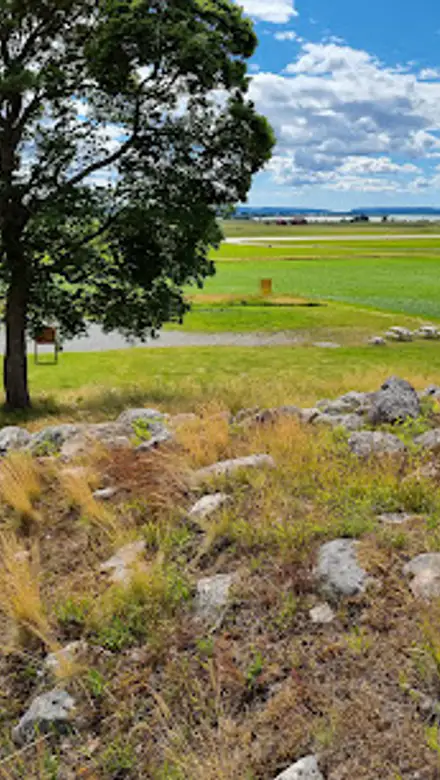
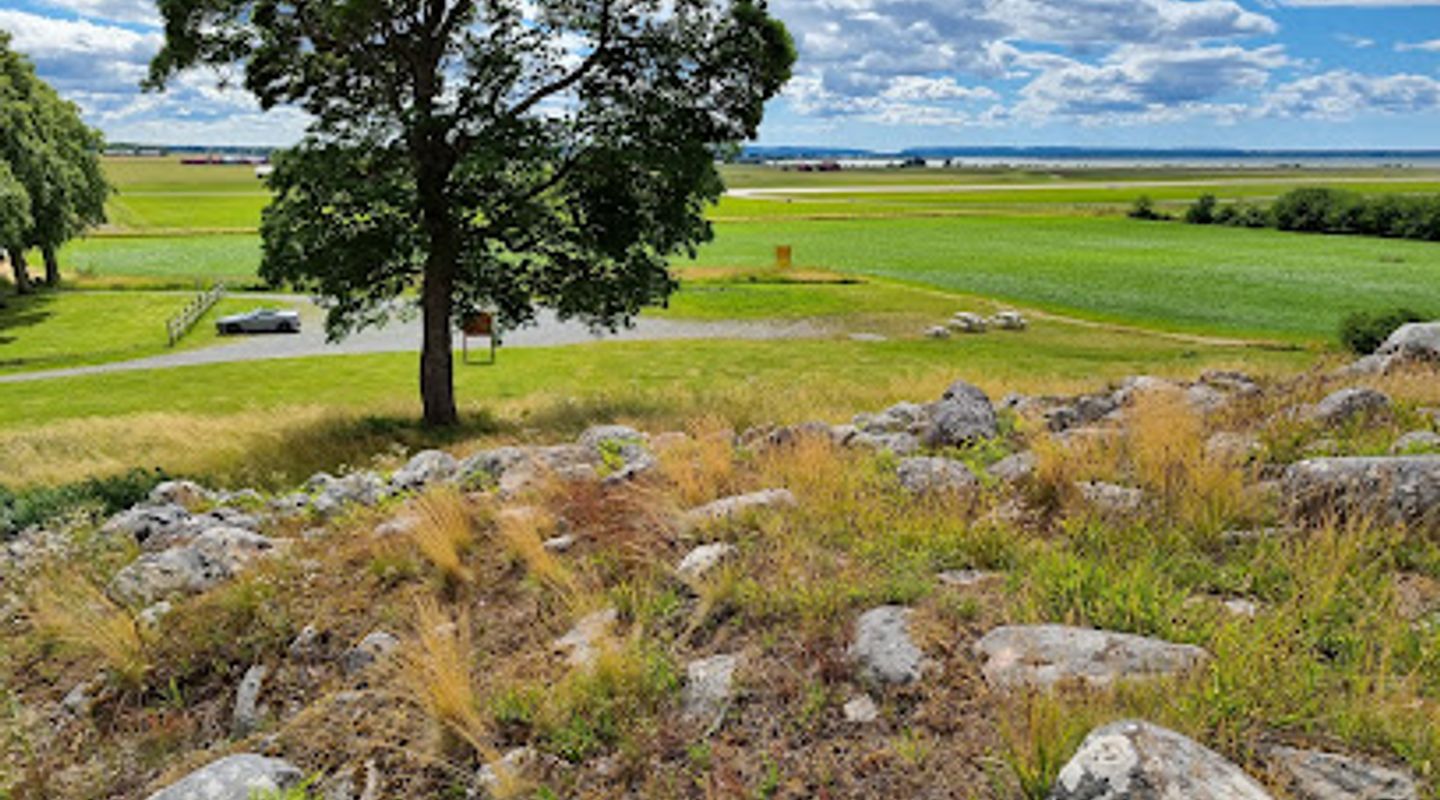
Perched on a ridge in Tun socken, Stenkullen stands as a colossal gravröse from the Bronze Age, constructed approximately 4000 years ago. Measuring 60 meters in diameter and rising 7 meters high, it ranks among Sweden's largest such structures. The mound's design suggests a central burial chamber encircled by a stone kerb of massive blocks, some still visible where ancient plunderers breached the exterior.Though never archaeologically excavated, its form hints at elite funerary practices of the era, where chieftains or high-status individuals were interred with grave goods under layers of stone. The site's enduring presence speaks to the engineering prowess of prehistoric communities in Västra Götaland.
Traces of Later Eras
Stenkullen bears scars from 19th-century quarrying, particularly on its eastern flank, where locals extracted stone, diminishing its original profile. Medieval structures once hugged its edges, possibly including a house referenced as "Tuns slott" on old maps. Late 18th-century records show farm buildings clustered nearby, integrating the ancient mound into daily agrarian life.South of the cairn lies an Iron Age burial field from 500–1050 CE, preserving several graves that extend the site's ceremonial history into later periods. These layered remains paint a picture of continuous human reverence for this elevated spot.
Sacred Springs and Ancient Settlements
Just north, Kuskällan or Korskällan—a revered offering spring—invited rituals where coins or valuables were cast in for healing. Further northwest, vestiges of Tun's original village endure, occupied from the late Iron Age until 1806, when inhabitants relocated.From the summit, vistas stretch northwest to Såtenäs airfield, home to Sweden's C-130 Hercules fleet. In 1392, this view would have overlooked the village of Sathonaes, site of the earliest written mention of the area in a knight's document.
Natural Prominence and Surroundings
The cairn's ridge-top location amplifies its dominance over the landscape, blending natural elevation with human artistry. Vegetation clings to its slopes, while open fields and distant horizons frame the scene, offering a serene counterpoint to its ancient drama.Nearby features like the spring and graves create a compact archaeological cluster, inviting contemplation of millennia-spanning stories in this quiet corner of Lidköping municipality.
Evendo Review Centre
 Google
Guest reviews
Best time to go
Quietest: Jan, Feb & Dec · before 7am or from 8pm
Busy times are Evendo estimates for a typical year, to help you plan. Actual crowds vary with events, school holidays and the weather.
Explore Stenkullen i Tun on the map
A handpicked selection of must-see spots near Stenkullen i Tun, mapped for you.
Get your free copy of our complete guide to Stenkullen i Tun, delivered straight to you.
Everything on this page, from opening hours and how to get there to Eve’s tips and the best time to go, in one PDF you can read offline, print or share.
Already have an account? Sign in
Your Stenkullen i Tun guide is ready.
We'll send it to · Not you? Sign out

Getting your guide ready…
We are putting together a fresh copy of the Stenkullen i Tun guide. This can take up to a minute.
This can take a few moments. If your browser asks, choose Allow so the download can start. You'll find the guide in your Downloads folder.
Nothing happened? Download it again
Sorry, the guide is taking longer than usual. Please try again in a minute, or get it by email instead.
Other nearby places you may find interesting
The closest places of the same kind, if this one is not quite what you had in mind.
-
-
-
-
-


Swipe for more places
More to explore near Stenkullen i Tun

 Best experiences near Stenkullen i Tun
 Best hotels near Stenkullen i Tun
 Best landmarks near Stenkullen i Tun
 Best attractions near Stenkullen i Tun
 Best shops near Stenkullen i Tun
 Best restaurants near Stenkullen i Tun
 Best bars near Stenkullen i Tun
Do you manage this location?
Take control to get all the benefits, like improved information, better appearance, and stronger visibility across AI-powered discovery.
Explore more

Explore more of Västergötland
Discover Västergötland: A blend of historical treasures, natural beauty, and cultural richness in the heart of Sweden.
Explore Västergötland
Explore more of Sweden
Discover Sweden's breathtaking landscapes, vibrant cities, and rich cultural heritage. From the Northern Lights to historic castles, experience the essence of Scandinavia.
Explore Sweden