Vassända kyrkoruin, Vastergotland Travel Guide
Whispers of medieval faith amid stone remnants near ancient Brätte—Vassända Kyrkoruin invites quiet reflection on Sweden's parish past in Vänersborg's countryside.
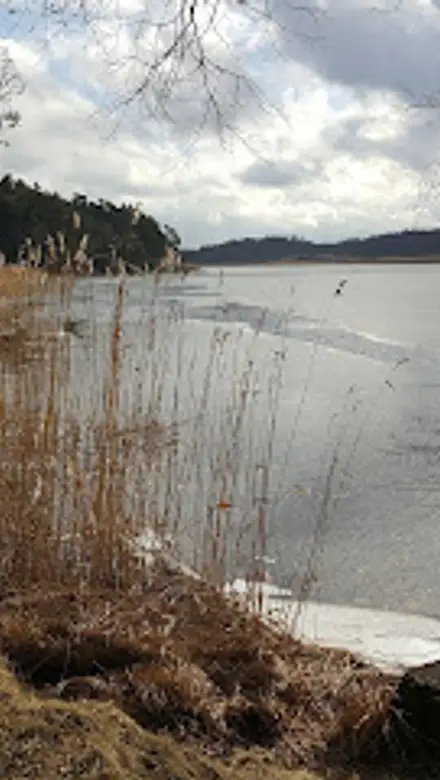
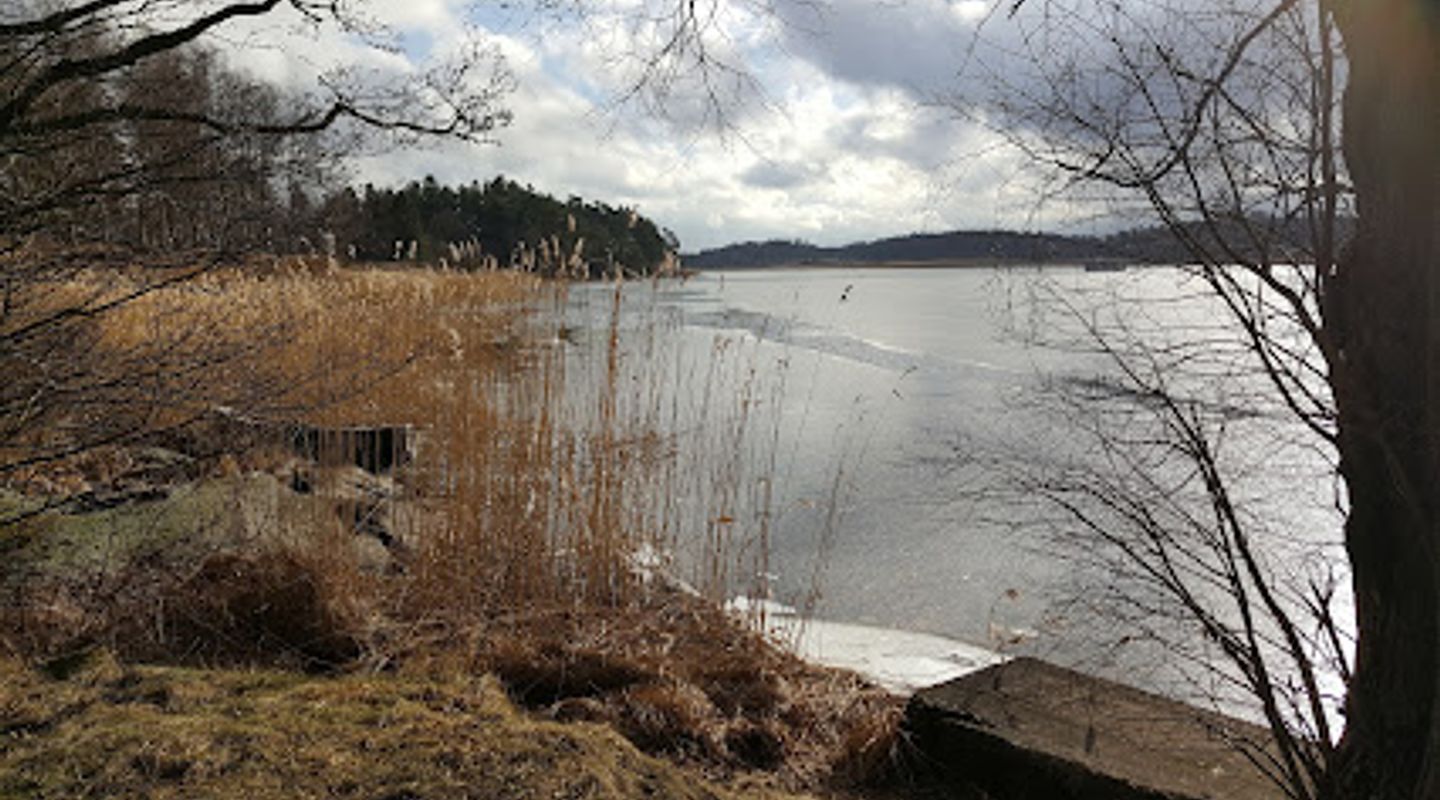
The evocative ruins of Vassända Church stand as a poignant reminder of medieval ecclesiastical life near the historic site of Brätte, predecessor to Vänersborg. Dating back centuries, this atmospheric site features weathered stone walls amid a serene rural landscape, offering a quiet glimpse into Sweden's parish history before its demolition in the late 18th century to make way for a new shared church with Naglum.
A brief summary to Vassända kyrkoruin
- VASSÄNDA 110, Vänersborg, 462 42, SE
- Duration: 0.5 to 1.5 hours
- Free
-
 Outdoor
- Mobile reception: 4 out of 5

Know before you go
Hi, I'm Eve. Here are a few practical things to know before exploring Vassända kyrkoruin.
- Visit in soft morning light for dramatic shadows accentuating the stone textures and arches.
- Combine with a stop at nearby Vassända-Naglums kyrka to trace the salvaged bells and stones.
- Bring sturdy shoes for uneven ground around the ruins, especially after rain.
Do you manage this location?
Take control to get all the benefits, like improved information, better appearance, and stronger visibility across AI-powered discovery. Learn more about listing your business on Evendo
Activate your presenceOther nearby places you may find interesting
The closest places of the same kind, if this one is not quite what you had in mind.
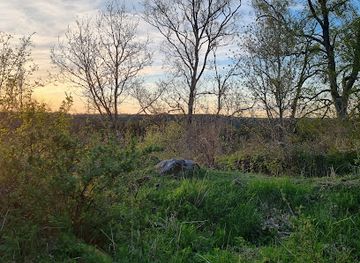
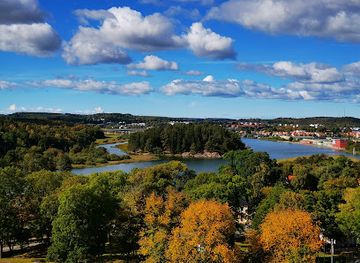
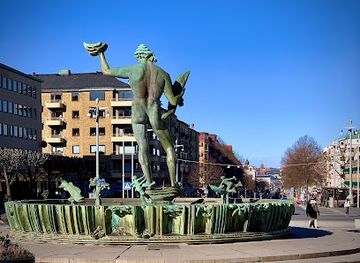
Explore Vassända kyrkoruin on the Map
A handpicked selection of must-see spots near Vassända kyrkoruin, mapped for you.
Getting There
-
Driving
From Vänersborg centrum, drive north via Route 44 toward Trollhättan for 15-20 minutes; limited gravel parking nearby, free but fills on weekends.
-
Bus
Västtrafik bus 18 from Vänersborg bus station to Vassända stop, 20-25 minutes, runs hourly weekdays, 35-50 SEK one-way; 1.5 km walk on rural path afterward.
-
Cycling
Bike from Vänersborg center along quiet roads paralleling the river, 25-35 minutes on mixed pavement and gravel; bike racks absent, lock to nearby tree.
-
Walking
From Vassända-Naglums kyrka, trek 1.5 km across fields on marked trails, 20-30 minutes; uneven terrain, not stroller-friendly, best in dry weather.
For the on-the-go comforts that matter to you
-
 Trash Bins
-
 Information Boards
Discover more about Vassända kyrkoruin
Medieval Origins Amid Trade Routes
Nestled in the countryside near Vänersborg, Vassända Kyrkoruin emerges from the earth as a testament to early Christian settlement in Västra Götaland. The church served Vassända parish in Skara diocese, its foundations likely laid in the Middle Ages when the area buzzed with activity along Göta älv. Vassända itself gained mention as a marketplace in 1550, underscoring the site's role in a vibrant local economy tied to river trade and nearby Brätte, a bustling proto-town from the mid-1500s.Proximity to Brätte's Storied Past
Just a short distance from Brätte—Vänersborg's direct forerunner until 1644—the ruins held spiritual significance for the community. Brätte boasted town privileges as early as 1581, with markets, kroger, and even representation at the Vadstena riksdag in 1587. The church, visible from the town, shared a kyrkoherde with its parish, anchoring faith amid the turbulence of wars and royal decrees, including Gustav Vasa's 1539 designation of nearby Halleberg and Hunneberg as royal game parks.Demolition and Rebirth in 1792
By the late 18th century, both Vassända and Naglum churches had deteriorated, prompting a bold decision in 1792 to raze them for a unified structure. Stones, bells—including a medieval one and a 1757 casting—and other elements were repurposed into Vassända-Naglums kyrka, consecrated around 1800. A grand inscription on the new church's tower proclaims its construction from 1797-1799 under royal auspices, marking the end of the old ruin's active life but ensuring its legacy endured.Atmospheric Ruins in Rural Serenity
Today, the kyrkoruin consists of fragmented stone walls rising from grassy grounds, evoking quiet contemplation. Ivy clings to the remnants, while wildflowers sway in the Swedish breeze, blending natural overgrowth with architectural decay. The site's isolation enhances its meditative quality, ideal for those seeking undisturbed historical immersion away from urban bustle.Enduring Echoes of Parish Life
These ruins whisper tales of baptisms, weddings, and funerals over centuries, intertwined with Vänersborg's evolution from Brätte's medieval markets to a modern town. The bells' journey to the new church symbolizes continuity, while the ruin itself stands as a physical archive of pre-industrial Sweden, where faith and commerce converged along vital waterways.












Your all‑in‑one travel companion app
Explore expert travel guides, compare and book tours, experiences, hotels, and more—all from the palm of your hand. Download now for seamless trip planning wherever your wanderlust takes you.


Explore More of Vastergotland
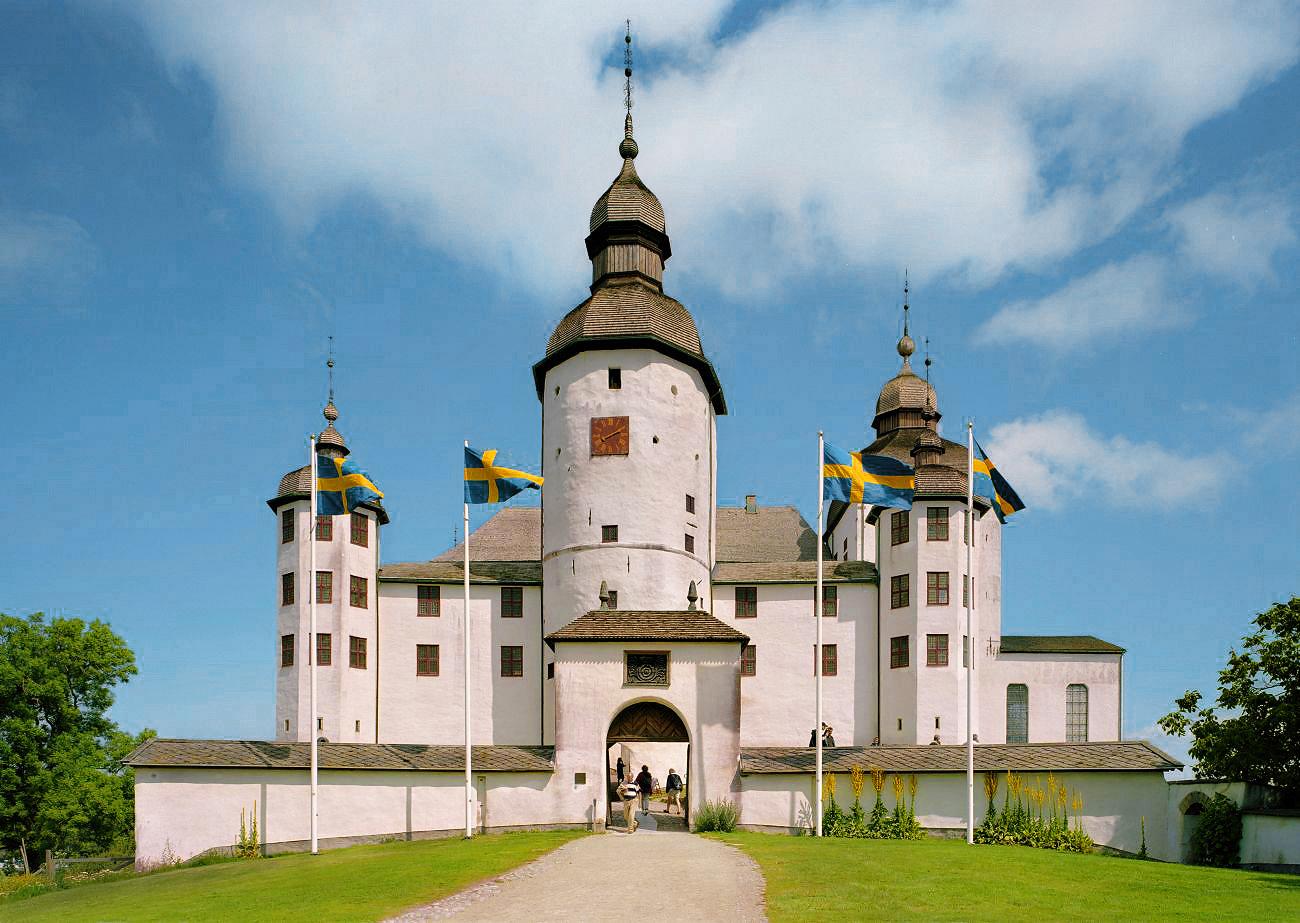
Looking beyond Vassända kyrkoruin? Discover Vastergotland for broader travel guides, local hot-spots, and regional highlights.
Explore Vastergotland
A modest boat-shaped stone setting near Vammen that quietly marks an ancient funerary outline amid Dalsland’s wooded lowlands.
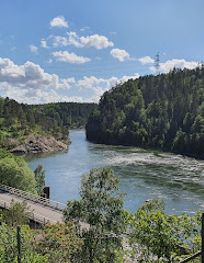
Ice Age grotto turned royal guestbook: discover centuries of Swedish monarchs' signatures carved into granite beside the Göta River's timeless flow.