

Torpa Stenhus Travel Guide
Free Guide: A compact medieval fortress turned Renaissance manor — intimate interiors, a 15th-century core and centuries of family continuity in Västergötland.


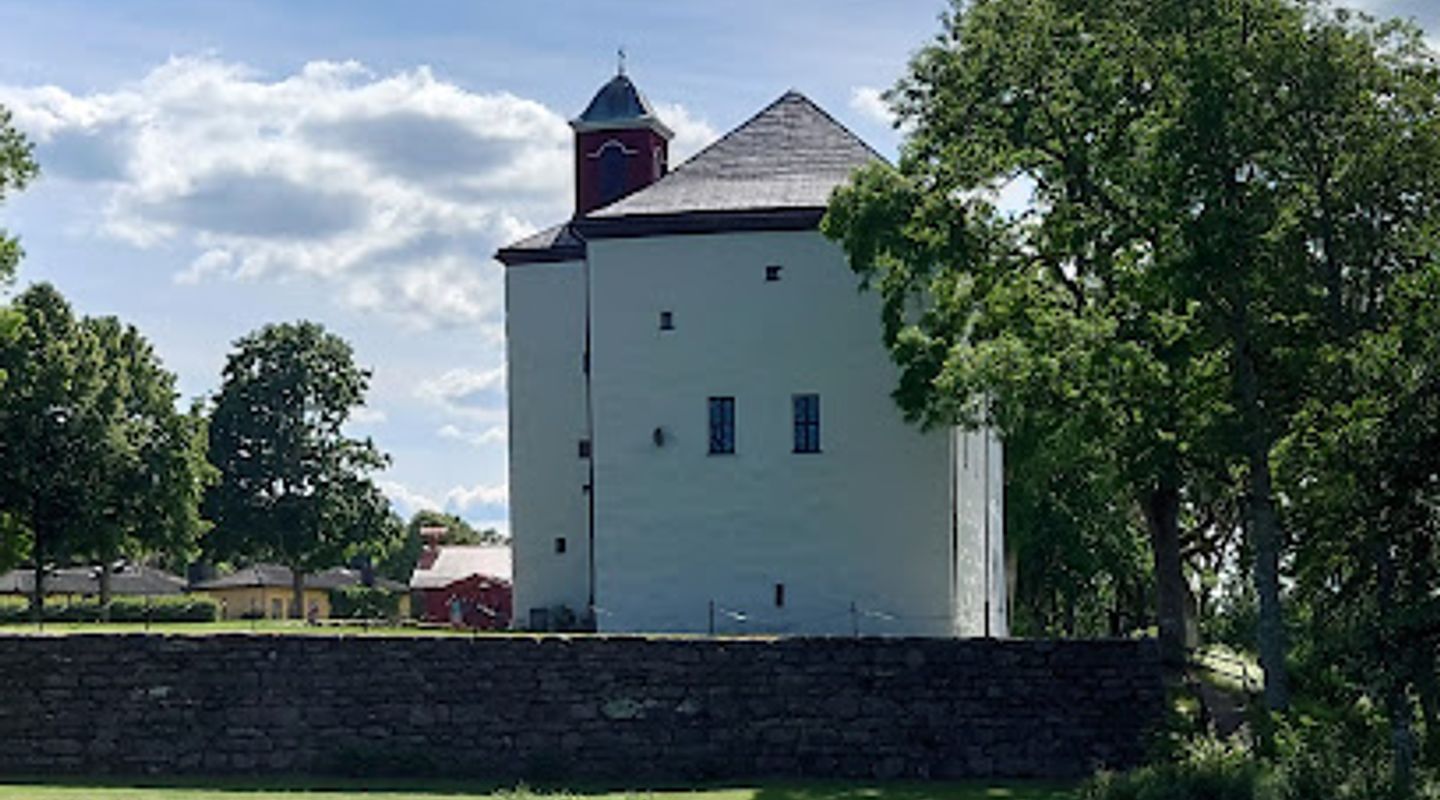
A brief summary of Torpa Stenhus
A compact medieval fortress turned Renaissance manor — intimate interiors, a 15th-century core and centuries of family continuity in Västergötland.
Torpa Stenhus is a remarkably well-preserved medieval stone manor near Länghem in Västra Götaland, Sweden, with origins around 1470. The compact fortress evolved into a Renaissance residence during the 1500s and retains richly decorated halls, a late-17th-century chapel and a multilayered history tied to the Stenbock family and Gustav Vasa’s third wife, Katarina Stenbock. The estate remains in hereditary family ownership and mixes fortified medieval charm with refined period interiors.
On-site amenities
 Information boards
 Seating areas
- Address
- Torpa Gård, 514 52 Länghem
- Phone
- Website
Getting there
Regional bus and local taxi
Car (self-drive)
Organised tour or guided coach
Discover more about Torpa Stenhus
Origins as a medieval stronghold
Torpa Stenhus began life in the late 15th century when a stone house was raised around 1470 as a defended residence for a powerful landowning family. The original construction reads as a pragmatic defensive block — thick walls and limited openings — designed for protection in a borderland exposed to conflict in the later medieval period. That early structure still forms the physical core of the present building and gives the site its compact, fortress-like silhouette.
Transformation into a Renaissance residence
During the 1500s Torpa was remodelled and expanded into a Renaissance manor: a stair tower was added in the mid-16th century, additional storeys and higher roofs reworked the profile, and interior spaces were repainted and refashioned for comfort and display. These interventions introduced painted halls, more refined room proportions and decorative schemes that survive in fragments, so the house reads today as a layered palimpsest of defensive medieval architecture and later domestic elegance.
Connections to national figures and family continuity
Torpa’s history is closely entwined with the Stenbock family; members of that lineage were influential in regional and national affairs. The manor is notable in Swedish history as the childhood home of Katarina Stenbock, who became the third wife of King Gustav I. Ownership has passed down through related families for centuries, preserving an unusually continuous chain of private stewardship that informs both the building’s fabric and its collections.
Interior character and sacred space
Inside, rooms retain historic surfaces and a concentration of period features: a decorated great hall with Renaissance wall paintings, moulded wooden panelling reinstalled in recent conservation work, and a chapel furnished in late-17th-century baroque taste. The chapel’s carved detailing and painted ornament create an intimate sacred space within the domestic envelope, while the main reception rooms reflect changes in taste across three centuries.
Landscape, estate buildings and atmosphere
Torpa sits within a working estate of outbuildings, gardens and parkland that frame the manor rather than overwhelm it; the setting is rural and quietly ordered, with views across farmland and towards nearby lakes. The cluster of ancillary buildings and the approach lanes contribute to a sense of continuity: this is a living agricultural property with a historic core, not a theatrical reconstructed ruin.
Stories, traditions and local lore
The house carries a number of vivid local legends that are woven into its character: tales of an ‘inwalled’ girl and ghostly processions, anecdotes connecting the building to dramatic events across centuries, and minor but memorable episodes that have become part of the manor’s narrative identity. These stories sit alongside verifiable archival traces — deeds, family records and later conservation work — giving visitors a site that feels both historically grounded and rich in imaginative association.
Evendo Review Centre
 Google
Guest reviews
Best time to go
Quietest: Jan, Feb & Dec · before 8am or from 8pm
Busy times are Evendo estimates for a typical year, to help you plan. Actual crowds vary with events, school holidays and the weather.
Explore Torpa Stenhus on the map
A handpicked selection of must-see spots near Torpa Stenhus, mapped for you.
Get your free copy of our complete guide to Torpa Stenhus, delivered straight to you.
Everything on this page, from opening hours and how to get there to Eve’s tips and the best time to go, in one PDF you can read offline, print or share.
Already have an account? Sign in
Your Torpa Stenhus guide is ready.
We'll send it to · Not you? Sign out

Getting your guide ready…
We are putting together a fresh copy of the Torpa Stenhus guide. This can take up to a minute.
This can take a few moments. If your browser asks, choose Allow so the download can start. You'll find the guide in your Downloads folder.
Nothing happened? Download it again
Sorry, the guide is taking longer than usual. Please try again in a minute, or get it by email instead.
Other nearby places you may find interesting
The closest places of the same kind, if this one is not quite what you had in mind.
-
-
-
-
-


Swipe for more places
More to explore near Torpa Stenhus

 Best experiences near Torpa Stenhus
 Best hotels near Torpa Stenhus
 Best landmarks near Torpa Stenhus
 Best attractions near Torpa Stenhus
 Best shops near Torpa Stenhus
 Best restaurants near Torpa Stenhus
 Best bars near Torpa Stenhus
Do you manage this location?
Take control to get all the benefits, like improved information, better appearance, and stronger visibility across AI-powered discovery.
Explore more

Explore more of Västergötland
Discover Västergötland: A blend of historical treasures, natural beauty, and cultural richness in the heart of Sweden.
Explore Västergötland
Explore more of Sweden
Discover Sweden's breathtaking landscapes, vibrant cities, and rich cultural heritage. From the Northern Lights to historic castles, experience the essence of Scandinavia.
Explore Sweden
