Tvärreds kyrkoruin, Gotaland Travel Guide
A low, weathered medieval church ruin set in open Västergötland farmland—quiet, photogenic and rich in simple historic detail.
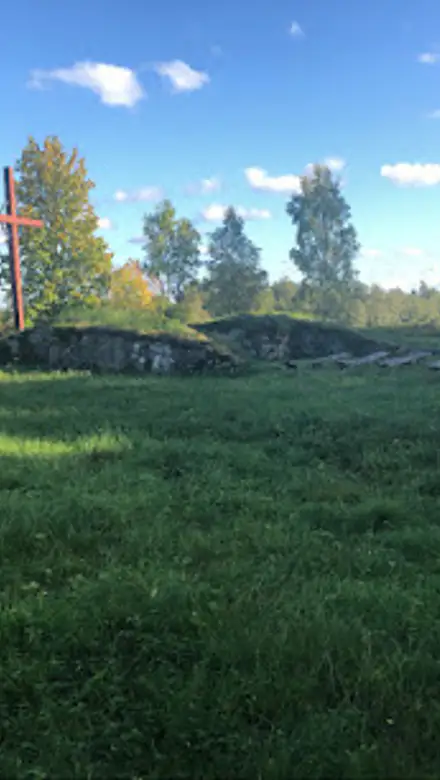
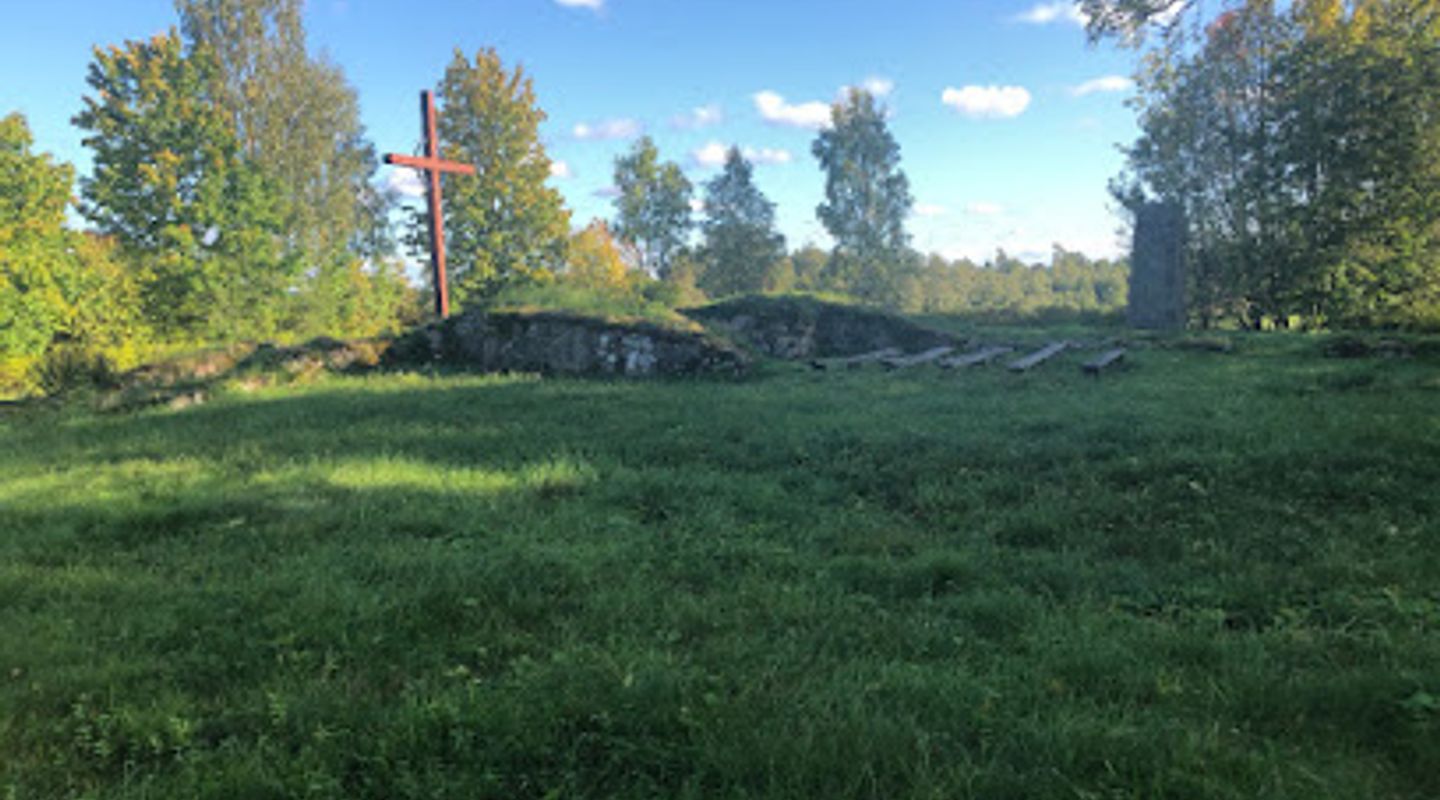
Ruins of a medieval countryside church set in gently rolling farmland south of Ulricehamn, Tvärreds kyrkoruin preserves weathered stone walls and grassy interior spaces that hint at a 12th–13th‑century building abandoned after a new church was built in 1854. The site is quiet and pastoral, with wildflowers in summer and low stone silhouettes against open skies—an evocative stop for history lovers, photographers and anyone who enjoys solitary, contemplative places.
A brief summary to Tvärreds kyrkoruin
- Tvärred, SE
- Click to display
- Duration: 0.25 to 1 hours
- Free
-
 Outdoor
- Mobile reception: 4 out of 5

Know before you go
Hi, I'm Eve. Here are a few practical things to know before exploring Tvärreds kyrkoruin.
- Wear stout shoes—the ground inside and around the ruin is uneven and can be soft after rain.
- Visit at golden hour (early morning or late afternoon) for the best light on the stonework and surrounding fields.
- Respect the site: avoid climbing on fragile masonry and leave flora and any archaeological finds undisturbed.
- Bring insect repellent in summer—tall grass around the ruin can harbour insects.
Do you manage this location?
Take control to get all the benefits, like improved information, better appearance, and stronger visibility across AI-powered discovery. Learn more about listing your business on Evendo
Activate your presenceOther nearby places you may find interesting
The closest places of the same kind, if this one is not quite what you had in mind.

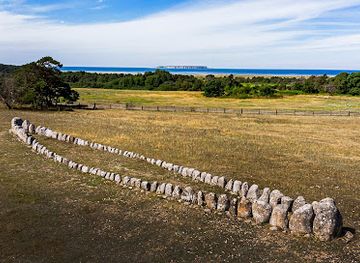
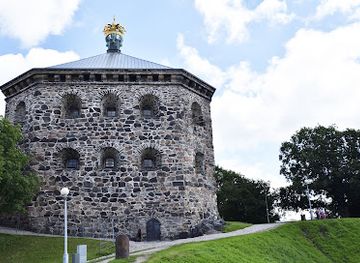
Explore Tvärreds kyrkoruin on the Map
A handpicked selection of must-see spots near Tvärreds kyrkoruin, mapped for you.
Getting There
-
Car
Drive from central Ulricehamn by car: typical travel time 20–30 minutes depending on road conditions; parking is informal near the site on a small verge or layby—space is limited and surfaces may be grass or gravel, so larger vehicles may find access awkward; there is no paid parking or staffed lot.
-
Local bus plus walk
Take a regional bus serving the Ulricehamn–Tvärred corridor: typical journey time 20–35 minutes from Ulricehamn depending on schedule frequency; services are limited outside peak hours and may run less often on weekends so check the timetable beforehand; expect a 10–25 minute walk over country lanes and uneven paths from the nearest stop to the ruin.
-
Cycle
Cycling from nearby villages or from Ulricehamn is practical: expected travel time 45–75 minutes depending on route and fitness; routes include narrow rural roads and farm tracks—some short stretches may be bumpy or muddy after rain; bring a repair kit and be prepared for modest climbs.
For the on-the-go comforts that matter to you
-
 Seating Areas
-
 Information Boards
-
 Trash Bins
Discover more about Tvärreds kyrkoruin
Origins and ancient fabric
Tvärreds kyrkoruin occupies the footprint of a rural parish church whose earliest masonry dates back to the late 1100s–1200s. You can still read the skeleton of the original plan in the surviving stonework: fragments of loadbearing walls, narrow window openings and sections where lime mortar has darkened with age. These remains are physical traces of medieval parish life in Västergötland, when simple stone churches were built to serve dispersed farmsteads and small hamlets.How the ruin came to be
The old church was gradually superseded in the mid‑19th century when a new, larger Tvärreds kyrka was erected closer to the growing village; regular worship moved away in 1854 and the original building fell into disuse. Over decades the roof and timber elements disappeared, leaving the masonry to age. Repairs and archaeological documentation in the 20th century stabilised portions of the ruin so its outline and architectural details remain legible in the landscape today.Character of the place now
The ruin sits within open, pastoral terrain; its low walls and grassy interior create a calm, chapel‑like hollow where birdsong and the sound of wind across fields dominate. In summer the interior collects wild grasses and seasonal flowers that soften the stone edges; in low light the silhouette of the ruin reads dramatically against wide skies. The atmosphere is quiet and reflective rather than theatrical—an intimate historic fragment rather than a grand monument.Architectural details to notice
Look for surviving features that speak to the building’s medieval origin: remnants of small, tall windows that once admitted thin shafts of light, thicker base walls that suggest original buttressing and patches of dressed stone indicating door jambs or corners. Masonry repairs from later centuries can also be seen where different stone sizes and mortar textures meet; these reveal the ruin’s long lifespan and the practical work of generations maintaining the structure.Landscape and ecological setting
The surrounding farmland and hedgerows are part of the site’s appeal. Hedgerow trees, tall grasses and seasonal flora provide habitat for insects and birds, so the ruin feels integrated into a living countryside rather than isolated. The gently undulating farmland frames views in several directions, making the ruin a photogenic subject at sunrise or late afternoon when low light emphasises textures and shadows.What the ruin means today
Tvärreds kyrkoruin functions as a local heritage marker: a tangible link to medieval parish organisation, changing settlement patterns and 19th‑century shifts in community life when populations and transportation needs prompted building a new parish church. It’s a place for quiet inspection, for imagining how rural worship and daily life once concentrated around a small stone building, and for appreciating how age, weather and human choices combine to shape the historic landscape.












Your all‑in‑one travel companion app
Explore expert travel guides, compare and book tours, experiences, hotels, and more—all from the palm of your hand. Download now for seamless trip planning wherever your wanderlust takes you.


Explore More of Gotaland
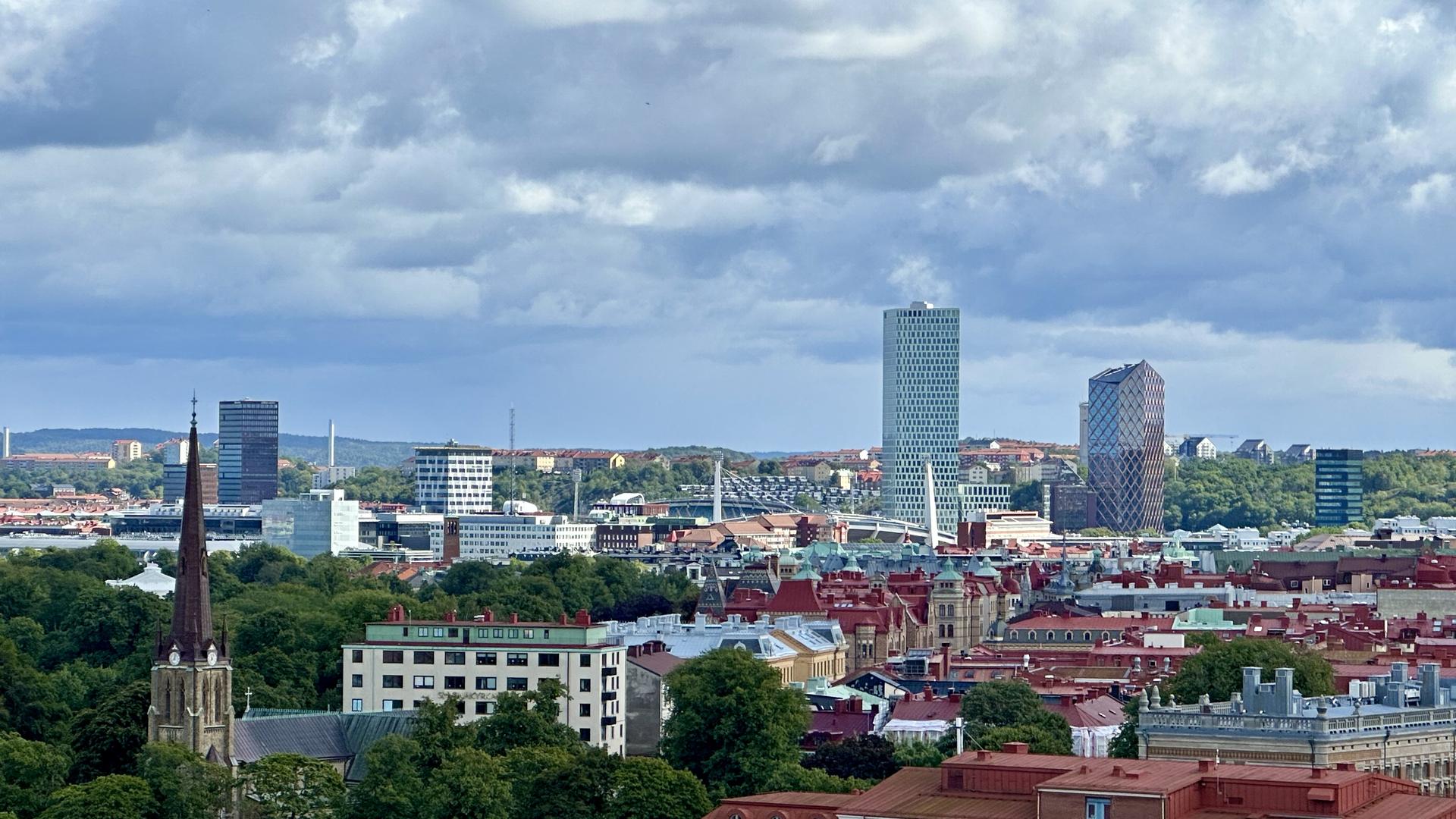
Looking beyond Tvärreds kyrkoruin? Discover Gotaland for broader travel guides, local hot-spots, and regional highlights.
Explore Gotaland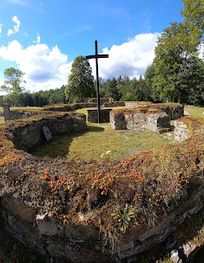
Medeltida kyrkoruin med tusenårig historia av bränder, bönder och baroner – en skogig oas av reflektion i Trollhättan.
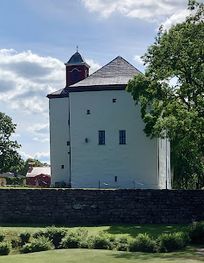
A compact medieval fortress turned Renaissance manor — intimate interiors, a 15th-century core and centuries of family continuity in Västergötland.