Hemsö Fortress, Vasternorrland Travel Guide
Descend into Sweden's vast Cold War bunker on Hemsön: nuclear-proof cannons, self-sustaining depths, and preserved secrets guarding the northern coast.
Hemsö Fortress, carved deep into the mountainside on Hemsön island, stands as Sweden's largest Cold War-era coastal defense installation. This underground complex, designed to withstand nuclear blasts, housed up to 340 personnel for months with self-sustaining facilities including cannons, living quarters, hospital, and command centers. Now a preserved museum, it offers guided tours revealing its strategic history protecting the Ångerman River estuary from potential Soviet threats. On-site café and restaurant enhance visits amid stunning coastal views.
A brief summary to Hemsö Fortress
- Älandsbro, 870 10, SE
- Click to display
- Click to display
- Duration: 1.5 to 3 hours
- Budget
-
 Mixed
Mixed
- Mobile reception: 4 out of 5
- Monday 11 am-5 pm
- Tuesday 11 am-5 pm
- Wednesday 11 am-5 pm
- Thursday 11 am-5 pm
- Friday 11 am-5 pm
- Saturday 11 am-5 pm
- Sunday 11 am-5 pm

Know before you go
Hi, I'm Eve. Here are a few practical things to know before exploring Hemsö Fortress.
- Book guided tours in advance during peak summer; they run every half hour and last about 1.5 hours, essential for underground access.
- Wear sturdy shoes for the path to gun placements and ramp descents; the terrain involves stairs and uneven surfaces.
- Combine with lunch at the on-site restaurant featuring local dishes; open daily alongside the café.
- Visit on weekdays to avoid weekend crowds; open 11am-5pm year-round.
Do you manage this location?
Take control to get all the benefits, like improved information, better appearance, and stronger visibility across AI-powered discovery. Learn more about listing your business on Evendo
Activate your presenceOther nearby places you may find interesting
The closest places of the same kind, if this one is not quite what you had in mind.


Explore Hemsö Fortress on the Map
A handpicked selection of must-see spots near Hemsö Fortress, mapped for you.
Getting There
-
Car
Drive from Härnösand center 20-25 minutes via bridge to Hemsön, following signs to fortress parking; free lots available including disabled spaces, but book ahead for pick-up shuttles if needed, around 100 SEK round-trip.
-
Bus
Take local bus from Härnösand station to Älandsbro stop 30-40 minutes, then 2 km walk or pre-booked taxi/shuttle 10 minutes; buses run hourly, fares 40-60 SEK, limited Sundays.
-
Boat
Dock at Hultom or Båthushamn guest harbors on Hemsön 15-25 minutes from open water, then pre-arrange shuttle pick-up 5-10 minutes to site; book 24 hours prior, suitable for fair weather only.
For the on-the-go comforts that matter to you
-
 Restrooms
-
 Drink Options
-
 Food Options
-
 Seating Areas
-
 Sheltered Areas
-
 Trash Bins
-
 Information Boards
Discover more about Hemsö Fortress
Strategic Birth Amid Rising Tensions
Conceived in the late 19th century to safeguard the Ångerman River's vital inlet, Hemsö Fortress took shape with Sweden's 1914 defense decision. Construction began in 1916 on Hemsön island, featuring early batteries like Dalom with 15 cm cannons blasted into the rock. By the 1920s, plans advanced amid naval depot developments in Gustavsvik, but the fortress entered reserve status until World War II reactivated it.The 1942 defense decision transformed it into Sweden's grandest fortress, bolstering northern coastal artillery with minefields and reinforcements. This era marked intense buildup to counter maritime threats to Härnösand's harbor and inland industries.Cold War Depths: Nuclear-Proof Engineering
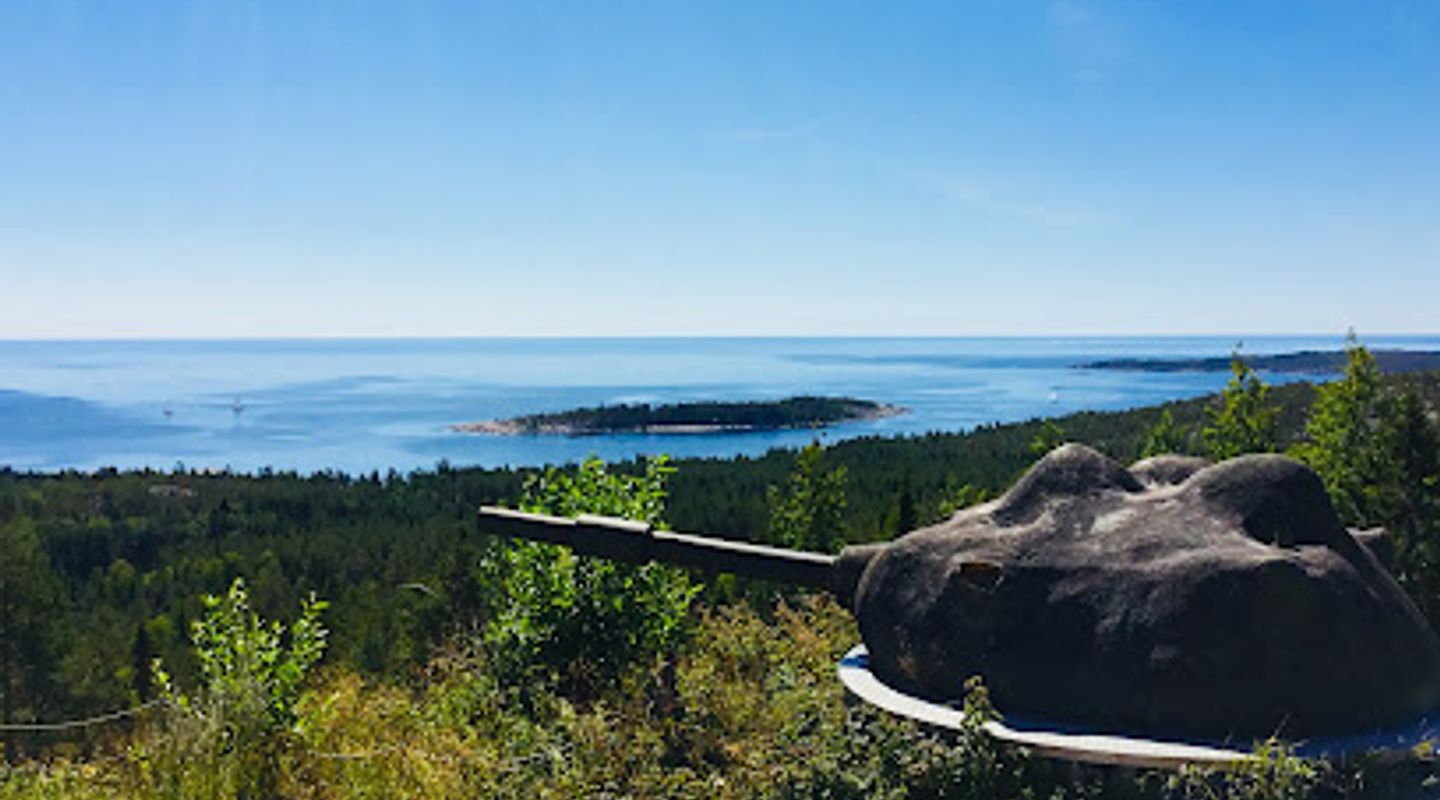
From the 1950s, Cold War paranoia drove massive expansion. The Storråberget heavy battery, built 1953-1957, delved 40 meters underground into bedrock, featuring three twin 15.2 cm cannon turrets with 22 km range. Lift shafts hoisted 46 kg shells to surface guns, while angled tunnels and airlocks guarded against nuclear, chemical, or biological attacks.Self-sufficiency defined the design: power stations, water purification, food stores for three months, technical workshops, administration rooms, a shop, hospital with operating theaters, and quarters for 340 personnel in compartmentalized 6-person rooms. Radar, laser rangefinders, and fire control centers enabled precise strikes, supplemented by anti-aircraft defenses and ground troop bunkers.Secret Batteries and Spy Shadows
Complementing Storråberget, the Havstoudd light battery (1961-1963) mounted 7.5 cm cannons, manned by 112 soldiers. Kläffsön's measurement station (1967-1968) enhanced targeting. Secrecy was paramount; Hemsön barred foreigners, yet Soviet spies like Stig Wennerström, involved in construction, and Stig Bergling leaked secrets.Decommissioned in 1989, the fortress preserved its era-frozen state: stocked rations, 1960s furnishings, medical props, and operational gear, evoking a hidden underground city ready for war.Island Defenses and Naval Legacy
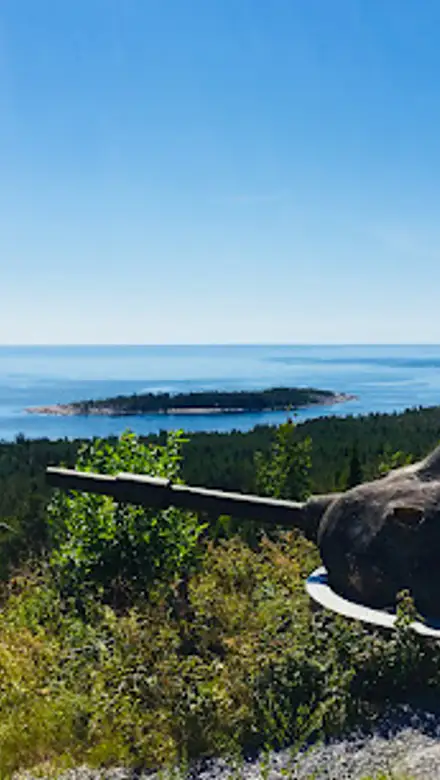
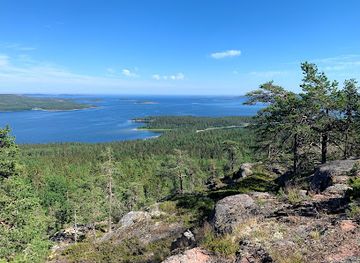
Early surface batteries evolved into subterranean fortresses, protecting against warships, submarines, and invasions. Gustavsvik's naval depot, with its deep-water dock still operational, underscored the site's maritime role. The fortress integrated missile flights and warships into a layered coastal barrier.Today, Storråberget hill offers panoramic sea views from gun emplacements, blending military relic with natural drama.Preserved Relic of Northern Vigilance
Hemsö Fortress encapsulates Sweden's Cold War posture: secretive, resilient, technologically advanced. Its intact tunnels and artifacts provide tangible insight into an island once shrouded in prohibition signs and utmost secrecy, now unveiled for exploration.












Your all‑in‑one travel companion app
Explore expert travel guides, compare and book tours, experiences, hotels, and more—all from the palm of your hand. Download now for seamless trip planning wherever your wanderlust takes you.


Explore More of Vasternorrland

Looking beyond Hemsö Fortress? Discover Vasternorrland for broader travel guides, local hot-spots, and regional highlights.
Explore Vasternorrland
Ascend to panoramic heights where Sweden's rising High Coast unfolds in forested splendor and island-dotted seas—a free, timeless viewpoint in Härnösand.
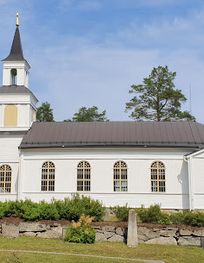
Tranquil wooden sanctuary on naval island Hemsön, blending spiritual peace with High Coast natural splendor and echoes of Sweden's maritime past.