Torkratern (The Tor Crater)
A compact, circular hollow near Funäsdalen—mystery of a possible meteorite impact or a post‑glacial dead‑ice hollow set in quiet mountain woodland.
Torkratern is a small circular depression in the moraine at Torbygget near Funäsdalen, long interpreted as a post‑glacial meteorite impact crater but recently reconsidered as a dead‑ice (dödis) hollow. Roughly 40–44 metres across and about 5 metres deep, the shallow bowl sits within forest and heath, ringed by a low rim and an interpretive sign—an intriguing geological curiosity that blends local natural history with the quiet atmosphere of Härjedalen.
A brief summary to The Tor Crater
- THORBYGGET 135, Funäsdalen, 840 95, SE
- Click to display
- Duration: 0.25 to 1 hours
- Free
-
 Outdoor
- Mobile reception: 3 out of 5

Know before you go
Hi, I'm Eve. Here are a few practical things to know before exploring The Tor Crater.
- The crater is small—bring sensible footwear for a short uneven forest path and respect fragile vegetation by staying on the track.
- There’s an information panel on site; take time to read both the meteorite and dead‑ice interpretations to appreciate the scientific debate.
- Early morning or late afternoon light brings out subtle textures in the rim and inner slopes—good for close‑up photos.
Do you manage this location?
Take control to get all the benefits, like improved information, better appearance, and stronger visibility across AI-powered discovery. Learn more
Activate your presenceOther nearby places you may find interesting
Getting There
-
Driving to site
Private car from Funäsdalen village: typical drive time is 10–20 minutes depending on starting point; route uses rural mountain roads with limited services and winter snow clearance may affect travel in the colder months. There is a small roadside parking area near the trailhead; parking is free but spaces are limited at peak season.
-
Local bus + short walk
Regional bus services that run between Funäsdalen and nearby settlements stop at road‑84 bus halts; from a nearby halt expect a 10–20 minute walk on a short forest path to reach the crater. Bus frequency varies seasonally—winter timetables are reduced—so check the local timetable before travelling; a single bus fare in the region is typically modest (local currency).
-
Park‑and‑walk
Park at the marked layby beside the main road (ample space for several cars) then follow a short, uneven trail of roughly 5–15 minutes through woodland to the rim; the path is not fully paved and may be slippery after rain or snow, so sturdy footwear is recommended.
For the on-the-go comforts that matter to you
-
 Seating Areas
-
 Information Boards
-
 Trash Bins
Discover more about The Tor Crater
An unusual hollow in the forest
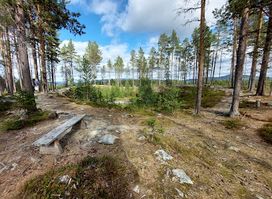
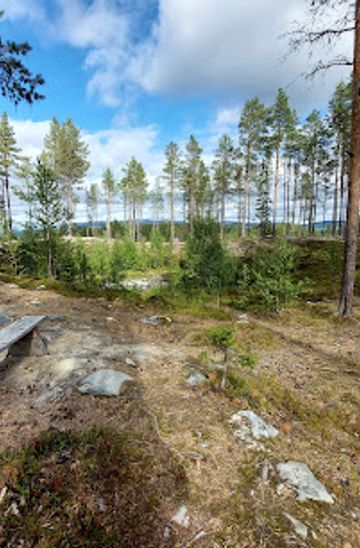
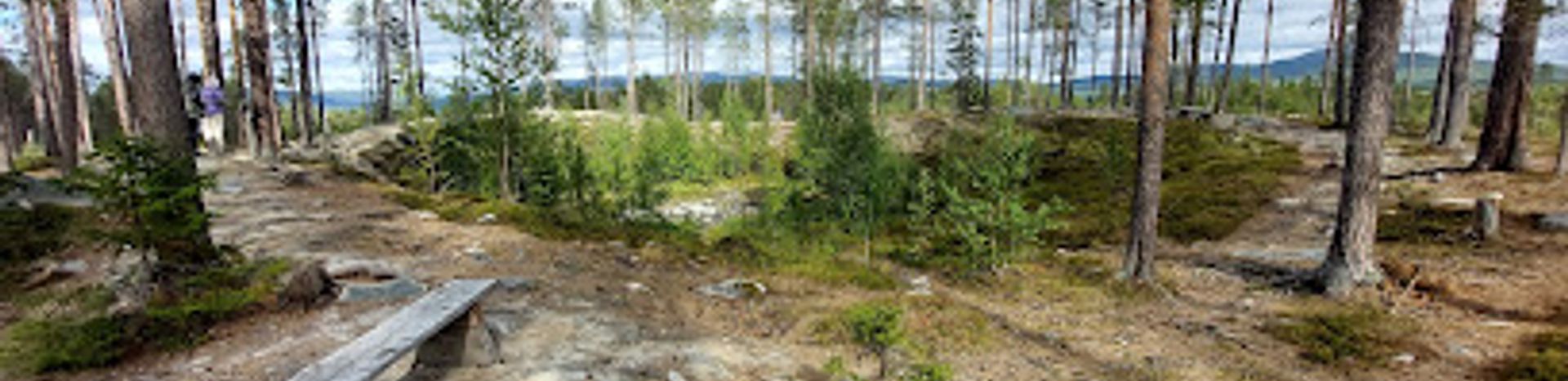
Torkratern appears as a neat circular dip set into the moraine at Torbygget, a short distance southeast of Funäsdalen. The feature is compact—around forty to forty‑four metres in diameter and roughly five metres deep—and is framed by a low raised rim and a scattering of small depressions nearby. At a glance it reads as a simple bowl in the woodland floor, but its tidy geometry and the surrounding raised edge give it an unmistakable, almost artificial presence in the hushed mountain landscape.From meteorite to dead‑ice story
For decades Torkratern has been discussed as a probable meteorite crater formed after the last ice age; field studies in the 1990s supported that interpretation and radiocarbon dating of organic material placed the feature at a few thousand years old. More recently the origin story has been reinterpreted by some researchers: rather than an extraterrestrial impact, the depression may be a so‑called dödisgrop — a hollow left where a block of buried ice melted out within a glacial lake or moraine. Either explanation emphasises the site’s value as a witness to late‑Quaternary processes that shaped the Härjedalen uplands.What you’ll notice on site
Approach the rim and you’ll first hear the soft hush of the forest and the distant mountain wind; the crater itself sits recessed below the tree line, with a gentle path and seating on the rim and an information panel explaining the feature’s significance. Vegetation changes subtly between the rim and the hollow — mosses and heather on the raised edge, a slightly different mix of shrubs and grasses within the depression — reflecting microclimate and soil depth differences caused by the hollow’s formation and age.Landscape context and scale
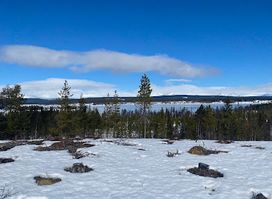
Torkratern is modest in scale compared with the dramatic mountain scenery that surrounds Funäsdalen, but that smallness is part of its charm. The crater sits in a quiet patch of mixed boreal forest and mountain meadows, with views that call the greater glacial history of the region to mind: rounded ridges, hummocky moraines and lakes formed by retreating ice. The site’s compact size means inspection takes little effort, yet it rewards attention with a layered story linking geology, climate and time.Scientific and cultural notes
Whether regarded as an impact structure or as a dead‑ice hollow, Torkratern is interesting because it is young in geological terms — radiocarbon work has put its age in the several‑thousand‑year range — and because similar post‑glacial landforms are rare in Sweden’s modern landscape. The feature has drawn local interest and occasional field investigations; an onsite information board summarises the differing interpretations and encourages visitors to consider how scientists read the landscape for clues to past processes.Visiting with respect
The crater is a small, fragile piece of the upland environment. There is a short trail from a nearby parking area and a modest number of interpretive signs and benches on the rim. Vegetation and soils around the depression are sensitive; avoid trampling the inner slopes and stick to established paths and seating. Observing quietly — listening to bird song, the scraping of wind in the trees and the soft footfall of grouse or small mammals — enhances the sense of encountering a subtle, ancient trace of the ice age in a lived mountain landscape.Explore the best of what The Tor Crater has to offer













More about Harjedalen
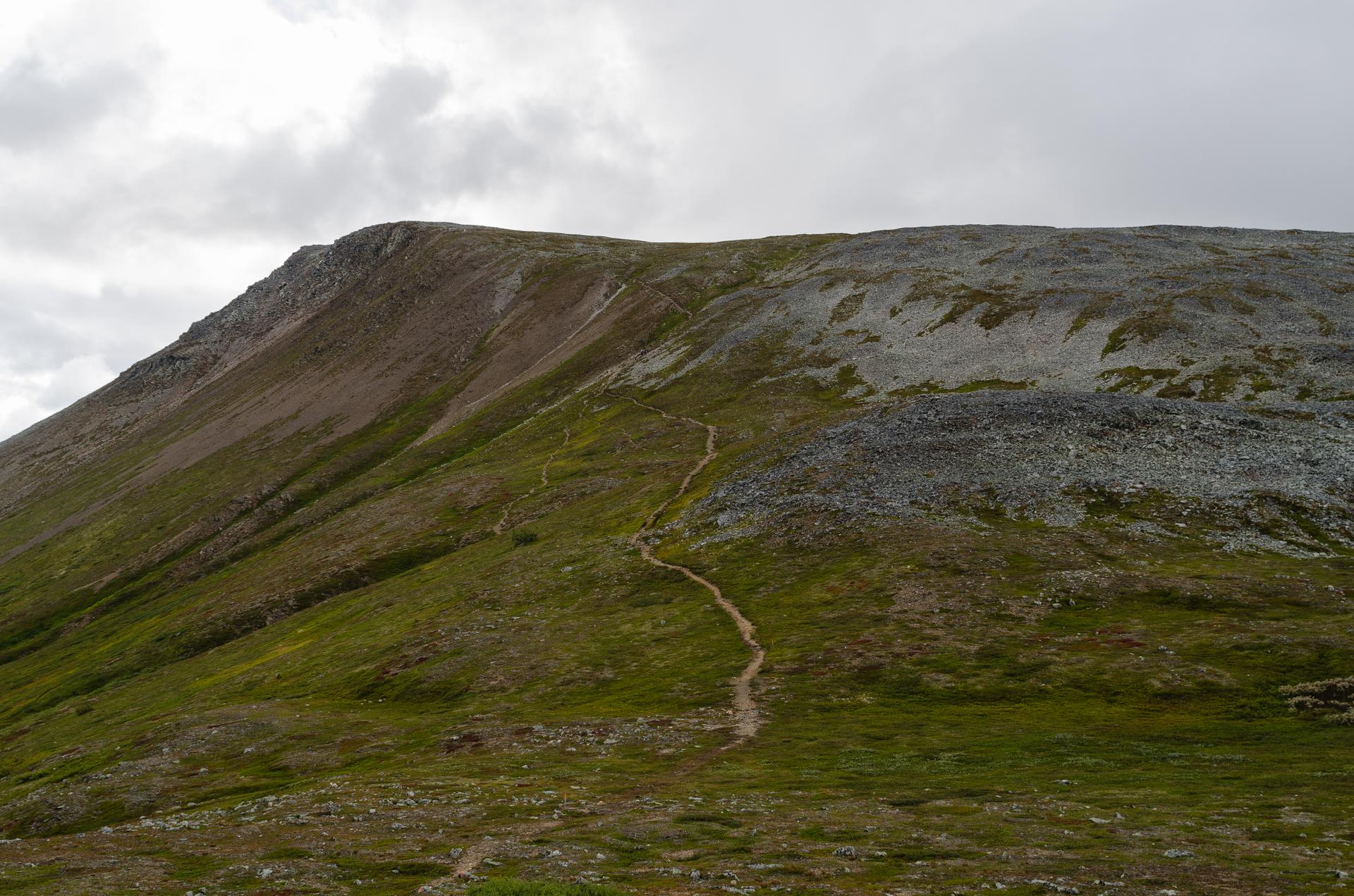
Explore Härjedalen: Sweden's untouched wilderness, offering year-round adventure and serene landscapes, perfect for nature lovers and thrill-seekers alike.
Tell me more about Harjedalen