

Free Härjedalen Travel Guide & Mobile App
Explore Härjedalen with free travel guides. Discover regional history, expert tips, proposed trips, and audio guides on web or mobile app.


Explore Härjedalen's Swedish mountains, forest valleys, Sámi culture, national parks and year-round outdoor adventures from Sveg to Funäsfjällen.
Read more about Härjedalen
When is the best time to visit Härjedalen?
Best: June–August · 18–20°C| Month | High (°C) | Rainfall (mm) |
|---|---|---|
| January | -5 | 40 |
| February | -4 | 35 |
| March | 1 | 35 |
| April | 7 | 35 |
| May | 13 | 45 |
| June (best) | 18 | 50 |
| July (best) | 20 | 60 |
| August (best) | 19 | 60 |
| September | 15 | 50 |
| October | 8 | 45 |
| November | 1 | 40 |
| December | -3 | 40 |
Getting to and around Härjedalen
How to get there
Transportation
Top city travel guides in Härjedalen
The cities of Härjedalen, and the easiest places to base yourself.

Swipe for more cities
Destinations in Härjedalen
Resorts, valleys and scenic spots worth a trip of their own.
-

-

-


Swipe for more destinations
Best attractions in Härjedalen
Härjedalen's attractions are rooted in open space and outdoor access rather than a concentration of large museums or urban sights. Sonfjället National Park provides marked walking routes through birch woodland and upland terrain, with opportunities for wildlife observation and far-reaching views. Funäsfjällen, including Funäsdalen, Tänndalen, Ramundberget and Bruksvallarna, is a major year-round base for alpine skiing, cross-country skiing, hiking and cycling. Vemdalen and Lofsdalen offer further networks of pistes, trails, lakes and family-oriented mountain activities. Around Sveg and the river valleys, visitors can explore local history, traditional farm environments and forest landscapes. Fäbodar, old farmsteads and seasonal cultural sites explain how communities managed livestock and food production, while fishing, canoeing, snowshoeing and guided wildlife tours provide quieter ways to experience the countryside. The region's Sámi heritage is best approached through respectful, locally led interpretation rather than through assumptions about traditional life. Long-distance routes and high roads such as Flatruet are attractions in their own right, but access is seasonal and weather dependent. The variety lies in moving between forest, agricultural valley, open plateau and mountain resort, with each landscape suited to different activities and seasons.
-
Local history museum
Jamtli
Three museums in one place — regional history, open‑air living history and rotating Nationalmuseum exhibitions in the heart of Östersund.
-
Tourist attraction
Fulufjället National Park
A high, stone‑topped wilderness of waterfalls, ancient spruce and wide, solitary panoramas on the Sweden–Norway border.
-
Tourist attraction
Njupeskär Waterfall
Sweden's tallest free-falling waterfall roars 70 meters into a misty canyon, surrounded by Fulufjället's wild moors and ancient forests—a raw spectacle of nature's force.
-
Ski resort
Vemdalsskalet
A compact, family-friendly Swedish mountain village with express lifts, varied pistes and a lively après-ski centre clustered around Skalets Torg.

Best landmarks in Härjedalen
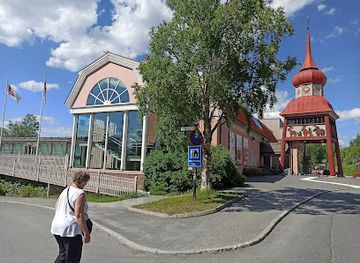
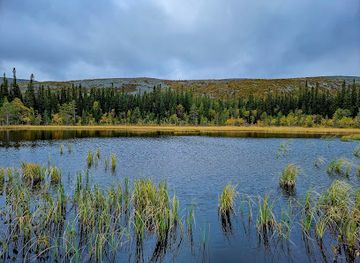
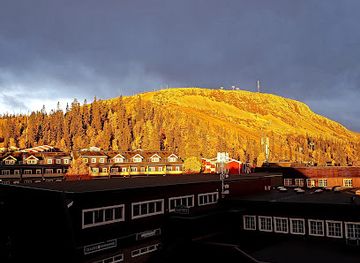
Sonfjället is Härjedalen's most recognisable natural landmark, a broad mountain massif rising distinctly above surrounding forests and protected within Sweden's national-park system. In the west, the open uplands around Flatruet create a powerful sense of scale, with the high road crossing exposed terrain between mountain communities when seasonal conditions allow. The Härjedalen valleys are marked by traditional farm clusters, timber buildings, hay meadows and fäbodar, physical reminders of a livestock economy adapted to a short growing season. Sveg's position at the meeting of roads and river landscapes gives it regional importance as a service and transport centre, while the mountain villages of Funäsdalen, Tänndalen, Ramundberget and Bruksvallarna express the settled edge of the high country. The Ljusnan river and its associated valleys have shaped farming, forestry, settlement and travel through the interior. Sámi cultural landscapes in the western mountains are also significant, although their importance cannot be reduced to a single monument: reindeer-herding routes, seasonal use and contemporary community life remain part of a living landscape that visitors should approach with care.
-
Scenic spot
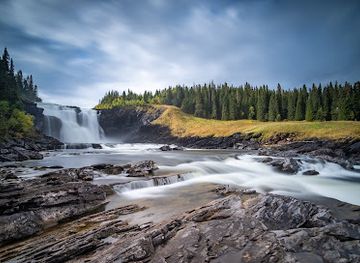
Tannforsen Waterfall
Sweden's widest waterfall roars across 60 meters, plunging 38 meters in a seasonal spectacle of power, ice, and mist—preserved forever in Jämtland's wild heart.
-
Tourist attraction
Flatruetvägen (Sveriges högsta vägpunkt)
Drive into Sweden's high frontier on Flatruetvägen, the nation's loftiest public road, where vast plateaus meet jagged peaks under skies of endless drama.
-
Restaurant
Fjällnäs Est. 1882
Sweden's pioneering fjällhotell since 1882: wilderness luxury on Lake Malmagen's edge, where history, spa serenity, and seasonal Nordic feasts awaken the senses in pristine isolation.
-
Tourist attraction
Rombovallen
Whispers of medieval pilgrims echo at Rombovallen, a soul hut burial ground on Sweden's ancient Romboleden trail amid Lofsdalen's majestic mountains.
Explore Härjedalen on the map
Plan your trip on one map. See where the top cities, national parks and sights are, and book hotels and experiences in a few clicks.
Best hotels in Härjedalen
Best restaurants in Härjedalen
Dining in Härjedalen reflects the resources of a northern inland region, with menus often drawing on game, freshwater fish, locally reared meat, potatoes, root vegetables, berries and mushrooms. Reindeer and elk may appear in restaurants and shops, while trout and other freshwater fish are associated with the region's lakes and rivers. In the mountain resorts, restaurants and cafés range from relaxed daytime venues to more ambitious dining rooms, with winter visitors particularly well served in Funäsfjällen, Vemdalen and Lofsdalen. Sveg provides the broadest everyday choice of cafés, bakeries and practical restaurants, while rural inns and accommodation-based dining are important in smaller communities. Look for cloudberries, bilberries, lingonberries, regional cheeses and traditional breads in farm shops or seasonal food outlets. Local markets and producers can offer a more direct connection to the landscape, but availability changes with the season. Swedish coffee breaks, known as fika, remain an easy way to sample pastries and baked goods between outdoor activities.
-
Restaurant
Restaurang Tre Rum
A roomy, homely restaurant on Prästgatan serving steady Swedish and international dishes from lunch through late-night dining.
-
Restaurant
Dalwhinnie
Östersund's whisky-infused haven blending Scottish pub soul with Jämtland's wild reindeer and forest flavors for unforgettable evenings.
-
 Restaurant
Härjedalspizza - Vemdalen
Sizzling pizzas infused with Härjedalen's wild flavors—smoked elk, reindeer, and cloudberries on crisp crusts in Vemdalen's cozy heart.
-
Restaurant
Sjöstugan
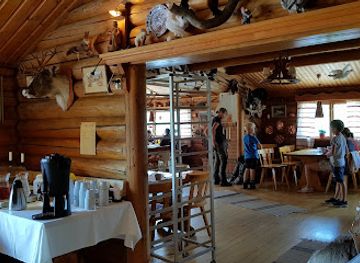
Cozy lakeside cabins, café comforts, and mountain adventures await at Sjöstugan, where Sweden's fjäll wilderness meets heartfelt Swedish hospitality.
Best bars in Härjedalen
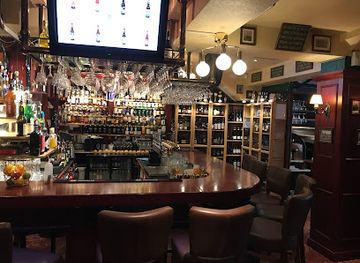
Härjedalen's evening life is modest and dispersed, with the strongest seasonal activity found in the mountain resorts. In Funäsfjällen, Vemdalen and Lofsdalen, visitors can find hotel bars, pubs, après-ski settings and occasional live music during the winter season, although opening arrangements and entertainment vary from year to year. Sveg has the region's most substantial permanent selection of pubs, restaurants and social venues, but it is not a major late-night clubbing centre. In smaller mountain and forest communities, evenings generally revolve around restaurants, cafés, accommodation common rooms and local gatherings rather than dedicated nightclubs. Breweries, spirits and regional drinks may appear on drinks lists, yet alcohol is not central to every visitor's experience. Those seeking a quieter evening can choose a fireside meal, a sauna, a winter-sky excursion or a summer sunset in the mountains, subject to local access and weather conditions.
-
Restaurant
Café Loftet
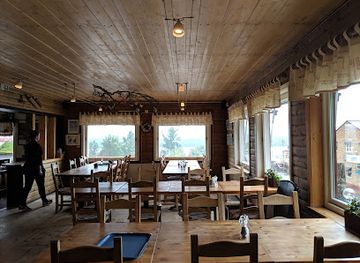
Experience the flavors of Sweden at Café Loftet, Funäsdalen's cozy bistro offering delicious local cuisine and stunning mountain views.
-
Restaurant
Linsell Baren Restaurang
Explore the culinary delights of Linsell Baren Restaurang in Sveg, where Swedish tradition meets a cozy dining atmosphere.
-
Bar
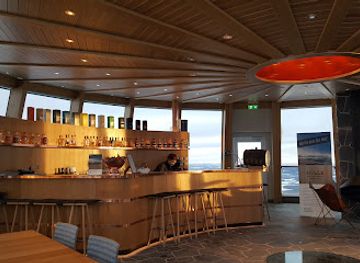
Mackmyra Skybar i Lofsdalen
Mountaintop Mackmyra whiskey and 360° vistas at 1,125m—Lofsdalen's ultimate sky-high sip with panoramic Swedish mountain magic.
-
Bar
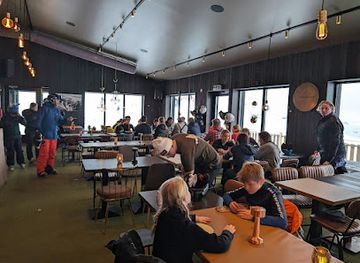
Toppen
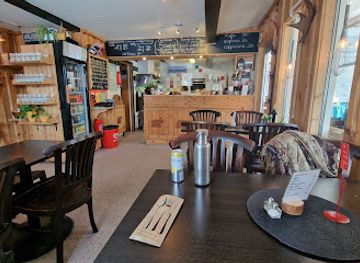
A bright, no‑fuss ski‑side bar and café at Vemdalsskalet offering hearty lunches, fika and wide mountain views for skiers and day visitors.
Best nightclubs in Härjedalen
Härjedalen's evening life is modest and dispersed, with the strongest seasonal activity found in the mountain resorts. In Funäsfjällen, Vemdalen and Lofsdalen, visitors can find hotel bars, pubs, après-ski settings and occasional live music during the winter season, although opening arrangements and entertainment vary from year to year. Sveg has the region's most substantial permanent selection of pubs, restaurants and social venues, but it is not a major late-night clubbing centre. In smaller mountain and forest communities, evenings generally revolve around restaurants, cafés, accommodation common rooms and local gatherings rather than dedicated nightclubs. Breweries, spirits and regional drinks may appear on drinks lists, yet alcohol is not central to every visitor's experience. Those seeking a quieter evening can choose a fireside meal, a sauna, a winter-sky excursion or a summer sunset in the mountains, subject to local access and weather conditions.
-
Night club
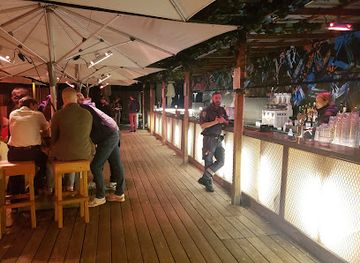
Trädgår'n
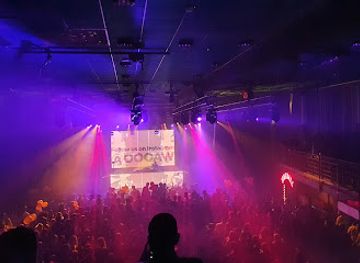
A flexible, high-ceilinged entertainment hub — restaurant by day, concert hall and nightclub by night, with a leafy summer terrace.
-
Night club
Park Lane
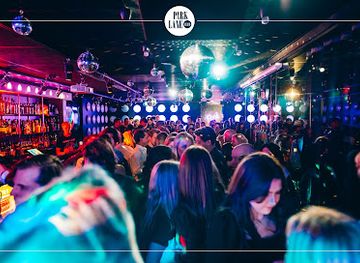
Gothenburg's premier krogshow and nightclub fusion: dinner theater magic transitions to pulsating dancefloor energy on vibrant Kungsportsavenyen.
-
Night club
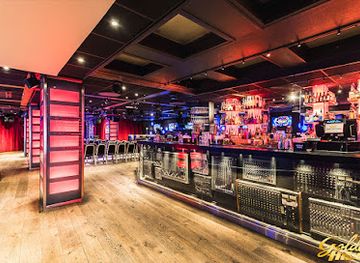
Golden Hits
A theatrical multi-level club on Kungsgatan combining dinner, live acts, karaoke and three dancefloors for a party that moves from showtime to late-night dancing.
-
Night club
Slakthuset
Raw industrial nightclub in Stockholm's slaughterhouse district: techno beats, rooftop terrace, and Berlin-style vibes near Globen.
Best shops in Härjedalen
Shopping in Härjedalen is practical and locally focused, with the widest everyday choice in Sveg and smaller selections in the mountain settlements. Funäsdalen and neighbouring resort villages have shops selling outdoor clothing, equipment, souvenirs, locally made crafts and supplies for hiking or skiing. Farm shops, bakeries and seasonal producers are good places to look for berry preserves, smoked or cured foods, cheeses, honey and other regional products, although opening arrangements can be seasonal. Craft traditions may include woodwork, textiles, leather goods and mountain-inspired designs, while galleries and small studios sometimes provide locally made alternatives to mass-produced souvenirs. Markets and food events vary by place and season, so visitors should check locally rather than rely on a permanent weekly schedule. In remote districts, stock up on essentials before travelling into the mountains, where retail choices may be limited and focused on outdoor equipment and accommodation needs.
-
National park
Fulufjället National Park
Discover Sweden's highest waterfall, the world's oldest tree, and 140 km of trails in this pristine mountain wilderness on the Sweden-Norway frontier.
-
Grocery store
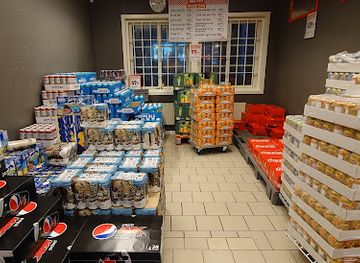
ICA Supermarket Funäsdalen
The reliable, well-stocked village supermarket on Rörosvägen — practical groceries, local specialties and long opening hours for mountain visitors.
-
Clothing store
Ekbergs Fiske & Fritid AB
Vemdalen's essential outfitter for fishing, hunting, and mountain adventures—gear up with local expertise and handmade Luddor boots in Härjedalen's winter sports heart.
-
Building materials store
AB Karl Hedin Bygghandel
A compact, service‑focused building‑materials outlet in Vemdalen supplying timber, tools and practical advice for local projects.


Get your free copy of our complete guide to Härjedalen, delivered straight to you.
Everything on this page, from attractions and restaurants to essentials and local phrases, in one PDF you can read offline, print or share.
Already have an account? Sign in
Your Härjedalen guide is ready.
We'll send it to · Not you? Sign out

Getting your guide ready…
We are putting together a fresh copy of the Härjedalen guide. This can take up to a minute.
This can take a few moments. If your browser asks, choose Allow so the download can start. You'll find the guide in your Downloads folder.
Nothing happened? Download it again
Sorry, the guide is taking longer than usual. Please try again in a minute, or get it by email instead.
Härjedalen essentials
Currency and Payment
Safety
Emergency Situations
Do's and Don'ts
Local Tips
From Eve
Local phrases worth knowing
You don't need to get them perfect. A few words go a long way, and locals appreciate the effort.
Basics
| English | Local | Say it |
|---|---|---|
| Hello | Hej | [Hay] |
| Goodbye | Hej då | [Hay daw] |
| Yes | Ja | [Yah] |
| No | Nej | [Nay] |
| Please/You're welcome | Varsågod | [Var-sho-good] |
| Thank you | Tack | [Tack] |
| Excuse me/Sorry | Ursäkta | [Ur-sek-ta] |
| How are you? | Hur mår du? | [Hur mohr doo] |
| Fine. And you? | Bra. Och du? | [Bra. Ohk doo] |
| Do you speak English? | Talar du engelska? | [Tah-lar doo eng-els-ka] |
| I don't understand | Jag förstår inte | [Yahg for-stor in-teh] |
Eating & Drinking
| English | Local | Say it |
|---|---|---|
| I'd like to see the menu, please | Jag skulle vilja se menyn, tack | [Yahg skool-leh vil-ya seh meh-nun, tack] |
| I don't eat meat | Jag äter inte kött | [Yahg eh-ter in-teh shutt] |
| Cheers! | Skål! | [Skawl!] |
| I would like to pay, please | Jag skulle vilja betala, tack | [Yahg skool-leh vil-ya beh-tah-la, tack] |
Emergencies
| English | Local | Say it |
|---|---|---|
| Help! | Hjälp! | [Yelp!] |
| Go away! | Gå bort! | [Gaw bort!] |
| Call the Police! | Ring polisen! | [Ring po-lee-sen!] |
| Call a doctor! | Ring en läkare! | [Ring en leh-ka-reh!] |
| I'm lost | Jag är vilse | [Yahg air vil-seh] |
| I'm ill | Jag är sjuk | [Yahg air shook] |
Shopping
| English | Local | Say it |
|---|---|---|
| I'd like to buy... | Jag skulle vilja köpa... | [Yahg skool-leh vil-ya shur-pa...] |
| I'm just looking | Jag tittar bara | [Yahg tit-ar bar-ah] |
| How much is it? | Hur mycket kostar det? | [Hur my-ket kos-tar deh] |
| That's too expensive | Det är för dyrt | [Deht air fur deert] |
| Can you lower the price? | Kan du sänka priset? | [Kan doo sen-ka pree-set] |
Time & Numbers
| English | Local | Say it |
|---|---|---|
| What time is it? | Vad är klockan? | [Vad air klok-an?] |
| It's one o'clock | Klockan är ett | [Klok-an air ett] |
| Half past (10) | Halv (10) | [Halv (ten)] |
| Morning | Morgon | [Mor-gon] |
| Afternoon | Eftermiddag | [Ef-ter-mid-dahg] |
| Evening | Kväll | [Kvell] |
| Yesterday | Igår | [I-gore] |
| Today | Idag | [I-dahg] |
| Tomorrow | Imorgon | [I-mor-gon] |
| 1 | 1 | [1] |
| 2 | 2 | [2] |
| 3 | 3 | [3] |
| 4 | 4 | [4] |
| 5 | 5 | [5] |
| 6 | 6 | [6] |
| 7 | 7 | [7] |
| 8 | 8 | [8] |
| 9 | 9 | [9] |
| 10 | 10 | [10] |
Transport & Directions
| English | Local | Say it |
|---|---|---|
| Where's a/the...? | Var är en/ett...? | [Var air en/ett...?] |
| What's the address? | Vad är adressen? | [Vad air a-dress-en?] |
| Can you show me (on the map)? | Kan du visa mig (på kartan)? | [Kan doo vee-sah may (poh kar-tan)?] |
| When's the next (bus)? | När går nästa (buss)? | [Nair gor nes-ta (boos)?] |
| A ticket (to ....) | En biljett (till ...) | [En bil-yett (til ...)] |
History of Härjedalen
Early hunting, fishing and seasonal movement
People have used Härjedalen's forests, lakes and mountain plateaux since prehistoric times, following seasonal patterns of hunting, fishing and gathering. The region contains traces of ancient settlement and extensive systems of hunting pits, which illustrate organised use of woodland and upland environments over long periods. Rather than forming a densely settled agricultural landscape, early Härjedalen was shaped by mobility and detailed knowledge of rivers, grazing grounds and wildlife. The surviving archaeological evidence provides an important context for understanding the region's later farming, Sámi and mountain economies.
Medieval settlement and Christian influence
Permanent farming communities expanded in Härjedalen during the medieval period, especially in the river valleys where soils and hay meadows supported livestock. Christianity brought parish organisation, churches and new connections with neighbouring settlements in Norway and Jämtland. Farms remained scattered and communities were constrained by a short growing season, making hay production and animal husbandry more important than grain cultivation alone. Medieval and later settlement patterns can still be read in several valleys, where traditional farm buildings and open meadows contrast with the surrounding forest.
Härjedalen under Norwegian rule
For centuries Härjedalen was politically connected to Norway, although the population maintained local economic and social relationships across the mountain border. The region's position between Norwegian and Swedish spheres influenced trade, administration and church connections. The Treaty of Brömsebro in 1645 transferred Härjedalen, together with Jämtland, to Sweden. This change did not erase older links across the mountains, and cross-border movement, family connections and seasonal economic relationships continued to shape local life.
Farming, fäbodar and mountain communities
Traditional agriculture in Härjedalen depended heavily on livestock, haymaking and the seasonal use of fäbodar. During summer, animals were moved to outlying grazing settlements so that meadowland near the main farms could be conserved for winter fodder. Women often played central roles in the work of these seasonal settlements, including dairying and food preservation. The system declined as agriculture modernised, but surviving buildings, meadow management and local traditions preserve an important record of how people made a living in a demanding inland climate.
Forestry and the timber economy
From the nineteenth century onwards, forestry became increasingly important to Härjedalen's economy. Timber extraction, river transport and later mechanised haulage connected remote forests with sawmills and wider Swedish markets. Forestry brought employment and infrastructure but also altered landscapes and settlement patterns. Sveg developed as a regional service and transport centre, while roads and rail connections helped integrate the interior with the national economy. Forest management remains a major part of the region's contemporary identity, alongside growing tourism and outdoor recreation.
Sámi life and reindeer herding
Sámi communities have long used the mountain and forest landscapes of Härjedalen, and reindeer herding remains a living part of the region's cultural and economic life. The Mittådalen and Ruvhten Sijte communities are associated with reindeer husbandry in the western part of Härjedalen. Their presence reflects land-use systems that extend across administrative and national borders and coexist with tourism, forestry and other activities. Visitors encounter a contemporary culture with its own rights, knowledge and institutions, not simply a historical theme.
Railways, mountain tourism and the modern region
Improved roads and rail connections in the late nineteenth and twentieth centuries made Härjedalen more accessible to visitors, workers and goods. Mountain tourism developed gradually around skiing, hiking and summer health travel, later expanding into the resort areas of Funäsfjällen, Vemdalen and Lofsdalen. New infrastructure brought employment and seasonal economies while leaving much of the region sparsely populated. Today Härjedalen combines older forestry and farming traditions with a tourism sector based on outdoor recreation, protected landscapes and mountain accommodation.
Härjedalen in Photos
Browse through our photo collection highlighting the charm and character of the destination.
Neighbouring regions of Härjedalen
The closest regions to Härjedalen, if you have time for more than one.
-

-

-

-

-


Swipe for more regions
Explore more
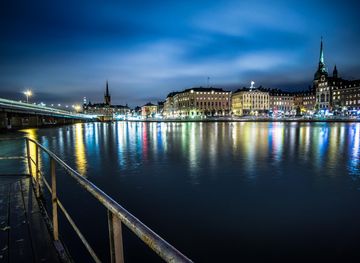
Explore more of Sweden
Discover Sweden's breathtaking landscapes, vibrant cities, and rich cultural heritage. From the Northern Lights to historic castles, experience the essence of Scandinavia.
Explore Sweden