

Fischerei-Museum Travel Guide
Free Guide: A small Zug museum on the lakeshore, where fishing history, aquariums, and a show hatchery explain the town’s long link to Lake Zug.


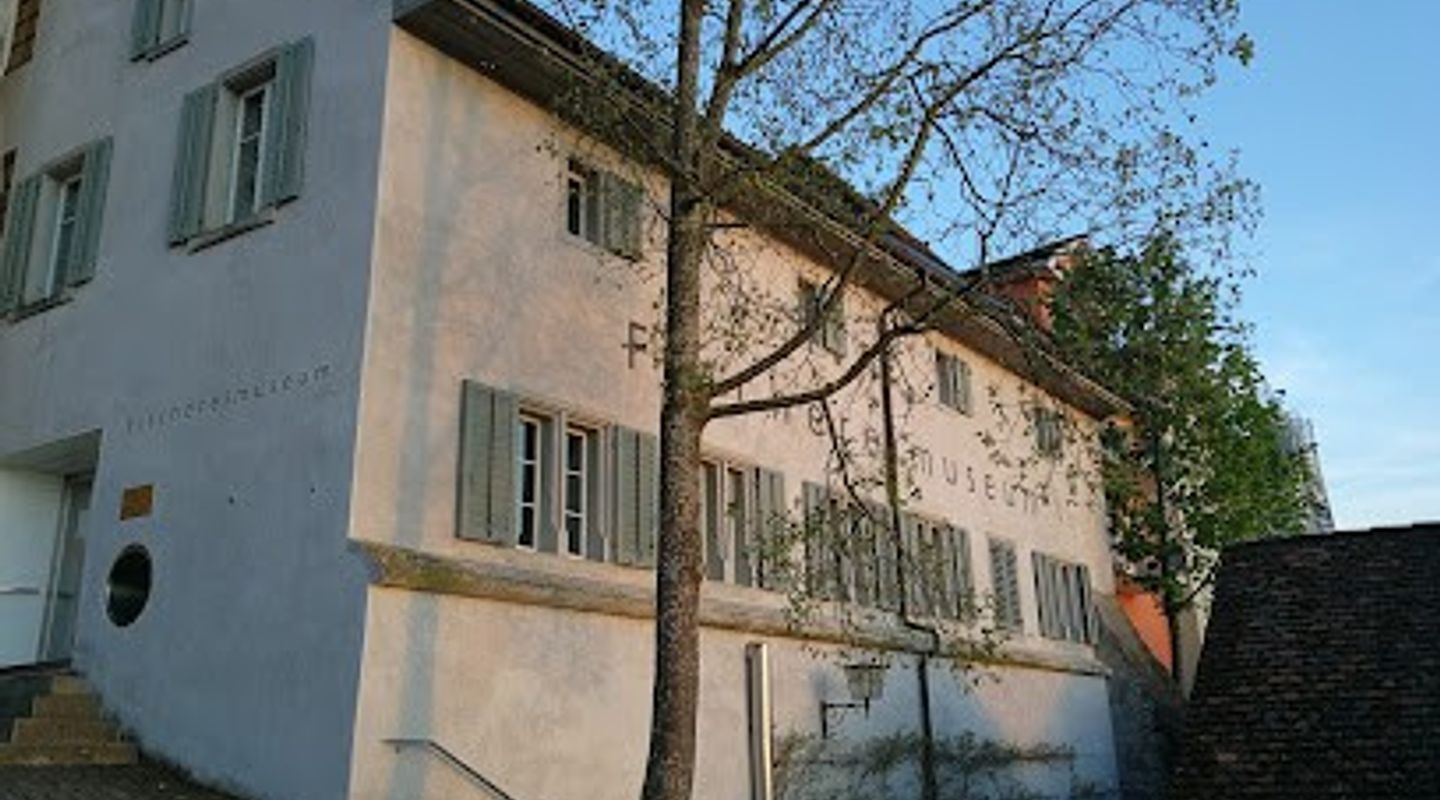
A brief summary of Fischerei-Museum
A small Zug museum on the lakeshore, where fishing history, aquariums, and a show hatchery explain the town’s long link to Lake Zug.
In Zug’s old town, right by the lake, Fischerei-Museum is a small specialist museum focused on the city’s fishing heritage and Lake Zug ecology. Expect a short, low-key visit: compact displays on fishing around 1900, a show hatchery, aquariums, and material on local fish species such as the Zug Rötel. It is an easy weather-proof stop between waterfront walks and old-town sightseeing.
On-site amenities
 Restrooms
 Seating areas
 Sheltered areas
 Information boards
- Address
- Unter Altstadt 14 Zug
- Phone
- Website
Getting there
On foot
Public transport
Cycling
By car
Discover more about Fischerei-Museum
What it is
Fischerei-Museum is a small specialist museum in central Zug devoted to the town’s fishing culture and the living ecology of Lake Zug. It is not a broad civic museum; the focus is narrow, practical, and local, with displays that explain how fishing worked around 1900 and why the lake mattered to the town’s economy and daily life.The museum’s most distinctive feature is its show hatchery, which ties the exhibition to the water outside rather than treating fishing as a purely historical subject. Aquariums and interpretive material on lake species, including the Zug Rötel, add a biological layer to the story.
Setting and atmosphere
The museum sits in Zug’s old town on the lakeshore, so the setting is urban and waterfront rather than remote or scenic in a grand sense. Narrow historic streets are close by, but the immediate feel is calm and compact. This is a place for a short, focused stop rather than a long museum session.Because much of the visit is indoors, the experience stays steady in rain, cold, or wind. The lakeside location still matters: you arrive with the water just outside, and that connection shapes the whole visit. It feels more like a local specialist collection than a formal institution built for crowds.
What you see and how the visit unfolds
A typical visit begins with the historical exhibition, where the emphasis is on fishing methods, local practice, and the relationship between Zug and the lake. From there, the hatchery and aquariums bring the subject into the present tense. The sequence is straightforward and easy to follow, even for visitors without specialist knowledge.The museum is best suited to travellers who like concrete local history, families with school-age children, and anyone looking for a brief indoor stop between other sights. It is educational without being heavy, and visual enough to hold attention without requiring a long visit.
Practical expectations
Plan on a short stay. Most visitors will spend enough time to browse the displays and hatchery at an unhurried pace, then move on to the old town or the waterfront. Facilities appear limited, so it is sensible to treat this as a compact cultural stop rather than a full outing.Public transport access is straightforward because the museum is in central Zug, and the final approach on foot is flat and easy. Cycling is also realistic in the city center. Driving is less convenient in the old town, where parking is more limited. The museum works well as part of a half-day in Zug, especially when combined with a lakeside walk or nearby heritage sights.
Evendo Review Centre
 Google
Guest reviews
Best time to go
Quietest: Jan, Feb & Dec · before 9am or from 6pm
Busy times are Evendo estimates for a typical year, to help you plan. Actual crowds vary with events, school holidays and the weather.
Explore Fischerei-Museum on the map
A handpicked selection of must-see spots near Fischerei-Museum, mapped for you.
Get your free copy of our complete guide to Fischerei-Museum, delivered straight to you.
Everything on this page, from opening hours and how to get there to Eve’s tips and the best time to go, in one PDF you can read offline, print or share.
Already have an account? Sign in
Your Fischerei-Museum guide is ready.
We'll send it to · Not you? Sign out

Getting your guide ready…
We are putting together a fresh copy of the Fischerei-Museum guide. This can take up to a minute.
This can take a few moments. If your browser asks, choose Allow so the download can start. You'll find the guide in your Downloads folder.
Nothing happened? Download it again
Sorry, the guide is taking longer than usual. Please try again in a minute, or get it by email instead.
Other nearby places you may find interesting
The closest places of the same kind, if this one is not quite what you had in mind.
-
-
-
-
-


Swipe for more places
More to explore near Fischerei-Museum

 Best experiences near Fischerei-Museum
 Best hotels near Fischerei-Museum
 Best landmarks near Fischerei-Museum
 Best attractions near Fischerei-Museum
 Best shops near Fischerei-Museum
 Best restaurants near Fischerei-Museum
 Best bars near Fischerei-Museum
Do you manage this location?
Take control to get all the benefits, like improved information, better appearance, and stronger visibility across AI-powered discovery.
Explore more
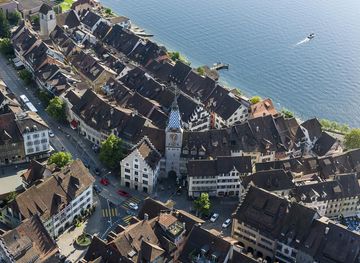
Explore more of Zug
Discover Zug: Switzerland's picturesque lakeside town, where medieval charm meets natural splendor, offering stunning sunsets, outdoor adventures, and a rich cultural experience.
Explore Zug
Explore more of Switzerland
Discover Switzerland's majestic landscapes, vibrant cities, and rich culture. From alpine adventures to urban exploration, experience the best of Europe in one destination.
Explore Switzerland
