

Zug, Switzerland Travel Guide
Discover Zug: Switzerland's picturesque lakeside town, where medieval charm meets natural splendor, offering stunning sunsets, outdoor adventures, and a rich cultural experience.
Nestled between the serene Lake Zug and the majestic Swiss Alps, Zug is a picturesque town that offers visitors a perfect blend of natural beauty and rich history. This charming destination is renowned for its stunning sunsets over the lake, making it a haven for photographers and nature lovers alike. Zug's old town, with its cobbled streets and medieval architecture, is a delightful place to wander. Don't miss the Zytturm clock tower, which offers panoramic views of the town and surrounding landscapes. The town's rich history is also evident in its well-preserved buildings and museums, such as the Burg Zug, a castle that now serves as a museum. For those seeking outdoor activities, Zug is a paradise. The lake offers opportunities for swimming, boating, and picnicking, while the nearby mountains are perfect for hiking and skiing. The town is also known for its high quality of life, with excellent dining options, boutique shops, and a welcoming atmosphere that makes it easy to relax and enjoy your stay.

Know before you go
Hi, I'm Eve. Here are a few practical things to know before exploring Zug.
- Sunset Viewing: Head to the lakeside promenade for the best sunset views.
- Local Cuisine: Try the Zuger Kirschtorte, a local cherry cake specialty.
- Public Transport: Use the efficient local trains and buses to explore nearby areas.
- Seasonal Activities: Visit in winter for skiing or in summer for hiking and lake activities.
- Language: While German is the official language, many locals speak English.
Explore Zug: Things to Do, Places to Eat, Hotels & More
Handpicked recommendations for top attractions, local dining, accommodations, and more

Top Attractions & Sightseeing in Zug
Top-rated picks
Best Attractions

Wildnispark Zürich Langenberg
A forested wildlife park near Zurich, where spacious enclosures, native mammals, and conservation-led paths create a calm half-day outing.

Shopping Center Zugerland
A large indoor shopping mall in Steinhausen with direct rail and bus access, a major Migros, and practical services for everyday errands.

Freiruum
A large indoor food hall in Zug with street-food stalls, bars, play areas and a terrace, set in a former industrial redevelopment site.

OYM hall
Zug’s indoor hockey arena for EV Zug matches, public skating, and occasional tours, with easy station access and a strong local sports atmosphere.

Best landmarks in Zug
Top-rated picks
Best Landmarks

Zug Altstadt
A compact Swiss old town of medieval lanes, lake-edge squares and the Zytturm, best explored slowly on foot between cafés and historic façades.

ibis Baar Zug
A modern economy hotel opposite Baar station, offering quick rail access, simple rooms, breakfast, parking, and a practical base for Zug stays.

Dialoghotel Eckstein
A calm, well-connected seminar hotel in Baar with meeting rooms, a silence room, and a practical base for stays near Zug.

Lucerne Needle Dam
A compact Lucerne landmark where the Reuss is still controlled by timber needles, best seen from the old town bridges and riverbanks.

Best restaurants in Zug
Top-rated picks
Best Restaurants

Negishi Urban Sushi, Zug Metalli
A modern sushi stop in Zug’s Metalli district, close to the station and built for quick lunches, takeaway, and easy urban dinners.
Hafenrestaurant
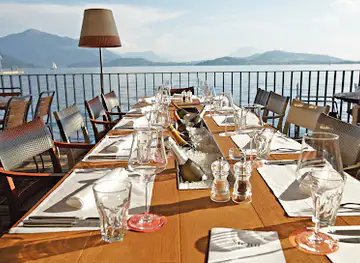
Lakeside Swiss dining in central Zug, with terrace tables, sunset views over Lake Zug, and a calm harbourfront setting.

Miss Miu Metalli
A modern Korean x Pan-Asian restaurant in Zug’s Metalli district, known for shared plates, cashless dining, and occasional themed dinner events.

SAN MARCO
Lakefront Italian dining in Zug, where pizza, pasta, and fish come with open views across Lake Zug and the best light at sunset.

Best bars in Zug
Top-rated picks
Best Bars

Mr. Pickwick Pub Zug
A British-style pub and sports bar in central Zug, close to the station, serving pub food, drinks, and match-day crowds in an easygoing indoor setting.

SwissEver Hotel Zug
A modern Cham hotel near the A4, with rooms, apartments, parking, meeting space, and a quiet business-travel rhythm.

Hotel Zugertor
Central Zug hotel with 36 rooms, restaurant-bar, parking and a vintage bowling alley, offering a practical stay with a long hospitality history.

Skylounge - Bar im 18.Stock
An 18th-floor lounge in Zug with lake-and-city views, cocktails, and a polished after-work atmosphere above the Uptown building.

Best nightclubs in Zug
Top-rated picks
Best Nightclubs

EXIL
A Zürich-West club for live shows, DJ nights, and late sets, with a hard-edged industrial setting and a covered outdoor area for summer breaks.

Hive
An electronic-music club in Zurich West with late hours, multi-room nights, and a restaurant function at the same address.

Lounge & Gallery
A two-storey Zug nightlife venue near the station, pairing lounge seating, DJ sets, and private events in a flexible indoor club space.

Best shops in Zug
Top-rated picks
Best Shops

Metalli Zug
A covered station-side shopping arcade in central Zug, combining everyday retail, quick meals, and practical services in a compact urban setting.

Migros-Supermarkt - Zug - Metalli
A central Zug supermarket inside the Metalli complex, handy for groceries, takeaway food and quick errands near the station.

True Society - Zug
A central Zug bridal boutique for scheduled fittings, designer gowns, and private styling sessions on Bahnhofstrasse, a short walk from the station.

Coop Supermarkt Zug Bahnhof
A compact supermarket inside Zug station for coffee, takeaway food and everyday groceries, geared to commuters, rail passengers and quick errands.

Explore Zug on the Map
A handpicked selection of must-see spots in Zug, mapped for you.
Zug Essentials
-
Zug is conveniently located in the heart of Switzerland, making it easily accessible from major cities. The nearest international airport is Zurich Airport, approximately 45 kilometers away. From Zurich, you can take a direct train to Zug, which takes around 30 minutes. Additionally, Zug is well-connected by train to other Swiss cities such as Lucerne, Basel, and Geneva. If you prefer driving, the A4 motorway connects Zug to major road networks.
-
Public transportation in Zug is efficient and easy to navigate. The city has an extensive network of buses and trains operated by Zugerland Verkehrsbetriebe (ZVB) and Swiss Federal Railways (SBB). Buses are frequent and cover most parts of the city. Zug's train station is centrally located, making it convenient to travel to nearby towns and cities. For those who prefer cycling, Zug has well-marked bike lanes and rental services. Taxis and ride-sharing services are also available.
-
The official currency in Switzerland is the Swiss Franc (CHF). Credit cards and debit cards are widely accepted in hotels, restaurants, and shops in Zug. However, it's advisable to carry some cash for smaller establishments or markets. ATMs are plentiful and can be found throughout the city. Currency exchange services are available at banks and exchange offices.
-
Zug is generally a safe city with low crime rates. However, as with any travel destination, it's important to take common-sense precautions. Avoid leaving valuables unattended and be aware of your surroundings, especially in crowded areas. There are no specific neighborhoods in Zug known for high crime rates targeting tourists. The city is well-policed and has a strong sense of community, contributing to its overall safety.
-
In case of emergency, dial 117 for police, 118 for fire services, and 144 for medical emergencies. Zug has a well-equipped hospital, Zuger Kantonsspital, and several clinics for medical care. Pharmacies are available across the city for minor health issues. It's recommended to have travel insurance that covers medical emergencies. For assistance, you can also reach out to your country's embassy or consulate in Switzerland.
-
Fashion: Do dress smart-casual, especially when dining out or visiting cultural sites. Avoid overly casual or revealing clothing. Religion: Do respect local customs and traditions. When visiting churches, dress modestly and remain quiet. Public Transport: Do validate your ticket before boarding. Don't eat, drink, or speak loudly on public transport. Greetings: Do greet people with a firm handshake and make eye contact. A polite 'Grüezi' (hello) is appreciated. Eating & Drinking: Do try local specialties like Zuger Kirschtorte. Don't leave a large tip; a small rounding up of the bill is sufficient.
-
To experience Zug like a local, visit the weekly farmers' market at Landsgemeindeplatz for fresh produce and local goods. Take a stroll along the shores of Lake Zug and enjoy the scenic views. Engage with locals at cafes and restaurants; they are friendly and often willing to share recommendations. Don't miss a visit to the Zug Castle and the Old Town for a glimpse of the city's history. For a unique experience, take a boat ride on Lake Zug and enjoy the serene surroundings.
When is the best time to visit Zug?
Useful Local Phrases for Zug
You don't need to speak the language perfectly. Even learning a few simple words can make conversations warmer—and locals usually appreciate the effort.
— Eve

Here are the phrases I use most often in Zug. Try a few—you'll be surprised how far they go! 😊
❤️
-
- HelloHallo
[hahl-oh] - GoodbyeAuf Wiedersehen
[owf vee-dair-zane] - YesJa
[yah] - NoNein
[nine] - Please/You're welcomeBitte
[bit-tuh] - Thank youDanke
[dahn-kuh] - Excuse me/SorryEntschuldigung
[ent-shool-dee-goong] - How are you?Wie geht's?
[vee gates?] - Fine. And you?Gut. Und dir?
[goot. oond deer?] - Do you speak English?Sprechen Sie Englisch?
[shpreck-en zee eng-lish?] - I don't understandIch verstehe nicht
[ikh fer-shtay-eh nicht]
- HelloHallo
-
- I'd like to see the menu, pleaseIch hätte gerne die Speisekarte, bitte
[ikh het-teh gair-neh dee shpy-zeh-kahr-tuh, bit-tuh] - I don't eat meatIch esse kein Fleisch
[ikh ess-eh kyan flysh] - Cheers!Prost!
[prohst] - I would like to pay, pleaseIch möchte bezahlen, bitte
[ikh merkh-teh beh-tsah-len, bit-tuh]
- I'd like to see the menu, pleaseIch hätte gerne die Speisekarte, bitte
-
- Help!Hilfe!
[hil-feh] - Go away!Geh weg!
[geh veg] - Call the Police!Rufen Sie die Polizei!
[roo-fen zee dee poh-litz-eye] - Call a doctor!Rufen Sie einen Arzt!
[roo-fen zee eye-nen arts-t] - I'm lostIch bin verloren
[ikh bin fer-lo-ren] - I'm illIch bin krank
[ikh bin krank]
- Help!Hilfe!
-
- I'd like to buy...Ich möchte ... kaufen
[ikh merkh-teh ... kau-fen] - I'm just lookingIch schaue nur
[ikh shou-eh noor] - How much is it?Wie viel kostet es?
[vee feel kost-et es?] - That's too expensiveDas ist zu teuer
[das ist tsu toy-er] - Can you lower the price?Könnten Sie den Preis senken?
[kuhn-ten zee den prys zen-ken]
- I'd like to buy...Ich möchte ... kaufen
-
- What time is it?Wie spät ist es?
[vee shpayt ist es?] - It's one o'clockEs ist ein Uhr
[es ist ine ooh-hr] - Half past (10)Halb (10)
[halp (10)] - MorningMorgen
[mor-gen] - AfternoonNachmittag
[nahkh-mit-tahg] - EveningAbend
[ah-bend] - YesterdayGestern
[ges-tairn] - TodayHeute
[hoy-tuh] - TomorrowMorgen
[mor-gen] - 1Eins
[ines] - 2Zwei
[tsvye] - 3Drei
[dry] - 4Vier
[feer] - 5Fünf
[fuenf] - 6Sechs
[zex] - 7Sieben
[zeeb-en] - 8Acht
[aht] - 9Neun
[noyn] - 10Zehn
[tsayn]
- What time is it?Wie spät ist es?
-
- Where's a/the...?Wo ist ein/eine ...?
[voh ist ine/ine ...?] - What's the address?Wie lautet die Adresse?
[vee low-tet dee ah-dress-uh] - Can you show me (on the map)?Könnten Sie mir (auf der Karte) zeigen?
[kuhn-ten zee meer (owf der kar-te) tsai-gen] - When's the next (bus)?Wann kommt der nächste (Bus)?
[van kommt der next-eh (boos)?] - A ticket (to ....)Ein Ticket (nach ...)
[ine tik-et (nahkh ...)]
- Where's a/the...?Wo ist ein/eine ...?
History of Zug
-
Zug, a picturesque town nestled in the heart of Switzerland, was officially founded in the early 13th century. The first documented mention of Zug dates back to 1240, when it was referred to as 'civitas Tugensis' in a document by the Holy Roman Emperor Frederick II. The town quickly gained significance due to its strategic location on the shores of Lake Zug and its role in regional trade.
-
In 1352, Zug became a member of the Swiss Confederation. This alliance with other cantons marked a significant step in the town’s history, as it provided protection and economic opportunities. The confederation was crucial in helping Zug maintain its independence and thrive during tumultuous periods in European history.
-
One of the most pivotal events in Zug's history is the Battle of Morgarten in 1315. Although the battle took place near the neighboring canton of Schwyz, the people of Zug played a crucial role in the Swiss victory against the Habsburgs. This battle is often celebrated as a defining moment in Swiss history, symbolizing the Swiss Confederation's fight for autonomy.
-
Throughout the Middle Ages and into the Renaissance, Zug prospered economically. The town became known for its vibrant trade, especially in salt and fish, which were highly valued commodities. Additionally, agriculture played a significant role, with the fertile lands around Lake Zug providing ample resources for farming and viticulture.
-
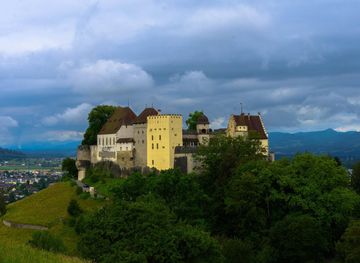
Zug Castle, an iconic landmark, dates back to the 11th century. Originally built as a fortress, the castle has undergone numerous renovations and expansions over the centuries. Today, it houses the Museum of Prehistory and Early History of Zug, showcasing artifacts and exhibits that trace the region's rich history from ancient times to the present.
-
Religion has played a significant role in shaping Zug's culture. The Reformation in the 16th century brought religious turmoil to the region, but Zug remained predominantly Catholic. The town is home to several beautiful churches, including the St. Oswald Church, which stands as a testament to the region's religious heritage and architectural splendor.
-
In the 20th century, Zug transitioned from a primarily agricultural economy to a modern, thriving hub for international business and finance. The establishment of favorable tax laws attracted many multinational corporations, transforming Zug into one of the wealthiest and most economically advanced regions in Switzerland. Today, it is known for its high standard of living and vibrant expatriate community.
-
On September 27, 2001, Zug was the site of a tragic event known as the Zug Massacre. A gunman attacked the cantonal parliament, killing 14 people and injuring several others before taking his own life. This event had a profound impact on the community and led to increased security measures in public buildings across Switzerland.
-
Zug is rich in cultural traditions and festivals that highlight its historical heritage. The 'Zuger Messe,' an annual trade fair, and the 'Chriesisturm,' a cherry-picking festival, are among the most celebrated events. These festivals not only offer a glimpse into the local culture but also bring together the community in celebration of their shared history and traditions.
Neighbouring Regions of Zug
The closest regions to Zug, if you have time for more than one.



Your all‑in‑one travel companion app
Explore expert travel guides, compare and book tours, experiences, hotels, and more—all from the palm of your hand. Download now for seamless trip planning wherever your wanderlust takes you.


Explore More of Switzerland

Looking beyond Zug? Discover Switzerland for broader travel guides, local hot-spots, and regional highlights.
Explore SwitzerlandZug in Photos
Browse through our photo collection highlighting the charm and character of the destination.




Zug: A Lakeside Gem in the Heart of Switzerland
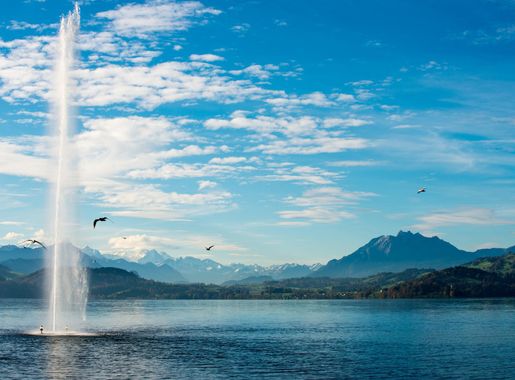
Nestled between the serene Lake Zug and the majestic Swiss Alps, Zug is a picturesque town that offers visitors a perfect blend of natural beauty and rich history. This charming destination is renowned for its stunning sunsets over the lake, making it a haven for photographers and nature lovers alike. Zug's old town, with its cobbled streets and medieval architecture, is a delightful place to wander. Don't miss the Zytturm clock tower, which offers panoramic views of the town and surrounding landscapes. The town's rich history is also evident in its well-preserved buildings and museums, such as the Burg Zug, a castle that now serves as a museum. For those seeking outdoor activities, Zug is a paradise. The lake offers opportunities for swimming, boating, and picnicking, while the nearby mountains are perfect for hiking and skiing. The town is also known for its high quality of life, with excellent dining options, boutique shops, and a welcoming atmosphere that makes it easy to relax and enjoy your stay.