Kloster Maria Opferung Travel Guide
Free Guide: An active convent church in Zug with a 1626 core, quiet interiors, and a long Catholic history above the city streets.


A brief summary of Kloster Maria Opferung
An active convent church in Zug with a 1626 core, quiet interiors, and a long Catholic history above the city streets.
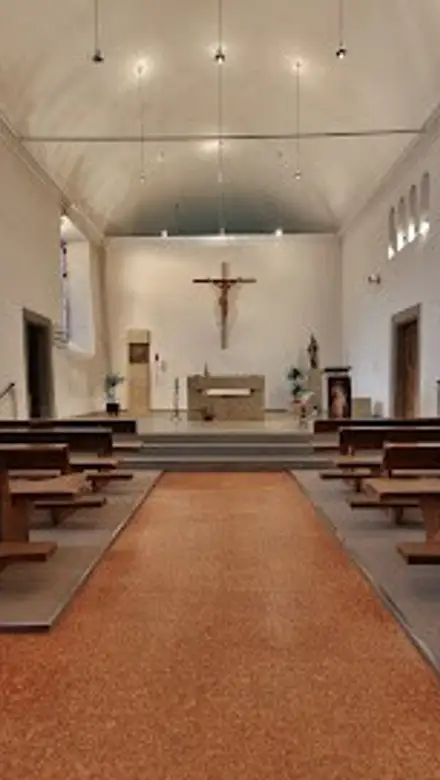
Kloster Maria Opferung is an active Catholic convent and church complex in Zug, where centuries of religious life meet a calm, residential atmosphere. The church core dates to 1626, but the convent traces its story much further back, to 1337. Visitors come for prayer, short church visits, guided tours, and occasional events rather than a museum-style experience.
On-site amenities
 Seating areas
 Sheltered areas
 Information boards
- Address
- Klosterstrasse 2, 6300 Zug
- Phone
- Website
Getting there
On foot
Public transport
Taxi or car
Discover more about Kloster Maria Opferung
What it is
Kloster Maria Opferung is a working Catholic convent and church complex on Klosterstrasse in Zug. It is best understood as a sacred site with strong heritage value rather than a conventional attraction. The church core dates to 1626, and the convent presents itself as a spiritual place with roots reaching back to 1337. That long continuity gives the site a layered character: part place of worship, part living religious house, part local historical landmark.The complex remains active, so the atmosphere is devotional and restrained. You are not moving through a curated exhibition space, but through a place still shaped by prayer, community life, and religious routine. That distinction matters: the appeal lies in the building’s age, its role in Zug’s Catholic history, and the quiet dignity of a site that has never stopped being used.
What visitors experience
Most visits are brief and purposeful. You may step inside for a quiet look at the church, sit for a few minutes, attend a service, or join a guided tour when one is available. The interior experience is likely to feel simple and measured, with the emphasis on stillness rather than spectacle. A longer visit may include a public event or a special programme, but this is not a place with constant visitor activity or extensive displays.The site suits travellers who value religious architecture, local history, and low-key cultural stops. It is less rewarding if you want a large museum, dramatic interiors, or a full day’s programme. The most realistic visit lasts 15 to 30 minutes for a quick stop, or 45 to 90 minutes if you include a tour or service.
Setting and atmosphere
The convent sits above Zug’s urban core, so the approach has a slight uphill feel and a sense of moving away from the busier streets below. Although it is in the city, the complex feels enclosed and separate, with an inward-looking calm that contrasts with the surrounding urban fabric. Any courtyard or garden space is secondary to the indoor experience, which is centred on the church and convent buildings.That urban-but-secluded setting is one of the site’s main strengths. You get a quiet pause without leaving the city, and the atmosphere changes quickly once you step inside. The building’s age, the restrained interior, and the active religious use combine to create a place that feels lived-in rather than staged.
History and heritage value
Kloster Maria Opferung carries its history in layers. The church was built and consecrated in 1626, later altered in the 20th century, including a major rearrangement in 1954 and a renovation in 1997. Its heritage importance is also underlined by the transfer of 1,291 historically significant objects into institutional preservation, which points to a serious effort to protect the convent’s material legacy.The site also reflects the wider story of female religious life and education in Zug. For travellers interested in Swiss Catholic heritage, it offers a compact but meaningful stop: not grand in scale, but rich in continuity. The value here is in the combination of age, function, and preservation, all within a small urban setting.
Practical expectations
Access is generally straightforward from central Zug by foot, local bus, taxi, or car, though the uphill approach may be noticeable if you walk from lower parts of town. Public transport is likely the easiest option for most visitors. The site is usually a budget-friendly or free stop for casual visits, with possible low-cost or donation-based participation for tours and events.Facilities appear limited, as you would expect from an active convent rather than a visitor centre. Seating inside the church is likely, and basic shelter is available, but travellers should not assume a full set of amenities. The site works in most weather because the core experience is indoors, and it is best approached as a quiet cultural stop rather than a destination that requires a long stay.
Evendo Review Centre
 Google
Guest reviews
Best time to go
Quietest: Jan, Feb & Nov · before 8am or from 10pm
Busy times are Evendo estimates for a typical year, to help you plan. Actual crowds vary with events, school holidays and the weather.
Explore Kloster Maria Opferung on the map
A handpicked selection of must-see spots near Kloster Maria Opferung, mapped for you.
Get your free copy of our complete guide to Kloster Maria Opferung, delivered straight to you.
Everything on this page, from opening hours and how to get there to Eve’s tips and the best time to go, in one PDF you can read offline, print or share.
Already have an account? Sign in
Your Kloster Maria Opferung guide is ready.
We'll send it to · Not you? Sign out

Getting your guide ready…
We are putting together a fresh copy of the Kloster Maria Opferung guide. This can take up to a minute.
This can take a few moments. If your browser asks, choose Allow so the download can start. You'll find the guide in your Downloads folder.
Nothing happened? Download it again
Sorry, the guide is taking longer than usual. Please try again in a minute, or get it by email instead.
Other nearby places you may find interesting
The closest places of the same kind, if this one is not quite what you had in mind.
-
-
-
-
-


Swipe for more places
More to explore near Kloster Maria Opferung

 Best experiences near Kloster Maria Opferung
 Best hotels near Kloster Maria Opferung
 Best landmarks near Kloster Maria Opferung
 Best attractions near Kloster Maria Opferung
 Best shops near Kloster Maria Opferung
 Best restaurants near Kloster Maria Opferung
 Best bars near Kloster Maria Opferung
Do you manage this location?
Take control to get all the benefits, like improved information, better appearance, and stronger visibility across AI-powered discovery.
Explore more
Explore more of Zug
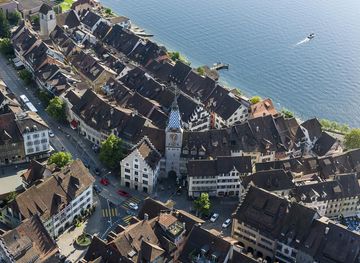
Discover Zug: Switzerland's picturesque lakeside town, where medieval charm meets natural splendor, offering stunning sunsets, outdoor adventures, and a rich cultural experience.
Explore Zug
Explore more of Switzerland
Discover Switzerland's majestic landscapes, vibrant cities, and rich culture. From alpine adventures to urban exploration, experience the best of Europe in one destination.
Explore Switzerland