MHSZ, Zug Travel Guide
A canton-level military-history foundation in Zug, linking bunkers, fortifications and the Bloodhound missile site through guided heritage visits.
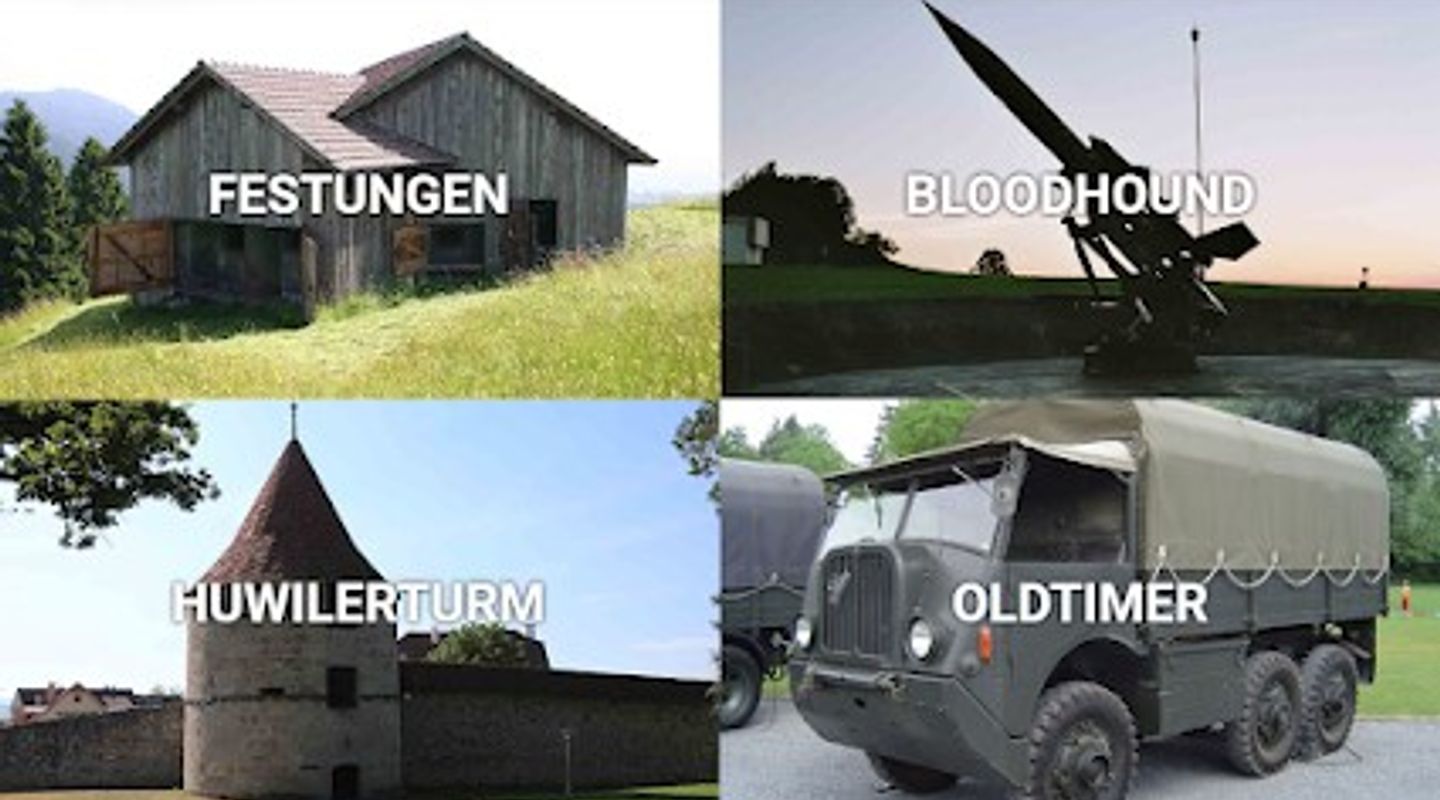
MHSZ is not a single museum but a military-history foundation in Zug that opens the canton’s wartime and Cold War heritage through guided visits and special events. Expect bunkers, fortifications, vehicles and the Bloodhound missile site, presented in a technical, detail-heavy style. It suits travellers who want history with substance rather than a casual drop-in stop.
A brief summary to MHSZ
- Nordstrasse 5, Zug, 6300, CH
- Click to display
- Duration: 1 to 4 hours
- Budget
-
 Mixed
Mixed
- Mobile reception: 4 out of 5

Know before you go
Hi, I'm Eve. Here are a few practical things to know before exploring MHSZ.
- Treat this as a guided heritage programme, not a standard museum drop-in; access to individual sites may depend on scheduled openings or prior arrangement.
- Expect technical, detail-heavy interpretation focused on fortifications, bunkers and air-defence history rather than broad military displays.
- Accessibility varies sharply by site, and some bunkers or hillside positions may involve stairs, uneven ground or limited comfort in bad weather.
Do you manage this location?
Take control to get all the benefits, like improved information, better appearance, and stronger visibility across AI-powered discovery. Learn more about listing your business on Evendo
Activate your presenceOther nearby places you may find interesting
The closest places of the same kind, if this one is not quite what you had in mind.
Explore MHSZ on the Map
A handpicked selection of must-see spots near MHSZ, mapped for you.
Getting There
-
On foot
The Nordstrasse address is in central Zug and can be reached on foot from nearby parts of the city, usually within a short urban walk.
-
Public transport
Local buses and rail connections make the Zug base straightforward to reach, but individual fortification sites may need separate onward travel.
-
Taxi or rideshare
Useful if you are combining dispersed sites or heading to a specific object outside the city centre, where local walking is less practical.
-
Car
A car can be helpful for visiting multiple canton-wide sites in one day, especially where access is spread out or public transport is indirect.
For the on-the-go comforts that matter to you
-
 Restrooms
-
 Seating Areas
-
 Sheltered Areas
-
 Information Boards
Discover more about MHSZ
What it is
MHSZ, the military-history foundation of Canton Zug, is best understood as an organiser and curator of military heritage rather than a conventional museum with one fixed exhibition hall. Its work centres on preserving and interpreting a network of fortifications, bunkers, military vehicles and related installations across the canton, including material from the Second World War and the Cold War. The most distinctive element is the Bloodhound BL-64 air-defence connection, which adds a rare Cold War layer to the wartime story.What the visit feels like
A visit is usually structured and guided, with a strong emphasis on facts, engineering and military function. You are more likely to stand in front of concrete walls, underground chambers and technical equipment than to wander through a polished gallery. The tone is educational and precise, sometimes dense, and the appeal lies in the way the sites explain Switzerland’s defensive thinking during the Swiss Réduit era. This is a place for travellers who enjoy context, systems and the physical reality of military infrastructure.Setting and access
The foundation is based in Zug city, but the heritage it presents is dispersed across the canton. That means the experience can range from an urban meeting point to outdoor fortifications in different municipalities. Some sites are semi-subterranean or hillside structures, so stairs, uneven ground and weather exposure are realistic possibilities. The main address in central Zug is relatively easy to reach, but the individual heritage objects may require separate planning, local transport or a booked tour. Spontaneous walk-in visits are less likely to work than a planned outing.Why people go
Travellers come here for a niche but substantial slice of Swiss history: the wartime defensive network built between 1941 and 1945, and the later Cold War air-defence story. The foundation preserves objects that would otherwise be difficult to access or understand in isolation. That makes it especially useful for history enthusiasts, technically minded visitors, school groups and anyone interested in unusual heritage sites. It is less about spectacle than about seeing how a small canton fits into a larger national defence system.Practical expectations
Plan for a visit that may last from an hour to half a day, depending on whether you join a focused tour or combine several sites. Facilities vary by location, and not every object will offer the same level of comfort or accessibility. The best conditions are mild, dry weather and a scheduled opening or guided programme. In return, you get a rare, grounded look at military structures that are usually closed, overlooked or stripped of context.












Your all‑in‑one travel companion app
Explore expert travel guides, compare and book tours, experiences, hotels, and more—all from the palm of your hand. Download now for seamless trip planning wherever your wanderlust takes you.


Explore More of Zug
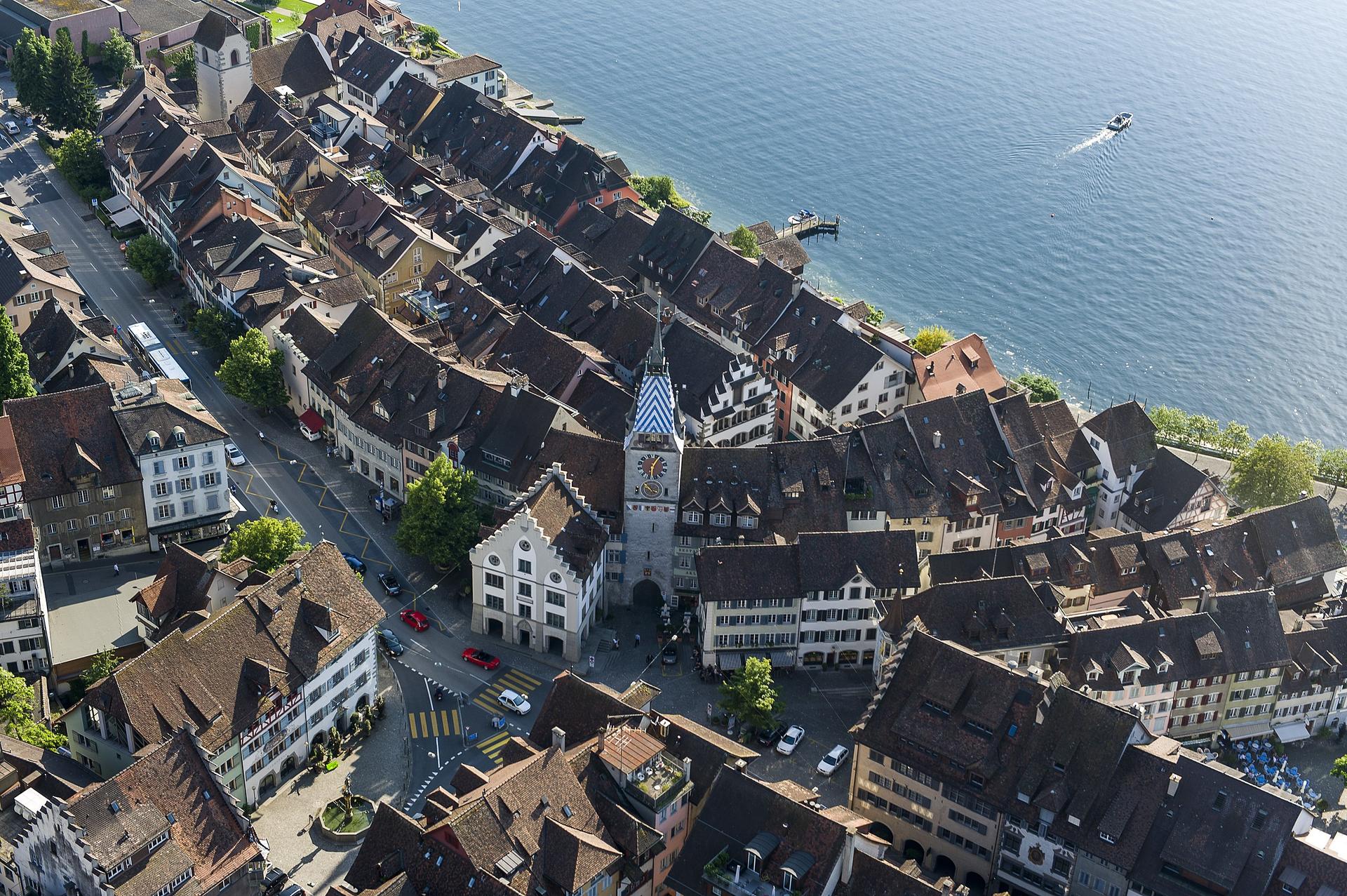
Looking beyond MHSZ? Discover Zug for broader travel guides, local hot-spots, and regional highlights.
Explore Zug
A small Zug gallery with an on-site atelier and framing studio, set in the old town and geared to browsing, buying and practical art services.

Specialty coffee and on-site roasting in Zug, with ethically sourced beans, a Tanzanian family origin story, and a modern indoor café setting.