

Escher-Wyss-Platz Travel Guide
Free Guide: A major tram junction in Zürich-West, Escher-Wyss-Platz is a practical starting point for cafés, nightlife, and the district’s industrial-to-creative streets.


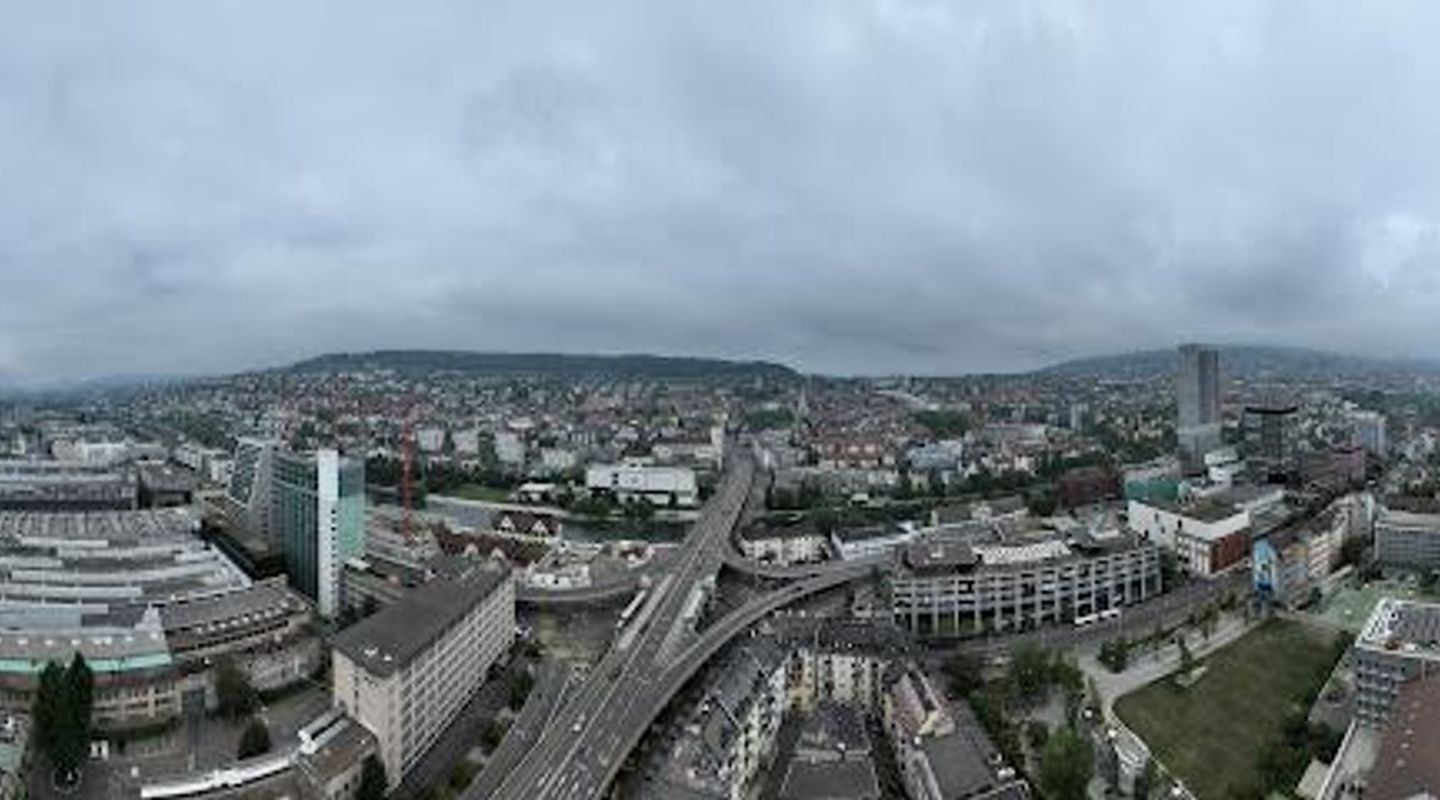
A brief summary of Escher-Wyss-Platz
A major tram junction in Zürich-West, Escher-Wyss-Platz is a practical starting point for cafés, nightlife, and the district’s industrial-to-creative streets.
Escher-Wyss-Platz is a busy public square and tram junction in Zürich-West, shaped more by movement than by sightseeing. It works as a practical arrival point, a meeting place, and a launchpad for the district’s bars, cafés, and converted industrial spaces. The square is flat, open, and hard-surfaced, with little shade and a constant sense of traffic flow.
On-site amenities
 Seating areas
 Sheltered areas
 Trash bins
 Information boards
- Address
- 8005 Zürich
Getting there
By tram
On foot
By bicycle
By car
Discover more about Escher-Wyss-Platz
What it is
Escher-Wyss-Platz is one of the main transport and meeting points in Zürich-West, a district that has shifted from heavy industry to dense mixed-use city life. The square takes its name from the former Escher Wyss industrial company, and that history still shapes the area’s identity. It is not a sightseeing square in the classic sense; it is a working urban junction where trams, pedestrians, cyclists, and local traffic cross paths.For travellers, that makes it useful rather than decorative. You come here to change trams, meet people, or begin a walk through nearby streets lined with cafés, bars, offices, and converted industrial buildings. The square itself is compact and open, with a hard urban surface and little greenery. Its appeal lies in the way it reflects Zürich-West’s transformation: practical, dense, and still tied to its transport past.
Atmosphere and setting
The atmosphere is busy and functional, especially during commuting hours and in the evening when the surrounding leisure venues fill up. During the day, the square feels like a transit threshold: people waiting, crossing, checking directions, or pausing briefly on seasonal seating. There is little reason to linger unless you are using it as a base for the district.Visually, the setting is all city edges and infrastructure. Tram tracks, sidewalks, traffic lanes, and surrounding blocks dominate the view. The most interesting details are not scenic but urban: the scale of the junction, the mix of old industrial references and newer development, and the steady movement that gives the place its rhythm. In good weather, the open space can feel lively; in rain, wind, or winter cold, it becomes a place to pass through quickly.
Why travellers stop here
Most visitors use Escher-Wyss-Platz as a gateway into Zürich-West. It is especially practical if you are heading to restaurants, galleries, nightlife venues, or contemporary cultural spaces in the district. The square is also a sensible meeting point because it is easy to reach by public transport and easy to identify once you are there.A short stop may last only a few minutes if you are transferring. With a coffee, a meal, or a walk through the surrounding streets, the visit can stretch to 20 to 60 minutes. Some travellers use it as the starting point for a half-day urban circuit through Zürich-West, where the former industrial fabric is still visible in the architecture and street layout.
Access and practical expectations
The easiest approach is by tram from Zürich HB, which is usually a short ride of around 5 to 10 minutes depending on connections and waiting time. Walking from the main station is possible but less convenient, and driving is not ideal in this dense part of the city. Cycling works well for local movement, though traffic conditions can be busy.Expect urban convenience rather than visitor infrastructure. Nearby cafés, bars, and shops provide most of the useful amenities, while the square itself offers only basic public-space features such as seating and transit access. It is a year-round location, but comfort depends heavily on weather. Clear, mild days make it pleasant enough for a brief pause; harsh sun, rain, or winter wind quickly reduce the appeal. The square is best understood as a functional piece of the city, not a destination in its own right.
Evendo Review Centre
 Google
Guest reviews
Best time to go
Quietest: Jan, Feb & Dec · before 6am
Busy times are Evendo estimates for a typical year, to help you plan. Actual crowds vary with events, school holidays and the weather.
Explore Escher-Wyss-Platz on the map
A handpicked selection of must-see spots near Escher-Wyss-Platz, mapped for you.
Get your free copy of our complete guide to Escher-Wyss-Platz, delivered straight to you.
Everything on this page, from opening hours and how to get there to Eve’s tips and the best time to go, in one PDF you can read offline, print or share.
Already have an account? Sign in
Your Escher-Wyss-Platz guide is ready.
We'll send it to · Not you? Sign out

Getting your guide ready…
We are putting together a fresh copy of the Escher-Wyss-Platz guide. This can take up to a minute.
This can take a few moments. If your browser asks, choose Allow so the download can start. You'll find the guide in your Downloads folder.
Nothing happened? Download it again
Sorry, the guide is taking longer than usual. Please try again in a minute, or get it by email instead.
Other nearby places you may find interesting
The closest places of the same kind, if this one is not quite what you had in mind.
-
-
-
-
-


Swipe for more places
More to explore near Escher-Wyss-Platz

 Best experiences near Escher-Wyss-Platz
 Best hotels near Escher-Wyss-Platz
 Best landmarks near Escher-Wyss-Platz
 Best attractions near Escher-Wyss-Platz
 Best shops near Escher-Wyss-Platz
 Best restaurants near Escher-Wyss-Platz
 Best bars near Escher-Wyss-Platz
Do you manage this location?
Take control to get all the benefits, like improved information, better appearance, and stronger visibility across AI-powered discovery.
Explore more
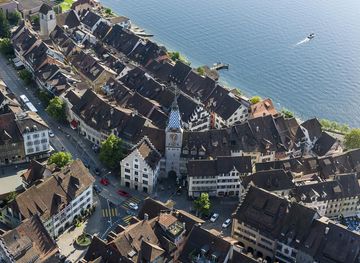
Explore more of Zug
Discover Zug: Switzerland's picturesque lakeside town, where medieval charm meets natural splendor, offering stunning sunsets, outdoor adventures, and a rich cultural experience.
Explore Zug
Explore more of Switzerland
Discover Switzerland's majestic landscapes, vibrant cities, and rich culture. From alpine adventures to urban exploration, experience the best of Europe in one destination.
Explore Switzerland
