Liebfrauenkapelle Travel Guide
Free Guide: Medieval chapel and old-town landmark in Zug, with a fortified exterior, Gothic wall paintings, and a quiet interior used for worship and weddings.


A brief summary of Liebfrauenkapelle
Medieval chapel and old-town landmark in Zug, with a fortified exterior, Gothic wall paintings, and a quiet interior used for worship and weddings.
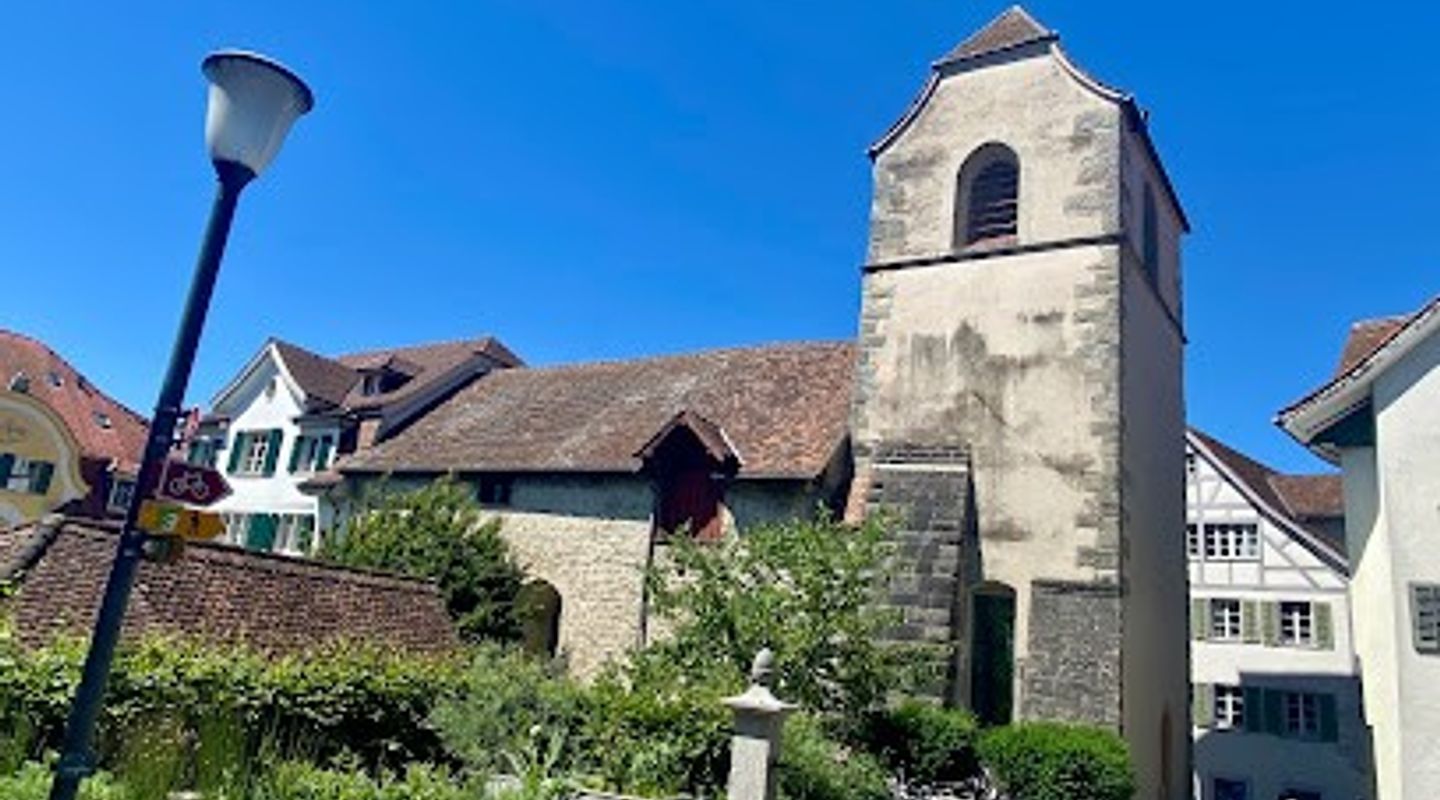
The Liebfrauenkapelle is a small Catholic chapel in Zug’s old town, first documented in 1266 and tied to the city’s medieval wall. Its plain fortified exterior gives way to a compact interior with late Gothic wall paintings and a Baroque Marian cycle. Visits are brief, quiet, and best folded into a walk through the historic centre.
On-site amenities
 Seating areas
 Sheltered areas
 Information boards
- Address
- Unter Altstadt 34 Zug
- Website
Getting there
Walking
Public Transport
Cycling
Driving
Discover more about Liebfrauenkapelle
What it is
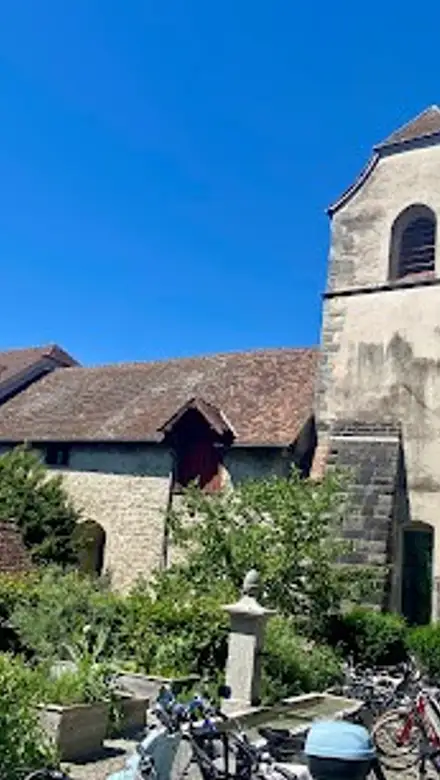
The Liebfrauenkapelle, or Chapel of Our Lady, is one of Zug’s most distinctive historic religious buildings. First documented in 1266, it was built in the 13th century alongside the city’s first wall, and that origin still shapes how it looks today. From outside, it reads as part chapel, part defensive structure; inside, the mood changes completely, with a small devotional space marked by late Gothic wall paintings and a Baroque Marian cycle by the Zug painter Johannes Brandenberg from 1725 to 1727.
Atmosphere and setting
The chapel sits in the dense fabric of Zug’s old town at Unter Altstadt 34, where narrow streets and close-set buildings leave little room for grand approaches or wide views. It is an indoor site, but the experience begins outside, in the compact medieval street pattern around it. The building is modest in scale and easy to miss if you are not walking slowly, which suits its character: this is not a place for lingering crowds or long queues, but for a short pause in a heritage walk. The strongest impression comes from the contrast between the fortified shell and the more delicate interior decoration.
What visitors actually do
Most people stop here for 10 to 20 minutes, often as part of a broader stroll through Zug’s old town. You may step inside to look at the paintings, take a few photographs, or sit quietly for a moment. It is also used as a wedding chapel, so on some visits you may encounter a ceremony or signs of one rather than a purely sightseeing atmosphere. The chapel suits travellers who prefer compact, low-effort cultural stops over larger museums or churches with extensive visitor facilities. It is especially well matched to couples, solo travellers, seniors, and anyone interested in medieval urban history.
Practical expectations
Access is straightforward from central Zug: from the station or city centre, it is usually a 5 to 15 minute walk on level streets. Cycling is practical, but walking is the most natural way to arrive. Driving into the old town is possible, though parking is typically less convenient than arriving on foot from a central car park or public transport. The chapel itself is not known for extensive visitor services, so do not expect a visitor centre, lockers, or food service on site. Nearby old-town streets provide the usual urban amenities, but the chapel visit remains simple and self-contained.
When to go
The chapel works year-round because it is primarily an indoor stop. Rain, snow, or wind matter more for the walk through the old town than for the visit itself. Weekends, holidays, weddings, and local events can bring more people, while ordinary weekdays are usually quiet. Summer adds more foot traffic to the old town; winter tends to feel calmer and more reflective. If you are already in Zug, this is an easy, worthwhile detour rather than a destination that demands a separate trip.
Evendo Review Centre
 Google
Guest reviews
Best time to go
Quietest: Jan, Feb & Dec · before 8am or from 9pm
Busy times are Evendo estimates for a typical year, to help you plan. Actual crowds vary with events, school holidays and the weather.
Explore Liebfrauenkapelle on the map
A handpicked selection of must-see spots near Liebfrauenkapelle, mapped for you.
Get your free copy of our complete guide to Liebfrauenkapelle, delivered straight to you.
Everything on this page, from opening hours and how to get there to Eve’s tips and the best time to go, in one PDF you can read offline, print or share.
Already have an account? Sign in
Your Liebfrauenkapelle guide is ready.
We'll send it to · Not you? Sign out

Getting your guide ready…
We are putting together a fresh copy of the Liebfrauenkapelle guide. This can take up to a minute.
This can take a few moments. If your browser asks, choose Allow so the download can start. You'll find the guide in your Downloads folder.
Nothing happened? Download it again
Sorry, the guide is taking longer than usual. Please try again in a minute, or get it by email instead.
Other nearby places you may find interesting
The closest places of the same kind, if this one is not quite what you had in mind.
-
-
-
-
-


Swipe for more places
More to explore near Liebfrauenkapelle

 Best experiences near Liebfrauenkapelle
 Best hotels near Liebfrauenkapelle
 Best landmarks near Liebfrauenkapelle
 Best attractions near Liebfrauenkapelle
 Best shops near Liebfrauenkapelle
 Best restaurants near Liebfrauenkapelle
 Best bars near Liebfrauenkapelle
Do you manage this location?
Take control to get all the benefits, like improved information, better appearance, and stronger visibility across AI-powered discovery.
Explore more
Explore more of Zug
Discover Zug: Switzerland's picturesque lakeside town, where medieval charm meets natural splendor, offering stunning sunsets, outdoor adventures, and a rich cultural experience.
Explore Zug
Explore more of Switzerland
Discover Switzerland's majestic landscapes, vibrant cities, and rich culture. From alpine adventures to urban exploration, experience the best of Europe in one destination.
Explore Switzerland