Lucerne Needle Dam, Zug Travel Guide
A compact Lucerne landmark where the Reuss is still controlled by timber needles, best seen from the old town bridges and riverbanks.
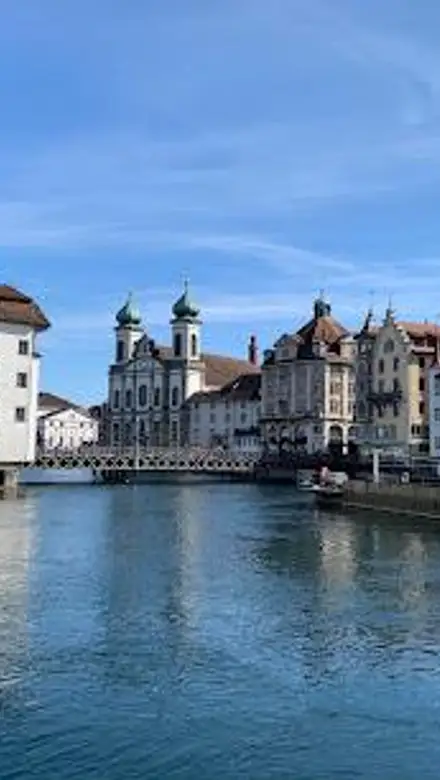
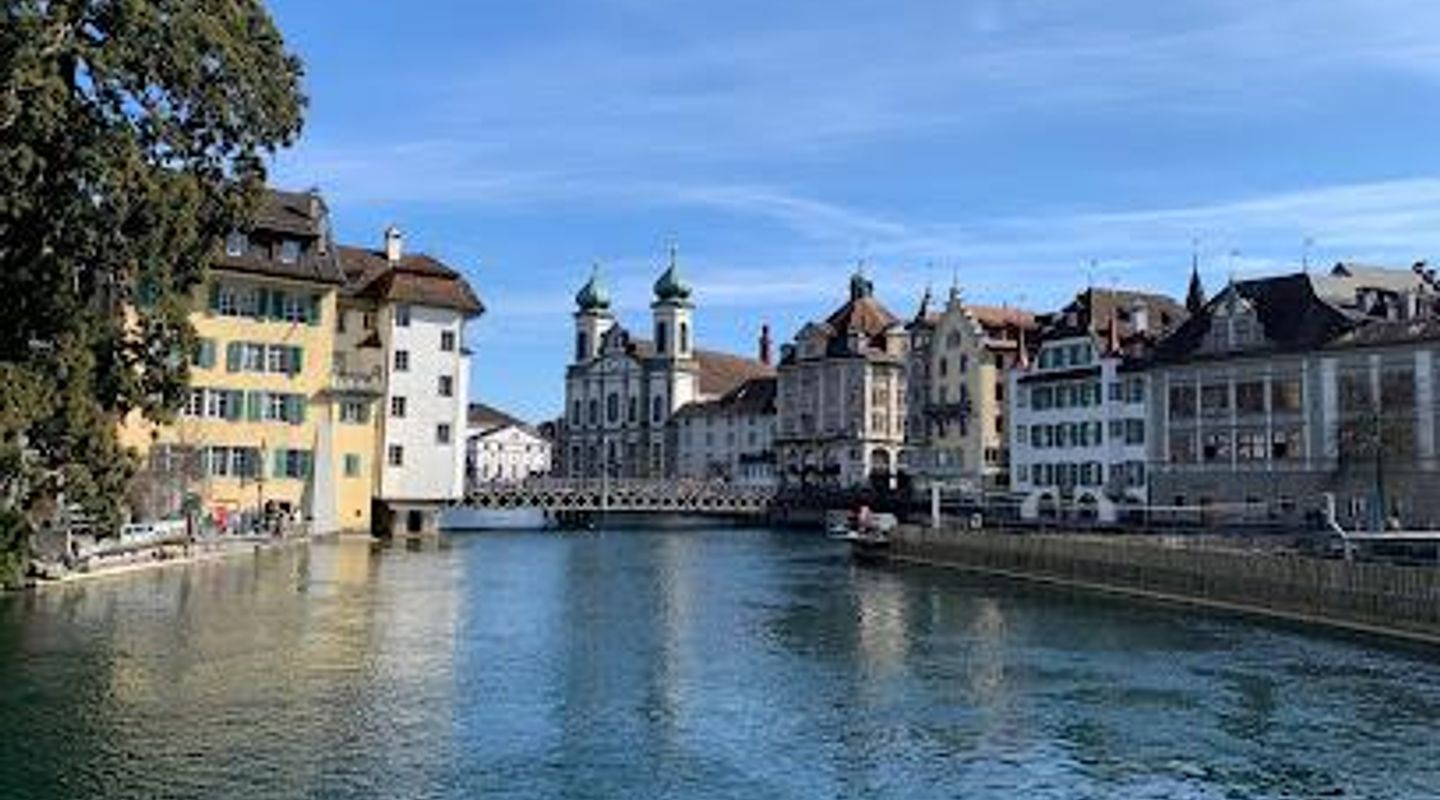
The Lucerne Needle Dam, or Reusswehr, is a compact riverside landmark in the old town, where timber needles still regulate the Reuss. It is less a place to linger than a sharp, urban stop: water surges through the spillway, bridges frame the view, and the historic centre sits within a few minutes' walk. Best for a brief, photogenic pause.
A brief summary to Lucerne Needle Dam
- Reusssteg, Lucerne, 6003, CH
- Click to display
- Click to display
- Duration: 0.1 to 1 hours
- Free
-
 Outdoor
- Mobile reception: 5 out of 5

Know before you go
Hi, I'm Eve. Here are a few practical things to know before exploring Lucerne Needle Dam.
- Combine it with a walk across nearby bridges and through the old town; the dam itself is a short stop, not a full outing.
- Visit in daylight for the clearest view of the timber spillway and the river movement below.
- Expect limited on-site facilities; plan to use cafés, restrooms, and shelter in the surrounding city centre.
Do you manage this location?
Take control to get all the benefits, like improved information, better appearance, and stronger visibility across AI-powered discovery. Learn more about listing your business on Evendo
Activate your presenceOther nearby places you may find interesting
The closest places of the same kind, if this one is not quite what you had in mind.


Explore Lucerne Needle Dam on the Map
A handpicked selection of must-see spots near Lucerne Needle Dam, mapped for you.
Unlock the Best of Lucerne Needle Dam
Buy tickets
-
No tickets available
Book tours with entry
-
No tours available


Getting There
-
On foot
The easiest approach is walking from Lucerne’s old town or nearby bridges; the site is central and usually reached as part of a city stroll.
-
Public transport
Arrive in Lucerne by train or bus, then continue on foot through the centre; this is the most practical option for most travellers.
-
By car
Driving is possible but less convenient in the compact city centre, where parking is limited and often paid.
For the on-the-go comforts that matter to you
-
 Restrooms
-
 Drink Options
-
 Food Options
-
 Seating Areas
-
 Sheltered Areas
-
 Trash Bins
-
 Information Boards
Discover more about Lucerne Needle Dam
What it is
The Lucerne Needle Dam, known locally as the Reusswehr or Nadelwehr, is a historic hydraulic structure on the Reuss River in central Lucerne. It is not a museum or a landscaped park, but a working piece of water infrastructure that has become part of the city’s visual identity. Its defining feature is the manually operated timber needles used to regulate the outflow from Lake Lucerne, a rare and memorable system that gives the site its name and character.What it feels like to visit
A visit is usually brief and straightforward. You approach on foot from the old town, pause on a bridge or riverbank, and take in the moving water, the timber structure, and the surrounding stone-and-roofline cityscape. The setting is compact and urban, with little room to roam, so the experience is more about observation than exploration. On a clear day the river surface, bridge arches, and historic facades make a strong composition for photos; in poor weather the site feels more functional than scenic.Why travellers stop here
People come for the unusual engineering and for the way it sits inside Lucerne’s historic centre. The dam is part of the city’s long-running system for controlling lake level and river flow, so it carries practical significance as well as heritage value. It works well as a short detour between old-town streets, the Spreuer Bridge area, and the riverside walk. For many visitors it is a five- to fifteen-minute stop, though photographers and slow walkers may stay longer while waiting for light or watching the water move through the spillway.Access and practical expectations
The site is easy to reach from Lucerne’s central streets and major bridges, and public transport to the city is the sensible approach for most travellers. Once in the centre, walking is the normal last mile. Driving is possible but less convenient because this is a dense urban area with limited parking. There is no sense of remoteness here: you are in the middle of a busy Swiss city, with cafés, shops, and other sights close by. Facilities directly at the dam are limited, so expect to use services in the surrounding old town rather than on-site.When to go
The dam is accessible year-round, but the experience changes with the weather and the flow of visitors in the old town. Daylight hours are best for seeing the structure clearly and for photographing the river. Summer and holiday periods bring the most foot traffic, while early mornings and colder months are quieter. Rain, wind, and low cloud reduce comfort and visibility, though they do not usually prevent a visit. The best approach is to fold the dam into a broader walk through Lucerne rather than treating it as a standalone destination.












Your all‑in‑one travel companion app
Explore expert travel guides, compare and book tours, experiences, hotels, and more—all from the palm of your hand. Download now for seamless trip planning wherever your wanderlust takes you.


Explore More of Zug
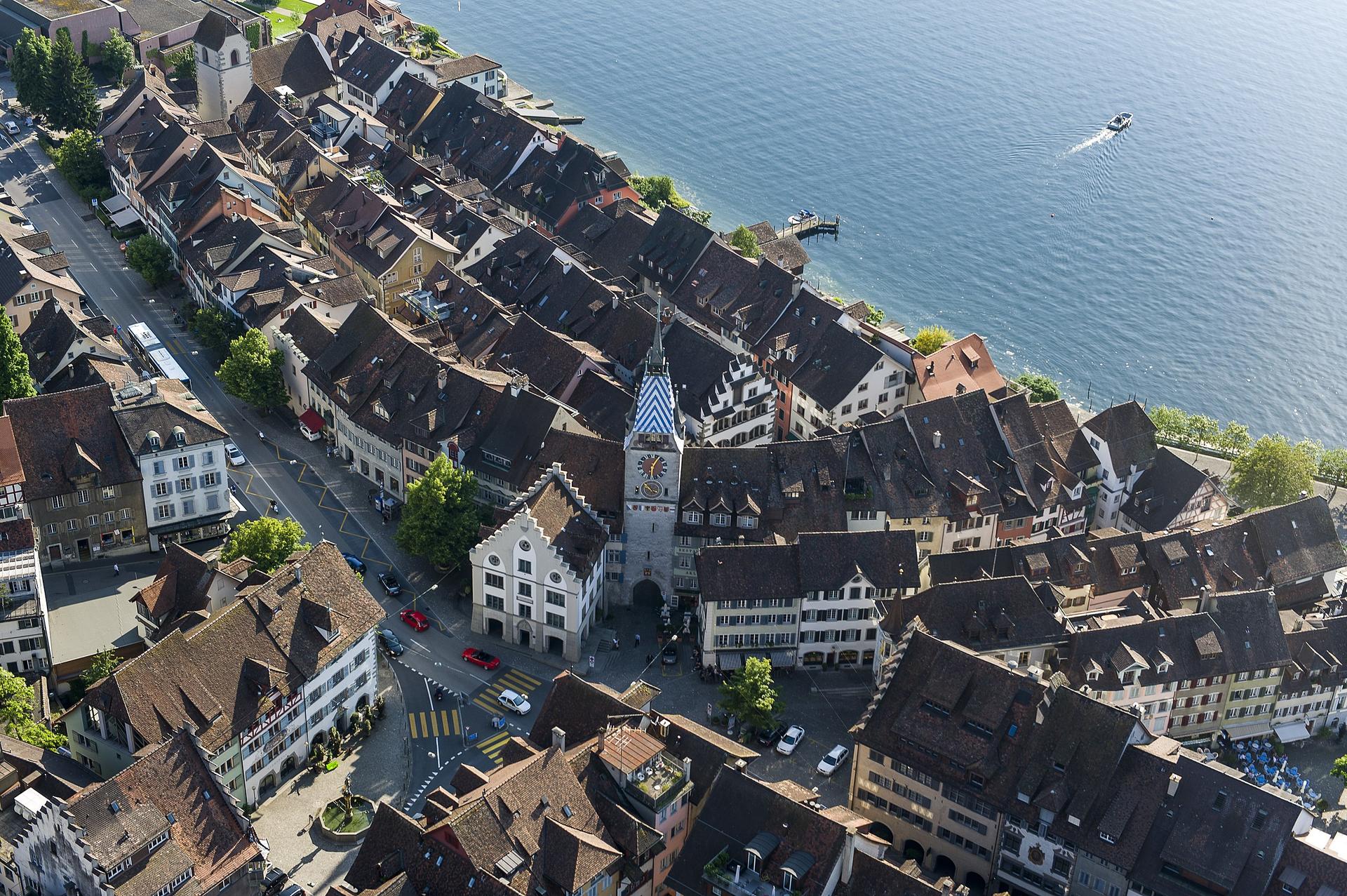
Looking beyond Lucerne Needle Dam? Discover Zug for broader travel guides, local hot-spots, and regional highlights.
Explore Zug
Discover the rich heritage and tranquil beauty of the Franciscan Church, a historical gem in the heart of Lucerne, Switzerland.
Experience the breathtaking beauty of Reussbrücke, a stunning bridge in Emmen, Switzerland, ideal for leisurely strolls and picturesque views.