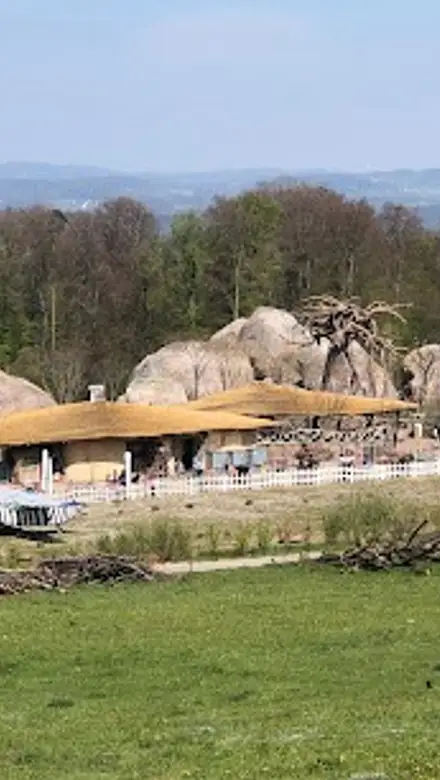
Lewa Savanne, Zurich Travel Guide
Free Guide: Zoo Zurich’s largest outdoor habitat, where giraffes, rhinos and open savanna landscaping create a slow, scenic wildlife walk above the city.


A brief summary of Lewa Savanne
Zoo Zurich’s largest outdoor habitat, where giraffes, rhinos and open savanna landscaping create a slow, scenic wildlife walk above the city.
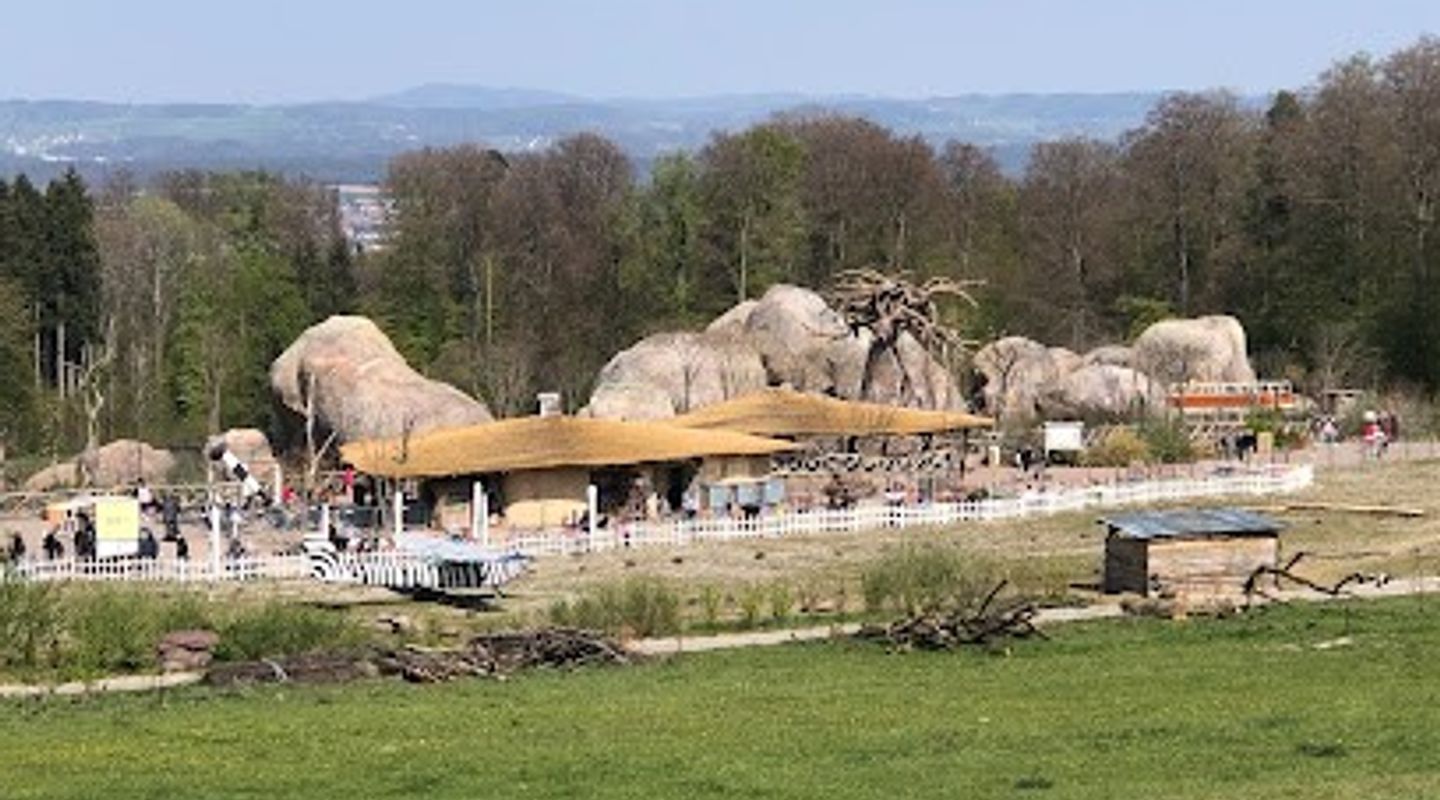
Lewa Savanna is Zoo Zurich’s largest open-air habitat, a 5.6-hectare sweep of grassland, baobab trees and long sightlines where giraffes and rhinos are the main draw. It feels less like a compact exhibit than a slow walk through a landscaped savanna, with animals viewed from paths that curve through the enclosure. Expect a calm, outdoor visit shaped by weather, walking distance and whatever the animals choose to do.
On-site amenities
 Restrooms
 Drink options
 Food options
 Seating areas
 Sheltered areas
 Trash bins
 Information boards
 Visitor centre
- Address
- Zürichbergstrasse 221 Zürich
- Phone
- Website
Getting there
Tram
Bus
Walking
Car
Discover more about Lewa Savanne
What it is
Lewa Savanna is a major outdoor habitat inside Zoo Zurich, not a standalone attraction. It is the zoo’s largest exhibit by area and one of its key conservation-themed projects, linked to the Lewa Wildlife Conservancy in Kenya. The setting is designed to evoke an African savanna rather than a conventional animal house: open paddocks, broad lawns, baobab trees and long viewing lines replace tight enclosures and indoor galleries.
What the visit feels like
The experience is slow-paced and self-guided. You move along walking paths and pause at viewing points while giraffes, rhinoceroses and other African species occupy a landscape that feels spacious by zoo standards. Because the habitat is open-air, the mood changes with the weather: bright days bring clear views and a more expansive feel, while rain, wind or winter cold make the area feel exposed. This is a place for lingering rather than ticking off a quick stop.
Why travellers come
Visitors come for the scale of the habitat and the chance to see large African animals in a setting that gives them room to move. The exhibit also reflects Zoo Zurich’s conservation messaging, so it appeals to travellers who want more than a simple animal collection. Families, school-age children, wildlife-minded visitors and casual zoo-goers all tend to fit the rhythm here. It works best as part of a broader zoo visit, with Lewa Savanna acting as one of the strongest outdoor sections.
Practical expectations
Reaching the zoo is easiest by public transport, and once inside, the walk to and through Lewa Savanna can involve meaningful distances and some uphill terrain. The wider zoo has toilets, food and drink outlets, seating and accessible routes, but the savanna itself remains largely open to the elements. Plan for 30 to 45 minutes if you are focusing mainly on this area, or one to two hours if you are combining it with nearby exhibits. Animal visibility is variable, so patience matters more than timing.
Best conditions
Clear, mild weather gives the best balance of comfort and visibility. Summer and spring are the busiest periods, especially on weekends and school holidays, but they also suit the outdoor layout. Cold, wet or very windy days reduce comfort and can make the habitat feel stark. If you want the most relaxed visit, aim for a weekday morning and allow enough time to walk at an unhurried pace.
Evendo Review Centre
 Google
Guest reviews
Best time to go
Quietest: Jan, Feb & Dec · before 9am or from 7pm
Busy times are Evendo estimates for a typical year, to help you plan. Actual crowds vary with events, school holidays and the weather.
Explore Lewa Savanne on the map
A handpicked selection of must-see spots near Lewa Savanne, mapped for you.
Get your free copy of our complete guide to Lewa Savanne, delivered straight to you.
Everything on this page, from opening hours and how to get there to Eve’s tips and the best time to go, in one PDF you can read offline, print or share.
Already have an account? Sign in
Your Lewa Savanne guide is ready.
We'll send it to · Not you? Sign out

Getting your guide ready…
We are putting together a fresh copy of the Lewa Savanne guide. This can take up to a minute.
This can take a few moments. If your browser asks, choose Allow so the download can start. You'll find the guide in your Downloads folder.
Nothing happened? Download it again
Sorry, the guide is taking longer than usual. Please try again in a minute, or get it by email instead.
Other nearby places you may find interesting
The closest places of the same kind, if this one is not quite what you had in mind.
-
-
-
-
-


Swipe for more places
More to explore near Lewa Savanne

 Best experiences near Lewa Savanne
 Best hotels near Lewa Savanne
 Best landmarks near Lewa Savanne
 Best attractions near Lewa Savanne
 Best shops near Lewa Savanne
 Best restaurants near Lewa Savanne
 Best bars near Lewa Savanne
Do you manage this location?
Take control to get all the benefits, like improved information, better appearance, and stronger visibility across AI-powered discovery.
Explore more

Explore more of Zurich
Discover Zurich, Switzerland's cultural and financial heart, where history, innovation, and stunning natural beauty create an unforgettable experience.
Explore Zurich
Explore more of Switzerland
Discover Switzerland's majestic landscapes, vibrant cities, and rich culture. From alpine adventures to urban exploration, experience the best of Europe in one destination.
Explore Switzerland