

Free Zurich Travel Guide & Mobile App
Plan your Zurich trip with Evendo. Get free guides to top attractions, restaurants, hotels, and bars. Web access or download the mobile app.


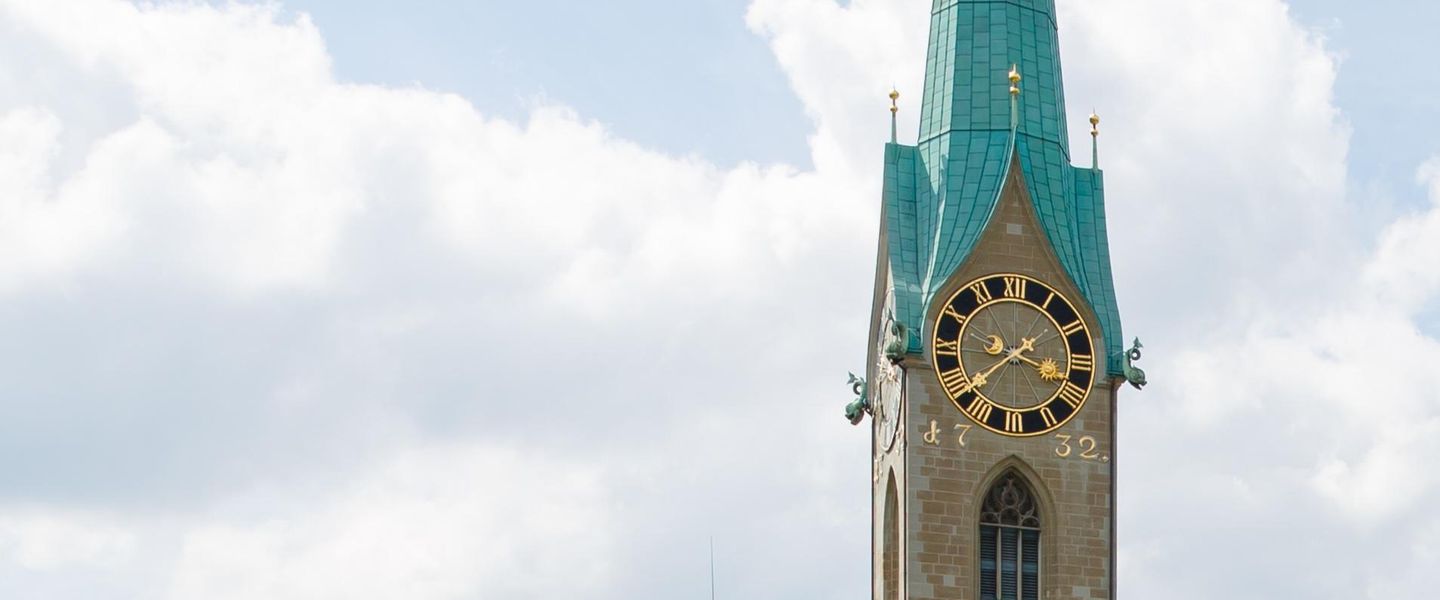


Zurich combines medieval lanes, lake views and world-class museums with Swiss food, design, finance and nearby Alpine landscapes for culture-rich city breaks.
Lake City and Historic Centre
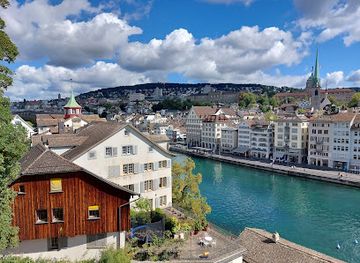
Zurich occupies the northern end of Lake Zurich, where the River Limmat leaves the water and threads through a compact historic centre. Its old town gathers around Lindenhof, Grossmünster and Fraumünster, with steep lanes, guild houses and riverside promenades revealing the city's medieval origins. Beyond the centre, elegant nineteenth-century boulevards give way to neighbourhoods shaped by industry, immigration, design and contemporary urban life.Read more about Zurich
Culture, Design and City Life
Water, Green Spaces and the Alps
When is the best time to visit Zurich?
Best: June, August–September · 21–26°C| Month | High (°C) | Rainfall (mm) |
|---|---|---|
| January | 3 | 59 |
| February | 3 | 54 |
| March | 8 | 70 |
| April | 15 | 81 |
| May | 20 | 110 |
| June (best) | 24 | 129 |
| July | 26 | 129 |
| August (best) | 26 | 107 |
| September (best) | 21 | 86 |
| October | 15 | 76 |
| November | 9 | 67 |
| December | 6 | 57 |
Getting to and around Zurich
How to get there
Transportation
Best attractions in Zurich
Zurich's principal attractions cluster around the Limmat and Lake Zurich but reward exploration beyond the historic core. The old town leads to Lindenhof, a wooded terrace with city views, and to Grossmünster, whose twin towers are closely associated with Zurich's skyline. Across the river, Fraumünster is known for its stained-glass windows by Marc Chagall and Augusto Giacometti. The Swiss National Museum beside Zürich Hauptbahnhof presents Swiss cultural history in an imposing historic building, while Kunsthaus Zürich holds an extensive collection spanning medieval art to modern and contemporary works. A cruise on Lake Zurich offers a different perspective on the city and its wooded shores, and the Uetliberg railway leads to walking paths above the urban area. Zürich-West adds former industrial architecture, the railway viaduct and contemporary cultural venues, giving sightseeing a distinctly modern counterpoint to the medieval centre.
-
Zoo
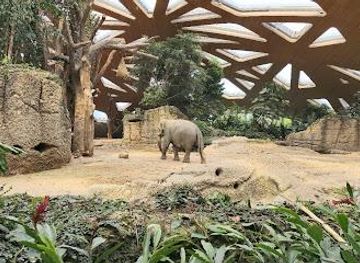
Zoo Zürich
A large hillside zoo in Zürich with forested paths, conservation-focused habitats, and the immersive Masoala Rainforest under one roof.
8 min drive · 2.6 km from city centre
-
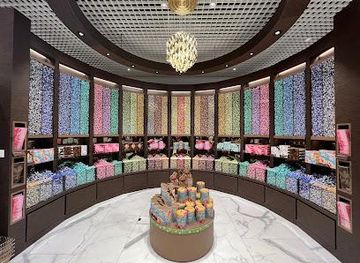
Lindt Home of Chocolate
A modern chocolate museum in Kilchberg with interactive exhibits, a giant shop, café and workshops, easy to reach from Zurich by public transport.
-
 Shopping mall
Einkaufszentrum Glatt
A major indoor shopping mall near Zurich, with broad retail choice, casual dining, and easy access from Wallisellen or the airport corridor.
16 min drive · 5.3 km from city centre
-
Tourist attraction
Lindenhof
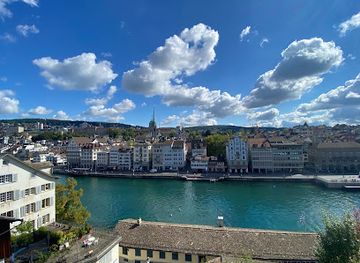
A compact hilltop park in Zurich’s old town, where Roman layers, lime trees, and open views over the Limmat make a short stop feel worthwhile.
5 min walk · 0.4 km from city centre
Best landmarks in Zurich
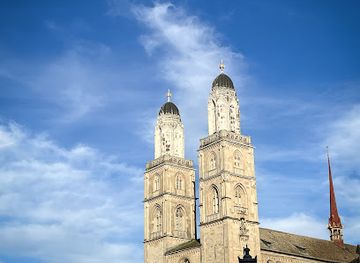
Grossmünster is Zurich's defining medieval landmark, a Romanesque church whose twin towers dominate views along the Limmat and whose history is closely linked with the Reformation led by Huldrych Zwingli. Opposite it, Fraumünster retains the presence of the former abbey and contains celebrated twentieth-century stained-glass windows by Marc Chagall and Augusto Giacometti. St Peter's Church is distinguished by one of Europe's largest clock faces and occupies a site associated with the city's early religious history. Lindenhof, once a Roman and medieval fortified position, is both a historic terrace and an important civic viewpoint. Bahnhofstrasse expresses the city's later commercial expansion, while the Swiss National Museum and the late-nineteenth-century Zürich Hauptbahnhof reflect the formation of modern Switzerland and Zurich's rise as a railway and financial centre.
-
Historical landmark
Lindenhof
Experience the historical charm and stunning views at Lindenhof, Zurich’s serene city park and landmark steeped in rich history.
5 min walk · 0.4 km from city centre
-
Protestant church
Grossmünster
Zurich’s twin-towered Protestant landmark, where Reformation history, Romanesque stonework and Old Town views come together in a compact visit.
10 min walk · 0.8 km from city centre
-
Train station
Zürich HB
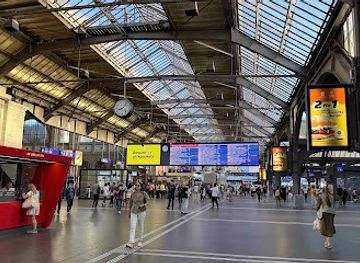
Zürich’s main rail station combines national connections, luggage storage, food courts and city-centre access in one busy, highly practical hub.
2 min walk · 0.2 km from city centre
-
Observation deck
Uetliberg Lookout Tower
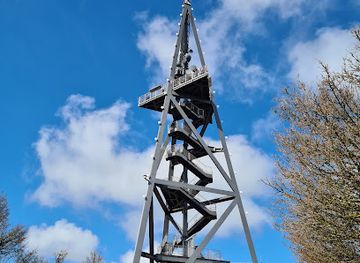
Discover breathtaking views of Zurich and the Swiss Alps from the Uetliberg Lookout Tower, a perfect blend of nature and stunning scenery.
15 min drive · 4.9 km from city centre
Explore Zurich on the map
Plan your Zurich trip on one map. See where the top attractions, landmarks, restaurants, bars and hotels are, find what's near where you're staying, and book hotels and experiences in a few clicks.
Neighbourhoods in Zurich
-

-

-

-

-


Swipe for more neighbourhoods
Best hotels in Zurich
Best restaurants in Zurich
Zurich's dining culture combines Swiss classics with the international influences of a prosperous, multilingual city. Zürcher Geschnetzeltes, veal in a creamy sauce traditionally served with Rösti, is a familiar local speciality, while Rösti itself appears in many regional variations. Fondue and raclette are widely available, particularly in colder months, though they are Swiss dishes rather than Zurich inventions. Bakeries and cafés offer breads, pastries and chocolate, and food markets provide cheese, vegetables and prepared dishes from Switzerland and abroad. The old town contains traditional guild-house restaurants and long-established dining rooms, while Langstrasse, Wiedikon and Zürich-West have a broader range of modern restaurants, casual eateries and international cuisine. Seasonal produce, lake fish and carefully presented contemporary cooking are also part of the city's restaurant scene, with vegetarian and plant-based options increasingly visible.
-
Swiss
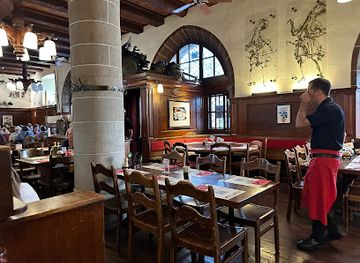
Zeughauskeller
Historic Zurich restaurant in a 1487 building, serving hearty Swiss dishes and beer in a busy central room off Bahnhofstrasse.
9 min walk · 0.7 km from city centre
-
Vegetarian
Haus Hiltl
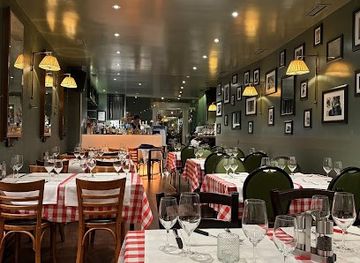
Zurich’s oldest vegetarian restaurant pairs buffet dining, à la carte meals, and a central Sihlstrasse address with more than a century of history.
7 min walk · 0.5 km from city centre
-
Fast Food
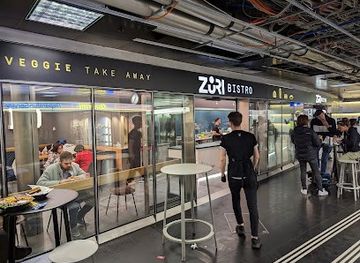
Züri Bistro
A compact, station-level fast-food stop in Zürich HB, serving kebabs and döner to commuters, shoppers, and travellers moving through ShopVille.
1 min walk · 0.1 km from city centre
-
Swiss
Zum Königstuhl - Schweizer Restaurant in Zürich Niederdorf
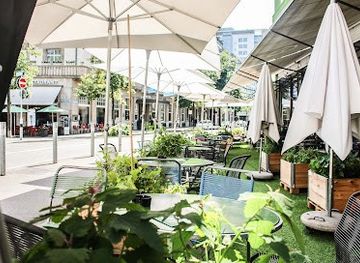
A 1613 guild-house restaurant in Zurich’s Niederdorf, serving Swiss classics, fondue, and courtyard dining steps from the Old Town streets.
6 min walk · 0.5 km from city centre
Best bars in Zurich
Zurich's evening life ranges from quiet riverside drinks and wine bars to late-night clubs in former industrial spaces. Niederdorf and the streets around the old town contain traditional bars, small cocktail venues and places suited to an early evening, while Langstrasse has a denser, more diverse concentration of bars, music venues and clubs. Zürich-West adds large-scale nightlife, concert spaces and converted industrial buildings, although the atmosphere varies considerably from one venue to another. Cabaret Voltaire continues the city's association with experimental culture, and the Schauspielhaus Zürich and other performance venues provide theatre and music beyond clubbing. During warm weather, riverside bathing areas and lakefront meeting places become important social spaces. Swiss licensing rules and venue policies differ, so evening plans are best shaped around the specific district and programme rather than assumptions about opening times.
-
Hotel
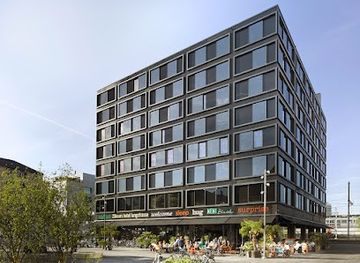
25hours Hotel Zürich Langstrasse
A central Zurich lifestyle hotel with themed interiors, a lively bar, NENI dining, sauna, gym, and easy access to the main station.
13 min walk · 1.1 km from city centre
-
Hotel
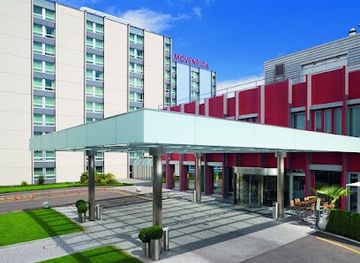
Mövenpick Hotel Zürich Airport
A contemporary Zurich airport hotel with shuttle links, business facilities, and straightforward access for layovers, meetings, and early departures.
22 min drive · 7.3 km from city centre
-
Hotel
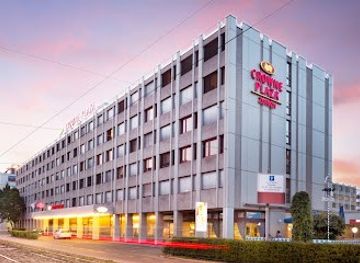
Crowne Plaza Zurich by IHG
A modern Zurich West hotel with tram access, conference facilities, parking, and a business-first layout that works well for short city stays.
8 min drive · 2.7 km from city centre
-
Pub
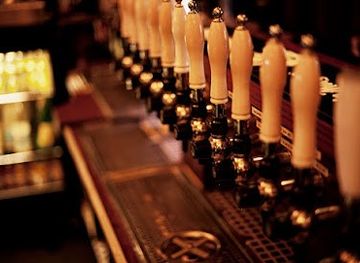
Nelson
Central Zürich English-style pub with beer, whiskey, snacks, sports, and a late-night social scene that shifts from after-work drinks to DJ-led evenings.
2 min walk · 0.2 km from city centre
Best nightclubs in Zurich
Zurich's evening life ranges from quiet riverside drinks and wine bars to late-night clubs in former industrial spaces. Niederdorf and the streets around the old town contain traditional bars, small cocktail venues and places suited to an early evening, while Langstrasse has a denser, more diverse concentration of bars, music venues and clubs. Zürich-West adds large-scale nightlife, concert spaces and converted industrial buildings, although the atmosphere varies considerably from one venue to another. Cabaret Voltaire continues the city's association with experimental culture, and the Schauspielhaus Zürich and other performance venues provide theatre and music beyond clubbing. During warm weather, riverside bathing areas and lakefront meeting places become important social spaces. Swiss licensing rules and venue policies differ, so evening plans are best shaped around the specific district and programme rather than assumptions about opening times.
-
Nightclub
Hive
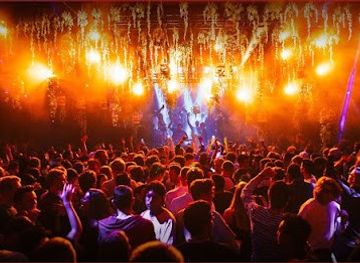
A multi-room electronic club in Zürich’s Kreis 5, where late-night sets, guest DJs and urban nightlife culture shape the experience.
6 min drive · 1.8 km from city centre
-
Nightclub
Kaufleuten Klub
Central Zurich nightlife institution combining DJ nights, cultural events, and dining in an upscale indoor complex near Pelikanplatz.
9 min walk · 0.7 km from city centre
-
Nightclub
Club04 - Techno und After-Hour Club
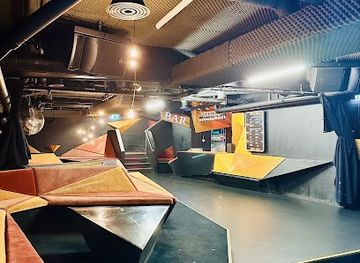
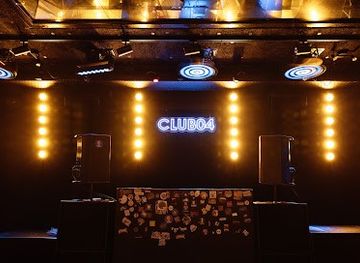
A dark, compact techno club in Zürich’s Langstrasse district, where late-night sets, after-hours sessions, and a music-first crowd set the pace.
14 min walk · 1.1 km from city centre
-
Nightclub
Bagatelle 93
A late-night Langstrasse club in central Zürich, built for drinks, DJs, and a crowd that arrives after dark and stays until dawn.
14 min walk · 1.1 km from city centre

Best shops in Zurich
Zurich offers a concentrated mixture of prestigious retail, independent shops and everyday Swiss commerce. Bahnhofstrasse runs from Zürich Hauptbahnhof towards the lake and is associated with department stores, Swiss watchmakers, jewellery and international labels, while the old town provides smaller boutiques, bookshops, antique dealers and specialist retailers along streets such as Niederdorfstrasse and Münstergasse. The markets at Bürkliplatz and other central locations vary by day and season, offering flowers, produce, cheese and local goods. Zürich-West and districts such as Wiedikon bring design shops, galleries and more contemporary independent businesses. Typical purchases include Swiss chocolate, watches, knives, textiles, cheese and carefully designed household goods, though quality and authenticity vary. Visitors interested in food can also explore delicatessens and market stalls for regional products rather than relying solely on souvenir shops.
-
International airport
Zürich
Airside duty-free shopping at Zurich Airport, with perfumes, spirits, confectionery, and Reserve & Collect pickup for time-pressed travellers.
28 min drive · 9.5 km from city centre
-
Department store
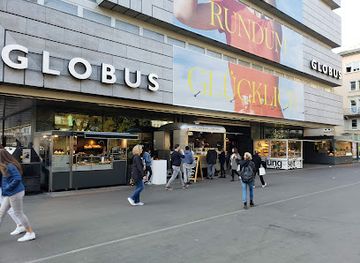
GLOBUS | Zürich Warenhaus
A central Zürich department store on Bahnhofstrasse, known for luxury brands, gourmet food, and in-store dining in a polished indoor setting.
4 min walk · 0.3 km from city centre
-
Supermarket
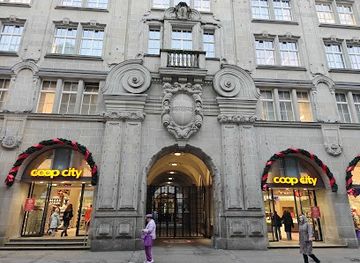
Coop Supermarkt City Zürich St. Annahof Food
A central Zurich supermarket on Bahnhofstrasse with fresh counters, a restaurant, and practical services for travellers, commuters, and nearby residents.
7 min walk · 0.5 km from city centre
-
Supermarket
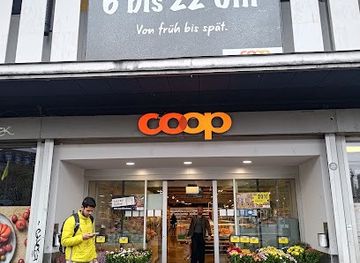
Coop Supermarkt Zürich Bahnhofbrücke
A central Zürich supermarket by the main station, built for quick groceries, takeaway food, and commuter convenience in a busy urban corridor.
1 min walk · 0.1 km from city centre
Get your free copy of our complete guide to Zurich, delivered straight to you.
Everything on this page, from attractions and restaurants to essentials and local phrases, in one PDF you can read offline, print or share.
Already have an account? Sign in
Your Zurich guide is ready.
We'll send it to · Not you? Sign out

Getting your guide ready…
We are putting together a fresh copy of the Zurich guide. This can take up to a minute.
This can take a few moments. If your browser asks, choose Allow so the download can start. You'll find the guide in your Downloads folder.
Nothing happened? Download it again
Sorry, the guide is taking longer than usual. Please try again in a minute, or get it by email instead.
Zurich essentials
Currency and Payment
Safety
Emergency Situations
Do's and Don'ts
Local Tips
From Eve
Local phrases worth knowing
You don't need to get them perfect. A few words go a long way, and locals appreciate the effort.
Basics
| English | Local | Say it |
|---|---|---|
| Hello | Grüezi | [grü-tsey] |
| Goodbye | Adieu | [a-dyuh] |
| Yes | Ja | [yah] |
| No | Nein | [nine] |
| Please/You're welcome | Bitte | [bit-teh] |
| Thank you | Danke | [dahn-kuh] |
| Excuse me/Sorry | Entschuldigung | [ent-shool-di-goong] |
| How are you? | Wie geht's? | [vee-gaits] |
| Fine. And you? | Gut. Und dir? | [goote. oont deer] |
| Do you speak English? | Sprichst du Englisch? | [shprihst doo eng-lisch] |
| I don't understand | Ich verstehe nicht | [eekh fair-shtay-uh nikht] |
Eating & Drinking
| English | Local | Say it |
|---|---|---|
| I'd like to see the menu, please | Ich möchte bitte die Speisekarte sehen | [eekh mehrkhtuh bit-tuh dee shpi-zuh-kar-tuh zay-en] |
| I don't eat meat | Ich esse kein Fleisch | [eekh ess-uh kine flysh] |
| Cheers! | Prost! | [prohst] |
| I would like to pay, please | Ich möchte bitte bezahlen | [eekh mehrkhtuh bit-tuh buh-tsah-len] |
Emergencies
| English | Local | Say it |
|---|---|---|
| Help! | Hilfe! | [hil-feh] |
| Go away! | Geh weg! | [geh vehk] |
| Call the Police! | Rufen Sie die Polizei! | [roo-fen zee dee poh-lee-tsey] |
| Call a doctor! | Rufen Sie einen Arzt! | [roo-fen zee i-nen ahrts] |
| I'm lost | Ich habe mich verirrt | [eekh hah-buh meekh fair-eert] |
| I'm ill | Ich bin krank | [eekh been krahngk] |
Shopping
| English | Local | Say it |
|---|---|---|
| I'd like to buy... | Ich möchte ... kaufen | [eekh mehrkhtuh ... kouf-en] |
| I'm just looking | Ich schaue nur | [eekh shou-uh noor] |
| How much is it? | Wie viel kostet das? | [vee feel kohstet dahs] |
| That's too expensive | Das ist zu teuer | [dahs ist tsoo toy-er] |
| Can you lower the price? | Kannst du den Preis senken? | [kahnst doo den prees zeng-ken] |
Time & Numbers
| English | Local | Say it |
|---|---|---|
| What time is it? | Wie viel Uhr ist es? | [vee feel oor ist es] |
| It's one o'clock | Es ist ein Uhr | [es ist iyn oor] |
| Half past (10) | Halb (zehn) | [halb (tsayn)] |
| Morning | Morgen | [mohr-ghen] |
| Afternoon | Nachmittag | [nahk-mit-tahk] |
| Evening | Abend | [ah-bent] |
| Yesterday | Gestern | [geh-stern] |
| Today | Heute | [hoy-teh] |
| Tomorrow | Morgen | [mohr-ghen] |
| 1 | eins | [iyns] |
| 2 | zwei | [tsvay] |
| 3 | drei | [dry] |
| 4 | vier | [feer] |
| 5 | fünf | [fuhnf] |
| 6 | sechs | [zeks] |
| 7 | sieben | [zee-ben] |
| 8 | acht | [ahkt] |
| 9 | neun | [noyn] |
| 10 | zehn | [tsayn] |
Transport & Directions
| English | Local | Say it |
|---|---|---|
| Where's a/the...? | Wo ist ein/der...? | [voh ist iyn/dehr] |
| What's the address? | Was ist die Adresse? | [vahs ist dee ah-dreh-suh] |
| Can you show me (on the map)? | Können Sie mir (auf der Karte) zeigen? | [ker-nen zee meer (ouf dehr kar-tuh) tsay-gen] |
| When's the next (bus)? | Wann fährt der nächste (Bus)? | [vahn fairt dehr nekh-stuh (boos)] |
| A ticket (to ....) | Eine Fahrkarte (nach ...) | [iyn-uh fahr-kar-tuh (nahkh ...)] |
History of Zurich
Turicum and the Roman Settlement
Zurich's earliest recorded urban history is connected with the Roman settlement of Turicum, established near the modern Lindenhof and the crossing of the River Limmat. The site occupied a strategic position between the lake and routes leading towards the Swiss plateau and Alpine passes. Roman administration brought roads, trade and formal settlement, while archaeological discoveries around the old town and Lindenhof have helped establish the importance of the location. After Roman authority weakened in the fifth century, Alemannic communities settled in the region. The combination of waterway, transport routes and defensible high ground continued to shape Zurich's development long after the Roman period.
Medieval Growth and Civic Independence
During the medieval period Zurich developed around religious foundations, markets and its position on regional trade routes. The Grossmünster became an important ecclesiastical centre, while Fraumünster Abbey exercised considerable authority and held land in the surrounding region. In 1218, after the extinction of the Zähringen line, Zurich became a free imperial city within the Holy Roman Empire, strengthening its civic institutions. Guilds later gained political influence and helped organise both economic and public life. The surviving lanes, churches, guild houses and riverside buildings of the old town reflect this period, although many structures have been altered or rebuilt over the centuries.
Zwingli and the Reformation
Zurich became one of the leading centres of the Swiss Reformation under Huldrych Zwingli, who served at the Grossmünster from 1519. He challenged practices of the Roman Catholic Church and promoted preaching based on the Bible, gaining support from the city council. In 1523, public disputations helped establish the direction of reform, and Zurich subsequently removed many Catholic images and ended the Mass. The Reformation transformed religious institutions, education and civic identity, while the former Fraumünster convent was dissolved. Zwingli was killed in 1531 during the Second Kappel War, but the religious and political changes associated with Zurich continued to influence the city and wider Swiss Confederation.
From Subject Territory to Canton
For centuries, Zurich governed a territory beyond its walls while rural communities remained politically subordinate to the city. The upheavals accompanying the French Revolution and the French occupation of Switzerland in 1798 ended the old system and created the Helvetic Republic. Zurich later became a canton within the modern Swiss federal structure established in 1848. Industrialisation accelerated during the nineteenth century, supported by railways, banking, textile production and engineering. The arrival of the railway in 1847 connected the city more closely with national and international markets, and the area around the main station became a major transport and commercial focus.
Urban Expansion and Modern Culture
Zurich expanded rapidly during the nineteenth and early twentieth centuries as surrounding municipalities were incorporated and new residential, commercial and industrial districts developed. The city became an important centre of finance, publishing, education and the arts. In 1916, during the First World War, artists and writers gathered at Cabaret Voltaire in the old town, where the Dada movement emerged as a deliberately experimental response to conventional culture. The University of Zurich and ETH Zurich strengthened the city's intellectual reputation, while modern architecture and social housing reshaped its growing neighbourhoods. This period created much of the urban framework visible beyond the medieval centre.
Post-war Transformation and Zürich-West
After the Second World War, Zurich developed as an international financial and business centre while remaining a major cultural and educational city. Former industrial areas along the railway viaduct and around Zürich-West gradually changed as manufacturing declined and offices, arts venues, housing and restaurants moved into renovated buildings. Projects including the transformation of the Löwenbräu area and the opening of contemporary cultural institutions reflected this shift. The city also invested in public transport, pedestrian areas and riverside spaces, helping limit dependence on private cars. Today Zurich's identity combines a highly organised urban environment with historic civic traditions, international communities and a visible culture of design and innovation.
Zurich in Photos
Browse through our photo collection highlighting the charm and character of the destination.
Cities near Zurich
The closest cities to Zurich, if you have time for more than one stop.
-

-

-

-
-


Swipe for more cities

