
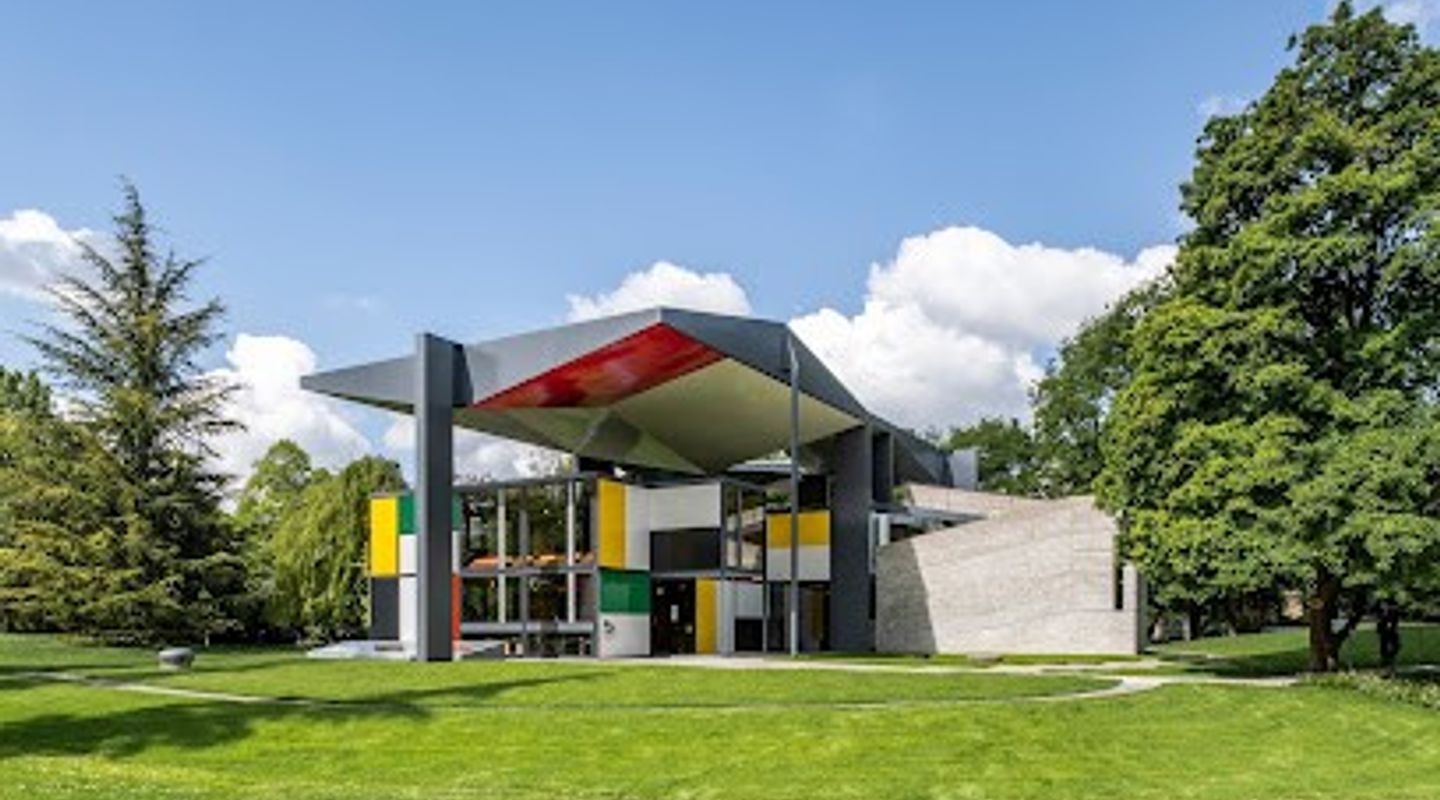
Pavillon Le Corbusier, Zurich Travel Guide
Le Corbusier’s final building in Zurich pairs steel, glass and lakeside light in a compact museum visit that rewards close architectural attention.
On Zurich’s lakeside edge, Pavillon Le Corbusier is less a conventional museum than a compact architectural walk-through. Le Corbusier’s final realised building, and his only steel-and-glass structure, it rewards close attention to colour, ramps, roof forms and the way light moves through the interior. Visits are short, focused and best for travellers who care about design, modernism and urban lakeside settings.
A brief summary to Pavillon Le Corbusier
- Höschgasse 8, Zürich, 8008, CH
- Click to display
- Click to display
- Duration: 0.5 to 2 hours
- Mid ranged
-
 Mixed
Mixed
- Mobile reception: 4 out of 5
- Tuesday 12 pm-6 pm
- Wednesday 12 pm-6 pm
- Thursday 12 pm-8 pm
- Friday 12 pm-6 pm
- Saturday 12 pm-6 pm
- Sunday 12 pm-6 pm

Know before you go
Hi, I'm Eve. Here are a few practical things to know before exploring Pavillon Le Corbusier.
- Plan for a short visit; the pavilion is compact and works best as a focused stop rather than a long museum session.
- Use public transport if possible, as tram and bus access is the practical option and there is no on-site parking.
- Choose a mild, dry day if you want the exterior, roof elements and lakeside setting to feel at their best.
Do you manage this location?
Take control to get all the benefits, like improved information, better appearance, and stronger visibility across AI-powered discovery. Learn more about listing your business on Evendo
Activate your presenceOther nearby places you may find interesting
The closest places of the same kind, if this one is not quite what you had in mind.
Explore Pavillon Le Corbusier on the Map
A handpicked selection of must-see spots near Pavillon Le Corbusier, mapped for you.
Unlock the Best of Pavillon Le Corbusier
Buy tickets
-
No tickets available
Book tours with entry
-
No tours available
Book tours without entry

Getting There
-
Tram
Tram 11 or 15 is the most practical approach from central Zurich, with a short onward walk from Höschgasse.
-
Bus
Bus connections also serve the area, including routes that stop near Höschgasse; useful if you are coming from another lakeside district.
-
Rail plus walk
From Zurich Stadelhofen, expect roughly a 15-minute walk, making this a straightforward add-on to a city day out.
-
On foot or by bike
Walking or cycling from nearby lakeside neighbourhoods is realistic in fair weather, but the site is not suited to driving.
For the on-the-go comforts that matter to you
-
 Restrooms
-
 Seating Areas
-
 Sheltered Areas
-
 Information Boards
-
 Visitor Center
Discover more about Pavillon Le Corbusier
What it is
Pavillon Le Corbusier is an architecture museum and exhibition pavilion dedicated to Le Corbusier, but the building itself is the main exhibit. It was commissioned by Heidi Weber, opened in 1967, and stands as the architect’s last realised design. It is also his only building made of steel and glass, which gives it a precise, almost engineered presence among Zurich’s more conventional lakeside buildings.The pavilion was conceived as a “synthesis of the arts”, so the visit is not about a large collection or a long sequence of galleries. Instead, you move through a compact, multi-level structure where the architecture, materials and display spaces are tightly linked. For visitors interested in modernism, it feels like reading a finished argument in built form.The visitor experience
A visit usually unfolds as a short-to-medium architectural promenade. You enter, move through ramps and levels, and keep noticing how colour, structure and glazing shape the space. The building is intimate rather than grand, and that is part of its appeal: you are close to the details, from the steel frame to the rooftop elements.The atmosphere is quiet and measured. People tend to speak softly, pause at viewpoints, and spend time looking back at the building as much as at the exhibitions inside. It suits travellers who like to linger over form and proportion rather than rush through a checklist of rooms. If you expect a large museum with extensive collections, this will feel too small; if you want a concentrated encounter with a major modernist work, it is well judged.Setting and atmosphere
The pavilion sits on Zurich’s eastern lakeside, near the waterfront and urban residential streets. That setting matters. The building’s coloured panels and glass surfaces catch the light differently through the day, and the lakeside context gives the visit a calm, open feel without turning it into a scenic overlook. The exterior is as important as the interior, and the roof terrace adds another layer to the experience when weather allows.Because the pavilion is compact, the visit rarely takes long. Most travellers spend around 30 to 45 minutes here, though architecture fans may stay for an hour or two if they read the displays carefully and spend time outside. It works well as a focused stop rather than a half-day outing.Practical expectations
Public transport is the sensible way to reach it. Tram and bus connections serve the Höschgasse area, and Zurich Stadelhofen is within walking distance. There is no on-site parking, so driving is not a practical choice. The building is seasonal and closed in winter, which means the experience is concentrated into the warmer months.Dry, mild weather gives the best overall visit, especially if you want to appreciate the exterior and approach on foot. In rain, the museum remains perfectly usable because the core experience is indoors. In hot weather, the building can become warm, particularly on upper levels, so summer visits are best kept relatively brief. This is a specialist stop, but for travellers interested in architecture, it is one of Zurich’s most distinctive.












Your all‑in‑one travel companion app
Explore expert travel guides, compare and book tours, experiences, hotels, and more—all from the palm of your hand. Download now for seamless trip planning wherever your wanderlust takes you.


Explore More of Zurich
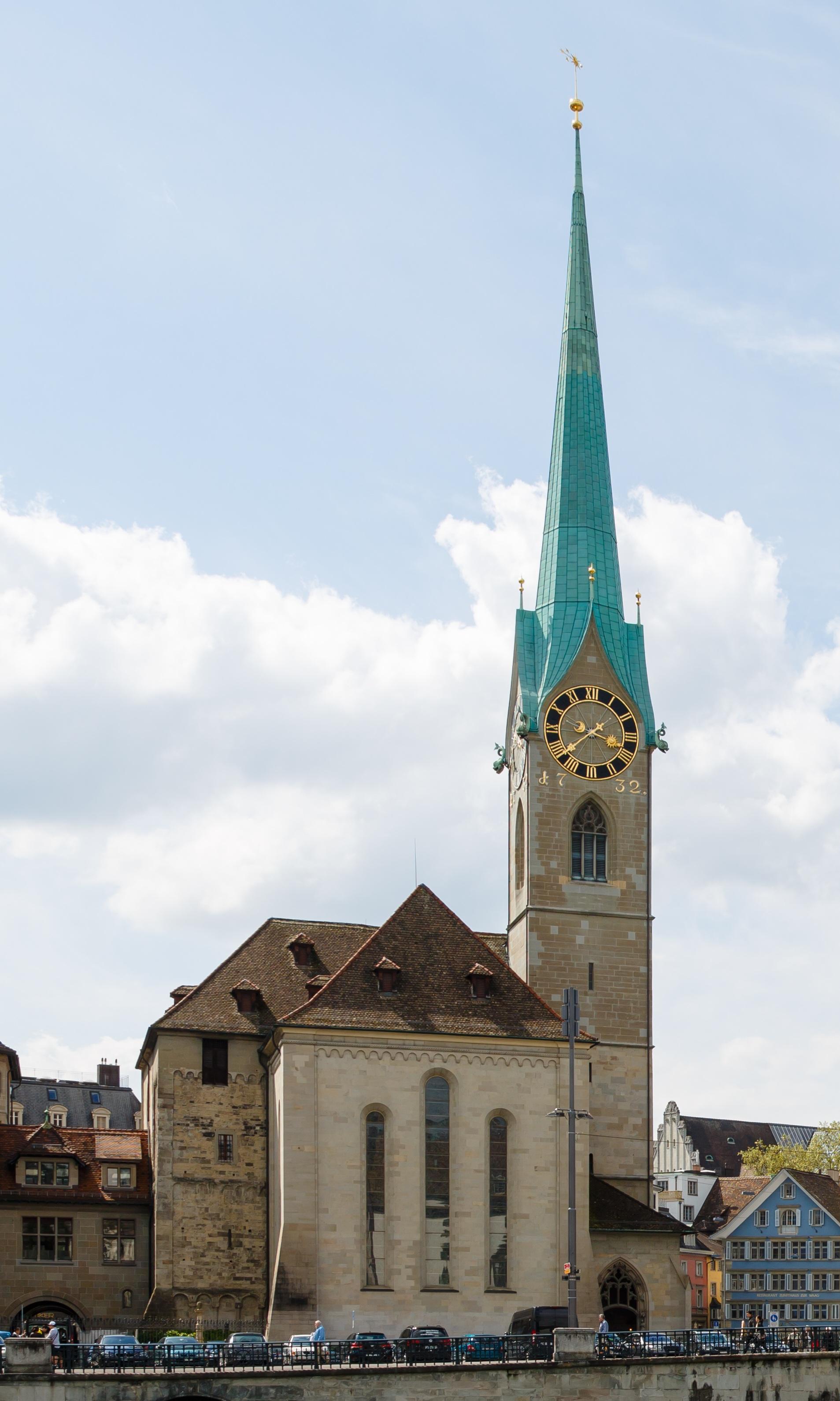
Looking beyond Pavillon Le Corbusier? Discover Zurich for broader travel guides, local hot-spots, and regional highlights.
Explore Zurich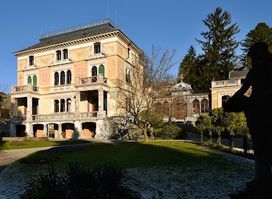
A compact Zurich heritage centre in Villa Patumbah, pairing architecture exhibitions, colonial history, and a public park in Seefeld.
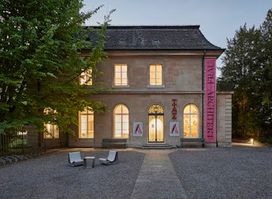
A small but serious architecture centre in a restored lakeside villa, where Zurich's urban debates meet exhibitions, talks and promenade walks.
