UBS Polybahn, Zurich Travel Guide
A historic Zurich funicular that climbs from Central to ETH in minutes, combining a steep urban ascent with a working piece of city transport history.
UBS Polybahn is a compact historic funicular in central Zurich, linking Central on the riverfront with the ETH Polyterrasse above the old town. The ride lasts only minutes, but it compresses a steep climb, city views, and more than a century of transport history into one efficient trip. Most visitors use it as a scenic connector rather than a standalone excursion.
A brief summary to UBS Polybahn
- Limmatquai 144, Zürich, 8001, CH
- Click to display
- Click to display
- Duration: 0.1 to 0.5 hours
- Budget
-
 Mixed
Mixed
- Mobile reception: 5 out of 5
- Monday 6:30 am-9 pm
- Tuesday 6:30 am-9 pm
- Wednesday 6:30 am-9 pm
- Thursday 6:30 am-9 pm
- Friday 6:30 am-9 pm
- Saturday 7:30 am-9 pm
- Sunday 9 am-9 pm

Know before you go
Hi, I'm Eve. Here are a few practical things to know before exploring UBS Polybahn.
- Use it as part of a walking route between Central, the old town, and ETH rather than as a long standalone attraction.
- Clear weather gives the best city views; in rain or fog, the ride still works well as transport but feels less scenic.
- Expect short waits at busy times, especially around commuter peaks and university travel periods.
Do you manage this location?
Take control to get all the benefits, like improved information, better appearance, and stronger visibility across AI-powered discovery. Learn more about listing your business on Evendo
Activate your presenceOther nearby places you may find interesting
The closest places of the same kind, if this one is not quite what you had in mind.
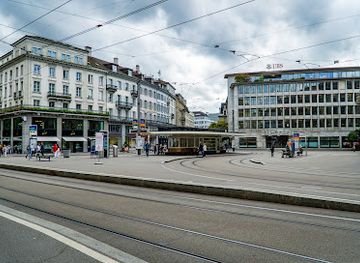
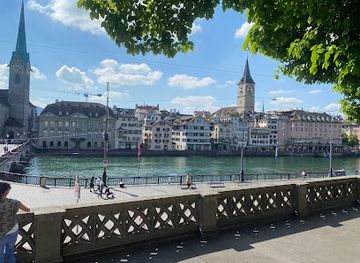
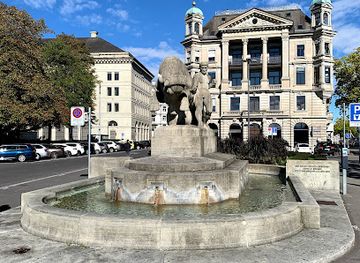
Explore UBS Polybahn on the Map
A handpicked selection of must-see spots near UBS Polybahn, mapped for you.
Unlock the Best of UBS Polybahn
Buy tickets
-
No tickets available
Book tours with entry


Book tours without entry
-
No tours available
Getting There
-
On foot
From Central, Bahnhofstrasse, or the old town, the lower station is usually only a few minutes away on foot.
-
Public transport
Trams and local transit make Central easy to reach, and this is the most practical way to arrive if you are already moving around Zurich.
-
Taxi or rideshare
Possible in central Zurich, but usually unnecessary because the line is already in a dense, well-connected part of the city.
-
Driving
Technically possible, but parking is limited and expensive in the centre, so it is rarely the sensible choice.
For the on-the-go comforts that matter to you
-
 Sheltered Areas
-
 Seating Areas
-
 Information Boards
Discover more about UBS Polybahn
What it is
UBS Polybahn is a small urban funicular that has linked the lower city with the ETH terrace since 1889. It began life as the Zürichbergbahn and remains in regular public service, which is part of its appeal: this is not a museum piece behind glass, but a working line used by commuters, students, and visitors moving between Central and the university district.The route is very short, but the gradient is steep enough to make the ascent feel dramatic. Two cars shuttle between enclosed stations, carrying you from the riverfront edge of the old town up to a higher academic plateau. The experience is quick, practical, and slightly nostalgic, with the kind of mechanical charm that comes from a line that has outlived several generations of city transport.How the visit unfolds
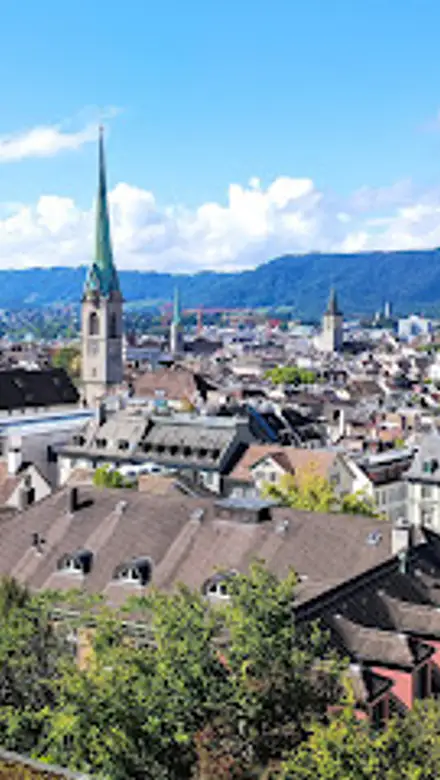
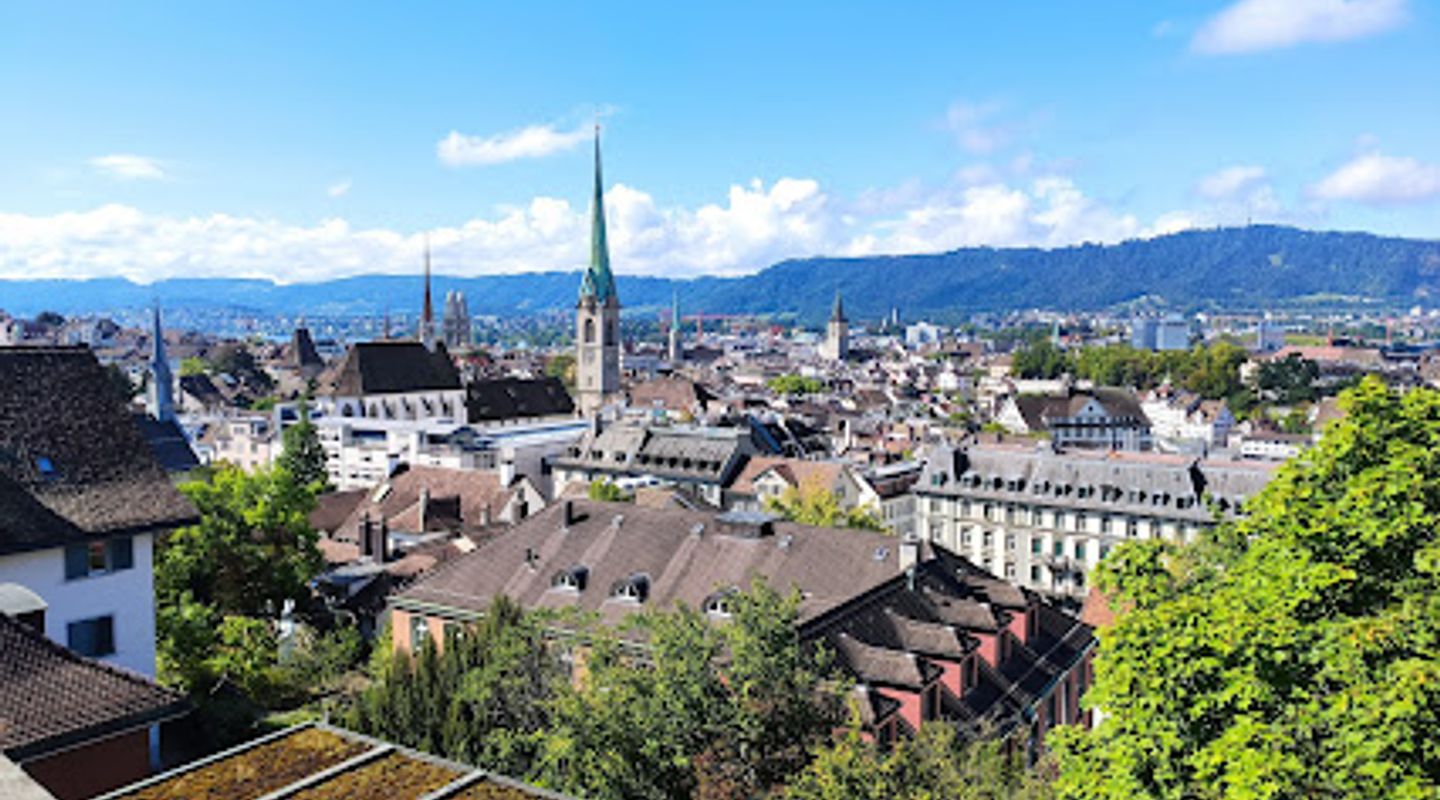
Most travellers ride the Polybahn as part of a walk through central Zurich. You board at Central, climb in a matter of minutes, step out at the ETH end, and continue on foot toward the campus, terrace, or nearby viewpoints. The ride itself is brief enough that there is little time to settle in, which is exactly why it works: it feels like a clean, efficient transition between two parts of the city rather than a detour.The lower station sits in a busy urban setting, so the atmosphere is more local transport hub than attraction queue. On clear days, the ascent gives you a compact but satisfying view of the city’s slope and roofline. In poor weather, the line still functions well as transport, though the sightseeing value drops. Because the journey is so short, waiting time often matters more than the ride itself.History and urban context
The Polybahn is closely tied to Zurich’s identity as a city that has long adapted its steep terrain with clever transport. It was rescued from closure in the 1970s and later rebuilt, which helped secure its place as both a utility and a heritage landmark. Its current name reflects its connection to ETH Zurich, whose former polytechnic sits at the upper end of the line.That history gives the ride a distinct character. You are not just crossing a hill; you are using a piece of preserved urban infrastructure that still does the job it was built for. For travellers interested in city systems, engineering, or transport history, that combination is the main reason to ride.Practical expectations
The Polybahn is best treated as a short, low-effort experience that fits neatly into a wider Zurich itinerary. It is easy to reach from the city centre on foot or by tram, and it is especially useful if you are moving between Bahnhofstrasse, Central, the old town, and ETH. The setting is urban, the ride is brief, and the facilities are basic, with more services available in the surrounding district than at the line itself.Expect a compact, efficient climb rather than a leisurely outing. The line is busiest during commuting periods and daytime visitor flow, while maintenance closures can interrupt service at times. For travellers who like transport landmarks with real function, the Polybahn offers a rare mix of utility, history, and a quick elevated view over central Zurich.












Your all‑in‑one travel companion app
Explore expert travel guides, compare and book tours, experiences, hotels, and more—all from the palm of your hand. Download now for seamless trip planning wherever your wanderlust takes you.


Explore More of Zurich
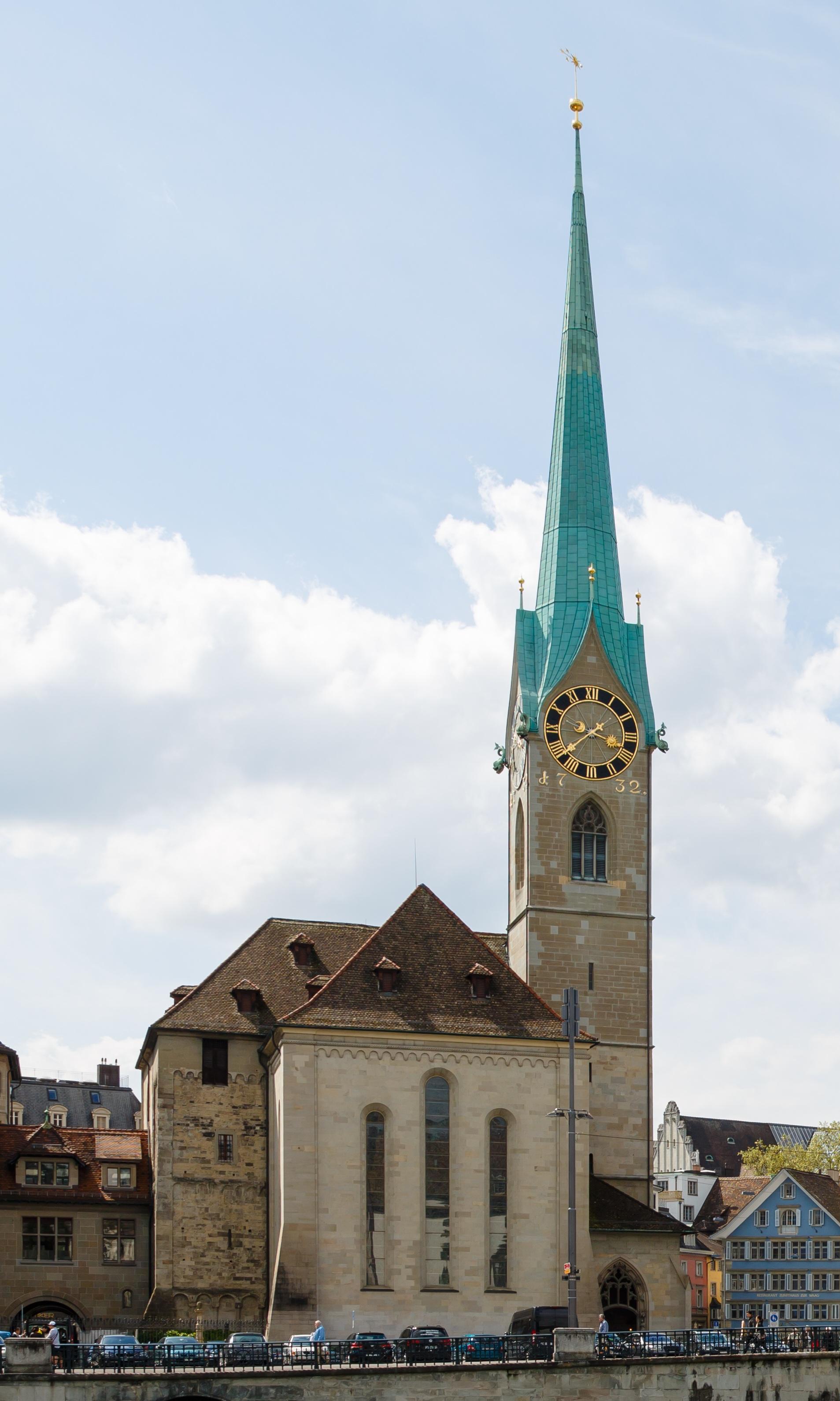
Looking beyond UBS Polybahn? Discover Zurich for broader travel guides, local hot-spots, and regional highlights.
Explore Zurich
A compact Zurich landmark on Bahnhofplatz, where the Alfred Escher statue marks the station forecourt and the start of Bahnhofstrasse.
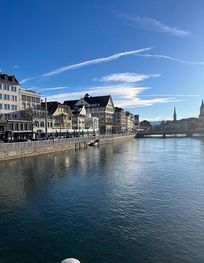
Experience the scenic beauty of Mühlesteg, a picturesque bridge in Zürich offering stunning views and a gateway to the city's vibrant atmosphere.