

Ari (Bangkok) Travel Guide - Free
Explore Ari in Bangkok with Evendo's free guide. Find the best shops, historic streets, restaurants, and gems on web or mobile.


Ari, Bangkok’s leafy café quarter, pairs quiet residential sois with Thai food, creative shops, street life and easy BTS access north of the city centre.
Residential Streets with a Creative Edge
Ari occupies the area around Phahonyothin Soi 7 in northern Bangkok, with BTS Ari providing its clearest point of reference. The neighbourhood is neither a conventional historic quarter nor a purpose-built tourist district: its character comes from the contrast between quiet residential sois, mid-century apartment buildings, offices, small businesses and a flourishing café scene. Ari Samphan Road and the surrounding lanes lead into a patchwork of local eateries, coffee shops, bakeries, design-led stores and low-rise compounds, while Phahonyothin Road carries the heavier traffic of the wider city.Read more about Ari
Everyday Bangkok, Reworked
Position in the City
Best attractions in Ari
Ari’s attractions are chiefly urban and local in scale rather than monumental. The BTS Ari station provides a useful starting point for exploring Phahonyothin Soi 7, Ari Samphan Road and the network of smaller lanes where cafés, bakeries, restaurants, galleries and design-led shops occupy mixed-use buildings. The pleasure is in the changing streetscape: older low-rise residences and planted compounds appear between newer apartment blocks, offices and carefully fitted-out businesses. Visitors can browse independent venues, pause for Thai food or coffee, and observe the everyday movement of commuters, delivery riders and local residents. Ari Samphan Road is particularly useful for understanding the area’s contemporary identity, while the quieter side sois offer a slower look at its residential character. The neighbourhood is close to Sanam Pao and Saphan Khwai, but those adjoining areas should be treated as separate stops rather than as Ari attractions.
-
Tourist attraction
Santiphap Park
Experience the serene beauty of Santiphap Park, a lush green escape in Bangkok perfect for relaxation, exercise, and cultural exploration.
6 min drive · 1.9 km from neighbourhood centre
-
Tourist attraction
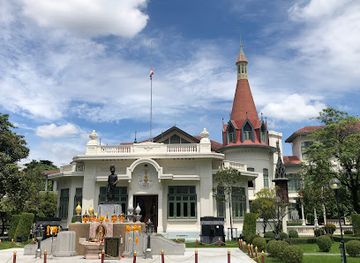
Vaikuntha Thepyasathan Throne Hall
Explore the royal elegance of Vaikuntha Thepyasathan Throne Hall, a captivating attraction in Bangkok showcasing Thailand's rich cultural heritage.
5 min drive · 1.8 km from neighbourhood centre
-
Tourist attraction
พิพิธภัณฑ์และหอจดหมายเหตุกรมประชาสัมพันธ์
Uncover Bangkok's history at the Museum of Archives, showcasing rich exhibits and artifacts that bring the city's vibrant past to life.
10 min walk · 0.8 km from neighbourhood centre


Best landmarks in Ari
Ari’s most recognisable landmark is its BTS station, whose elevated rail structure and name anchor the neighbourhood in Bangkok’s modern transport geography. Phahonyothin Road forms the principal urban edge, carrying heavy traffic and linking Ari with the wider northern corridor, while Phahonyothin Soi 7 and Ari Samphan Road provide the local addresses most closely associated with the area. The neighbourhood’s less formal landmarks are its lanes, planted compounds, low-rise shophouses and recurring street-level food businesses, which together reveal how a residential district has adapted to new commercial uses. Modern apartment and office developments stand beside older houses and institutional compounds, producing a layered rather than uniform architectural character. Ari does not contain a major concentration of ancient monuments; its significance lies in the relationship between Bangkok’s elevated railway, established sois and steadily changing mixed-use streetscape.
-
Traditional market
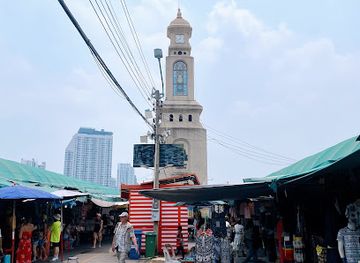
Chatuchak Weekend Market
Explore the vibrant Chatuchak Weekend Market in Bangkok - a treasure trove of local crafts, delectable street food, and an unforgettable cultural experience.
7 min drive · 2.3 km from neighbourhood centre
-
Monument
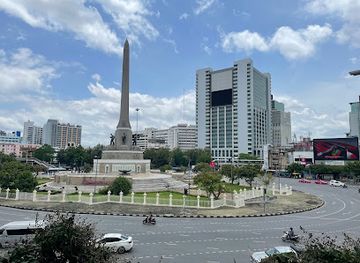
Victory Monument
Discover Victory Monument in Bangkok, a stunning tribute to Thailand's history, surrounded by vibrant markets and delicious street food.
5 min drive · 1.8 km from neighbourhood centre
-
Thai
Ongtong Khaosoi Ari Branch
Discover the authentic taste of Northern Thailand at Ongtong Khaosoi Ari, the ultimate destination for Khao Soi lovers in Bangkok.
2 min walk · 0.2 km from neighbourhood centre
-
Historical landmark
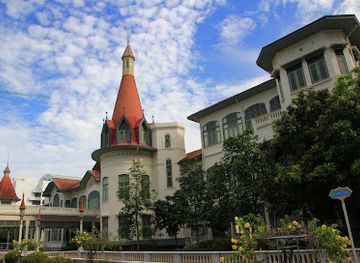
Phaya Thai Palace
Explore the historic Phaya Thai Palace in Bangkok, a stunning blend of Thai and European architecture surrounded by beautiful gardens.
5 min drive · 1.8 km from neighbourhood centre
Explore Ari on the map
A handpicked selection of must-see spots in Ari, mapped for you.
Best hotels in Ari
Best restaurants in Ari
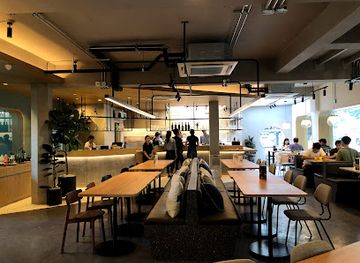
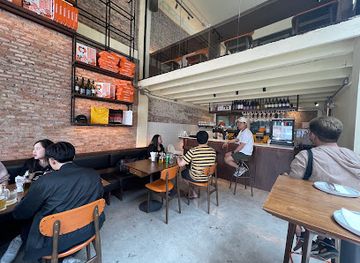
Ari’s dining scene combines long-established Thai food stalls and casual eateries with newer cafés, bakeries and restaurants in converted shophouses or compact modern premises. Around Ari Samphan Road and Phahonyothin Soi 7, visitors can find everyday dishes such as noodles, rice-based meals, grilled food, curries and snacks alongside more contemporary interpretations of Thai cooking. Coffee shops are a prominent part of the area’s commercial identity, often sharing streets with dessert places, brunch venues and small specialist food businesses. The variety reflects Ari’s mixed population of residents, office workers and younger creative businesses rather than a single regional cuisine. Some lanes are quiet and residential, so dining clusters can be separated by stretches without obvious commercial activity. Prices, payment methods and opening patterns vary considerably between small local vendors and newer venues, making Ari better suited to unhurried exploration than to a fixed restaurant itinerary.
-
Thai
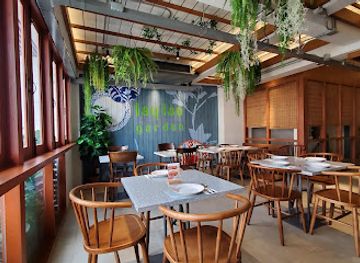
lay lao - Ari
Experience authentic Thai cuisine at Lay Lao - Ari, where vibrant flavors meet traditional recipes in the heart of Bangkok.
3 min walk · 0.3 km from neighbourhood centre
-
Restaurant
Kinlenn Eatery & Play Ari
Discover the perfect blend of delicious cuisine and playful fun at Kinlenn Eatery & Play in Bangkok.
1 min walk · 0.1 km from neighbourhood centre
-
Restaurant
Kenny's BKK - Ari
Discover Kenny's BKK - Ari: A Culinary Gem in Phaya Thai Offering Unique Pizzas and Vibrant Atmosphere.
4 min walk · 0.3 km from neighbourhood centre
-
Restaurant
Clay Bangkok
Discover modern Thai cuisine at Clay Bangkok - where tradition meets innovation in every dish.
3 min walk · 0.2 km from neighbourhood centre
Best bars in Ari
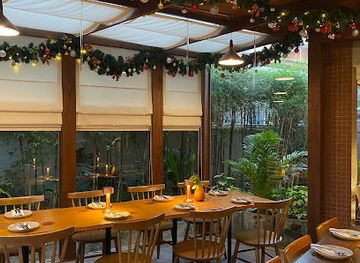
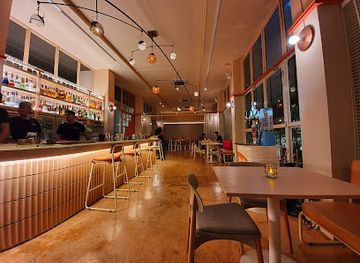
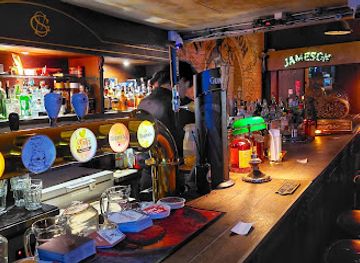
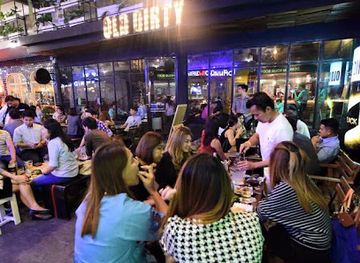
Ari’s evening life is more restrained than the concentrated nightlife districts around Bangkok’s major entertainment corridors. After work, cafés and restaurants around Ari Samphan Road and the BTS station fill with residents and office workers, while a selection of small bars and modern drinking venues provides a sociable alternative to the area’s daytime coffee culture. The neighbourhood is better known for relaxed conversation, food-led evenings and intimate venues than for large nightclubs or all-night entertainment. Some establishments occupy narrow shophouses or low-rise premises, so the atmosphere can change from busy commercial street to quiet residential lane within a short walk. People exploring after dark should keep noise down near homes and check current venue details independently, as businesses and opening patterns can change. For a broader nightlife circuit, visitors generally need to travel beyond Ari to other parts of Bangkok.
-
Bar
Baby Bar Bangkok
Discover the vibrant dining and nightlife experience at Baby Bar Bangkok, where eclectic cuisine meets live music in a lively atmosphere.
11 min walk · 0.9 km from neighbourhood centre
-
Bar
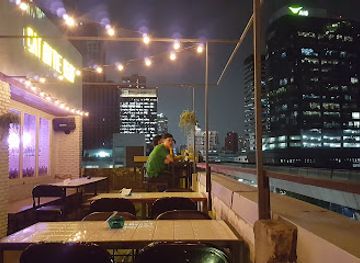
Cat On The Roof
Discover the best of Bangkok's nightlife at Cat On The Roof, a cyberpunk-themed bar with stunning views and a lively atmosphere.
12 min walk · 0.9 km from neighbourhood centre
-
Bar
The Garrison
Experience the vibrant nightlife of Bangkok at The Garrison, where delicious drinks and a lively atmosphere await every visitor.
13 min walk · 1.0 km from neighbourhood centre
-
Bar
Old Dirty
Discover Old Dirty, a vibrant gastropub in Bangkok offering delicious food, creative cocktails, and a lively atmosphere for an unforgettable night out.
13 min walk · 1.1 km from neighbourhood centre
Best nightclubs in Ari
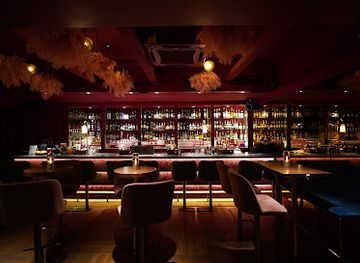
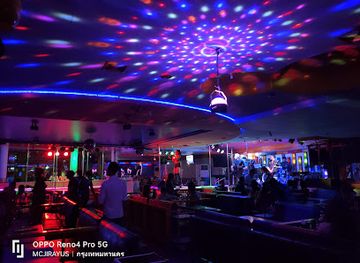
Ari’s evening life is more restrained than the concentrated nightlife districts around Bangkok’s major entertainment corridors. After work, cafés and restaurants around Ari Samphan Road and the BTS station fill with residents and office workers, while a selection of small bars and modern drinking venues provides a sociable alternative to the area’s daytime coffee culture. The neighbourhood is better known for relaxed conversation, food-led evenings and intimate venues than for large nightclubs or all-night entertainment. Some establishments occupy narrow shophouses or low-rise premises, so the atmosphere can change from busy commercial street to quiet residential lane within a short walk. People exploring after dark should keep noise down near homes and check current venue details independently, as businesses and opening patterns can change. For a broader nightlife circuit, visitors generally need to travel beyond Ari to other parts of Bangkok.
-
Cocktail bar
The Key Room No. 72
Experience innovative cocktails and vibrant nightlife at The Key Room No. 72, a hidden gem in Bangkok's Phaya Thai district.
6 min walk · 0.5 km from neighbourhood centre
-
Night club
Rainbow Club
Dive into the energetic nightlife of Bangkok at Rainbow Club, a premier night club offering unforgettable music, dancing, and drinks in a vibrant atmosphere.
15 min walk · 1.2 km from neighbourhood centre
-
Night club
Lucky Club
Discover the heartbeat of Bangkok's nightlife at Lucky Club, where the dance floor awaits and the music never stops.
7 min drive · 2.3 km from neighbourhood centre
-
Karaoke bar
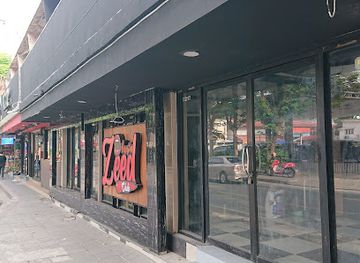
Zeed Club
Discover the heart of Bangkok's nightlife at Zeed Club, a lively karaoke bar where unforgettable memories and vibrant entertainment await.
15 min walk · 1.2 km from neighbourhood centre
Best shops in Ari
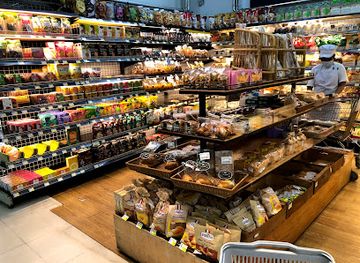
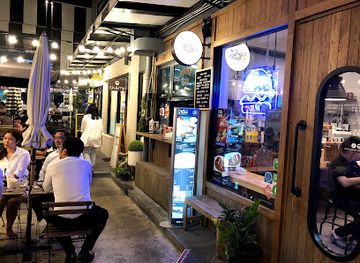
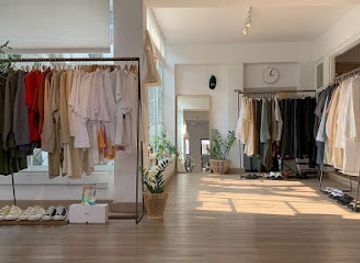
Shopping in Ari is centred on independent and small-scale retail rather than a large enclosed mall or a historic bazaar. Around Ari Samphan Road and the side sois, visitors encounter cafés with packaged goods, bakeries, lifestyle shops, clothing and accessories, small design businesses, beauty services and convenience stores mixed into the residential fabric. The retail character is contemporary and locally oriented, with individual businesses often occupying compact shophouses or ground-floor spaces beneath apartments. Traditional fresh-food purchasing and everyday provisions remain part of the neighbourhood’s life, although Ari is not primarily a market district in the manner of Bangkok’s major wholesale or fresh markets. Browsing is most interesting when combined with a walk between food stops, since shops are distributed through the lanes rather than arranged along one continuous pedestrian shopping street. Stock and business identities can change, so the area rewards curiosity more than a fixed shopping list.
-
Shopping mall
La Villa
Explore La Villa in Bangkok: A lively shopping mall offering unique shops, delicious food, and a vibrant local community atmosphere.
1 min walk · 0.1 km from neighbourhood centre
-
Camping store
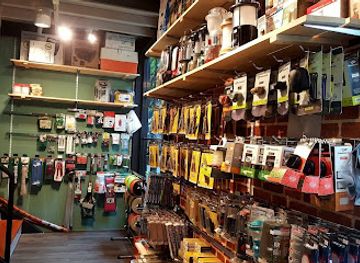
Ari Outdoor Camping & Hiking Supplies
Discover your adventure with top-quality camping and hiking supplies at Ari Outdoor in Bangkok, the ultimate destination for outdoor enthusiasts.
2 min walk · 0.1 km from neighbourhood centre
-
Shopping mall
A - ONE Ari
Explore A - ONE Ari in Bangkok for an exciting shopping and dining experience, featuring diverse stores and delicious cuisines in a vibrant setting.
2 min walk · 0.1 km from neighbourhood centre
-
Clothing store
HIDE.Selected
Discover unique fashion treasures at HIDE.Selected, a stylish clothing store in the heart of Bangkok's Phaya Thai district.
9 min walk · 0.7 km from neighbourhood centre
Ari essentials
Getting There
Getting Around
Safety
Emergency Situations
Do's and Don'ts
Local Tips

From Eve
Local phrases worth knowing
You don't need to get them perfect. A few words go a long way, and locals appreciate the effort.
Basics
| English | Local | Say it |
|---|---|---|
| Hello | สวัสดี | [sawasdee] |
| Goodbye | ลาก่อน | [la kon] |
| Yes | ใช่ | [chai] |
| No | ไม่ | [mai] |
| Please/You're welcome | โปรด/ยินดีต้อนรับ | [prode/yin dee ton rap] |
| Thank you | ขอบคุณ | [kop kun] |
| Excuse me/Sorry | ขอโทษ | [kor toht] |
| How are you? | สุขสันต์ไหม | [suk san mai] |
| Fine. And you? | สบายดี คุณลงไหม | [sabai dee kun long mai] |
| Do you speak English? | คุณพูดภาษาอังกฤษได้ไหม | [kun poot paa saa ang grit dai mai] |
| I don't understand | ฉันไม่เข้าใจ | [chan mai khao jai] |
Eating & Drinking
| English | Local | Say it |
|---|---|---|
| I'd like to see the menu, please | ขอดูเมนูหน่อยครับ | [kor doo menu noi krub] |
| I don't eat meat | ฉันไม่กินเนื้อ | [chan mai kin neu] |
| Cheers! | ชนเครื่องดื่ม | [chon kreung deum] |
| I would like to pay, please | ขอจ่ายเงินหน่อยครับ | [kor jai ngern noi krub] |
Emergencies
| English | Local | Say it |
|---|---|---|
| Help! | ช่วยด้วย! | [chuai dooey!] |
| Go away! | ไปหาย! | [pai hai!] |
| Call the Police! | โทรตำรวจ! | [tor tam ruaat!] |
| Call a doctor! | โทรหมอ! | [tor mor!] |
| I'm lost | ฉันหลงทาง | [chan long tang] |
| I'm ill | ฉันไม่สบาย | [chan mai sabai] |
Shopping
| English | Local | Say it |
|---|---|---|
| I'd like to buy... | ฉันต้องการซื้อ... | [chan tong kaan seu...] |
| I'm just looking | ฉันเพียงแค่ดู | [chan piang kae doo] |
| How much is it? | ราคาเท่าไหร่ | [ra kha tao rai] |
| That's too expensive | แพงเกินไป | [paeng geun pai] |
| Can you lower the price? | ลดราคาได้ไหม | [lot ra kha dai mai] |
Time & Numbers
| English | Local | Say it |
|---|---|---|
| What time is it? | เวลาเท่าไหร่ | [welaa tao rai] |
| It's one o'clock | เวลาหนึ่งโมง | [welaa neung mong] |
| Half past (10) | ครึ่งตีห้า | [kreung tee ha] |
| Morning | เช้า | [chao] |
| Afternoon | บ่าย | [bai] |
| Evening | เย็น | [yen] |
| Yesterday | เมื่อวาน | [meua waan] |
| Today | วันนี้ | [wan nee] |
| Tomorrow | พรุ่งนี้ | [proong nee] |
| 1 | หนึ่ง | [neung] |
| 2 | สอง | [song] |
| 3 | สาม | [sam] |
| 4 | สี่ | [see] |
| 5 | ห้า | [ha] |
| 6 | หก | [hok] |
| 7 | เจ็ด | [jet] |
| 8 | แปด | [paed] |
| 9 | เก้า | [gao] |
| 10 | สิบ | [sip] |
Transport & Directions
| English | Local | Say it |
|---|---|---|
| Where's a/the...? | ...อยู่ที่ไหน | [...yoo tee nai] |
| What's the address? | ที่อยู่คืออะไร | [tee yoo keu a rai] |
| Can you show me (on the map)? | คุณแสดงให้ฉันดูได้ไหม | [kun sa daeng hai chan doo dai mai] |
| When's the next (bus)? | เมื่อไหร่รถเมลล์หน้า | [meua rai rodt mel na] |
| A ticket (to ....) | ตั๋ว(ไป...) | [dtua (bpai...)] |
History of Ari
A Name Shaped by Local Roads
Ari is primarily a local area name associated with Phahonyothin Soi 7, Ari Samphan Road and the BTS station that bears the name. Like many Bangkok neighbourhoods, it is defined less by a single formal boundary than by a cluster of roads, sois and transport references recognised in everyday speech. Its urban setting developed as Bangkok expanded northwards beyond the older central districts, replacing or absorbing portions of low-density land with housing, institutional compounds, offices and commercial strips. The name is therefore encountered through the road network and local landmarks rather than through a single preserved old town or historic square.
Northward Urban Expansion
During the twentieth century, the Phahonyothin corridor became an important northern route through Bangkok, encouraging the growth of residential areas and commercial activity along and behind the main road. Ari’s smaller sois provided space for homes, apartment buildings, offices and local shops away from the traffic of the arterial route. The area’s built environment consequently became mixed in scale: low-rise shophouses and older residences sit alongside later condominiums and office buildings. This gradual layering, rather than a single planned redevelopment, remains visible in the varied streetscape around Ari Samphan Road.
The BTS Changes the Neighbourhood
The opening of Bangkok’s first BTS Skytrain routes in 1999 altered the relationship between Ari and the rest of the city. BTS Ari placed the neighbourhood within a fast rail corridor linking northern Bangkok with central commercial districts, making its residential streets more accessible to commuters and visitors. The station did not turn Ari into a conventional sightseeing district, but it strengthened local commerce and encouraged more intensive use of ground-floor premises. Cafés, restaurants, offices and small creative businesses increasingly appeared alongside established food vendors and residential buildings.
A Contemporary Café and Food Quarter
In the twenty-first century, Ari became increasingly associated with independent cafés, restaurants, bakeries, design-conscious retail and compact creative businesses. The change has been gradual rather than a complete replacement of the older neighbourhood: street food, family-run shops and ordinary residential life continue beside newer enterprises. Rising interest in the area has also brought condominium construction and changing rents, reflecting wider pressures in well-connected Bangkok neighbourhoods. Ari’s current identity is consequently layered, combining a convenient transit location, established residential lanes and a contemporary dining culture that has developed around them.
Ari in Photos
Browse through our photo collection highlighting the charm and character of the destination.
Neighbourhoods near Ari
The closest neighbourhoods to Ari, if you have time for more than one stop.
-

-
-

-

-


Swipe for more neighbourhoods
Explore more

Explore more of Bangkok
Discover the vibrant heart of Thailand in Bangkok, a city where ancient temples meet modern skyscrapers, and bustling markets offer a taste of local life.
Explore Bangkok