

Phuket Town (Phuket) Travel Guide - Free
Explore Phuket Town in Phuket with Evendo's free guide. Find the best shops, historic streets, restaurants, and gems on web or mobile.


Phuket Town in Phuket, Thailand, pairs Sino-Portuguese streets, Peranakan heritage, lively markets, local food, shrines and creative cafés away from beach resorts.
Historic Town and Everyday Island Life
Phuket Town is the island’s administrative, commercial and cultural centre, set inland from the resort beaches on the south-eastern side of Phuket. Its most distinctive quarter is the Old Town, where Thalang, Dibuk, Krabi, Phang Nga and Yaowarat roads are lined with colourful Sino-Portuguese shophouses, ornate shrines, cafés, family businesses and small museums. The town is not a single enclosed historic district but a wider urban area, so the preserved streets sit alongside modern markets, residential lanes, civic buildings and waterfront spaces.Read more about Phuket Town
Architecture, Food and Local Culture
Markets, Hills and the Waterfront
Best attractions in Phuket Town
Phuket Town’s principal attractions are concentrated in and around the historic Old Town. Walking along Thalang, Dibuk, Krabi and Phang Nga roads reveals restored Sino-Portuguese shophouses, colourful lanes, old shop signs and small galleries, while Soi Romanee offers a compact, visually distinctive side street with a more complex past. The Thai Hua Museum introduces Phuket’s Chinese communities and the town’s development, and Baan Chinpracha provides a glimpse of an early twentieth-century Sino-colonial residence. Jui Tui Shrine brings living religious culture into the sightseeing landscape, particularly during the Vegetarian Festival. On Sundays, Thalang Road hosts Lard Yai, a walking street market focused on southern Thai food, snacks, crafts and performances. Beyond the heritage core, Khao Rang provides elevated views over the town, while Saphan Hin offers a spacious waterfront park and a change of pace.
-
Tourist attraction
Khao Rang
Discover the breathtaking views of Phuket at Khao Rang, a scenic park that's perfect for nature lovers and photographers alike.
5 min drive · 1.5 km from neighbourhood centre
-
Museum
Phuket 3D Museum
Immerse yourself in art and fun at the Phuket 3D Museum, a unique tourist attraction blending creativity and interactive experiences in the heart of Phuket.
2 min walk · 0.2 km from neighbourhood centre
-
Tourist attraction
Ancient buildings in Sino-European style
Experience the captivating Sino-European architectural wonders in Mueang Phuket District, where history and culture blend seamlessly.
6 min walk · 0.5 km from neighbourhood centre
-
Scenic spot
Monkey Hill Viewpoint
Experience the breathtaking panoramic views of Phuket at Monkey Hill Viewpoint, a scenic spot perfect for nature lovers and photographers.
5 min drive · 1.5 km from neighbourhood centre


Best landmarks in Phuket Town
The landmark character of Phuket Town rests on its connected collection of buildings and institutions rather than on one dominant monument. The Sino-Portuguese shophouses of Thalang, Dibuk, Krabi and Phang Nga roads express the wealth generated by tin mining and regional trade, with arcaded fronts, decorative details and narrow plots adapted to commercial life. Thai Hua Museum occupies a former school building associated with Phuket’s Chinese community, while Baan Chinpracha preserves the domestic setting of an affluent historic family. Jui Tui Shrine is an important Chinese religious landmark and a focal point during the Vegetarian Festival. Wat Mongkhon Nimit provides a Buddhist presence near the Old Town, and the old clock tower area reflects the town’s civic and commercial history. Khao Rang, although a landscape landmark rather than a historic building, helps define the town’s setting among wooded hills.
-
Tourist attraction
Khao Rang
Discover the stunning views and lush landscapes of Khao Rang, a serene park offering a perfect blend of nature and culture in Phuket.
5 min drive · 1.5 km from neighbourhood centre
-
Museum
Phuket 3D Museum
Discover the enchanting Phuket 3D Museum, where art and imagination collide for an unforgettable experience filled with interactive exhibits and vibrant creativity.
2 min walk · 0.2 km from neighbourhood centre
-
Tourist attraction
Ancient buildings in Sino-European style
Discover the enchanting Sino-European architecture of Phuket, where history and artistry blend in stunning ancient buildings.
6 min walk · 0.5 km from neighbourhood centre
-
Tourist attraction
Surin Circle Clock Tower
Discover the rich cultural heritage of Phuket at the Surin Circle Clock Tower, a vibrant landmark that captures the essence of island life.
5 min walk · 0.4 km from neighbourhood centre


Explore Phuket Town on the map
A handpicked selection of must-see spots in Phuket Town, mapped for you.
Best hotels in Phuket Town
Best restaurants in Phuket Town
Eating in Phuket Town is one of the clearest ways to encounter the island’s Chinese, Malay and southern Thai influences. The Old Town contains long-established family restaurants, coffee shops and bakeries alongside newer cafés, with local specialities including Hokkien noodles, Phuket-style curry, dim sum, moo hong pork and pungent southern curries. Raya, One Chun and Tu Kab Khao are established names associated with Phuket cuisine, while morning markets and modest eateries provide more informal settings for noodles, rice dishes and snacks. Kopi tiam-style coffee shops, influenced by the town’s historic trading communities, remain part of the local rhythm. The Sunday market on Thalang Road adds vividly presented street food, but the most revealing meals often come from ordinary neighbourhood businesses outside the restored façades. Menus and operating arrangements change, so visitors should distinguish established culinary traditions from temporary food stalls and trend-led cafés.
-
Restaurant
Tu Kab Khao Restaurant Phuket
Experience authentic Thai cuisine at Tu Kab Khao Restaurant in Phuket – where traditional flavors meet modern dining.
4 min walk · 0.3 km from neighbourhood centre
-
Restaurant
Day & Night Of Phuket
Discover authentic Thai flavors at Day & Night of Phuket—where every meal tells a story.
3 min walk · 0.3 km from neighbourhood centre
-
Thai
Blue Elephant Cooking School & Restaurant Phuket
Discover authentic Thai cuisine and hands-on cooking experiences at Blue Elephant Cooking School & Restaurant in beautiful Phuket.
9 min walk · 0.7 km from neighbourhood centre
-
Restaurant
The Charm Dining Gallery
Experience authentic Thai cuisine at The Charm Dining Gallery in Phuket, where family recipes come alive in a cozy and inviting atmosphere.
8 min walk · 0.6 km from neighbourhood centre


Best bars in Phuket Town
Phuket Town has a more measured night-time scene than the beach resort areas, with evening activity concentrated around Old Town streets rather than large clubs. Restored shophouses on Thalang, Dibuk and nearby lanes contain small cocktail bars, cafés that stay open into the evening, and venues with acoustic or live music. Soi Romanee is particularly associated with compact bars and a lively social atmosphere, although its character is different from the large entertainment strips of Patong. Local night markets and the Sunday Lard Yai market add food, conversation and performances without functioning as conventional nightlife districts. Around Saphan Hin and the wider town, evenings are more oriented towards family meals and public recreation. Visitors should keep voices down near homes, take care on dimmer side streets and avoid assuming that every historic shophouse remains a bar after dark.
-
Bar
The Column Phuket
Discover the vibrant nightlife of Phuket at The Column, where authentic Thai cuisine meets live music in a lively atmosphere.
4 min walk · 0.3 km from neighbourhood centre
-
Cocktail bar
The Library Phuket
Discover the perfect blend of relaxation and flavor at The Library Phuket, a stylish cocktail bar with creative drinks and a serene atmosphere.
5 min walk · 0.4 km from neighbourhood centre
-
Bar
Dibuk House
Discover the vibrant nightlife at Dibuk House in Phuket, where unique cocktails and a lively atmosphere await every visitor.
6 min walk · 0.5 km from neighbourhood centre
-
Cocktail bar
Club No 43
Discover unique cocktails and a vibrant atmosphere at Club No 43, Phuket's premier cocktail bar—perfect for nightlife enthusiasts.
5 min walk · 0.4 km from neighbourhood centre


Best nightclubs in Phuket Town
Phuket Town has a more measured night-time scene than the beach resort areas, with evening activity concentrated around Old Town streets rather than large clubs. Restored shophouses on Thalang, Dibuk and nearby lanes contain small cocktail bars, cafés that stay open into the evening, and venues with acoustic or live music. Soi Romanee is particularly associated with compact bars and a lively social atmosphere, although its character is different from the large entertainment strips of Patong. Local night markets and the Sunday Lard Yai market add food, conversation and performances without functioning as conventional nightlife districts. Around Saphan Hin and the wider town, evenings are more oriented towards family meals and public recreation. Visitors should keep voices down near homes, take care on dimmer side streets and avoid assuming that every historic shophouse remains a bar after dark.
-
Cocktail bar
Club No 43
Discover the essence of Phuket's nightlife at Club No 43, where unique cocktails and vibrant ambiance await every evening.
5 min walk · 0.4 km from neighbourhood centre
-
Night club
Flame Restaurant & Nightclub
Discover the perfect blend of gourmet dining and electrifying nightlife at Flame Restaurant & Nightclub in Phuket.
12 min walk · 1.0 km from neighbourhood centre
-
Night club
Glimpse Bar & Bistro Phuket
Discover the exhilarating nightlife at Glimpse Bar & Bistro Phuket, where vibrant music, delicious cocktails, and unforgettable experiences await.
7 min walk · 0.5 km from neighbourhood centre
-
Night club
SOUND PHUKET
Discover the vibrant nightlife of Phuket at SOUND PHUKET, where electrifying music and a lively atmosphere create unforgettable memories.
11 min walk · 0.9 km from neighbourhood centre


Best shops in Phuket Town
Shopping in Phuket Town combines practical local commerce with heritage-street browsing. Thalang Road and adjoining Old Town lanes contain independent cafés, design shops, small galleries, souvenir stores and businesses occupying restored shophouses, while Yaowarat and nearby streets retain a more everyday mixture of food shops, pharmacies and family retailers. Lard Yai, held on Thalang Road on Sunday evenings, is the town’s most visitor-oriented market, with southern Thai snacks, prepared food, handmade goods and locally themed souvenirs. Fresh markets elsewhere in town are better for observing ordinary shopping and buying fruit, herbs or cooked food than for polished gifts. Look for Peranakan-inspired textiles, contemporary crafts and locally produced food items, but treat claims of traditional manufacture carefully. The appeal lies in moving between tourist-facing stalls and long-established shops rather than in a single concentrated retail centre.
-
Store
Mr.Gifts Kpop
Explore the vibrant world of K-Pop at Mr.Gifts Kpop in Phuket—your ultimate destination for exclusive merchandise and fan experiences.
4 min walk · 0.3 km from neighbourhood centre
-
Clothing store
69Slam Phuket Outlet Store
Experience the vibrant fashion of Phuket at 69Slam Outlet Store, offering trendy beachwear and casual clothing for all styles.
5 min walk · 0.4 km from neighbourhood centre
-
Clothing store
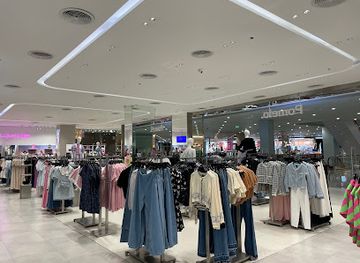
Pomelo - Central Phuket
Explore the latest fashion at Pomelo in Central Phuket, where trendy clothing and stylish accessories await every fashion lover.
8 min drive · 2.7 km from neighbourhood centre
-
Clothing store
Batik Banyan
Explore the vibrant world of traditional Thai batik fashion at Batik Banyan, a unique clothing store in the heart of Phuket.
3 min walk · 0.3 km from neighbourhood centre



Phuket Town essentials
Getting There
Getting Around
Safety
Emergency Situations
Do's and Don'ts
Local Tips

From Eve
Local phrases worth knowing
You don't need to get them perfect. A few words go a long way, and locals appreciate the effort.
Basics
| English | Local | Say it |
|---|---|---|
| Hello | สวัสดี | [sawatdee] |
| Goodbye | ลาก่อน | [laakorn] |
| Yes | ใช่ | [chai] |
| No | ไม่ | [mai] |
| Please/You're welcome | โปรด/ยินดีต้อนรับ | [proht/yindee dton rub] |
| Thank you | ขอบคุณ | [kop kun] |
| Excuse me/Sorry | ขอโทษ | [kor toht] |
| How are you? | สบายดีไหม | [sabai dee mai] |
| Fine. And you? | สบายดีค่ะ คุณล่ะ | [sabai dee ka kun la] |
| Do you speak English? | พูดภาษาอังกฤษได้ไหม | [poot pah saa ang grit dai mai] |
| I don't understand | ฉันไม่เข้าใจ | [chan mai kao jai] |
Eating & Drinking
| English | Local | Say it |
|---|---|---|
| I'd like to see the menu, please | ฉันอยากดูเมนูหน่อยค่ะ | [chan yak doo menu noi ka] |
| I don't eat meat | ฉันไม่กินเนื้อ | [chan mai gin neua] |
| Cheers! | ชนแก้ว! | [chon kaeo] |
| I would like to pay, please | ฉันอยากจ่ายค่าได้ไหมค่ะ | [chan yak jai ka dai mai ka] |
Emergencies
| English | Local | Say it |
|---|---|---|
| Help! | ช่วยด้วย! | [chuay doo] |
| Go away! | ไปห่างๆ! | [bpai yang yang] |
| Call the Police! | โทรตำรวจ! | [tor tam ruat] |
| Call a doctor! | โทรหมอ! | [tor mor] |
| I'm lost | ฉันเสียทาง | [chan sia tang] |
| I'm ill | ฉันไม่สบาย | [chan mai sabai] |
Shopping
| English | Local | Say it |
|---|---|---|
| I'd like to buy... | ฉันอยากซื้อ... | [chan yak sue] |
| I'm just looking | ฉันเพียงแค่ดู | [chan piang kae doo] |
| How much is it? | ราคาเท่าไหร่ | [ra kha tao rai] |
| That's too expensive | แพงเกินไป | [paeng gein pai] |
| Can you lower the price? | ลดราคาได้ไหม | [lot ra kha dai mai] |
Time & Numbers
| English | Local | Say it |
|---|---|---|
| What time is it? | เวลาเท่าไหร่ | [welaa tao rai] |
| It's one o'clock | เวลาหนึ่งโมง | [welaa neung mong] |
| Half past (10) | สามสิบ | [sam sip] |
| Morning | เช้า | [chao] |
| Afternoon | บ่าย | [bai] |
| Evening | เย็น | [yen] |
| Yesterday | เมื่อวาน | [meua waan] |
| Today | วันนี้ | [wan nee] |
| Tomorrow | พรุ่งนี้ | [proong nee] |
| 1 | หนึง | [neung] |
| 2 | สอง | [song] |
| 3 | สาม | [sam] |
| 4 | สี่ | [see] |
| 5 | ห้า | [ha] |
| 6 | หก | [hok] |
| 7 | เจ็ด | [jet] |
| 8 | แปด | [baet] |
| 9 | เก้า | [gao] |
| 10 | สิบ | [sip] |
Transport & Directions
| English | Local | Say it |
|---|---|---|
| Where's a/the...? | ...อยู่ที่ไหน | [...yoo tee nai] |
| What's the address? | ที่อยู่คืออะไร | [tee yoo keu a rai] |
| Can you show me (on the map)? | แผนที่เหมือน | [paen tee meu n] |
| When's the next (bus)? | รถโดยสารถัดไปเมื่อไหร่ | [rot doi saa tud pai meu rai] |
| A ticket (to ....) | ตั๋ว (ไป ...) | [dtua bai] |
History of Phuket Town
Tin, Trade and Early Settlement
Phuket Town developed inland from the island’s eastern waterways as Phuket became an important centre for tin mining and maritime trade. Chinese migrants and traders formed a significant part of the town’s commercial life, linking the island to ports around the Malay Peninsula and wider Southeast Asia. The town’s position away from the exposed west coast offered a practical base for administration, warehousing and exchange. Although the wider island supplied the mineral wealth, Phuket Town became the place where merchants, officials, labourers and families met, giving its streets a commercial and multicultural character that still distinguishes the historic centre.
Sino-Portuguese Urban Character
During the late nineteenth and early twentieth centuries, prosperous trading families built rows of shophouses and private residences in the town centre. Their architecture combined Chinese spatial planning with European-influenced façades, producing narrow, deep buildings with arcades, decorative stucco and internal courtyards. Thalang, Dibuk, Krabi and Phang Nga roads preserve some of the clearest surviving examples. Phuket’s links with Penang and other regional trading ports helped shape this architectural language, while Chinese associations, temples and clan networks supported the social life of the growing town.
Families, Shrines and Community Life
As the town expanded, Chinese religious and community institutions became important anchors of local identity. Jui Tui Shrine, associated with Chinese worship and the annual Vegetarian Festival, remains one of the best-known examples, while other shrines and Buddhist temples serve neighbourhood communities. Domestic architecture such as Baan Chinpracha records the aspirations of affluent families whose fortunes were connected to mining and trade. Markets, coffee shops and family-run businesses gave the old streets a daily rhythm that was distinct from the island’s rural settlements and port activity.
Conservation and Contemporary Renewal
The decline of tin mining and the growth of beach tourism changed Phuket’s economic geography, shifting much visitor attention towards the western coast. Parts of the old town nevertheless retained their shophouses, temples and commercial traditions. From the late twentieth century onwards, restoration, heritage interest and new cafés, galleries and small hotels brought renewed attention to the historic streets. The Sunday Lard Yai market on Thalang Road helped present local food, craft and performance in a public setting, while redevelopment and tourism continue to sit alongside established businesses and residential life.
Phuket Town in Photos
Browse through our photo collection highlighting the charm and character of the destination.
Neighbourhoods near Phuket Town
The closest neighbourhoods to Phuket Town, if you have time for more than one stop.
-

-
-

-


Swipe for more neighbourhoods
Explore more

Explore more of Phuket
Phuket combines Sino-Portuguese Old Town streets, Thai culture, southern cuisine, historic shrines and island scenery with memorable local experiences.
Explore Phuket