Exploring the Historical Significance of Slave House
Discover the historical significance of the Slave House in Janjanbureh, a landmark that reflects the poignant legacy of the slave trade in The Gambia.
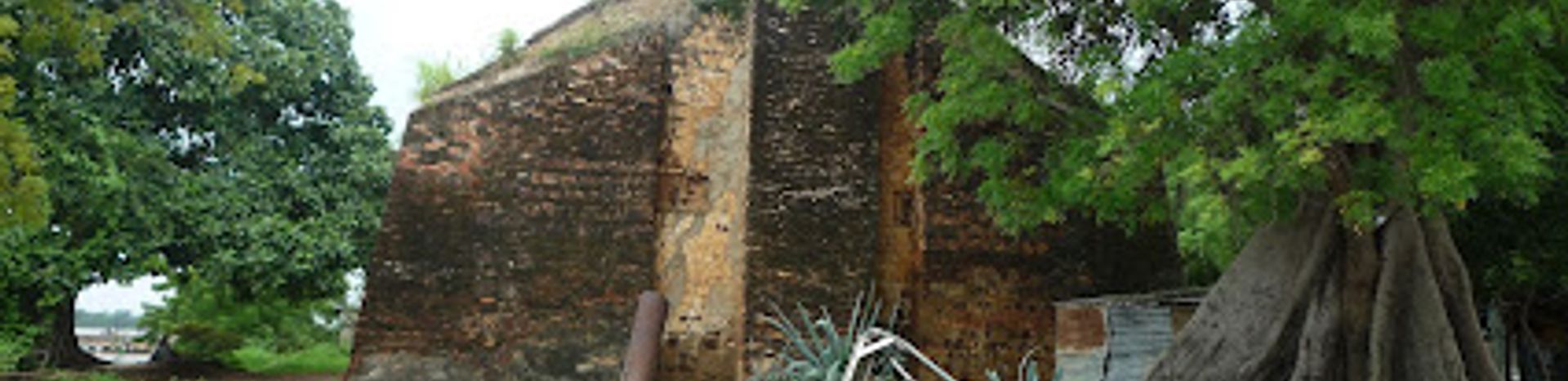
The Slave House in Janjanbureh serves as a poignant reminder of the region's historical past, offering visitors a glimpse into the legacy of the slave trade. This historical landmark invites tourists to reflect on the lives of those who endured unimaginable hardships, making it an essential stop for anyone looking to understand the cultural and historical context of The Gambia.
A brief summary to Slave House
- G6VP+G8M, Unnamed Road, Janjanbureh, GM
- +2209339086
Local tips
- Visit early in the morning or late in the afternoon to avoid the heat and enjoy a quieter experience.
- Engage with local guides for a deeper understanding of the historical context and personal stories associated with the site.
- Bring a camera to capture the beautiful surroundings and the unique architecture of the Slave House.
- Plan to spend at least an hour to fully explore the exhibits and reflect on the history presented.
- Combine your visit with a tour of nearby attractions to make the most of your time in Janjanbureh.

Getting There
-
Walking
If you are already in Janjanbureh Island, the Slave House is within walking distance for most visitors. Start from the main road in Janjanbureh. Head east towards the river, passing by local shops and cafes. Continue straight until you reach an intersection; turn left onto Unnamed Road. Follow this road for about 10 minutes, and you will see the Slave House on your right at the coordinates G6VP+G8M.
-
Bicycle
For those looking to cycle, you can rent a bicycle from local shops in Janjanbureh. Once you have your bicycle, head towards the main road and follow the same route as walking. The ride should take about 5-10 minutes. Make sure to keep an eye out for pedestrians and local traffic.
-
Local Transport (Taxi or 'Kekeh')
If you prefer not to walk or cycle, you can hire a local taxi or a 'Kekeh' (a motorized tricycle). You can find them near the main square in Janjanbureh. Inform the driver you want to go to Slave House, and they should know the location. The fare typically costs around 50-100 GMD, depending on your negotiation skills.
-
Guided Tour
Consider joining a guided tour that includes the Slave House in its itinerary. Many local guides offer half-day tours that cover historical sites in Janjanbureh. Prices for such tours can range from 300 to 800 GMD per person, depending on the inclusions. This option not only provides transportation but also enriches your visit with historical context.
Discover more about Slave House
Iconic landmarks you can’t miss

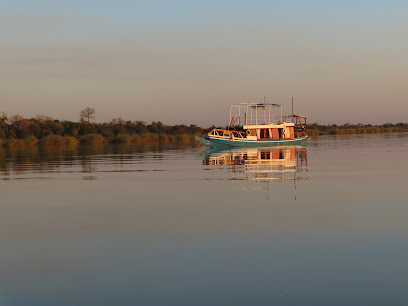
FairPlay Gambia River Holidays
0.2 km
Experience the natural beauty of Gambia River with FairPlay Gambia River Holidays, the premier boat rental service for unforgettable adventures.
Gambia Tourism and Hospitality Institute
0.2 km
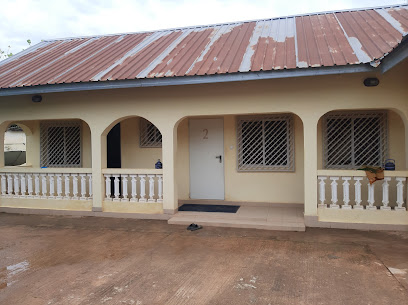
Discover the heart of Gambian hospitality at the Gambia Tourism and Hospitality Institute, where culture meets culinary excellence in Janjanbureh.
Bendula Bar
0.3 km
Experience authentic Gambian flavors and warm hospitality at Bendula Bar in Janjanbureh, a must-visit restaurant for every traveler.
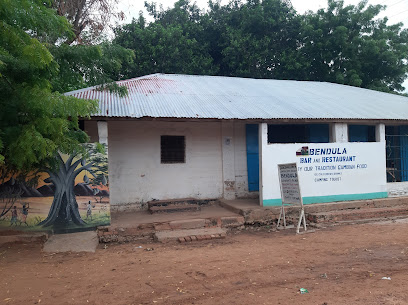
Cultural Museum
0.8 km
Explore the Cultural Museum in Janjanbureh, a treasure trove of local history, art, and traditions that brings the vibrant culture of The Gambia to life.
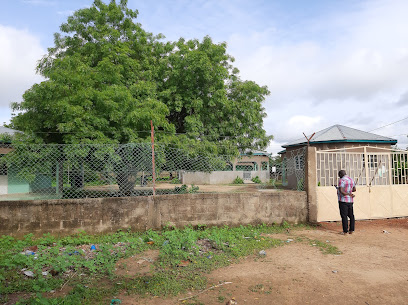
Jang Jang Burreh Camp
0.9 km
Experience the charm of Jang Jang Burreh Camp, your perfect retreat for exploring the natural beauty and culture of the River Gambia.
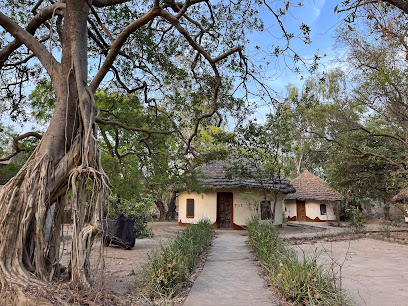
Baobolong Camp and Guest House
1.3 km
Discover the serene beauty and local charm of Baobolong Camp and Guest House in Janjanbureh, a perfect getaway in The Gambia.
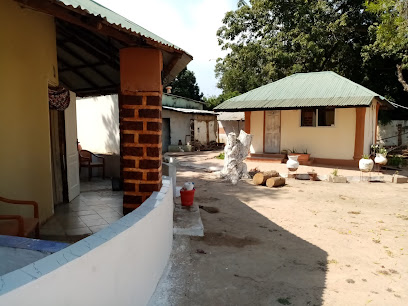
Musa's Garden Lodge
1.3 km
Discover tranquility and cultural richness at Musa's Garden Lodge in Janjanbureh, Gambia, your perfect retreat surrounded by nature.

Camping Sitaba Lodge
2.1 km
Discover the beauty of nature at Camping Sitaba Lodge in Janjanbureh, where adventure meets tranquility in The Gambia.
Unmissable attractions to see

Freedom Tree Monument
0.1 km
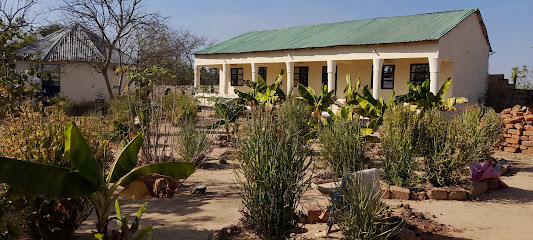
Explore the Freedom Tree Monument in Janjanbureh, a symbol of resilience and liberation in Gambian history.
Kankurang Centre
0.8 km
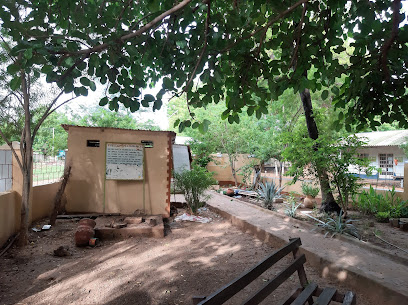
Explore the Kankurang Centre in Janjanbureh, a cultural museum showcasing the rich traditions and history of The Gambia for an immersive travel experience.
AQA
1.3 km
Discover AQA in Janjanbureh: A tranquil blend of nature and Gambian culture, perfect for adventurous tourists seeking authentic experiences.
Maccarthy Island
1.3 km
Discover the natural beauty and rich culture of Maccarthy Island, a tranquil escape in The Gambia's wild paradise.
Janjanbureh Area Council
1.3 km
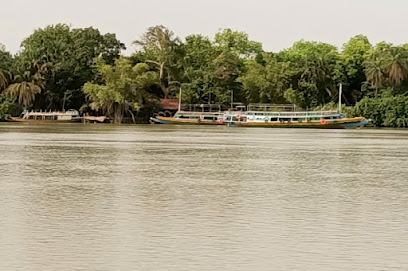
Explore Janjanbureh, a serene town rich in history and natural beauty, offering unique cultural experiences along the banks of the Gambia River.
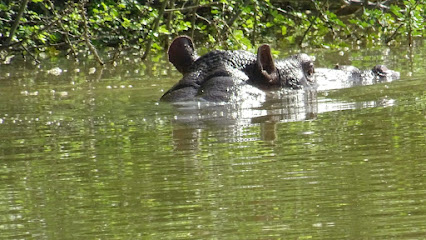
Bantamba camping site
2.2 km
Discover tranquility at Bantamba Camping Site, where lush landscapes and serene environments create the perfect escape for nature enthusiasts and adventure seekers.
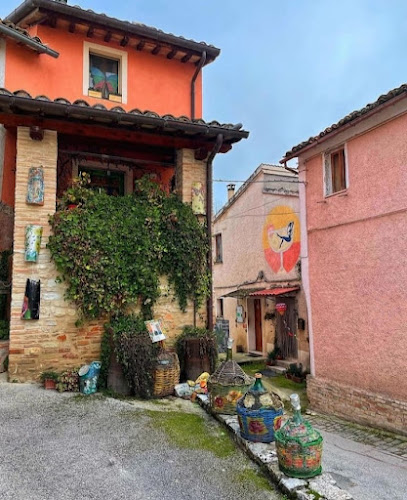
Kunkilling Forest Park
6.3 km
Experience the tranquility of Kunkilling Forest Park in Janjanbureh, a haven for nature lovers and adventure seekers in Gambia.
Kiberi Forest Park
7.2 km
Explore Kiberi Forest Park, a serene state park in Fitu Fula, offering lush landscapes and wildlife experiences for nature lovers.
Drammeh kunda
8.1 km
Immerse yourself in the lush greenery and tranquility of Drammeh Kunda Park, a serene escape in Dampha Kunda, Gambia, perfect for relaxation and nature lovers.
Muritabeh Women's Garden
8.3 km
Explore the serene beauty and cultural significance of Muritabeh Women's Garden in Fula Bantang, a unique destination for nature lovers and cultural enthusiasts.
Madina Demba Forest Park
9.9 km
Discover the natural beauty and tranquility of Madina Demba Forest Park in Galleh, a national park perfect for relaxation, hiking, and wildlife observation.
Sapu Rice Fields
19.6 km
Experience the serene beauty of Sapu Rice Fields, a picturesque bird-watching haven in Brikama Ba, where nature and agriculture harmoniously coexist.
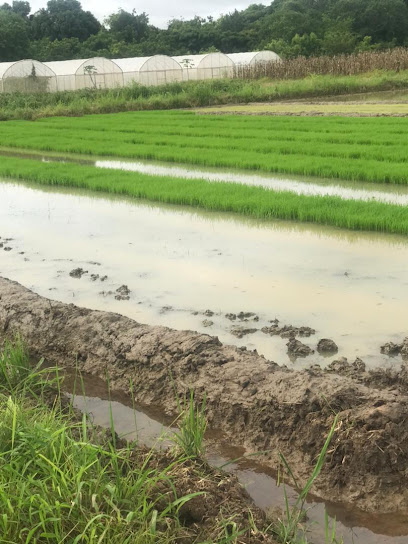
Kairoh Garden Kuntaur
19.6 km
Discover the tranquil beauty and wildlife adventures at Kairoh Garden Kuntaur, a unique lodging destination in the heart of the Gambia.
Abbaustätte der Steinkreise von Wassu
19.8 km
Discover the enigmatic stone circles of Wassu, a UNESCO World Heritage Site rich in history and cultural heritage in The Gambia.
Fallys boat trips
20.0 km
Discover the stunning coast of Bani with Fallys Boat Trips, where adventure meets tranquility in the heart of Gambia's vibrant waters.
Essential places to dine

Sunrise and Sunset Restaurant
0.2 km
Experience authentic Gambian cuisine with stunning views at Sunrise and Sunset Restaurant in Janjanbureh.
Bentengba Restaurant
0.2 km
Experience authentic Gambian cuisine at Bentengba Restaurant in Janjanbureh—where every dish tells a story.
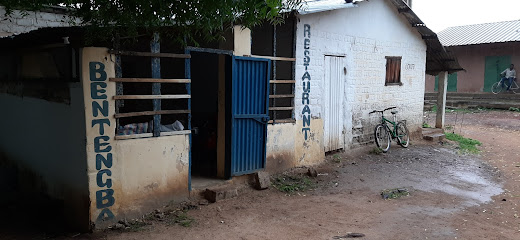
Nyancho Bar & Restaurant janjangbureh
0.3 km
Discover family-friendly dining at Nyancho Bar & Restaurant in Janjanbureh – savor authentic Gambian flavors in a warm and welcoming atmosphere.
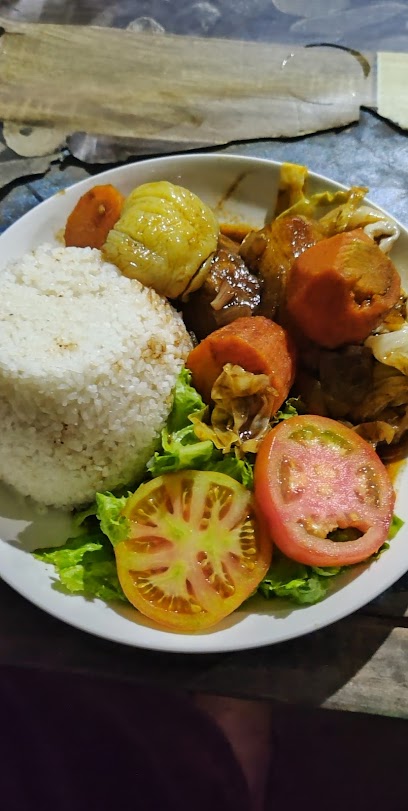
Assikoye Restaurant
0.3 km
Discover authentic Gambian cuisine at Assikoye Restaurant in Janjanbureh – a family-friendly dining destination offering delicious local flavors.
Riverside juice bar and restaurant
0.3 km
Discover fresh flavors at Riverside Juice Bar and Restaurant in Janjanbureh – where local cuisine meets serene riverside relaxation.
Aliou's Restaurant
0.4 km
Discover delicious fast food options at Aliou's Restaurant in Lamin Koto, where local flavors meet quick service for an unforgettable dining experience.
HAPPY CORNER LODGE BAR AND RESTURANT
0.4 km
Experience authentic Gambian cuisine at Happy Corner Lodge Bar and Restaurant in Janjanbureh – where flavors meet hospitality.
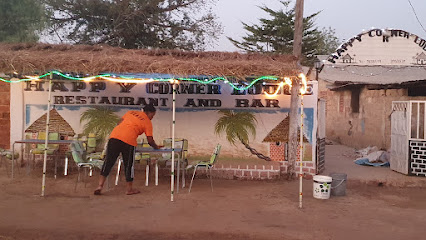
Cheers Bar & Restaurant and Musa River Side Garden
1.3 km
Discover authentic Gambian cuisine at Cheers Bar & Restaurant with stunning views of the Musa River in Janjanbureh.
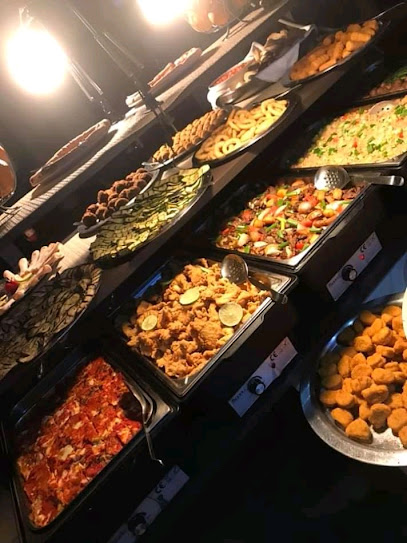
BLACK POT
16.9 km
Discover the rich culinary heritage of Gambia at Black Pot - a top-rated restaurant in Bansang offering authentic local and international dishes.
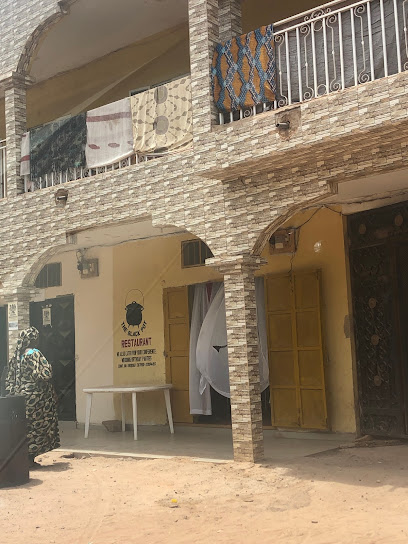
FB Happiness Fast Food and Restaurant
17.3 km
Savor local Gambian flavors and fast food favorites at FB Happiness Fast Food and Restaurant in Brikama Ba.
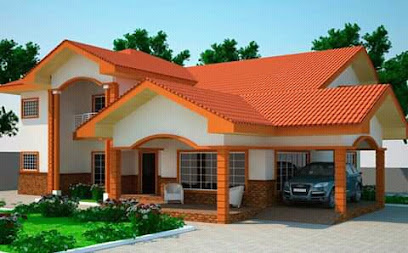
Abdoulie
60.1 km
Discover delicious American cuisine at Abdoulie in Bureng, where traditional flavors meet local hospitality for an unforgettable dining experience.
Chicken rek
60.1 km
Discover delicious local cuisine at Chicken Rek in Bureng, where traditional flavors meet vibrant ambiance for an unforgettable dining experience.
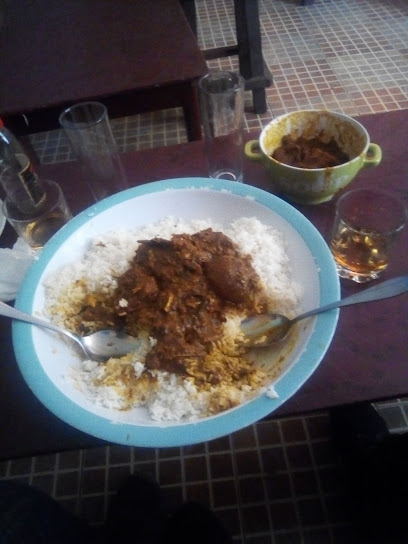
Soma
60.1 km
Discover authentic Gambian flavors at Soma in Bureng, where tradition meets innovation in every dish.
charan
60.1 km
Experience authentic American cuisine in Bureng with hearty dishes and warm hospitality that delights every palate.
Noyon
60.1 km
Savor authentic Gambian cuisine at Noyon, where rich flavors meet warm hospitality in the heart of Bureng.
Markets, malls and hidden boutiques

Talamanca Lodge
0.1 km
Discover tranquility and local charm at Talamanca Lodge, a serene retreat in the heart of Janjanbureh, Gambia, surrounded by stunning landscapes.
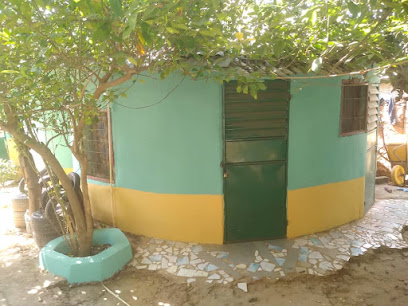
Market
0.2 km
Discover the flavors and vibrant culture of Janjanbureh at the Fresh Food Market, a must-visit for food lovers and cultural enthusiasts alike.
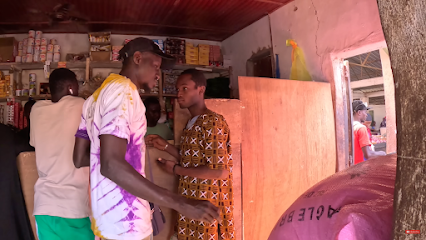
Jockul Ndowen
14.4 km
Explore the vibrant Jockul Ndowen in Jakaba, a cultural hub offering unique artisan products and a taste of local heritage.
Ndimballan and Family Mobile phone Accessories and Cosmetics
16.6 km
Explore Ndimballan in Bansang for top-notch mobile accessories and reliable phone repair services, all in a vibrant market setting.
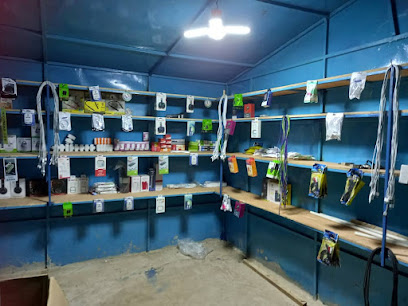
Bansang Market
16.8 km
Discover the essence of Gambian culture at Bansang Market, a bustling hub of shopping, local flavors, and vibrant community life.
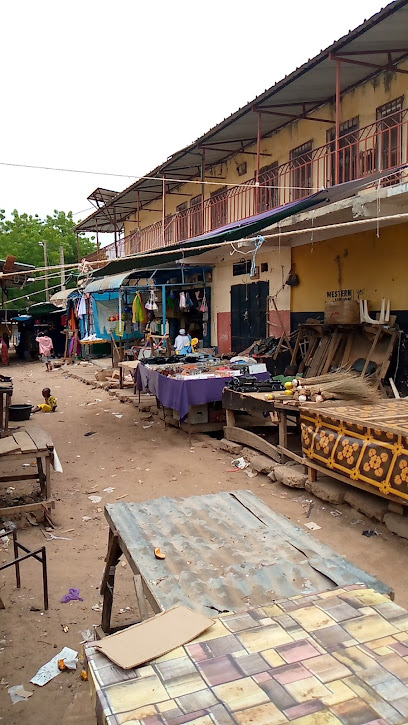
M.M.J building materials Shop
17.1 km
Discover quality construction supplies at M.M.J Building Materials Shop in Bansang – your go-to destination for all building needs.
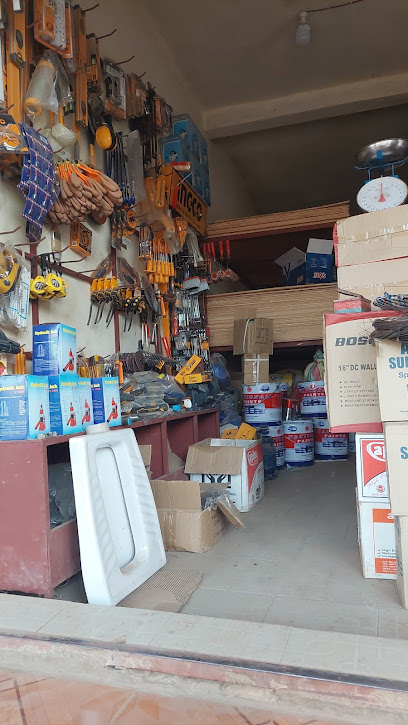
Santa Yallah Food Processing
18.1 km
Experience the essence of Gambian cuisine at Santa Yallah Food Processing, where every bite tells a story of culture and tradition.
Kuntaur The Gambia
19.6 km
Discover Kuntaur, The Gambia: A charming book store and cultural hub offering a unique glimpse into local literature and heritage.
OJ CATERING SERVICES
20.2 km
Experience the warmth of Wassu at OJ Catering Services, a cozy coffee shop offering delightful brews and tasty snacks.
migrants shoe makers
21.2 km
Explore the artistry of Gambian shoemaking at Migrants Shoe Makers in Kerewan, where tradition and craftsmanship come together.
Baboon Island
23.9 km
Explore Baboon Island, a serene wildlife haven in The Gambia, where playful baboons and stunning landscapes await your discovery.
Al Islam shopping father &son
37.6 km
Explore Al Islam Shopping for unique local crafts and authentic souvenirs that capture the vibrant spirit of Gambia.
Masireh Ceesay & Brother's Business
42.4 km
Experience authentic Gambian culture at Masireh Ceesay & Brother's Business, a charming general store in Diabugu offering unique local products.
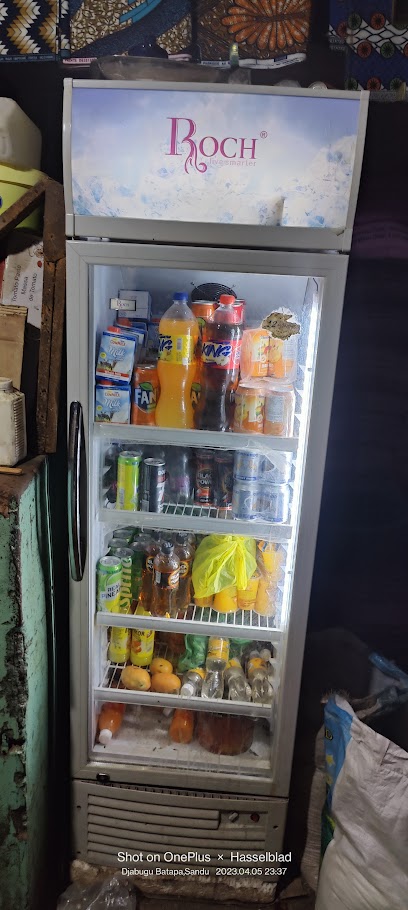
Hagie Shop
42.6 km
Explore vibrant fashion accessories at Hagie Shop, a unique destination in Diabugu that celebrates Gambian craftsmanship and style.
Anaiti
45.5 km
Discover the vibrant culture of Madina at Anaiti, a unique store offering local products and a taste of Gambian lifestyle.
Essential bars & hidden hideouts

Cheers and Musa's River Side Garden..
0.3 km
Experience tranquility and natural beauty at Cheers and Musa's River Side Garden, your perfect retreat in Janjanbureh, Gambia.
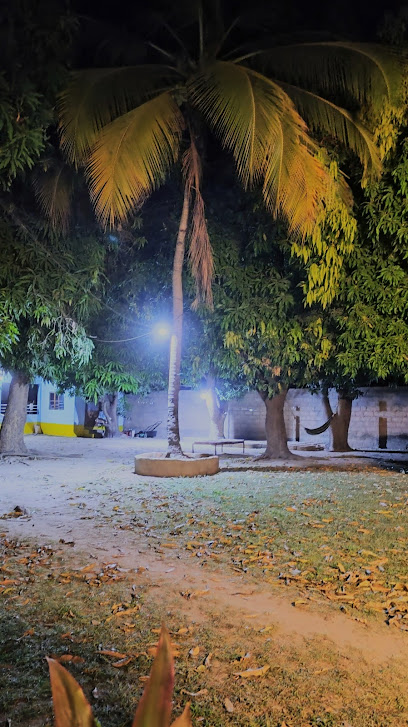
Road Side Pubcamp
0.5 km
Discover the heart of Janjanbureh at Road Side Pubcamp, where local culture meets vibrant nightlife in a cozy bar atmosphere.
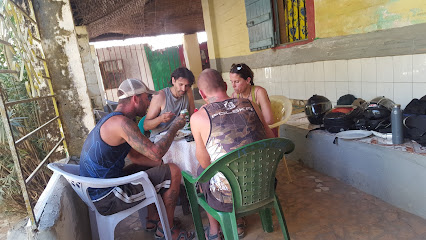
Nightclubs & after hour spots

Sensending Hotel
0.6 km
Discover comfort and local charm at Sensending Hotel in Janjanbureh, the perfect base for your Gambian adventure.
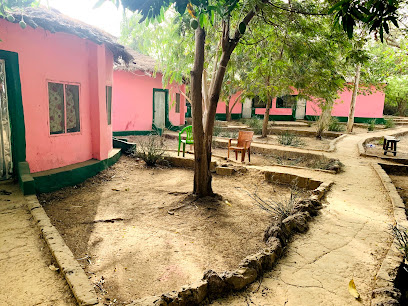
INBASIFA beach
60.1 km
Experience the tranquility of INBASIFA Beach in South Gambia, where golden sands meet refreshing drinks and vibrant social scenes.
Bar Chez Janine
74.5 km
Experience the vibrant atmosphere of Bar Chez Janine in Kolda, where local culture meets refreshing drinks and friendly faces.