
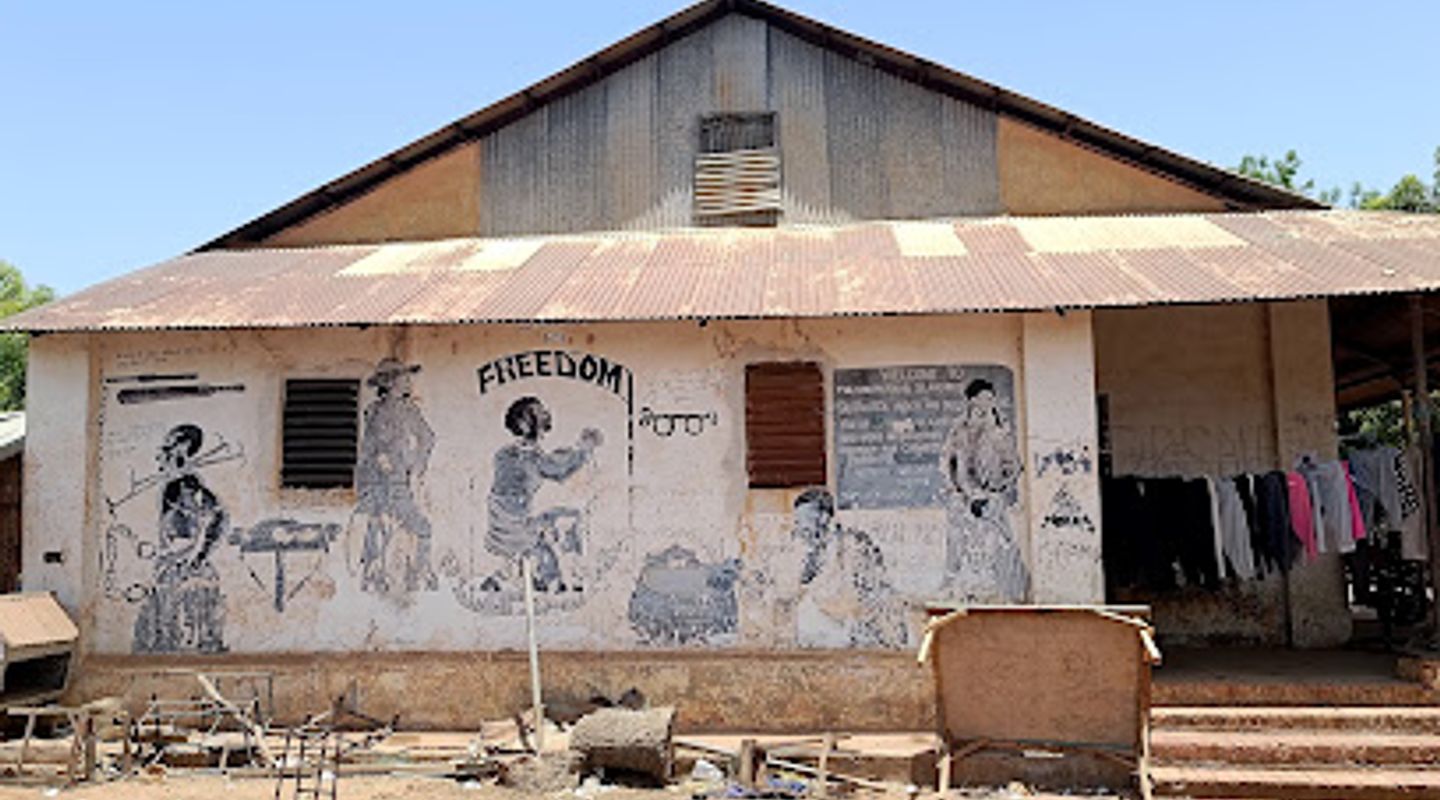
Slave House, Western Region Travel Guide
Explore the poignant history of the Slave House in Janjanbureh, a significant landmark reflecting the legacy of the transatlantic slave trade.
The Slave House in Janjanbureh stands as a poignant reminder of the region's history, offering tourists a glimpse into the past with its rich narrative and cultural significance. Visitors can explore the historical landmark, learn about the transatlantic slave trade, and appreciate the local heritage while contributing to the preservation of this important site.
A brief summary to Slave House
- G6VP+G8M, Unnamed Road, Janjanbureh, GM
- Click to display
- Monday 8 am-7 pm
- Tuesday 8 am-7 pm
- Wednesday 8 am-7 pm
- Thursday 8 am-7 pm
- Friday 8 am-7 pm
- Saturday 8 am-7 pm
- Sunday 8 am-7 pm

Know before you go
Hi, I'm Eve. Here are a few practical things to know before exploring Slave House.
- Consider visiting during guided tours for a more immersive experience.
- Bring a small donation to support the preservation of the site.
- Engage with local guides, as they often share personal stories that enrich your visit.
- Plan your visit in the morning or late afternoon to avoid the heat.
Do you manage this location?
Take control to get all the benefits, like improved information, better appearance, and stronger visibility across AI-powered discovery. Learn more about listing your business on Evendo
Activate your presenceOther nearby places you may find interesting
The closest places of the same kind, if this one is not quite what you had in mind.
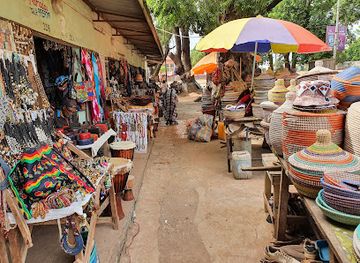
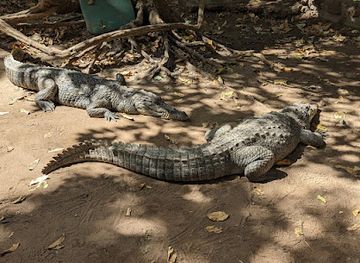
Explore Slave House on the Map
A handpicked selection of must-see spots near Slave House, mapped for you.
Unlock the Best of Slave House
Buy tickets
-
No tickets available
Book tours with entry

Book tours without entry
-
No tours available
Getting There
-
Car
If you are traveling by car, start your journey from Banjul, the capital city. Head east on the A1 road towards Serrekunda. Continue on the A1 until you reach the junction for the A2 road, and take this road towards Janjanbureh. Once you arrive in Janjanbureh, follow the signs or use GPS to navigate to G6VP+G8M, Unnamed Road, where the Slave House is located. There is ample parking available nearby.
-
Public Transportation
For those using public transportation, take a bus or shared taxi from Banjul to Janjanbureh. Buses leave frequently from the main bus station in Banjul. The fare is around 50-100 Dalasi. Once you arrive in Janjanbureh, you can either walk to the Slave House, which is approximately a 20-minute walk from the main bus stop, or hire a local taxi for about 100 Dalasi to take you directly to G6VP+G8M, Unnamed Road.
-
Walking
If you prefer to walk after arriving in Janjanbureh, head east from the main bus stop towards the river. Follow the road that runs parallel to the river until you reach G6VP+G8M. The Slave House is located off the main road and is clearly marked. This walk will take approximately 20 minutes and offers views of the local scenery.
Discover more about Slave House













Your all‑in‑one travel companion app
Explore expert travel guides, compare and book tours, experiences, hotels, and more—all from the palm of your hand. Download now for seamless trip planning wherever your wanderlust takes you.


Explore More of Western Region
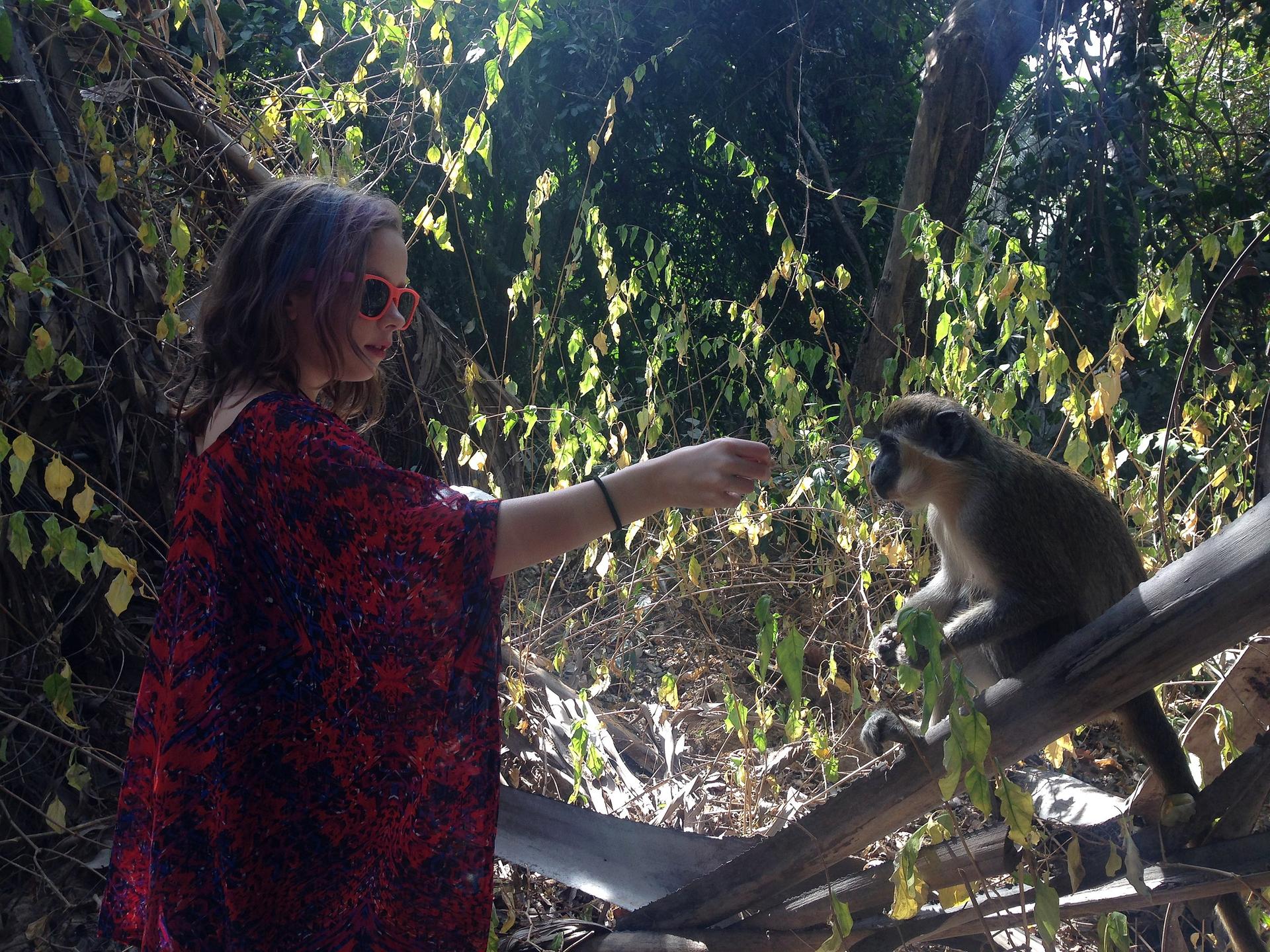
Looking beyond Slave House? Discover Western Region for broader travel guides, local hot-spots, and regional highlights.
Explore Western Region
