

Western Region, The Gambia Travel Guide
Discover the Western Region of The Gambia: Pristine beaches, rich wildlife, and vibrant culture await travelers seeking a unique and unforgettable experience.
The Western Region of The Gambia is a treasure trove of natural beauty and cultural heritage. Nestled along the Atlantic coast, this area is known for its pristine beaches, lush landscapes, and vibrant local communities. From the bustling markets of Serrekunda to the serene shores of Kololi Beach, the Western Region offers a diverse array of experiences for every type of traveler. One of the key attractions in the Western Region is the Abuko Nature Reserve, a haven for wildlife enthusiasts. This protected area is home to many species, including monkeys, crocodiles, and an array of birdlife. It's an ideal spot for a leisurely walk or a guided tour to learn about the region's rich biodiversity. For those interested in history and culture, the village of Juffureh is a must-visit. Known as the ancestral home of Kunta Kinteh, made famous by Alex Haley's novel 'Roots,' this village offers a glimpse into the history of the transatlantic slave trade. A visit to the local museum provides a deeper understanding of this poignant period in history. The Western Region is also a paradise for beach lovers. The coastline is dotted with beautiful beaches such as Brufut and Bijilo, where you can relax, swim, and enjoy water sports. The Bijilo Forest Park, located nearby, is an excellent spot for bird watching and hiking through lush forest trails. Whether you're exploring the vibrant local markets, delving into history, or simply soaking up the sun on a sandy beach, the Western Region of The Gambia promises an unforgettable experience. Its blend of natural beauty and cultural richness makes it a destination worth exploring.

Know before you go
Hi, I'm Eve. Here are a few practical things to know before exploring Western Region.
- Visit local markets early in the morning for the best selection of fresh produce and crafts.
- Carry insect repellent, especially when visiting nature reserves and parks.
- Engage with local guides for a richer experience and deeper insights into the region's history and culture.
- Respect local customs and dress modestly, particularly in rural areas.
- Keep some local currency handy, as not all places accept credit cards.
Top City Travel Guides in Western Region
The cities of Western Region, and the easiest places to base yourself.


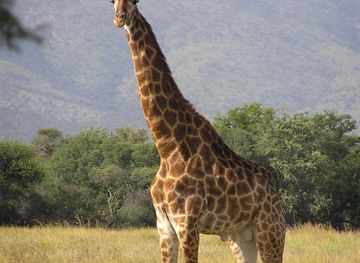
Destinations in Western Region
Resorts, valleys and scenic spots worth a trip of their own.


Explore Western Region: Things to Do, Places to Eat, Hotels & More
Handpicked recommendations for top attractions, local dining, accommodations, and more

Top Attractions & Sightseeing in Western Region
Top-rated picks
Best Attractions

Kachikally Crocodile Pool
Explore the Kachikally Crocodile Pool in Bakau - a unique blend of wildlife encounters and cultural experiences in The Gambia.

Bijilo National Park
Explore the lush landscapes, vibrant wildlife, and serene trails of Bijilo National Park, an unforgettable nature escape in The Gambia.

Kunta Kinteh Island
Discover Kunta Kinteh Island, a UNESCO World Heritage site that tells the poignant story of the transatlantic slave trade in The Gambia.

Bakau craft market
Experience the vibrant energy and unique craftsmanship of Bakau Craft Market, the heart of local art in Gambia.

Best landmarks in Western Region
Top-rated picks
Best Landmarks

Kachikally Crocodile Pool
Explore Kachikally Crocodile Pool in Bakau, a fascinating tourist attraction featuring sacred Nile crocodiles and a glimpse into Gambian culture.

Coco Ocean Resort & Spa Hotel
Discover the enchanting Coco Ocean Resort & Spa in Bijilo, Gambia, where luxury meets tranquility and cultural richness awaits.

Bijilo National Park
Explore the lush landscapes and diverse wildlife of Bijilo National Park, a serene escape in The Gambia's vibrant heart.
Tamala Beach Resort
Experience the luxury of Tamala Beach Resort in Serrekunda, Gambia, where breathtaking views and exceptional service await every traveler.

Best restaurants in Western Region
Top-rated picks
Best Restaurants

Poco Loco Beachbar Gambia
Discover relaxation at Poco Loco Beachbar in Gambia – where stunning views meet delicious cuisine in a vibrant atmosphere.

John Raymond'S Beach Bar And Restaurant
Experience exquisite seafood dining at John Raymond's Beach Bar and Restaurant in Serrekunda – where flavor meets breathtaking ocean views.

Paradiso Restaurant
Experience the vibrant flavors of Gambian cuisine at Paradiso Restaurant in Serrekunda - a must-visit culinary destination.

Mo2 Jamaican Bar & Restaurant Gambia (Mosiah's)
Discover authentic Jamaican cuisine at Mo2 Jamaican Bar & Restaurant in Gambia - a vibrant dining experience filled with flavor and culture.

Best bars in Western Region
Top-rated picks
Best Bars
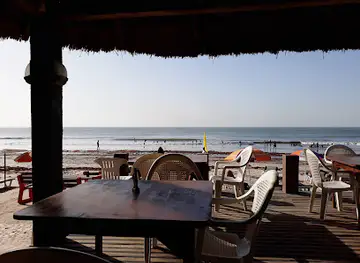
Solomon’s Beach Bar & Restaurant
Discover the vibrant atmosphere and stunning ocean views at Solomon’s Beach Bar & Restaurant, the perfect spot for relaxation and local cuisine in Serrekunda.
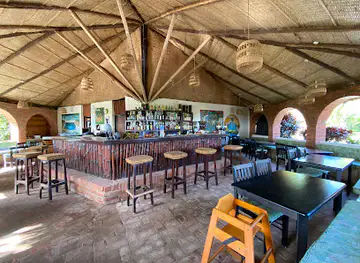
Calypso bar & restaurant
Experience the vibrant atmosphere and exquisite flavors at Calypso Bar & Restaurant in Bakau, the perfect spot for dining and nightlife.

Reo's Bar and Restaurant
Experience the vibrant flavors and warm hospitality of Reo's Bar and Restaurant in the heart of Serrekunda, Gambia.
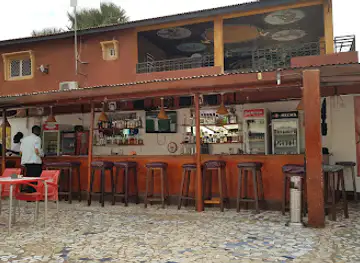
GT's Bar & Restaurant
Discover the flavors of Gambia at GT's Bar & Restaurant, where vibrant ambiance meets delicious local and international cuisine.

Best nightclubs in Western Region
Top-rated picks
Best Nightclubs

Envy Night Club
Experience the vibrant nightlife at Envy Night Club in Serrekunda, featuring electrifying music, refreshing cocktails, and unforgettable memories.

Aquarius Nightclub
Discover the electrifying nightlife at Aquarius Nightclub in Serrekunda, where the music is vibrant and the atmosphere is unforgettable.

Ningki Nangka Bar & Night Club
Experience the vibrant nightlife of Serrekunda at Ningki Nangka Bar & Night Club, where local music and delicious drinks mingle under the stars.

Club Infinity
Discover the vibrant nightlife at Club Infinity in Serrekunda, where music, dance, and unforgettable memories await.

Best shops in Western Region
Top-rated picks
Best Shops

Albert Market
Discover the heart of Banjul at Albert Market, a vibrant hub of local culture, crafts, and cuisine.

Tropic Shopping Centre
Explore Tropic Shopping Centre in Serrekunda, Gambia, for an unforgettable shopping and dining experience amidst local culture and modern amenities.

Timbooktoo Bookstore
Explore the rich tapestry of Gambian literature at Timbooktoo Bookstore, a must-visit literary sanctuary in Serrekunda.

Brikama Craft Market
Explore Brikama Craft Market, a cultural gem in Gambia, showcasing the finest handcrafted goods and local artistry in a lively marketplace atmosphere.

Explore Western Region on the Map
A handpicked selection of must-see spots in Western Region, mapped for you.
Western Region Essentials
-
The Western Region of The Gambia is accessible primarily through Banjul International Airport, which is the main international gateway. From the airport, you can take a taxi or arrange for a private transfer to reach various destinations within the Western Region. The region is also accessible by road from neighboring countries such as Senegal. Public buses and bush taxis are available for those traveling from within The Gambia.
-
Within the Western Region, transportation options include taxis, minibuses (locally known as 'Gele Geles'), and rental cars. Taxis are widely available and can be hailed on the street or booked through your accommodation. Gele Geles operate on fixed routes and are an affordable way to travel, though they can be crowded. For more flexibility, consider renting a car, but be aware that driving conditions can vary and local driving habits may differ from what you are used to.
-
The official currency in The Gambia is the Gambian Dalasi (GMD). While credit cards are accepted in some hotels, restaurants, and shops, it is advisable to carry cash, particularly for smaller establishments and local markets. ATMs are available in major towns, but it is wise to carry enough cash for your daily needs. Currency exchange services are available at the airport, banks, and some hotels.
-
The Western Region is generally safe for tourists, but it is important to exercise common sense and take standard safety precautions. Avoid walking alone at night, especially in poorly lit areas. Petty crime such as pickpocketing can occur in crowded places, so keep your belongings secure. Specific areas with higher crime rates include parts of Serrekunda and Banjul where tourists might be targeted. Always be aware of your surroundings and avoid displaying expensive items.
-
In case of an emergency, dial 117 for police assistance, 116 for fire services, and 1025 for medical emergencies. It is recommended to have travel insurance that covers medical emergencies and evacuation. Major towns have medical facilities and pharmacies where you can get assistance. Always keep a copy of important documents, such as your passport and insurance details, and know the location of your country's embassy or consulate.
-
Fashion: Do dress modestly, especially when visiting rural areas and religious sites. Avoid wearing revealing clothing. Religion: Do respect local customs and traditions. Remove your shoes before entering mosques and dress conservatively. Public Transport: Do be respectful and patient when using public transport. Don't expect strict adherence to schedules. Greetings: Do greet people with a handshake or a friendly 'Asalaam Alaikum'. Eating & Drinking: Do try local dishes and accept food offerings graciously. Don't eat with your left hand, as it is considered impolite.
-
To experience the Western Region like a local, visit the bustling markets of Serrekunda and Bakau where you can buy fresh produce, textiles, and crafts. Engage with locals, who are often friendly and eager to share their culture. Don't miss visiting the Abuko Nature Reserve for a glimpse of local wildlife. For a unique experience, take a boat trip along the River Gambia, offering stunning views and a chance to see hippos and crocodiles.
When is the best time to visit Western Region?
Useful Local Phrases for Western Region
You don't need to speak the language perfectly. Even learning a few simple words can make conversations warmer—and locals usually appreciate the effort.
— Eve

Here are the phrases I use most often in Western Region. Try a few—you'll be surprised how far they go! 😊
❤️
-
- HelloNaka
[Nah-kah] - GoodbyeNaka la
[Nah-kah lah] - YesAye
[Eye] - NoNo
[No] - Please/You're welcomeNyo we
[Nyoh weh] - Thank youJerejef
[Je-reh-jef] - Excuse me/SorryBisimila
[Bee-see-mee-lah] - How are you?Naka deh?
[Nah-kah deh?] - Fine. And you?Jama. Naka deh?
[Jah-mah. Nah-kah deh?] - Do you speak English?Nya jango English?
[Nya jahn-go Eng-lish?] - I don't understandNya fo nyawu
[Nya fo nyah-woo]
- HelloNaka
-
- I'd like to see the menu, pleaseNya nyi menu, nyo we
[Nya nee meh-noo, nyoh weh] - I don't eat meatNya fo nyi njaay
[Nya fo nee n-jah-ee] - Cheers!Nya jere jef!
[Nya jeh-reh jeff!] - I would like to pay, pleaseNya nyi sa, nyo we
[Nya nee sah, nyoh weh]
- I'd like to see the menu, pleaseNya nyi menu, nyo we
-
- Help!Bisim!
[Bee-seem!] - Go away!Jaa la!
[Jah-lah!] - Call the Police!Nya jango Police!
[Nya jahn-go Po-lees!] - Call a doctor!Nya jango doctor!
[Nya jahn-go doh-ctor!] - I'm lostNya fo jumo
[Nya fo joo-mo] - I'm illNya fo fula
[Nya fo foo-lah]
- Help!Bisim!
-
- I'd like to buy...Nya nyi buy...
[Nya nee buy...] - I'm just lookingNya fo nyi jolo
[Nya fo nee joh-loh] - How much is it?Kayo nyi?
[Kah-yo nee?] - That's too expensiveOye fo joo
[Oh-yeh fo joh] - Can you lower the price?Nya fo nyi joo wo?
[Nya fo nee joh woh?]
- I'd like to buy...Nya nyi buy...
-
- What time is it?Kayo wa?
[Kah-yo wah?] - It's one o'clockNyi sa o'clock
[Nee sah oh-clock] - Half past (10)Half past (10)
[Half past (10)] - MorningNaka
[Nah-kah] - AfternoonBanjul
[Ban-jool] - EveningJeng
[Jeng] - YesterdayNa fu
[Nah foo] - TodayNyi
[Nee] - TomorrowNa jeng
[Nah jeng] - 1Jeng
[Jeng] - 2Nyi
[Nee] - 3Tungo
[Toon-go] - 4Jang
[Jang] - 5Jum
[Jum] - 6Bung
[Bung] - 7Seng
[Seng] - 8Saba
[Sah-bah] - 9Kow
[Kow] - 10Ten
[Ten]
- What time is it?Kayo wa?
-
- Where's a/the...?Nka a/the...?
[Nkah ah/the...?] - What's the address?Kayo address?
[Kah-yo ah-dress?] - Can you show me (on the map)?Nya fo nyi jango (on the map)?
[Nya fo nee jahn-go (on the map)?] - When's the next (bus)?Kayo jeng (bus)?
[Kah-yo jeng (bus)?] - A ticket (to ....)Nya jango ticket (to ....)
[Nya jahn-go tick-et (to ....)]
- Where's a/the...?Nka a/the...?
History of Western Region
-
The Western Region of The Gambia, particularly the area now known as Banjul, was originally established as a trading post by the British in 1816. The British sought to control the lucrative trade routes and to suppress the slave trade that was rampant in the region. The island of St. Mary’s, where Banjul is situated, was chosen for its strategic location at the mouth of the Gambia River.
-
Banjul, initially called Bathurst, was founded by Captain Alexander Grant of the Royal African Corps. He named the settlement after the then British Secretary of State for War and the Colonies, Henry Bathurst. The town quickly grew as a center for trade, administration, and military operations.
-
The Western Region played a significant role in the Transatlantic Slave Trade. Fort James, located on James Island (now Kunta Kinteh Island) in the Gambia River, was a pivotal location where enslaved Africans were held before being shipped to the Americas. The fort, established by the British in the mid-17th century, is now a UNESCO World Heritage Site and serves as a somber reminder of this dark period in history.
-
The Gambia gained independence from British colonial rule on February 18, 1965. The transition to independence was relatively peaceful compared to other African nations. Banjul, as the capital city, became the political and economic heart of the newly independent nation, symbolizing national unity and progress.
-
Western Region is rich in cultural heritage, with numerous ethnic groups such as the Mandinka, Wolof, Fula, and Jola contributing to the region's diverse cultural tapestry. Traditional music, dance, and festivals are integral to the community's daily life. The region is also known for its vibrant markets, where local crafts, textiles, and foods showcase the area's cultural wealth.
-
In recent decades, Western Region has seen significant development, particularly in the tourism sector. Coastal areas like Bakau, Fajara, and Kololi are popular tourist destinations, known for their beautiful beaches, resorts, and vibrant nightlife. The region's historical sites, including the Arch 22 monument and the National Museum in Banjul, attract history enthusiasts from around the world.
Neighbouring Regions of Western Region
The closest regions to Western Region, if you have time for more than one.


Your all‑in‑one travel companion app
Explore expert travel guides, compare and book tours, experiences, hotels, and more—all from the palm of your hand. Download now for seamless trip planning wherever your wanderlust takes you.


Explore More of The Gambia

Looking beyond Western Region? Discover The Gambia for broader travel guides, local hot-spots, and regional highlights.
Explore The GambiaWestern Region in Photos
Browse through our photo collection highlighting the charm and character of the destination.


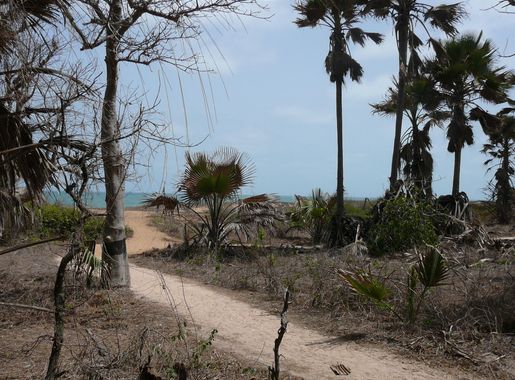


The Enchanting Western Region of The Gambia
The Western Region of The Gambia is a treasure trove of natural beauty and cultural heritage. Nestled along the Atlantic coast, this area is known for its pristine beaches, lush landscapes, and vibrant local communities. From the bustling markets of Serrekunda to the serene shores of Kololi Beach, the Western Region offers a diverse array of experiences for every type of traveler. One of the key attractions in the Western Region is the Abuko Nature Reserve, a haven for wildlife enthusiasts. This protected area is home to many species, including monkeys, crocodiles, and an array of birdlife. It's an ideal spot for a leisurely walk or a guided tour to learn about the region's rich biodiversity. For those interested in history and culture, the village of Juffureh is a must-visit. Known as the ancestral home of Kunta Kinteh, made famous by Alex Haley's novel 'Roots,' this village offers a glimpse into the history of the transatlantic slave trade. A visit to the local museum provides a deeper understanding of this poignant period in history. The Western Region is also a paradise for beach lovers. The coastline is dotted with beautiful beaches such as Brufut and Bijilo, where you can relax, swim, and enjoy water sports. The Bijilo Forest Park, located nearby, is an excellent spot for bird watching and hiking through lush forest trails. Whether you're exploring the vibrant local markets, delving into history, or simply soaking up the sun on a sandy beach, the Western Region of The Gambia promises an unforgettable experience. Its blend of natural beauty and cultural richness makes it a destination worth exploring.