

Free Niuas Travel Guide & Mobile App
Explore Niuas with free travel guides. Discover regional history, expert tips, proposed trips, and audio guides on web or mobile app.


Explore the remote Niuas of Tonga for volcanic landscapes, reef waters, village life, crater lakes and the remarkable story of Tin Can Mail.
Read more about Niuas
When is the best time to visit Niuas?
Best: June–August · 26°C| Month | High (°C) | Rainfall (mm) |
|---|---|---|
| January | 29 | 250 |
| February | 30 | 230 |
| March | 29 | 210 |
| April | 28 | 190 |
| May | 27 | 170 |
| June (best) | 26 | 150 |
| July (best) | 26 | 140 |
| August (best) | 26 | 140 |
| September | 26 | 150 |
| October | 27 | 170 |
| November | 28 | 200 |
| December | 28 | 230 |
Getting to and around Niuas
How to get there
Transportation
Destinations in Niuas
Resorts, valleys and scenic spots worth a trip of their own.

Swipe for more destinations
Best landmarks in Niuas
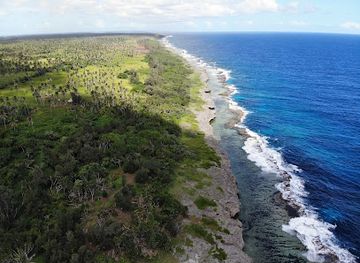
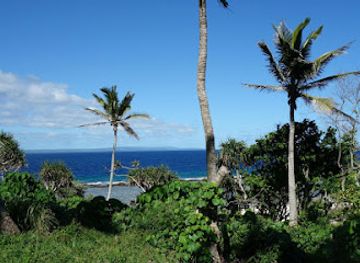
Niuafo'ou’s volcanic caldera and crater lakes are the Niuas’ most important natural landmarks, defining the island’s form and explaining both its fertile interior and long history of volcanic hazards. The outer slopes rise around the enclosed waters, creating a landscape unlike the low reef-fringed profile of most of Niuatoputapu. Tafahi’s steep volcanic cone is another prominent feature, visible across the surrounding sea and associated with demanding climbs and wide views when local conditions permit. On Niuatoputapu, the coastline, reef flats and lagoon landscapes are significant geographical markers, while rebuilt communities and public structures recall the destruction caused by the 2009 tsunami and the island’s subsequent recovery. Niuafo'ou’s association with Tin Can Mail is a landmark of maritime history rather than a single monumental building: the island’s inaccessible shoreline and passing ships made the postal system possible. Village churches also hold strong visual and social importance, but visitors should treat them as living places of worship and seek permission before entering or photographing them.
-
 Hotel
HotelTanoa International Dateline Hotel
Discover Tanoa International Dateline Hotel: A blend of modern comfort and Tongan charm in the heart of Nuku'alofa, ideal for your tropical getaway.
-
Nature preserve
Mapu'a Vaea Blowholes
Experience the breathtaking beauty of the Mapu'a Vaea Blowholes in Tonga, where nature's power meets stunning coastal views.
-
Island
Tongatapu
Explore the captivating island of Tongatapu, Tonga's largest isle, where breathtaking landscapes meet rich cultural heritage in a tropical paradise.
-
Tourist attraction
Anahulu Cave
Discover the breathtaking beauty of Anahulu Cave in Haveluliku, Tonga, where adventure meets tranquility in nature's hidden wonder.
Explore Niuas on the map
Plan your trip on one map. See where the top cities, national parks and sights are, and book hotels and experiences in a few clicks.
Best hotels in Niuas
Best restaurants in Niuas
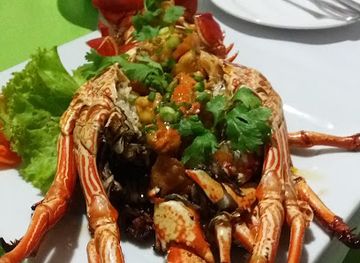
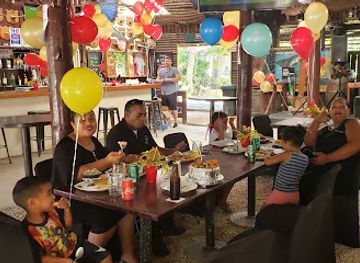
Dining in the Niuas is generally home-based, guesthouse-led or arranged through local contacts rather than organised around a large restaurant industry. Meals may include fresh fish, reef or lagoon seafood, taro, yams, cassava, breadfruit, bananas, coconut and other crops grown or gathered locally. Food availability changes with fishing, shipping, weather and household supply, so visitors should not expect an extensive menu at every sitting. On Niuatoputapu and Niuafo'ou, a pre-arranged meal can provide a more reliable and culturally respectful option than searching for a formal dining room. Tongan staples and communal sharing are more important to the regional food experience than elaborate presentation. Visitors with allergies or dietary restrictions should explain them clearly in advance and carry suitable backup provisions. Bottled or treated drinking water may be advisable depending on local arrangements, and a small reserve of snacks is sensible because shops have limited stock and supply disruptions can occur.
-
Cafe
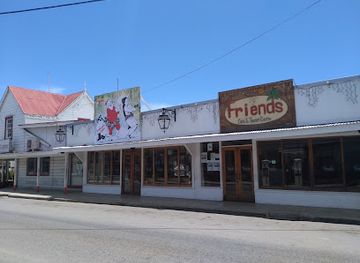
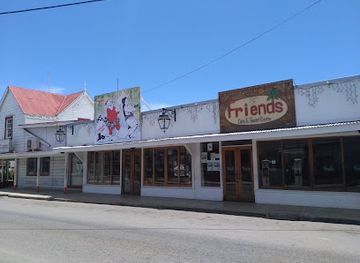
Friends Cafe
Discover delicious local cuisine at Friends Cafe in Nuku'alofa - where great food meets Tongan hospitality.
-
Restaurant
Little Italy Hotel
Experience authentic Italian cuisine and comfortable accommodations at Little Italy Hotel in Nuku'alofa, Tonga – a true culinary gem.
-
Restaurant
Chef Zero Restaurant
Experience authentic Tongan flavors at Chef Zero Restaurant in Nuku'alofa - where culinary tradition meets modern dining.
-
Restaurant
Billfish Bar and Restaurant
Experience authentic Tongan flavors at Billfish Bar and Restaurant in Nuku'alofa - a culinary delight amidst tropical beauty.
Best bars in Niuas
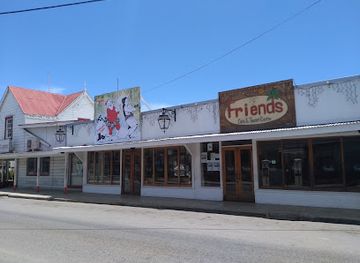
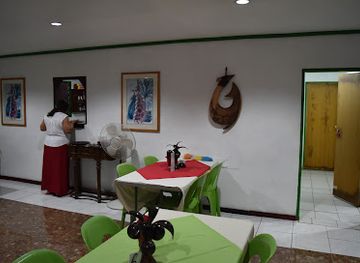
The Niuas do not have a conventional nightclub scene. Evening life is centred on family homes, guesthouses, village gatherings and quiet socialising, with church and community commitments shaping the rhythm of the week. Visitors may find simple refreshments or locally arranged drinks, but should not expect a choice of cocktail bars, late-opening venues or organised entertainment comparable with larger Tongan centres. Sunday is particularly quiet, and alcohol should never be treated as the focus of a visit. The most rewarding evenings are often informal: sharing food with hosts, listening to local stories, watching the sunset from a safe coastal place or viewing the night sky away from major artificial light. Ask before bringing alcohol into a household or community setting, dress respectfully and follow local expectations around noise, photography and the timing of social visits.
-
Hotel
Tanoa International Dateline Hotel
Experience the warmth of Tongan hospitality at Tanoa International Dateline Hotel, your ideal base for exploring Nuku'alofa's rich culture and stunning scenery.
-
Cafe
Friends Cafe
Experience genuine Tongan hospitality at Friends Cafe, where delicious flavors meet a warm atmosphere in the heart of Nuku'alofa.
-
Restaurant
Little Italy Hotel
Experience a taste of Italy in Tonga at Little Italy Hotel, where delicious cuisine meets warm hospitality.
-
Restaurant
Chef Zero Restaurant
Indulge in the authentic flavors of Tonga at Chef Zero Restaurant, where every dish tells a story of culture and culinary excellence.
Best nightclubs in Niuas
The Niuas do not have a conventional nightclub scene. Evening life is centred on family homes, guesthouses, village gatherings and quiet socialising, with church and community commitments shaping the rhythm of the week. Visitors may find simple refreshments or locally arranged drinks, but should not expect a choice of cocktail bars, late-opening venues or organised entertainment comparable with larger Tongan centres. Sunday is particularly quiet, and alcohol should never be treated as the focus of a visit. The most rewarding evenings are often informal: sharing food with hosts, listening to local stories, watching the sunset from a safe coastal place or viewing the night sky away from major artificial light. Ask before bringing alcohol into a household or community setting, dress respectfully and follow local expectations around noise, photography and the timing of social visits.
-
Hotel
Tanoa International Dateline Hotel
Experience the charm of Tonga at Tanoa International Dateline Hotel, where comfort meets local culture in a stunning seaside setting.
-
Cafe
Friends Cafe
Discover the flavors of Tonga at Friends Cafe, a welcoming spot in Nuku'alofa for tourists seeking local culinary delights and a cozy atmosphere.
-
Bar
Billfish Bar and Restaurant
Experience the vibrant flavors and coastal charm of Tonga at Billfish Bar and Restaurant, where every bite tells a story.
-
Restaurant
The TOP Restaurant and Lounge
Experience authentic Tongan flavors at The TOP Restaurant and Lounge, where local ingredients meet stunning ambiance in Nuku'alofa.

Best shops in Niuas
Shopping in the Niuas is limited to small local shops, household businesses and occasional community or produce sales rather than dedicated retail districts. Useful purchases may include locally grown root crops, fruit, coconuts, prepared foods and simple handmade items, subject to availability and transport supply. Visitors may encounter woven goods, shell-based crafts or other locally produced souvenirs, but should buy only items whose collection and sale are clearly permitted; coral, shells, archaeological objects and protected natural materials should not be removed. Bring adequate pa'anga because card facilities and cash access are restricted. The most meaningful souvenirs are often durable food products, crafts or illustrated material connected with Tongan culture and the islands’ maritime history. Do not expect a supermarket-style selection, and ask hosts where purchases can be made rather than assuming that every village has regular market hours.
-
Hotel
Tanoa International Dateline Hotel
Discover the warmth of Tonga at Tanoa International Dateline Hotel, where comfort meets island charm in Nuku'alofa.
-
Marina
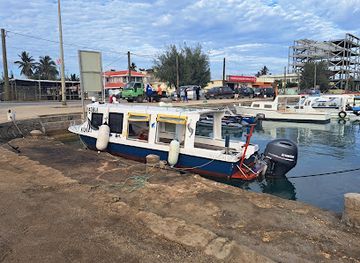
Vuna Wharf
Discover the beauty and flavor of Vuna Wharf, Nuku'alofa's stunning marina, where fresh seafood meets breathtaking ocean views.
-
Corporate office
Deep Blue Diving
Explore the mesmerizing underwater world with Deep Blue Diving in Nuku'alofa, Tonga—where adventure meets pristine marine beauty.
-
Shopping mall
Hiki 'O Tonga
Experience the heart of Tongan culture at Hiki 'O Tonga, a premier shopping destination in Nuku'alofa with local crafts and delicious cuisine.
Get your free copy of our complete guide to Niuas, delivered straight to you.
Everything on this page, from attractions and restaurants to essentials and local phrases, in one PDF you can read offline, print or share.
Already have an account? Sign in
Your Niuas guide is ready.
We'll send it to · Not you? Sign out

Getting your guide ready…
We are putting together a fresh copy of the Niuas guide. This can take up to a minute.
This can take a few moments. If your browser asks, choose Allow so the download can start. You'll find the guide in your Downloads folder.
Nothing happened? Download it again
Sorry, the guide is taking longer than usual. Please try again in a minute, or get it by email instead.
Niuas essentials
Currency and Payment
Safety
Emergency Situations
Do's and Don'ts
Local Tips
From Eve
Local phrases worth knowing
You don't need to get them perfect. A few words go a long way, and locals appreciate the effort.
Basics
| English | Local | Say it |
|---|---|---|
| Hello | Mālō | [Mah-loh] |
| Goodbye | Nofo ā | [Noh-foh ah] |
| Yes | Āe | [Ah-eh] |
| No | Ikai | [Ee-kai] |
| Please/You're welcome | Faka'apa'apa | [Fah-kah-ah-pah-pah] |
| Thank you | Mālō 'aupito | [Mah-loh ow-pee-toh] |
| Excuse me/Sorry | Fakamolemole | [Fah-kah-moh-leh-moh-leh] |
| How are you? | Ofa atu? | [Oh-fah ah-too] |
| Fine. And you? | Sai pē. Ko e koe? | [Sigh peh. Koh eh koh-eh] |
| Do you speak English? | Oka ke lea faka-Pālangi? | [Oh-kah keh leh-ah fah-kah-Pah-lan-gee] |
| I don't understand | Oua te u ma'u | [Oh-wah teh oo mah-oo] |
Eating & Drinking
| English | Local | Say it |
|---|---|---|
| I'd like to see the menu, please | Ofa mai ki he menui, faka'apa'apa | [Oh-fah my kye heh meh-nu-ee, fah-kah-ah-pah-pah] |
| I don't eat meat | Oua te u kai he me'akai | [Oh-wah teh oo ky heh meh-ah-kai] |
| Cheers! | Mālō! | [Mah-loh] |
| I would like to pay, please | Ofa mai ke ta'e, faka'apa'apa | [Oh-fah my keh tah-eh, fah-kah-ah-pah-pah] |
Emergencies
| English | Local | Say it |
|---|---|---|
| Help! | Tūfunga! | [Too-foong-ah] |
| Go away! | Tū'aki! | [Too-ah-kee] |
| Call the Police! | Fakakaukau ki he Polisi! | [Fah-kah-kow-kow key heh Poh-lee-see] |
| Call a doctor! | Fakakaukau ki he tāpuni! | [Fah-kah-kow-kow key heh tah-poo-nee] |
| I'm lost | Na'e u ngātahi | [Nah-eh oo nah-tah-hee] |
| I'm ill | Na'e u ma'ala | [Nah-eh oo mah-ah-lah] |
Shopping
| English | Local | Say it |
|---|---|---|
| I'd like to buy... | Ofa mai ke hoko... | [Oh-fah my keh hoh-koh] |
| I'm just looking | Na'e o e sio | [Nah-eh oh eh see-oh] |
| How much is it? | E hā te pa'anga? | [Eh hah teh pah-ahng-ah] |
| That's too expensive | Ko e pa'anga lahi | [Koh eh pah-ahng-ah lah-hee] |
| Can you lower the price? | Oka ke fakalahi e pa'anga? | [Oh-kah keh fah-kah-lah-hee eh pah-ahng-ah] |
Time & Numbers
| English | Local | Say it |
|---|---|---|
| What time is it? | Ko e hā e uo? | [Koh eh hah eh oo-oh] |
| It's one o'clock | Ko e taha e uo | [Koh eh tah-hah eh oo-oh] |
| Half past (10) | Tahi 'o e (10) | [Tah-hee oh eh (10)] |
| Morning | Pule | [Poo-leh] |
| Afternoon | Aho 'o e 'afternoon | [Ah-hoh oh eh ahf-ter-noon] |
| Evening | Pū | [Poo] |
| Yesterday | Māhina | [Mah-hee-nah] |
| Today | Aho ni | [Ah-hoh nee] |
| Tomorrow | Aho 'apō | [Ah-hoh ah-poh] |
| 1 | Taha | [Tah-hah] |
| 2 | Taha 'o e lua | [Tah-hah oh eh loo-ah] |
| 3 | Taha 'o e tolu | [Tah-hah oh eh toh-loo] |
| 4 | Taha 'o e fā | [Tah-hah oh eh fah] |
| 5 | Taha 'o e nima | [Tah-hah oh eh nee-mah] |
| 6 | Taha 'o e ono | [Tah-hah oh eh oh-noh] |
| 7 | Taha 'o e fitu | [Tah-hah oh eh fee-too] |
| 8 | Taha 'o e valu | [Tah-hah oh eh vah-loo] |
| 9 | Taha 'o eiva | [Tah-hah oh eh ee-vah] |
| 10 | Taha 'o e teni | [Tah-hah oh eh teh-nee] |
Transport & Directions
| English | Local | Say it |
|---|---|---|
| Where's a/the...? | Ko e hā e ...? | [Koh eh hah eh ...?] |
| What's the address? | Ko e hā e 'address'? | [Koh eh hah eh 'ah-dress'?] |
| Can you show me (on the map)? | Oka ke faka'ata mai (ki he mapa)? | [Oh-kah keh fah-kah-ah-tah my (kee heh mah-pah)?] |
| When's the next (bus)? | Ko e hā e 'next' (bus)? | [Koh eh hah eh 'next' (bus)?] |
| A ticket (to ....) | He tiketi (ki ....) | [Heh tee-keh-tee (kee ....)] |
History of Niuas
Lapita Settlement and Early Polynesian Voyaging
The Niuas belong to the wider Tongan archipelago settled during the great eastward expansion of Austronesian-speaking seafarers. Archaeological evidence from Tonga records Lapita communities from the first millennium BCE, and the northern islands formed part of the maritime network linking Tonga with Samoa, Fiji and other western Polynesian islands. Early inhabitants carried crops, animals, technologies and social traditions across open ocean, adapting them to small volcanic and reef-fringed environments. Although the surviving archaeological record differs between islands, the Niuas’ position demonstrates their long-standing importance as waypoints within regional voyaging and exchange.
Tongan Political and Cultural Influence
Over centuries, Tonga developed powerful chiefly structures and extended influence across parts of western Polynesia. The Niuas were connected to these political and kinship networks while retaining local communities and island identities. Authority was expressed through chiefly relationships, landholding, tribute and obligations linking distant islands. Christianity later transformed many institutions, but village organisation, respect for rank, communal labour and family responsibilities still reflect a long historical development rather than a recent cultural invention. The distance of the Niuas from Tongatapu also meant that local traditions and oral histories remained particularly important.
European Voyages and Missionary Change
European navigators recorded the northern Tongan islands during the age of Pacific exploration, but their remoteness limited sustained contact compared with Tongatapu. During the nineteenth century, Christian missionaries and Tongan religious networks brought major changes to worship, education, literacy and political life. Churches became central village institutions, and conversion reshaped ceremonies and social expectations. The arrival of Christianity did not erase local identity; instead, it was incorporated into communities whose language, genealogies, land relationships and customary obligations continued to structure everyday life.
Niuafo'ou and the Tin Can Mail
Niuafo'ou became internationally known for the unusual way its mail was handled. Because the volcanic island lacked a conventional harbour where ships could safely land, mailbags were placed in sealed biscuit tins and swimmers or small boats carried them between passing vessels and the shore. The practice, commonly called Tin Can Mail, developed in the late nineteenth century and continued into the twentieth century, turning a practical response to geography into one of the Pacific’s best-known postal stories. It also illustrates how maritime isolation shaped communications and outside perceptions of the island.
Niuafo'ou’s Volcanic Eruptions
Niuafo'ou is an active volcanic island, and eruptions have repeatedly affected its settlements and landscape. A major eruption in 1946 caused extensive disruption and led to the evacuation and temporary relocation of many residents, a traumatic episode remembered in the island’s modern history. Volcanic activity has also shaped the island’s crater lakes, fertile soils and steep outer terrain. The risks associated with living on an active volcano remain part of local geographical reality, even though eruptions are infrequent and conditions vary over time.
The 2009 Tsunami and Niuatoputapu’s Recovery
On 29 September 2009, a powerful earthquake in the southwest Pacific generated a tsunami that struck Niuatoputapu and neighbouring islands. The disaster caused deaths, destroyed or damaged homes and public facilities, and displaced communities. Recovery involved rebuilding houses, roads, services and essential infrastructure, while residents also faced the loss of familiar coastal spaces and livelihoods. The event remains essential to understanding the island’s contemporary landscape. It demonstrates both the vulnerability of low-lying Pacific communities and the importance of local resilience, family networks and carefully planned disaster preparedness.
Niuas in Photos
Browse through our photo collection highlighting the charm and character of the destination.
Neighbouring regions of Niuas
The closest regions to Niuas, if you have time for more than one.
-

-

-

-

-


Swipe for more regions
Explore more

Explore more of Tonga
Discover Tonga, the Friendly Islands of the South Pacific, where pristine beaches, vibrant coral reefs, and rich cultural heritage await your exploration.
Explore Tonga