

Free Niuatoputapu Travel Guide & Mobile App
Explore Niuatoputapu with free travel guides. Discover regional history, expert tips, proposed trips, and audio guides on web or mobile app.


Niuatoputapu offers quiet Tongan villages, reef-fringed shores, island walks and a close encounter with life in the remote northern Niuas.
Read more about Niuatoputapu
When is the best time to visit Niuatoputapu?
Best: June–August · 27°C| Month | High (°C) | Rainfall (mm) |
|---|---|---|
| January | 29 | 210 |
| February | 29 | 190 |
| March | 29 | 170 |
| April | 29 | 150 |
| May | 28 | 130 |
| June (best) | 27 | 110 |
| July (best) | 27 | 90 |
| August (best) | 27 | 90 |
| September | 28 | 110 |
| October | 28 | 130 |
| November | 29 | 150 |
| December | 29 | 180 |
Getting to and around Niuatoputapu
How to get there
Transportation
Destinations in Niuatoputapu
Resorts, valleys and scenic spots worth a trip of their own.

Swipe for more destinations
Best landmarks in Niuatoputapu
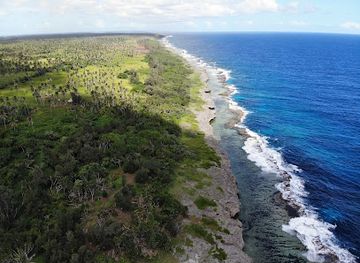
Niuatoputapu’s most recognisable landmarks are closely tied to its island geography and village life. The island’s raised coral terrain is itself a defining feature, lifting settlements and plantations above parts of the surrounding reef while producing a low, gently undulating profile rather than volcanic peaks. Coastal landing places and reef edges mark the points where the island’s communities connect with the sea, fishing and inter-island travel. Village churches provide important architectural and social reference points, reflecting the central role of Christianity in modern Tongan community life, although visitors should enter only with appropriate permission and dress. Roads, homes and public buildings rebuilt after the 2009 tsunami form a visible layer of recent history, alongside shoreline areas that carry strong local memory. Across the channel, the steep outline of Tafahi is a striking nearby maritime landmark, but Tafahi is a separate island and should not be described as part of Niuatoputapu. The most significant places here are not monumental structures; they are the relationship between villages, plantations, reef, sea routes and the island’s continuing response to natural hazards.
-
Nature preserve
Mapu'a Vaea Blowholes
Experience the awe-inspiring Mapu'a Vaea Blowholes in Tonga, where nature's power creates breathtaking geysers of seawater against a stunning coastal backdrop.
-
Tourist attraction
Anahulu Cave
Discover the mesmerizing Anahulu Cave in Tonga, where nature's beauty meets rich cultural history in an unforgettable underground adventure.
-
Historical place
Royal Palace of Tonga
Discover the Royal Palace of Tonga, a historical treasure in Nuku'alofa, showcasing the grandeur of Tongan royalty and rich cultural heritage.
-
 Indoor lodging
Waterfront Lodge
Discover the tranquility of Waterfront Lodge in Nuku'alofa, where stunning ocean views and warm Tongan hospitality await your arrival.


Explore Niuatoputapu on the map
Plan your trip on one map. See where the top cities, national parks and sights are, and book hotels and experiences in a few clicks.
Best hotels in Niuatoputapu
Best restaurants in Niuatoputapu
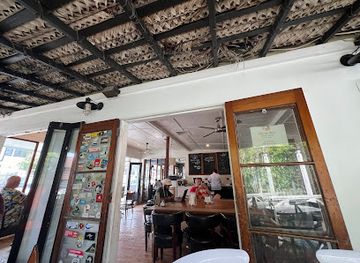
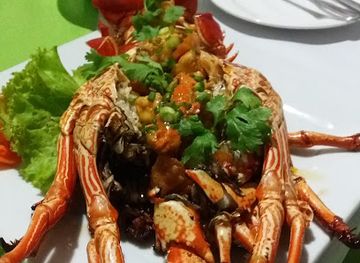
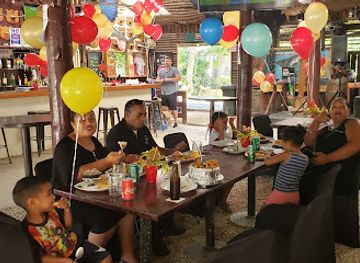
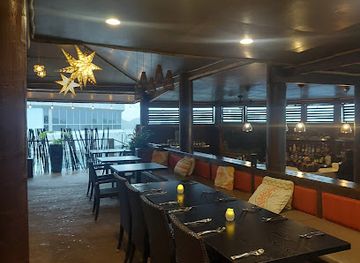
Niuatoputapu does not have a developed restaurant scene, and travellers should normally arrange meals through a guesthouse, host family or local contact. Food reflects northern Tongan household cooking, with fresh fish and other seafood complemented by taro, cassava, sweet potato, breadfruit, coconut and seasonal fruit. Meals may be prepared in simple home kitchens and shared in a communal setting, so advance notice is useful for dietary requirements. Imported staples and packaged foods are available only in limited quantities, making the island a poor place to rely on a specific menu or last-minute supplies. Visitors may encounter roast or baked foods, stews, reef fish and coconut-based preparations, although availability depends on catches, gardens and deliveries. Polite acceptance of local hospitality is valued, while clear communication about allergies is essential. Bring a modest reserve of snacks and drinking water, but avoid assuming that visitors can buy everything they need once on the island. The most meaningful dining experience here is generally a locally arranged meal rather than a commercial dining venue.
-
Cafe
Friends Cafe
Discover the flavors of Tonga at Friends Cafe in Nuku'alofa – where every meal is a celebration of local culture.
-
Restaurant
Chef Zero Restaurant
Experience authentic Tongan cuisine at Chef Zero Restaurant in Nuku'alofa – where local flavors meet exceptional dining.
-
Bar
Billfish Bar and Restaurant
Experience authentic Tongan cuisine at Billfish Bar and Restaurant in Nuku'alofa – where great food meets stunning views.
-
Restaurant
The TOP Restaurant and Lounge
Experience culinary excellence at The TOP Restaurant and Lounge in Nuku'alofa—where local flavors meet international flair.
Best bars in Niuatoputapu
Niuatoputapu has no substantial nightclub district, and evening life is centred on homes, family gatherings, churches and small, locally run social settings rather than late commercial entertainment. A guesthouse may be able to suggest an appropriate place for a quiet drink or introduce visitors to community activities, but opening arrangements and availability should never be assumed. Evenings are well suited to conversation, stargazing and listening to the sea, although lighting and mobile coverage may be limited outside the villages. Alcohol should be approached with discretion and never taken onto beaches or into churches without permission. Sunday observance is important in Tonga, and social and commercial activity may be particularly subdued. Travellers should respect residents’ privacy, keep noise low after dark and arrange transport or a safe walk back to their accommodation before settling in for the evening.
-
Hotel
Tanoa International Dateline Hotel
Discover the charm of Tonga at Tanoa International Dateline Hotel, where comfort meets local culture and stunning ocean views.
-
Cafe
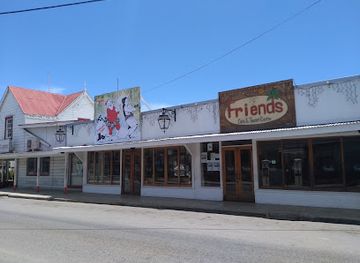
Friends Cafe
Discover the flavors of Tonga at Friends Cafe, a cozy retreat in Nuku'alofa offering delicious local cuisine and a welcoming atmosphere.
-
Restaurant
Little Italy Hotel
Discover the perfect blend of Italian cuisine and Tongan hospitality at Little Italy Hotel in Nuku'alofa.
-
Restaurant
Chef Zero Restaurant
Discover the flavors of Tonga at Chef Zero Restaurant, where traditional dishes meet contemporary dining in an inviting atmosphere.
Best nightclubs in Niuatoputapu
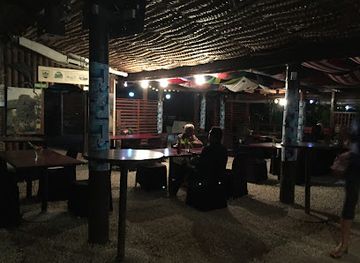
Niuatoputapu has no substantial nightclub district, and evening life is centred on homes, family gatherings, churches and small, locally run social settings rather than late commercial entertainment. A guesthouse may be able to suggest an appropriate place for a quiet drink or introduce visitors to community activities, but opening arrangements and availability should never be assumed. Evenings are well suited to conversation, stargazing and listening to the sea, although lighting and mobile coverage may be limited outside the villages. Alcohol should be approached with discretion and never taken onto beaches or into churches without permission. Sunday observance is important in Tonga, and social and commercial activity may be particularly subdued. Travellers should respect residents’ privacy, keep noise low after dark and arrange transport or a safe walk back to their accommodation before settling in for the evening.
-
Bar
Billfish Bar and Restaurant
Discover the vibrant flavors of Tonga at Billfish Bar and Restaurant, where delightful seafood meets a lively atmosphere.
-
Restaurant
The TOP Restaurant and Lounge
Experience exquisite dining at The TOP Restaurant and Lounge in Nuku'alofa, offering local flavors and stunning views for an unforgettable visit.
-
Bar
Nauti Ruby's Bar & Restaurant
Experience the vibrant culture and stunning views at Nauti Ruby's Bar & Restaurant, a must-visit spot in Nuku'alofa for food and fun.
-
Restaurant
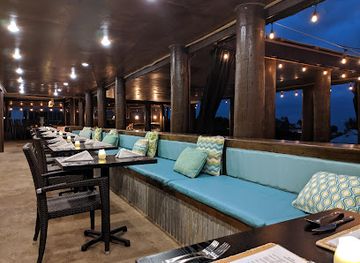
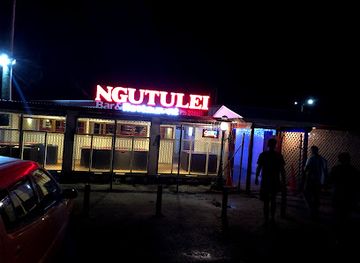
Ngutulei Bar & Restaurant
Discover the vibrant taste of Tonga at Ngutulei Bar & Restaurant, a culinary gem in Nuku'alofa showcasing authentic local cuisine.
Best shops in Niuatoputapu
Shopping on Niuatoputapu is limited to small local shops and informal community exchanges rather than a retail district. Basic provisions may be available in the villages, but stock, opening times and imported goods can be uncertain, so purchase medicines, specialist toiletries and substantial supplies before travelling north. Visitors may find locally grown produce, coconuts, fish or simple handmade items through their hosts, but availability depends on season and household production. Tonga-wide crafts such as woven mats, baskets, tapa cloth and shell or fibre work may be encountered, although not every island has a regular craft market or a dependable selection for sale. Ask permission and agree prices respectfully rather than assuming that items displayed in a home are souvenirs. Bring paʻanga in cash, as card payments are unlikely to be widely available. The most appropriate purchases are modest, locally made goods or food products obtained directly through community connections, with care taken not to buy coral, shells or other material removed from the marine environment.
-
Hotel
Tanoa International Dateline Hotel
Discover Tanoa International Dateline Hotel, a perfect blend of comfort and culture in Nuku'alofa, Tonga, ideal for an unforgettable island getaway.
-
Tourist attraction
Anahulu Cave
Explore Anahulu Cave: A Stunning Natural Wonder in Haveluliku, Tonga, with Crystal-Clear Waters and Majestic Rock Formations.
-
Marina
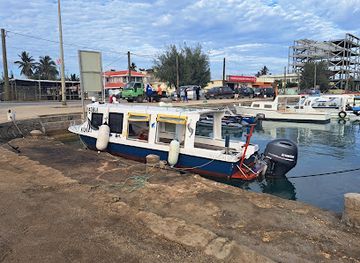
Vuna Wharf
Explore Vuna Wharf in Nuku'alofa: a vibrant marina showcasing Tongan culture, stunning coastal views, and local crafts amid a serene atmosphere.
-
Corporate office
Deep Blue Diving
Explore the underwater wonders of Tonga with Deep Blue Diving, where adventure meets unparalleled marine beauty.


Get your free copy of our complete guide to Niuatoputapu, delivered straight to you.
Everything on this page, from attractions and restaurants to essentials and local phrases, in one PDF you can read offline, print or share.
Already have an account? Sign in
Your Niuatoputapu guide is ready.
We'll send it to · Not you? Sign out

Getting your guide ready…
We are putting together a fresh copy of the Niuatoputapu guide. This can take up to a minute.
This can take a few moments. If your browser asks, choose Allow so the download can start. You'll find the guide in your Downloads folder.
Nothing happened? Download it again
Sorry, the guide is taking longer than usual. Please try again in a minute, or get it by email instead.
Niuatoputapu essentials
Currency and Payment
Safety
Emergency Situations
Do's and Don'ts
Local Tips
From Eve
Local phrases worth knowing
You don't need to get them perfect. A few words go a long way, and locals appreciate the effort.
Basics
| English | Local | Say it |
|---|---|---|
| Hello | Mālō | [Mah-loh] |
| Goodbye | Naki | [Nah-kee] |
| Yes | Āe | [Ah-eh] |
| No | Ikai | [Ee-kai] |
| Please/You're welcome | Fakamolemole | [Fah-kah-moh-leh-moh-leh] |
| Thank you | Mālō | [Mah-loh] |
| Excuse me/Sorry | Fakamolemole | [Fah-kah-moh-leh-moh-leh] |
| How are you? | Ofa lahi atu? | [Oh-fah lah-hee ah-too] |
| Fine. And you? | Faka'apa'apa. Ko e fehu'i? | [Fah-kah-ah-pah-ah. Koh eh feh-hoo-ee?] |
| Do you speak English? | Teu talanoa 'a e lea faka-Pālangi? | [Teh-oo tah-lah-noh-ah ah eh leh-ah fah-kah-Pah-lah-ngi] |
| I don't understand | Oua te u ma'u | [Oh-wah teh oo mah-oo] |
Eating & Drinking
| English | Local | Say it |
|---|---|---|
| I'd like to see the menu, please | Teu 'ilo 'a e menu, fakamolemole | [Teh-oo ee-loh ah eh meh-noo, fah-kah-moh-leh-moh-leh] |
| I don't eat meat | Oua te u kai 'a e me'akai | [Oh-wah teh oo kah-ee ah eh meh-ah-kai] |
| Cheers! | Mālō! | [Mah-loh] |
| I would like to pay, please | Teu 'alu ke foaki, fakamolemole | [Teh-oo ah-loo keh fo-ah-kee, fah-kah-moh-leh-moh-leh] |
Emergencies
| English | Local | Say it |
|---|---|---|
| Help! | Fakamālō! | [Fah-kah-mah-loh] |
| Go away! | Fai 'i he 'aho! | [Fah-ee ee he ah-ho] |
| Call the Police! | Fakamālohi 'a e polisi! | [Fah-kah-mah-loh-hee ah eh poh-lee-see] |
| Call a doctor! | Fakamālohi 'a e tōkoni! | [Fah-kah-mah-loh-hee ah eh toh-koh-nee] |
| I'm lost | Teu 'i ai 'i he funga | [Teh-oo ee eye ee he foong-ah] |
| I'm ill | Teu 'i ai 'a e ma'i | [Teh-oo ee eye ah eh mah-ee] |
Shopping
| English | Local | Say it |
|---|---|---|
| I'd like to buy... | Teu 'alu ke hoko... | [Teh-oo ah-loo keh hoh-koh] |
| I'm just looking | Teu 'i ai 'o e lalanga | [Teh-oo ee eye oh eh lah-lah-ngah] |
| How much is it? | E hā 'a e totongi? | [Eh hah ah eh toh-ton-gee] |
| That's too expensive | Ko ia 'oku nau 'a e totongi | [Koh ee-ah oh-koo now ah eh toh-ton-gee] |
| Can you lower the price? | E lava 'o e toki 'a e totongi? | [Eh lah-vah oh eh toh-kee ah eh toh-ton-gee] |
Time & Numbers
| English | Local | Say it |
|---|---|---|
| What time is it? | Ko e hā 'a e taime? | [Koh eh hah ah eh tah-ee-meh] |
| It's one o'clock | Ko e taha 'o e taime | [Koh eh tah-hah oh eh tah-ee-meh] |
| Half past (10) | Nū 'a e tolo 'o e taime | [Noo ah eh toh-loh oh eh tah-ee-meh] |
| Morning | Mālohi | [Mah-loh-hee] |
| Afternoon | Faka'ahu | [Fah-kah-ah-hoo] |
| Evening | Po'uli | [Poh-oo-lee] |
| Yesterday | Kātoanga | [Kah-toh-ahn-gah] |
| Today | Māmani | [Mah-mah-nee] |
| Tomorrow | Faka'amu | [Fah-kah-ah-moo] |
| 1 | Taha | [Tah-hah] |
| 2 | Tafa | [Tah-fah] |
| 3 | Tolu | [Toh-loo] |
| 4 | Fā | [Fah] |
| 5 | Nima | [Nee-mah] |
| 6 | Nau | [Nah-oo] |
| 7 | Fitu | [Fee-too] |
| 8 | Walu | [Wah-loo] |
| 9 | Nau | [Nah-oo] |
| 10 | Tahi | [Tah-hee] |
Transport & Directions
| English | Local | Say it |
|---|---|---|
| Where's a/the...? | Fē 'a e...? | [Feh ah eh...?] |
| What's the address? | Ko e hā 'a e adiresi? | [Koh eh hah ah eh ah-dee-reh-see] |
| Can you show me (on the map)? | E lava 'o e faka'ali 'a e mapa? | [Eh lah-vah oh eh fah-kah-ah-lee ah eh mah-pah] |
| When's the next (bus)? | Kāto e 'i he (bus) 'o e lā? | [Kah-toh eh ee he (bus) oh eh lah?] |
| A ticket (to ....) | Tōtō 'a e (....) | [Toh-toh ah eh (....)] |
History of Niuatoputapu
Lapita settlement and early voyaging
The wider Tongan archipelago was settled by Austronesian voyagers during the Lapita period, more than two and a half millennia ago. Archaeological evidence from Tonga records seafaring communities whose movement between islands depended on sophisticated knowledge of winds, currents, reefs and seasonal resources. Niuatoputapu’s position in the northern Niuas placed it within these long-distance networks linking Tonga with Samoa and other islands of western Polynesia. Although the visible archaeological record is less extensive than the remains of major chiefly centres elsewhere in Tonga, the island belongs to a much older history of ocean navigation and settlement.
The northern Tongan island communities
Before European exploration, Niuatoputapu developed as a Polynesian island society connected to Tonga through kinship, tribute, marriage and voyaging. Its distance from Tongatapu encouraged strong local identities while retaining links with the Tongan chiefly order. Land, gardens, fishing grounds and reef access were managed through customary relationships, and villages were shaped by extended families and communal obligations. These patterns continue to influence daily life, even though modern administration, Christianity, migration and imported goods have transformed the island’s economy and settlement.
European contact in the northern Niuas
European navigators reached the northern Tongan islands during the era of Pacific exploration, when ships were charting routes between the Pacific islands and Asia. Contact introduced new names, maps, trade relationships and, eventually, imported diseases and religious influences. European accounts often described island societies through an outsider’s perspective, but Niuatoputapu was already part of an established regional world of exchange. Its location between Tonga and Samoa made it significant to local voyaging as well as to later maritime visitors.
Christianity and the transformation of community life
Christian missions gained influence in Tonga during the nineteenth century, and conversion reshaped political authority, education, settlement patterns and the weekly rhythm of community life. Churches became prominent social institutions, while Sunday observance and Christian forms of worship were incorporated into existing Tongan values of family responsibility and communal participation. On Niuatoputapu, as elsewhere in Tonga, the result was not simply the replacement of older society but an adaptation of new religious structures within local relationships and chiefly traditions.
Niuatoputapu within the modern Kingdom of Tonga
Tonga’s modern constitutional kingdom developed during the nineteenth century, bringing the northern islands more firmly into a central administrative framework while preserving the importance of traditional rank and land tenure. Niuatoputapu remained a remote outlying community, connected to the rest of the country by sea, occasional air services, church networks, government administration and family migration. Limited infrastructure and distance have helped preserve a rural character, although remittances, telecommunications, imported foods and overseas employment are now part of island life.
The 2009 tsunami and reconstruction
On 29 September 2009, an earthquake near Samoa generated a tsunami that struck parts of the northern Tongan islands. Niuatoputapu suffered severe damage and loss of life, with homes, public buildings, roads and coastal facilities affected. Reconstruction brought new buildings and renewed attention to evacuation planning, shoreline exposure and disaster preparedness. The event remains central to the island’s recent history and explains why visitors should take the local emergency system seriously, respect hazard signage and follow instructions from community leaders and officials.
Niuatoputapu in Photos
Browse through our photo collection highlighting the charm and character of the destination.
Neighbouring regions of Niuatoputapu
The closest regions to Niuatoputapu, if you have time for more than one.
-

-

-

-

-


Swipe for more regions
Explore more

Explore more of Tonga
Discover Tonga, the Friendly Islands of the South Pacific, where pristine beaches, vibrant coral reefs, and rich cultural heritage await your exploration.
Explore Tonga