

Buccoo Reef, Trinidad and Tobago Travel Guide
Discover Buccoo Reef in Tobago: Dive into a world of vibrant corals, exotic fish, and the rejuvenating waters of the famous Nylon Pool.
Buccoo Reef, located off the southwestern coast of Tobago, is a vibrant underwater paradise that attracts visitors from all over the world. Known for its crystal-clear waters and diverse marine life, Buccoo Reef offers an unforgettable snorkeling and diving experience. The reef is part of a protected marine park, ensuring that its natural beauty remains preserved for future generations. One of the main attractions of Buccoo Reef is the famous Nylon Pool, a shallow area of turquoise water that is said to have rejuvenating properties. Legend has it that swimming in the Nylon Pool can make you look ten years younger! The pool is formed by a natural sandbar and offers a unique spot for visitors to relax and take in the stunning surroundings. Aside from the underwater adventures, Buccoo Reef is also home to a variety of bird species and lush mangroves. Visitors can enjoy guided tours on glass-bottom boats, providing an opportunity to see the colorful coral formations and exotic fish without getting wet. For those interested in marine conservation, there are educational programs and initiatives aimed at protecting this precious ecosystem.

Know before you go
Hi, I'm Eve. Here are a few practical things to know before exploring Buccoo Reef.
- Visit during the dry season (January to May) for the clearest waters and best visibility.
- Book a glass-bottom boat tour to see the reef if you prefer not to snorkel or dive.
- Wear reef-safe sunscreen to protect the delicate marine environment.
- Bring an underwater camera to capture the stunning marine life.
- Check out the local seafood restaurants in Buccoo Village for a taste of Tobago's cuisine.
Explore Buccoo Reef: Things to Do, Places to Eat, Hotels & More
Handpicked recommendations for top attractions, local dining, accommodations, and more

Best attractions in Buccoo Reef
Top-rated picks
Best Attractions

Fort Milford
Explore the rich history and breathtaking views at Fort Milford in Crown Point, a must-visit tourist attraction in Tobago.

Swallows Beach
Discover the tranquil beauty of Swallows Beach in Crown Point, Trinidad, where adventure and relaxation meet in a stunning Caribbean setting.

Tobago Main Ridge Forest Reserve
Explore the breathtaking Tobago Main Ridge Forest Reserve, where nature thrives and adventure awaits in lush tropical surroundings.

Boardwalk, Tobago Plantations
Explore the breathtaking views and serene beauty of the Boardwalk at Tobago Plantations, a must-visit attraction in Lowlands, Tobago.

Best landmarks in Buccoo Reef
Top-rated picks
Best Landmarks

Store Bay Beach
Discover the beauty of Store Bay Beach in Tobago, where clear waters meet soft sands, perfect for relaxation and adventure alike.
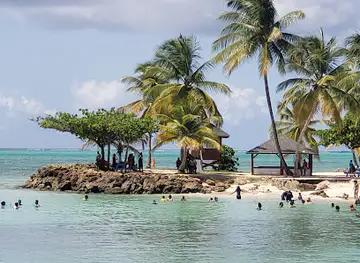
Xanda Tours & Rentals
Experience Tobago like never before with Xanda Tours & Rentals, your ultimate guide to adventure at Pigeon Point Beach.

Fort King George
Discover the historical gem of Fort King George in Tobago, offering breathtaking views and rich colonial heritage in a serene natural setting.

Tobago Plantations
Experience the beauty and relaxation of Tobago Plantations, where golf meets tropical paradise in the heart of the Caribbean.

Best restaurants in Buccoo Reef
Top-rated picks
Best Restaurants

Skewers
Discover authentic Middle Eastern fast food at Skewers in Tobago – where flavor meets convenience!

La Tartaruga
Experience authentic Italian cuisine at La Tartaruga in Buccoo, Tobago – where every dish is crafted with passion and paired perfectly with fine wines.

The Pasta Gallery Tobago
Discover authentic Italian cuisine at The Pasta Gallery Tobago, where fresh ingredients meet Caribbean hospitality for an unforgettable dining experience.

Il Portico
Discover authentic Italian flavors at Il Portico in Crown Point, Tobago – renowned for delicious pizzas and a welcoming atmosphere.

Best bars in Buccoo Reef
Top-rated picks
Best Bars

Jade Monkey Casino Bar and Grill
Discover the perfect blend of grill dining and casino fun at Jade Monkey Casino Bar and Grill in Crown Point, where every visit is an adventure.

Chill Out Bar
Discover the laid-back charm of Chill Out Bar in Crown Point, where great drinks, live music, and a friendly atmosphere await.

Bar Hop In
Experience the vibrant taste of Tobago at Bar Hop In, where delicious food and lively entertainment meet in a warm, welcoming environment.

Big Dawg Sports Bar & Lounge
Experience the ultimate sports bar and lounge in Bon Accord, where great food, drinks, and live sports come together for an unforgettable night.

Best nightclubs in Buccoo Reef
Top-rated picks
Best Nightclubs

Jade Monkey Casino Bar and Grill
Discover the excitement of Jade Monkey Casino Bar and Grill, where delicious grill cuisine meets thrilling entertainment in the heart of Crown Point.

Chill Out Bar
Experience the vibrant nightlife at Chill Out Bar, where delicious cocktails and a lively atmosphere meet in the heart of Tobago.

The Bar Boss Cocktail Lounge
Experience the vibrant nightlife of Buccoo at The Bar Boss Cocktail Lounge, where crafted cocktails meet a lively atmosphere for unforgettable evenings.

soriascocktails
Experience the vibrant nightlife of Buccoo at Sorias Cocktails, where expertly crafted drinks meet a lively atmosphere in beautiful Tobago.

Best shops in Buccoo Reef
Top-rated picks
Best Shops

The City of Grand Bazaar
Discover the vibrant shopping and culinary paradise of the City of Grand Bazaar in San Juan, Trinidad and Tobago.

Viewport Supermarket Canaan
Experience the local flavor and convenience at Viewport Supermarket Canaan, your go-to destination for groceries and local delicacies in Tobago.

Caribbean Cornerstores Supermarket
Experience the essence of Caribbean living at Caribbean Cornerstores Supermarket in Buccoo, your go-to spot for local snacks and essentials.

Buccoo boardwalk
Discover the picturesque Buccoo Boardwalk, where stunning views, local culture, and vibrant shops create an unforgettable Tobago experience.

Explore Buccoo Reef on the Map
A handpicked selection of must-see spots in Buccoo Reef, mapped for you.
Buccoo Reef Essentials
-
Buccoo Reef is located off the coast of Tobago, the smaller of the two main islands of Trinidad and Tobago. The nearest airport is A.N.R. Robinson International Airport in Crown Point, Tobago. From the airport, you can take a taxi or a rented car to Buccoo Village, which is approximately a 20-minute drive. Alternatively, you can take a ferry from Port of Spain, Trinidad to Scarborough, Tobago, and then drive or take a taxi to Buccoo Village.
-
Transportation options in Buccoo Village are relatively straightforward. Taxis are readily available and are a convenient way to get around. Renting a car can also be a good option if you plan to explore more of Tobago. Public transportation is available but can be less reliable, with buses and shared taxis (known locally as 'maxi-taxis') operating between major towns. Bicycles can also be rented for a more leisurely exploration of the area.
-
The official currency is the Trinidad and Tobago Dollar (TTD). Credit cards are widely accepted in hotels, restaurants, and larger shops, but it is advisable to carry some cash, especially for smaller establishments and local markets. ATMs are available in Buccoo Village and other major towns, but it is wise to withdraw sufficient cash before visiting remote areas.
-
Buccoo Reef and its surrounding areas are generally safe for tourists. However, standard safety precautions should be taken. Avoid walking alone at night, especially in poorly lit areas. Petty theft can occur, so keep your belongings secure and be vigilant in crowded places. High-crime areas targeting tourists are not common in Buccoo, but it is always best to stay aware of your surroundings.
-
In case of an emergency, dial 999 for police assistance or 990 for an ambulance. The nearest medical facilities are in Scarborough, which is approximately a 30-minute drive from Buccoo Village. It is highly recommended to have travel insurance that covers medical emergencies. For minor health issues, pharmacies are available in the village where you can purchase over-the-counter medications.
-
Fashion: Do dress comfortably and casually, but avoid overly revealing clothing, especially when visiting religious sites or more traditional areas. Religion: Do respect local customs and traditions. When visiting religious sites, dress modestly and remove your shoes if required. Public Transport: Do be polite and greet the driver when boarding. Don’t eat or drink on public transport. Greetings: Do greet people with a friendly 'Good day' or 'Good evening.' A handshake is also common. Eating & Drinking: Do try local dishes and accept food offerings graciously. Don’t refuse hospitality as it is considered impolite.
-
To experience Buccoo Reef like a local, consider visiting the Buccoo Sunday School, a weekly street party featuring live music, dancing, and local cuisine. Engage with locals, as they are often friendly and willing to share insights about the area. Don’t miss a glass-bottom boat tour to fully appreciate the beauty of the reef. Additionally, visiting local markets can offer a unique glimpse into daily life and allow you to purchase fresh produce and handmade crafts.
When is the best time to visit Buccoo Reef?
Useful Local Phrases for Buccoo Reef
You don't need to speak the language perfectly. Even learning a few simple words can make conversations warmer—and locals usually appreciate the effort.
— Eve

Here are the phrases I use most often in Buccoo Reef. Try a few—you'll be surprised how far they go! 😊
❤️
-
- HelloWaz de scene
[wahz dee seen] - GoodbyeLaterz
[lay-ters] - YesYes
[yes] - NoNah
[nah] - Please/You're welcomePlease/No problem
[pleez/no prob-lem] - Thank youTank yuh
[tank yuh] - Excuse me/SorryExcuse me/Sorry
[ek-skyoos me/sor-ree] - How are you?How yuh doin?
[how yuh doh-in] - Fine. And you?Ah cool. An yuh?
[ah kool. an yuh] - Do you speak English?Yuh speak English?
[yuh speak in-glish] - I don't understandI eh get yuh
[I eh get yuh]
- HelloWaz de scene
-
- I'd like to see the menu, pleaseLemme see de menu, please
[lem-mee see dee men-yoo, please] - I don't eat meatI eh eat meat
[I eh eat meat] - Cheers!Cheers!
[cheers] - I would like to pay, pleaseAh would like tuh pay, please
[ah would like tuh pay, please]
- I'd like to see the menu, pleaseLemme see de menu, please
-
- Help!Help!
[help] - Go away!Go wey!
[go way] - Call the Police!Call de Police!
[call dee police] - Call a doctor!Call ah doctor!
[call ah doc-tor] - I'm lostAh lost
[ah lost] - I'm illAh feelin sick
[ah feel-in sik]
- Help!Help!
-
- I'd like to buy...Ah wanna buy...
[ah wan-na buy] - I'm just lookingI just lookin
[I just look-in] - How much is it?How much dis is?
[how much dis is] - That's too expensiveDat too much
[dat too much] - Can you lower the price?Yuh could bring down de price?
[yuh could bring down dee price]
- I'd like to buy...Ah wanna buy...
-
- What time is it?What time it is?
[what time it is] - It's one o'clockIt one o'clock
[it one o'clock] - Half past (10)Half ten
[half ten] - MorningMornin
[morn-in] - AfternoonAfternoon
[after-noon] - EveningEvenin
[even-in] - YesterdayYestuhday
[yes-tur-day] - TodayToday
[to-day] - TomorrowTomorruh
[tom-or-ruh] - 1One
[wun] - 2Two
[too] - 3Three
[tree] - 4Four
[faw] - 5Five
[fiv] - 6Six
[siks] - 7Seven
[sev-in] - 8Eight
[ayt] - 9Nine
[nyn] - 10Ten
[ten]
- What time is it?What time it is?
-
- Where's a/the...?Whey de...deh?
[way dee...deh] - What's the address?Wey de address deh?
[way dee address deh] - Can you show me (on the map)?Yuh could show me (on de map)?
[yuh could show me (on dee map)] - When's the next (bus)?Wen de nex (bus) deh?
[wen dee nex (bus) deh] - A ticket (to ....)Ah ticket (to ....)
[ah ticket (to)]
- Where's a/the...?Whey de...deh?
History of Buccoo Reef
-
Buccoo Reef, located on the southwestern coast of Tobago, is a coral reef system that formed over thousands of years. It is one of the most significant reef systems in the Caribbean, known for its biodiversity and unique geological formations. The reef's development can be traced back to the Holocene epoch, around 10,000 years ago, when rising sea levels allowed coral polyps to colonize the area, creating a diverse marine habitat.
-
Before European colonization, the area around Buccoo Reef was inhabited by the indigenous Kalinago people, also known as the Caribs. They were skilled fishermen and navigators who relied on the reef's abundant marine life for sustenance. The Kalinago utilized traditional fishing techniques and had a deep spiritual connection with the sea, which played a significant role in their culture and daily life.
-
The arrival of European colonizers in the 15th and 16th centuries marked a significant shift in the region's history. Spanish, Dutch, French, and British forces vied for control of Tobago, with each colonial power impacting the local environment and indigenous population. By the 18th century, the British had established control, and the island became part of the British Empire. During this period, the reef was noted by explorers and cartographers, who marveled at its beauty and biodiversity.
-
In the mid-20th century, awareness of the ecological importance of Buccoo Reef began to grow. In 1973, the reef was officially designated as a marine protected area by the Trinidad and Tobago government. This move aimed to preserve the reef's delicate ecosystems, protect its marine life from overfishing, and prevent damage from tourism activities. The establishment of the Buccoo Reef Marine Park marked a significant step in the conservation of this natural wonder.
-
Buccoo Reef has long been a major attraction for both local and international tourists. The reef's stunning underwater scenery, including vibrant coral formations and diverse marine species, draws snorkelers, scuba divers, and glass-bottom boat tours. The nearby village of Buccoo has adapted to this influx of visitors, with local businesses offering tours, accommodations, and cultural events. The annual Buccoo Goat Race Festival, a unique local tradition, has also become a popular draw for tourists, blending cultural heritage with modern entertainment.
-
Over the past few decades, Buccoo Reef has been the focus of numerous scientific studies and educational programs. Marine biologists and environmental scientists conduct research on the reef's health, biodiversity, and the impacts of climate change. Educational initiatives, such as guided tours and school programs, aim to raise awareness about the importance of coral reefs and the need for sustainable practices to protect these vital ecosystems. These efforts contribute to the ongoing preservation of Buccoo Reef and its role as a natural laboratory for marine science.
Neighbouring destination travel guides
Browse our curated selection of top destinations, scenic points, and must-visit spots in the area.
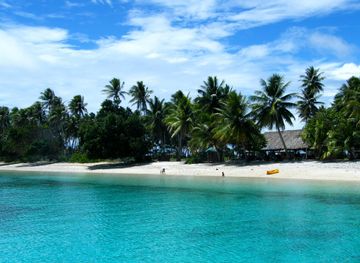


Your all‑in‑one travel companion app
Explore expert travel guides, compare and book tours, experiences, hotels, and more—all from the palm of your hand. Download now for seamless trip planning wherever your wanderlust takes you.


Explore More of St. Patrick

Looking beyond Buccoo Reef? Discover St. Patrick for broader travel guides, local hot-spots, and regional highlights.
Explore St. PatrickExplore More of Trinidad and Tobago
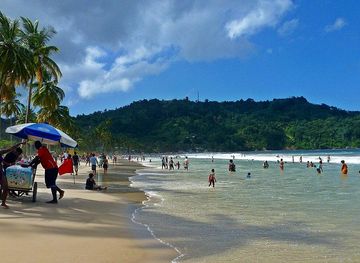
Looking beyond Buccoo Reef? Discover Trinidad and Tobago for broader travel guides, local hot-spots, and regional highlights.
Explore Trinidad and TobagoBuccoo Reef in Photos
Browse through our photo collection highlighting the charm and character of the destination.


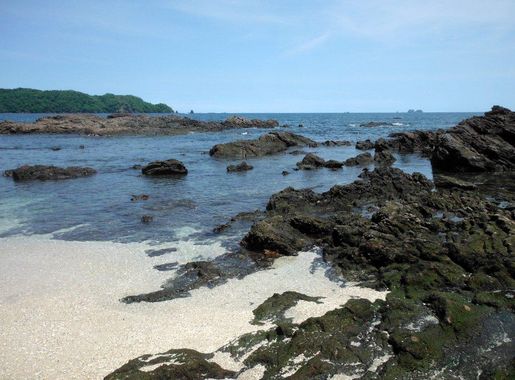


Buccoo Reef: The Jewel of Tobago's Marine Wonderland
Buccoo Reef, located off the southwestern coast of Tobago, is a vibrant underwater paradise that attracts visitors from all over the world. Known for its crystal-clear waters and diverse marine life, Buccoo Reef offers an unforgettable snorkeling and diving experience. The reef is part of a protected marine park, ensuring that its natural beauty remains preserved for future generations. One of the main attractions of Buccoo Reef is the famous Nylon Pool, a shallow area of turquoise water that is said to have rejuvenating properties. Legend has it that swimming in the Nylon Pool can make you look ten years younger! The pool is formed by a natural sandbar and offers a unique spot for visitors to relax and take in the stunning surroundings. Aside from the underwater adventures, Buccoo Reef is also home to a variety of bird species and lush mangroves. Visitors can enjoy guided tours on glass-bottom boats, providing an opportunity to see the colorful coral formations and exotic fish without getting wet. For those interested in marine conservation, there are educational programs and initiatives aimed at protecting this precious ecosystem.