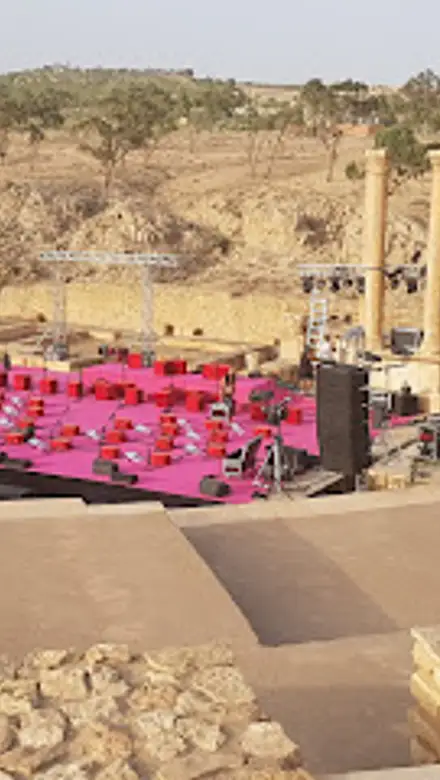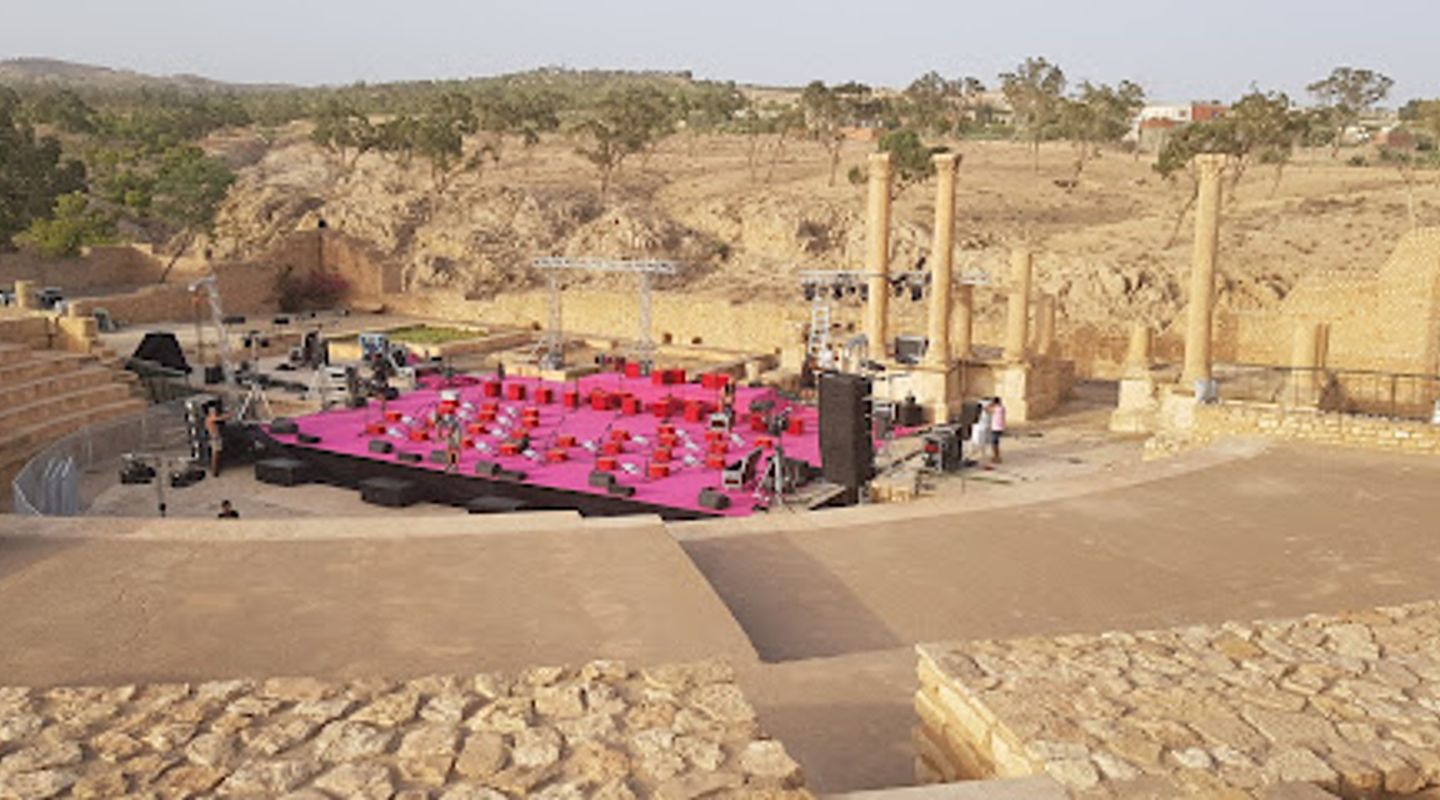
Sbeitla, The Sahara Travel Guide
Explore the ancient Roman ruins of Sbeitla, a captivating archaeological site in Tunisia featuring stunning temples and rich historical significance.
Sbeitla, an archaeological gem in Tunisia, offers tourists a captivating glimpse into Roman history through its well-preserved ruins, stunning temples, and rich cultural significance. A must-visit for history enthusiasts!
A brief summary to Sbeitla
- 64R9+J6Q, Subaytilah, TN
- Monday 8 am-7 pm
- Tuesday 8 am-7 pm
- Wednesday 8 am-7 pm
- Thursday 8 am-7 pm
- Friday 8 am-7 pm
- Saturday 8 am-7 pm
- Sunday 8 am-7 pm

Know before you go
Hi, I'm Eve. Here are a few practical things to know before exploring Sbeitla.
- Visit early in the morning to avoid crowds and enjoy cooler temperatures.
- Take a guided tour for deeper insights into the history and significance of the ruins.
- Bring plenty of water and sun protection, as the site can get very hot during the day.
- Don't forget your camera—the architecture and landscapes are incredibly photogenic.
Do you manage this location?
Take control to get all the benefits, like improved information, better appearance, and stronger visibility across AI-powered discovery. Learn more about listing your business on Evendo
Activate your presenceOther nearby places you may find interesting
The closest places of the same kind, if this one is not quite what you had in mind.

Explore Sbeitla on the Map
A handpicked selection of must-see spots near Sbeitla, mapped for you.
Getting There
-
Car
If you are traveling by car, start from the nearest major city, like Kasserine. Take the N15 road south towards Sbeitla. The drive is approximately 30 km and takes about 30-40 minutes. Once you reach the outskirts of Sbeitla, follow the signs to the archaeological site, which is located in the center of the town. Parking is available near the site.
-
Public Transportation
To reach Sbeitla by public transportation, you can catch a bus from Kasserine. Buses depart frequently from the main bus station in Kasserine. Look for buses going to Sbeitla or Subaytilah. The journey takes around 45 minutes. Once you arrive in Sbeitla, the archaeological site is a short walk from the bus stop. Just head towards the town center, and you will see the signs leading to the site.
-
Taxi
If you prefer a more direct route, consider hiring a taxi from Kasserine to Sbeitla. The taxi ride will take approximately 30 minutes and typically costs around 30-40 Tunisian Dinars. Ensure to agree on the fare before starting your journey. The taxi will drop you off near the archaeological site.
Discover more about Sbeitla













Your all‑in‑one travel companion app
Explore expert travel guides, compare and book tours, experiences, hotels, and more—all from the palm of your hand. Download now for seamless trip planning wherever your wanderlust takes you.


Explore More of The Sahara
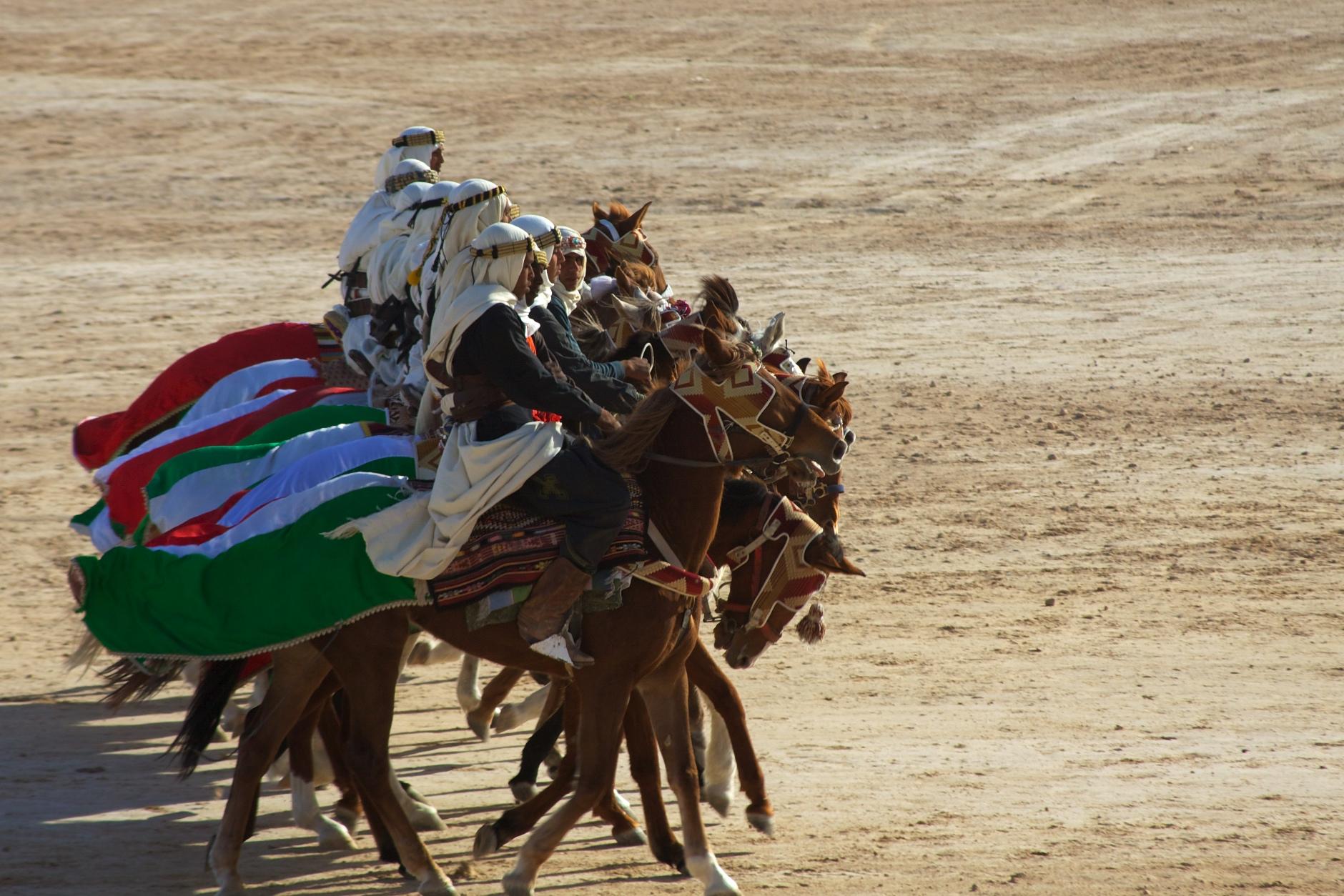
Looking beyond Sbeitla? Discover The Sahara for broader travel guides, local hot-spots, and regional highlights.
Explore The Sahara
Discover the captivating world of Islamic art at the National Museum of Islamic Art of Raqqada, a cultural gem in the heart of Kairouan.

Explore the serene beauty of Kamel Gharsalli in Thelepte, Tunisia, a tranquil garden oasis filled with vibrant flora and local charm.