

Free The Sahara Travel Guide & Mobile App
Explore The Sahara with free travel guides. Discover regional history, expert tips, proposed trips, and audio guides on web or mobile app.


Explore the Tunisian Sahara through palm oases, salt lakes, ksour, desert villages and the shifting dunes of the Grand Erg Oriental.
Read more about The Sahara
When is the best time to visit The Sahara?
Best: March–April, November · 23–27°C| Month | High (°C) | Rainfall (mm) |
|---|---|---|
| January | 17 | 3 |
| February | 19 | 2 |
| March (best) | 23 | 3 |
| April (best) | 27 | 2 |
| May | 34 | 1 |
| June | 39 | 1 |
| July | 42 | 0 |
| August | 42 | 0 |
| September | 36 | 1 |
| October | 30 | 2 |
| November (best) | 23 | 2 |
| December | 17 | 3 |
Getting to and around The Sahara
How to get there
Transportation
Top city travel guides in The Sahara
The cities of The Sahara, and the easiest places to base yourself.
-

-

-

-

-


Swipe for more cities
Destinations in The Sahara
Resorts, valleys and scenic spots worth a trip of their own.
-
-

-

-

-

-


Swipe for more destinations
Best attractions in The Sahara
The Tunisian Sahara offers a varied group of attractions spread across a large, sparsely populated area. In the west, Tozeur and Nefta provide access to palm oases, traditional quarters, desert-edge scenery and the vast Chott el Djerid, whose salt crust changes colour and texture with weather and light. Douz is a base for excursions into the dunes of the Grand Erg Oriental, with guided camel journeys, four-wheel-drive outings and desert camps available through local operators. South-eastern Tunisia shifts from sand to dry hills and historic settlements: Matmata is known for underground courtyard dwellings, while the Tataouine area contains ksour and mountain villages such as Chenini and Douiret. The region also includes Roman-era remains, small local museums, date-growing oases, rocky plateaux and seasonal watercourses. Activities are strongly influenced by climate and distance; early starts, guided transport and careful preparation are more useful than trying to cover every site in a single day.
-
Amusement park
Spring Land/ Adem Park
Experience endless fun and family joy at Spring Land, the premier amusement park in Monastir, Tunisia, featuring thrilling rides and delightful dining options.
-
Archaeological site
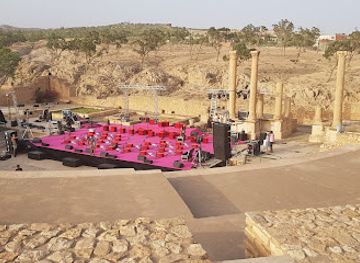
Sbeitla
Explore the ancient Roman ruins of Sbeitla, a captivating archaeological site in Tunisia featuring stunning temples and rich historical significance.
-
Tourist attraction
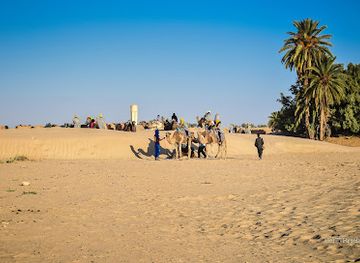
La Porta del Sahara
Discover the breathtaking beauty of La Porta del Sahara, the enchanting gateway to the iconic Sahara Desert in Douz, Tunisia.
-
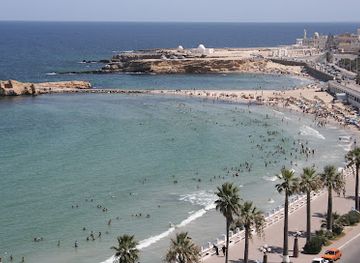
Beach
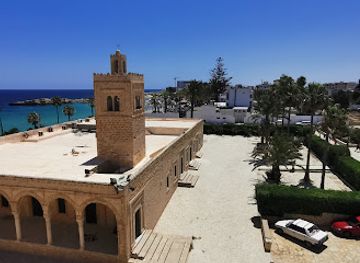
Qaraiya Beach
Experience the tranquil beauty of Qaraiya Beach in Monastir, where golden sands meet azure waters for the ultimate relaxation.
Best landmarks in The Sahara
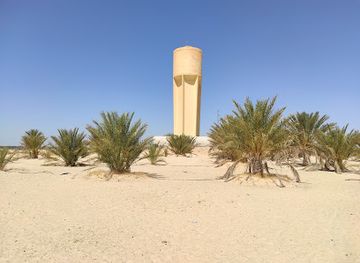
The Chott el Djerid is one of the Tunisian Sahara’s defining natural landmarks, a broad salt depression that separates the western oasis country from the more sandy landscapes farther east. The palm oases of Tozeur and Nefta are equally significant, demonstrating how underground water supports dense agriculture in an arid environment. Around Tataouine, Ksar Ouled Soltane is recognised for its tall, closely arranged ghorfas, while the hill settlements of Chenini and Douiret show how stone buildings were adapted to steep, dry terrain. Matmata’s excavated courtyard houses are another distinctive architectural landmark, with rooms built below ground to moderate extreme temperatures. Near Douz, the dunes of the Grand Erg Oriental provide the region’s most recognisable sandy scenery, although the erg extends beyond Tunisia and its scale should not be underestimated. These places represent different relationships with the desert: salt, water, storage, shelter and movement.
-
Tourist attraction
La Porta del Sahara
Explore the stunning landscapes and rich culture at La Porta del Sahara, the gateway to Tunisia's magnificent Sahara Desert.
Explore The Sahara on the map
Plan your trip on one map. See where the top cities, national parks and sights are, and book hotels and experiences in a few clicks.
Best hotels in The Sahara
Best restaurants in The Sahara
Dining in the Tunisian Sahara reflects oasis agriculture, pastoral traditions and the wider culinary culture of Tunisia. Dates are central to the southern economy and appear as a snack, dessert ingredient and market product, while oasis towns also produce vegetables, fruit and sometimes high-quality date varieties for regional trade. Menus commonly include couscous, brik, soups, grilled meats, fish brought from elsewhere in the country and dishes flavoured with harissa, olive oil and aromatic spices. In Tozeur, Nefta, Douz, Matmata and Tataouine, visitors will find hotel restaurants, family-run cafés, simple eateries and rural establishments serving dependable Tunisian staples rather than a separate desert cuisine. Bread, tea and coffee are important parts of everyday hospitality, and some desert camps offer meals cooked in traditional or adapted outdoor styles. Markets are useful for dates, nuts, bread and seasonal produce, but visitors should confirm food arrangements in advance when travelling to remote camps or villages.
-
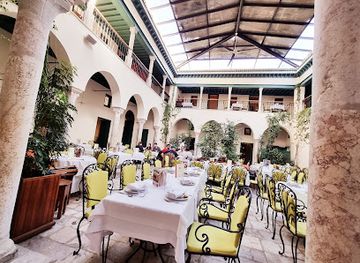
Restaurant
Fondouk El Attarine
Experience authentic Tunisian cuisine in the heart of La Medina at Fondouk El Attarine, where tradition meets flavor.
-
Restaurant
Salon de Thé Restaurant Biwa
Experience authentic Tunisian cuisine at Salon de Thé Restaurant Biwa - where every meal tells a story.
-
Turkish
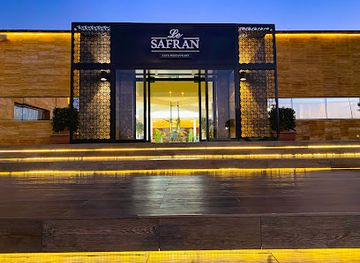
Le Safran
Experience the rich flavors of Turkey at Le Safran, Tunis's premier destination for authentic Turkish cuisine.
-
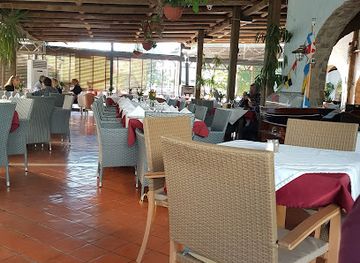
Restaurant
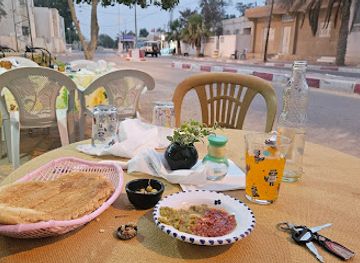
Restaurant La Porte De Sahara
Discover authentic Tunisian flavors at Restaurant La Porte De Sahara in Douz – a culinary delight amidst the stunning Sahara landscape.
Best bars in The Sahara
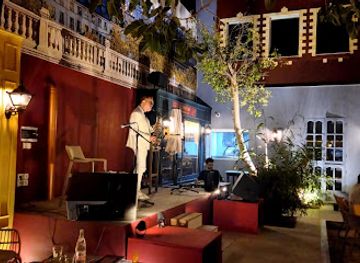
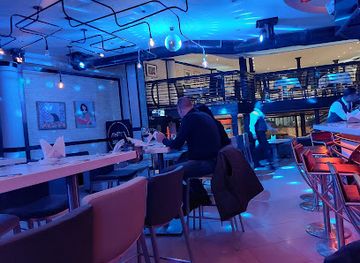
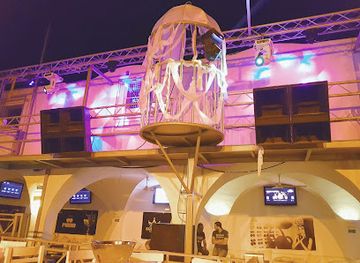
Nightlife in the Tunisian Sahara is generally quiet and social rather than club-focused. Tozeur, Nefta and Douz have cafés, hotel lounges and restaurants where evenings centre on tea, coffee, conversation and occasional live entertainment. Some larger hotels may serve alcohol, but availability is more limited than in Tunisia’s major coastal resorts and should not be assumed in small towns or desert camps. In Matmata and the Tataouine area, evening activity usually consists of dining, sitting in a village café or joining an organised camp gathering, sometimes accompanied by local music. Desert camps may offer stargazing and cultural performances, although programmes vary and should not be treated as an automatic feature. Respect local customs, avoid loud behaviour near homes and remember that Ramadan and other religious observances can affect service patterns across the region.
-
Bar
Le Carpe Diem - Tunis
Discover Le Carpe Diem in Tunis: a lively cocktail bar with tapas, live music, and an unforgettable atmosphere perfect for any night out.
-
Restaurant
Restaurant La Porte De Sahara
Discover the flavors of Tunisia at Restaurant La Porte De Sahara in Douz, a must-visit culinary destination for every traveler.
-
Gastropub
The Factory La soukra
Discover the vibrant fusion of contemporary and local cuisine at The Factory La Soukra, a must-visit gastropub for food lovers.
-
Restaurant
Le Comptoir De Tunis
Savor the authentic flavors of Tunisia at Le Comptoir De Tunis, the perfect spot for an unforgettable culinary journey.
Best nightclubs in The Sahara
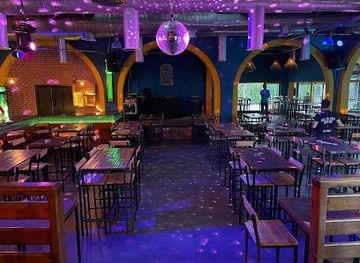
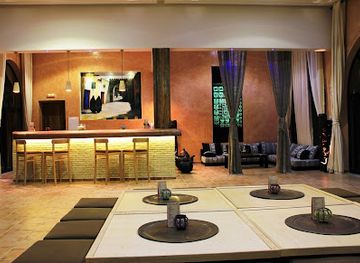
Nightlife in the Tunisian Sahara is generally quiet and social rather than club-focused. Tozeur, Nefta and Douz have cafés, hotel lounges and restaurants where evenings centre on tea, coffee, conversation and occasional live entertainment. Some larger hotels may serve alcohol, but availability is more limited than in Tunisia’s major coastal resorts and should not be assumed in small towns or desert camps. In Matmata and the Tataouine area, evening activity usually consists of dining, sitting in a village café or joining an organised camp gathering, sometimes accompanied by local music. Desert camps may offer stargazing and cultural performances, although programmes vary and should not be treated as an automatic feature. Respect local customs, avoid loud behaviour near homes and remember that Ramadan and other religious observances can affect service patterns across the region.
-
Bar
Le Carpe Diem - Tunis
Experience the vibrant nightlife at Le Carpe Diem in Tunis, where cocktails, tapas, and live music create an unforgettable atmosphere.
-
Lounge
Sahara Lounge
Discover the tranquil charm of Sahara Lounge in Tozeur, where traditional Tunisian tea meets a lush, serene environment.
-
Lounge
Lotus Club
Discover the vibrant nightlife at Lotus Club in Sousse, where music, cocktails, and a lively atmosphere come together for an unforgettable experience.
-
Disco club
El Pacha Club
Explore the vibrant nightlife of El Pacha Club in Hammamet Sud, where lively music, delicious cuisine, and unforgettable memories await.

Best shops in The Sahara
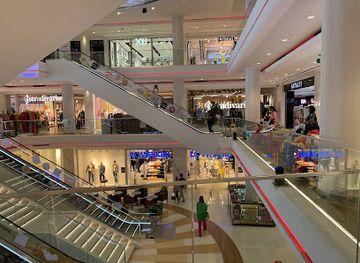
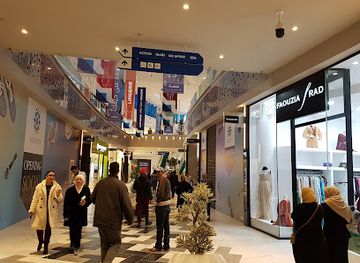
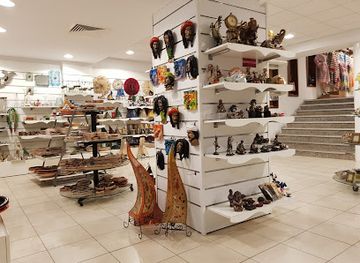
Shopping in the Tunisian Sahara is closely linked to oasis agriculture and southern craft traditions. Tozeur, Nefta and Douz are useful places for dates, dried fruit, nuts, olive products, spices and packaged foods, with quality and origin varying between sellers. Markets and small shops may also offer woven textiles, baskets, leather goods, pottery and desert-style jewellery, while the Tataouine area is associated with crafts and products reflecting Amazigh and ksour heritage. Look for clear information about materials and manufacture, particularly when buying rugs, antique-looking objects or archaeological-style souvenirs; removing antiquities from sites is illegal and damaging. Rural towns tend to have practical local shopping rather than extensive retail districts, whereas Tozeur offers the broadest choice of visitor-oriented shops in the western desert. Courteous bargaining can be appropriate in some markets, but fixed prices are common in many established stores.
-
Shopping mall
Mall of Sousse
Explore the Mall of Sousse, Tunisia's premier shopping destination, where modern retail meets delightful dining and entertainment options.
-
Shopping mall
Tunisia Mall
Explore Tunisia Mall in Tunis: A vibrant shopping destination with a mix of local culture, international brands, and delicious dining options.
-
Shopping mall
AZUR CITY
Experience the vibrant shopping and dining scene at AZUR CITY, a premier mall in Ben Arous, Tunisia, perfect for tourists and locals alike.
-
Shopping mall
Soula Shopping Center
Experience the vibrant shopping scene at Soula Shopping Center in Sousse, where local charm meets international flair in a lively atmosphere.

Get your free copy of our complete guide to The Sahara, delivered straight to you.
Everything on this page, from attractions and restaurants to essentials and local phrases, in one PDF you can read offline, print or share.
Already have an account? Sign in
Your The Sahara guide is ready.
We'll send it to · Not you? Sign out

Getting your guide ready…
We are putting together a fresh copy of the The Sahara guide. This can take up to a minute.
This can take a few moments. If your browser asks, choose Allow so the download can start. You'll find the guide in your Downloads folder.
Nothing happened? Download it again
Sorry, the guide is taking longer than usual. Please try again in a minute, or get it by email instead.
The Sahara essentials
Currency and Payment
Safety
Emergency Situations
Do's and Don'ts
Local Tips
From Eve
Local phrases worth knowing
You don't need to get them perfect. A few words go a long way, and locals appreciate the effort.
Basics
| English | Local | Say it |
|---|---|---|
| Hello | مرحبا | [Marhba] |
| Goodbye | وداعا | [Wad'aan] |
| Yes | نعم | [Na'am] |
| No | لا | [La] |
| Please/You're welcome | من فضلك | [Min fadlik] |
| Thank you | شكرا | [Shukran] |
| Excuse me/Sorry | عفوا | [Afwan] |
| How are you? | كيف حالك؟ | [Kayfa halak?] |
| Fine. And you? | بخير. وأنت؟ | [Bikhayr. Wa anta?] |
| Do you speak English? | هل تتحدث الإنجليزية؟ | [Hal tatahadath al-ingliziya?] |
| I don't understand | لا أفهم | [La afham] |
Eating & Drinking
| English | Local | Say it |
|---|---|---|
| I'd like to see the menu, please | أود رؤية القائمة، من فضلك | [Awad ru'yat al-qaimah, min fadlik] |
| I don't eat meat | لا أتناول اللحم | [La atanaawal al-lahm] |
| Cheers! | في صحتك! | [Fi sihhatak!] |
| I would like to pay, please | أود الدفع، من فضلك | [Awad ad-daf', min fadlik] |
Emergencies
| English | Local | Say it |
|---|---|---|
| Help! | نجدة! | [Najda!] |
| Go away! | ابتعد! | [Ibt'id!] |
| Call the Police! | اتصل بالشرطة! | [Ittasil bil-shurta!] |
| Call a doctor! | اتصل بالطبيب! | [Ittasil bil-tabeeb!] |
| I'm lost | أنا ضائع | [Ana da'i'] |
| I'm ill | أنا مريض | [Ana marid] |
Shopping
| English | Local | Say it |
|---|---|---|
| I'd like to buy... | أود شراء... | [Awad shir'a...] |
| I'm just looking | أنا فقط أنظر | [Ana faqat anzur] |
| How much is it? | كم ثمنه؟ | [Kam thamanuh?] |
| That's too expensive | هذا مكلف جدا | [Hatha mukallaf jidan] |
| Can you lower the price? | هل يمكنك تخفيض السعر؟ | [Hal yumkinuk takhfid as-si'r?] |
Time & Numbers
| English | Local | Say it |
|---|---|---|
| What time is it? | كم الساعة؟ | [Kam as-saa'a?] |
| It's one o'clock | الساعة الواحدة | [As-saa'a al-wahidah] |
| Half past (10) | نصف (10) | [Nisf (10)] |
| Morning | صباحا | [Sabahan] |
| Afternoon | بعد الظهر | [Ba'd al-zuhur] |
| Evening | مساء | [Masa'a] |
| Yesterday | أمس | [Ams] |
| Today | اليوم | [Al-yawm] |
| Tomorrow | غدا | [Ghad'an] |
| 1 | 1 | [1] |
| 2 | 2 | [2] |
| 3 | 3 | [3] |
| 4 | 4 | [4] |
| 5 | 5 | [5] |
| 6 | 6 | [6] |
| 7 | 7 | [7] |
| 8 | 8 | [8] |
| 9 | 9 | [9] |
| 10 | 10 | [10] |
Transport & Directions
| English | Local | Say it |
|---|---|---|
| Where's a/the...? | أين...؟ | [Ayn...?] |
| What's the address? | ما هو العنوان؟ | [Ma huwa al-'unwan?] |
| Can you show me (on the map)? | هل يمكنك إظهاري (على الخريطة)؟ | [Hal yumkinuk idh'ari (ala al-kharita)?] |
| When's the next (bus)? | متى تكون الحافلة التالية؟ | [Mata takun al-hafilah at-taliya?] |
| A ticket (to ....) | تذكرة (إلى....) | [Tadhkara (ila....)] |
History of The Sahara
Prehistoric Sahara and Ancient Rock Landscapes
Southern Tunisia preserves evidence of long human adaptation to an environment that has repeatedly shifted between wetter and drier phases. Archaeological remains, stone tools and burial sites reflect prehistoric communities moving through what is now desert, while rock art across the wider Sahara records animals and landscapes from periods when water and grass were more widespread. Much of this heritage is dispersed and difficult to visit, but it provides essential context: the southern Tunisian desert has never been an entirely empty space. Human movement has always followed water sources, grazing possibilities and routes across the interior.
Garamantian and Roman-Era Connections
The central Sahara was connected to North African and Mediterranean economies through caravan routes long before modern borders existed. Communities in the wider Fezzan and southern desert traded with settlements in Roman Africa, while Roman influence reached the arid margins of what is now Tunisia through roads, frontier posts and commercial networks. The extensive Roman remains at sites such as Tisavar, near the modern settlement of Foum Tataouine, indicate the strategic importance of controlling movement and water in the south. These links helped connect Mediterranean agriculture and manufactured goods with Saharan products and long-distance trade.
Islamisation and the Caravan Economy
From the early Islamic period onwards, southern Tunisia became part of networks linking the Maghreb, the central Sahara and communities around the Mediterranean. Islam spread through political expansion, scholarship, trade and local religious life, while caravan routes carried salt, dates, textiles and other goods. Oasis settlements grew in importance because they offered water, food and places to rest. Towns such as Tozeur and Douz developed within this larger system, although their histories were shaped by changing routes, local power and the fortunes of neighbouring regions rather than by a single continuous empire.
Ksour and Amazigh Hill Settlements
In the arid south-east, Amazigh communities developed fortified collective granaries known as ksour. Their ghorfas stored grain and other provisions in dry, defensible buildings, often arranged around courtyards or on rocky hillsides. Ksar Ouled Soltane, Chenini and Douiret demonstrate different forms of this architectural tradition, although each site has its own history and present-day condition. These structures were practical responses to climate, security and agriculture, not simply ornamental monuments. Their surviving walls and vaulted rooms continue to shape the cultural identity of the Tataouine area.
Ottoman Rule and Local Southern Authorities
Tunisia formed part of the Ottoman regency from the sixteenth century, although control over distant southern districts was mediated through local authorities, tribal relationships, religious figures and trading communities. Desert routes and oasis taxation were important to the political economy of the south, while settlements maintained links with Libya, Algeria and the wider Maghreb. The degree of direct administration varied over time and place. This layered political history helps explain why southern Tunisia developed a strong regional character while remaining connected to the institutions and commercial centres of the north.
French Protectorate and the Modern State
During the French protectorate, established in 1881, administrative control and transport infrastructure expanded across Tunisia, including the south. Roads, military installations and new systems of taxation altered the older balance between oasis communities, pastoral groups and caravan trade. After independence in 1956, the Tunisian state further integrated the desert through schools, roads, public services and tourism development. Traditional caravan economies declined in importance, while dates, agriculture, transport, construction and hospitality became central to local livelihoods. The modern Sahara is therefore both a historic cultural landscape and a region shaped by twentieth-century state-building.
The Sahara in Photos
Browse through our photo collection highlighting the charm and character of the destination.
Neighbouring regions of The Sahara
The closest regions to The Sahara, if you have time for more than one.
-

-

-

-

-


Swipe for more regions
Explore more

Explore more of Tunisia
Discover Tunisia: A captivating blend of ancient history, stunning Mediterranean beaches, and vibrant cultures. Explore the wonders of Carthage, the beauty of Sousse, and the allure of the Sahara.
Explore Tunisia