

The Nymphaeum Traiani, Ephesus Travel Guide
Explore the Nymphaeum Traiani, an ancient Roman fountain in Ephesus, showcasing stunning architecture and rich history amidst archaeological wonders.
The Nymphaeum Traiani, a stunning monument in Ephesus, beckons travelers with its architectural splendor and rich history. This ancient fountain, dedicated to Emperor Trajan, showcases intricate carvings and offers a glimpse into the opulent past of this once-thriving city. Visitors can marvel at the exquisite details and imagine the grandeur of Ephesus during its peak. Surrounded by the remnants of ancient structures, the Nymphaeum serves as a serene spot for reflection and photography amidst the archaeological wonders of Ephesus.
A brief summary to The Nymphaeum Traiani
- Efes Harabeleri, Selçuk, Atatürk, İzmir, 35920, TR

Know before you go
Hi, I'm Eve. Here are a few practical things to know before exploring The Nymphaeum Traiani.
- Visit early in the morning or late in the afternoon to avoid crowds and enjoy cooler temperatures.
- Take a guided tour to gain deeper insights into the history and significance of the Nymphaeum.
- Wear comfortable shoes as the terrain can be uneven and there is a lot of walking involved.
- Bring water and snacks, as facilities may be limited in the area.
Do you manage this location?
Take control to get all the benefits, like improved information, better appearance, and stronger visibility across AI-powered discovery. Learn more about listing your business on Evendo
Activate your presenceOther nearby places you may find interesting
The closest places of the same kind, if this one is not quite what you had in mind.
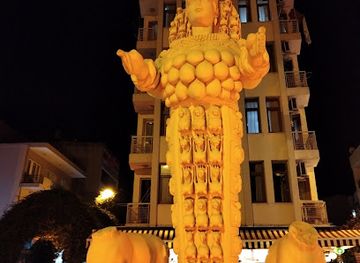

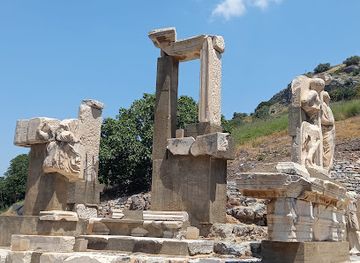
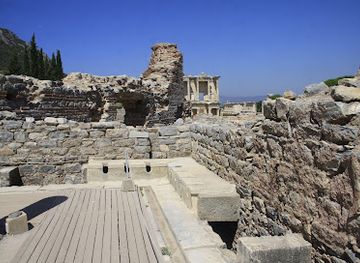
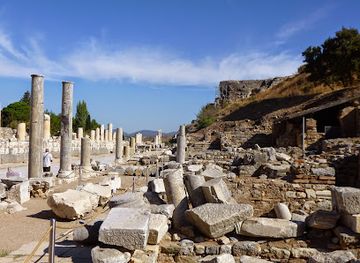
Explore The Nymphaeum Traiani on the Map
A handpicked selection of must-see spots near The Nymphaeum Traiani, mapped for you.
Getting There
-
Walking
If you are starting from the Ephesus Archaeological Site entrance, walk straight ahead into the site. As you enter, follow the main path leading through the ruins. After passing the Theatre of Ephesus on your right, continue straight until you reach the Temple of Hadrian. From there, turn left and proceed towards the Celsus Library. The Nymphaeum Traiani is located just a short distance from the Library. Look for a large fountain structure; it is prominently positioned on your left. The walking distance is approximately 800 meters, and it should take around 10-15 minutes.
-
Walking
If you are starting from Selçuk, head towards the Ephesus entrance, which is about 2.5 kilometers away. You can follow the main road (Atatürk Caddesi) that leads directly to Ephesus. Once you arrive at the entrance, enter the archaeological site and follow the same directions to the Nymphaeum Traiani as described above. The walk from Selçuk to Ephesus will take approximately 30-40 minutes.
-
Local Bus
From Selçuk, you can take a local bus that goes to Ephesus. Buses frequently depart from the Selçuk bus station. The ride will take about 10 minutes. Once you arrive at the Ephesus site, follow the walking directions provided above to reach the Nymphaeum Traiani.
-
Guided Tour
Consider joining a guided tour of Ephesus that includes a visit to the Nymphaeum Traiani. Tours typically start in Selçuk and provide transportation to and from the site along with a knowledgeable guide. This is an excellent way to learn about the history of the ruins while ensuring you visit the Nymphaeum Traiani.
Discover more about The Nymphaeum Traiani













Your all‑in‑one travel companion app
Explore expert travel guides, compare and book tours, experiences, hotels, and more—all from the palm of your hand. Download now for seamless trip planning wherever your wanderlust takes you.


Explore More of Ephesus
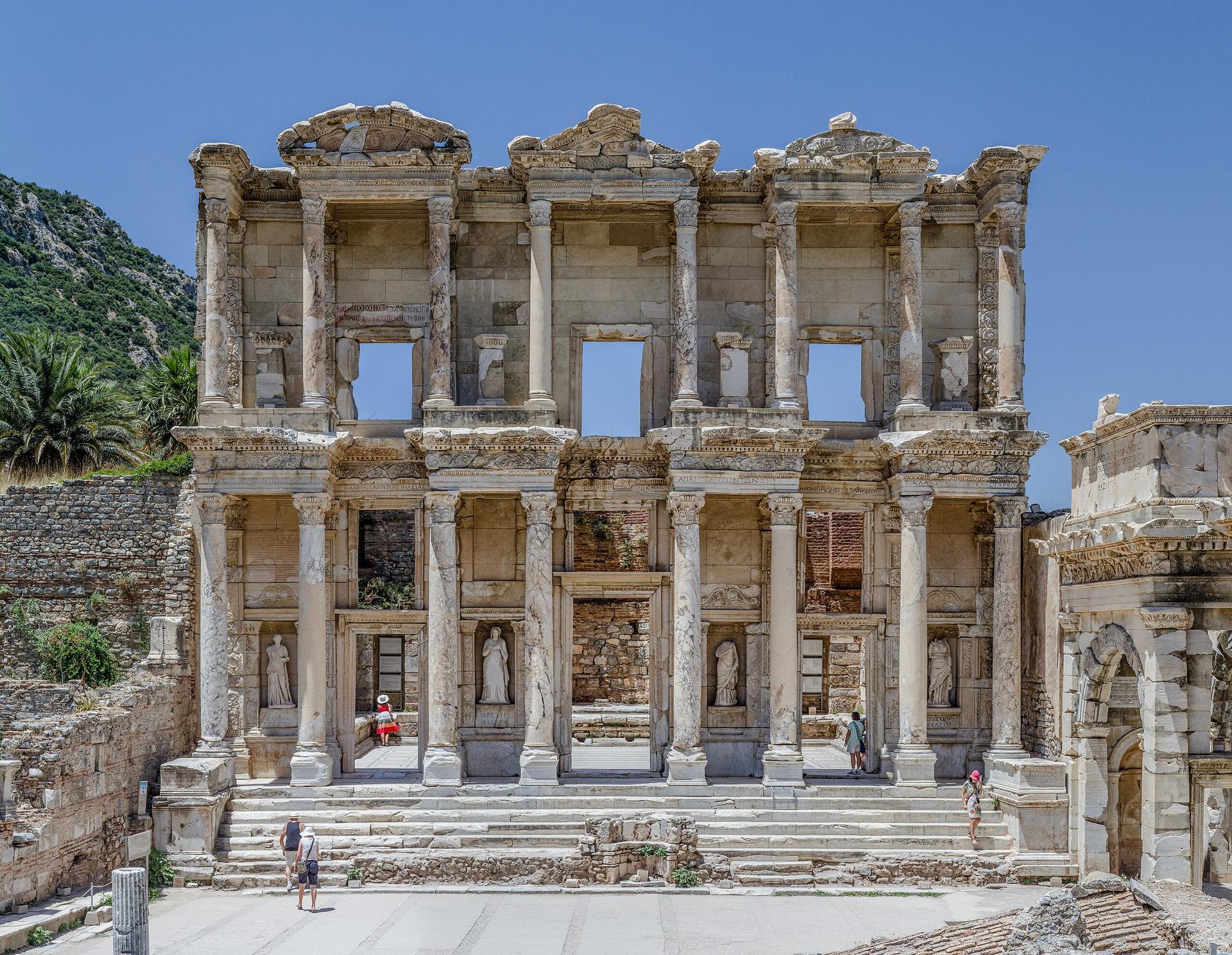
Looking beyond The Nymphaeum Traiani? Discover Ephesus for broader travel guides, local hot-spots, and regional highlights.
Explore Ephesus
Explore the Grotto of the Seven Sleepers, a historical landmark near Ephesus that blends mythology with captivating natural beauty, offering a serene escape.
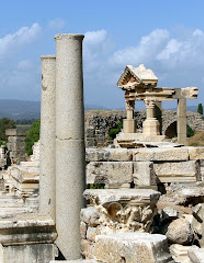
Discover the grandeur of the Trajan Fountain in Ephesus, a historical landmark showcasing the brilliance of Roman architecture and engineering.
