

Free East Caicos Travel Guide & Mobile App
Explore East Caicos with free travel guides. Discover regional history, expert tips, proposed trips, and audio guides on web or mobile app.


East Caicos offers remote beaches, wetlands, wildlife and plantation ruins for travellers seeking an un开发ed side of the Turks and Caicos Islands.
Read more about East Caicos
When is the best time to visit East Caicos?
Best: January–March · 27–28°C| Month | High (°C) | Rainfall (mm) |
|---|---|---|
| January (best) | 27 | 45 |
| February (best) | 27 | 40 |
| March (best) | 28 | 45 |
| April | 29 | 50 |
| May | 30 | 55 |
| June | 31 | 60 |
| July | 32 | 65 |
| August | 32 | 70 |
| September | 31 | 75 |
| October | 30 | 70 |
| November | 29 | 65 |
| December | 28 | 55 |
Getting to and around East Caicos
How to get there
Transportation
Best attractions in East Caicos
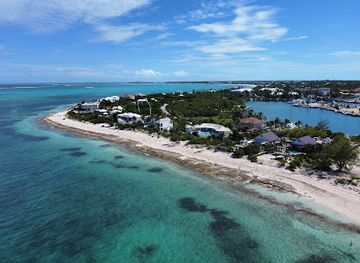
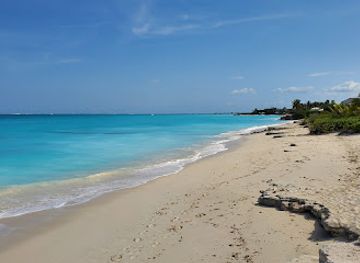
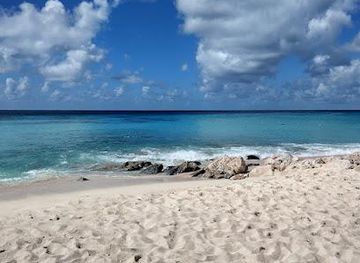
East Caicos has no conventional attraction circuit; its appeal lies in a low-impact encounter with remote coastal and wetland environments. Boat journeys reveal shallow turquoise banks, mangrove edges, tidal creeks and unbuilt beaches, while nature-focused excursions may find wading birds, shorebirds and other wildlife moving through the island's ponds and scrub. Conditions vary with season, tide and weather, and wildlife viewing is necessarily less predictable than at a developed visitor site. The abandoned settlement of Jacksonville provides the principal heritage interest, with overgrown foundations and other traces of the island's former plantation economy. Exploration should be undertaken with a guide, since there are no marked trails, public toilets, visitor centres or dependable supplies. The wider shoreline also offers opportunities for quiet photography, bird observation and geology, although fragile habitats and archaeological remains require careful treatment. East Caicos is best experienced as a wilderness and heritage landscape rather than a beach-resort destination: the absence of roads, facilities and permanent services is central to what distinguishes it.
-
Tourist attraction
Smith’s Reef
Explore the vibrant underwater paradise of Smith's Reef in the Turks & Caicos Islands, a must-visit destination for snorkeling and relaxation.
-
Park and Garden
The Bight Park
Explore the tranquil beauty of The Bight Park in the Turks & Caicos Islands, a perfect blend of nature, relaxation, and adventure for tourists.
-
Tourist attraction
Leeward Beach
Experience the enchanting beauty of Leeward Beach in Turks and Caicos, where pristine sands meet crystal-clear waters for an unforgettable escape.
-
Tourist attraction
Governor’s Beach
Discover the stunning beauty of Governor's Beach in Grand Turk, a paradise of white sands and turquoise waters perfect for relaxation and adventure.

Best landmarks in East Caicos
East Caicos's most significant landmark is the abandoned settlement of Jacksonville, whose weathered ruins mark the island's former plantation and agricultural economy. Rather than forming a preserved town with intact buildings, the site is a scattered historic landscape of foundations, overgrown structures and traces of past occupation, so it should be viewed with a guide and treated as fragile heritage. The island's natural landmarks are equally important: broad tidal wetlands, mangrove margins, shallow coastal flats and undeveloped limestone shorelines express the geography that shaped both its ecology and its failed agricultural schemes. These places are not equipped viewpoints or formal monuments, and their appearance changes with tides, vegetation and weather. East Caicos's importance lies in the relationship between ruin and landscape, where evidence of human enterprise is gradually being absorbed by scrub and wetland. Visitors should avoid removing artefacts, climbing unstable masonry or damaging surfaces around historic remains.
-
Tourist attraction
East Caicos Blue Hole
Experience the breathtaking beauty of East Caicos Blue Hole, a stunning natural wonder in the Turks & Caicos Islands, ideal for snorkeling and adventure.

Explore East Caicos on the map
Plan your trip on one map. See where the top cities, national parks and sights are, and book hotels and experiences in a few clicks.
Best hotels in East Caicos
Best restaurants in East Caicos
East Caicos has no restaurants, cafés, shops or permanent food service. Visitors must bring all meals and drinking water or arrange provisions through an operator before leaving a developed island. Picnic food should be packed in reusable containers and every item, including food scraps, must be removed afterwards to avoid attracting wildlife and leaving litter. A trip may be combined with dining on Middle Caicos or Providenciales, but both are outside East Caicos and require separate transport planning. Across the wider Turks and Caicos Islands, conch, fish and other seafood are prominent in local cooking, often served in informal restaurants and island communities; they should not be presented as dishes prepared on East Caicos itself. Boat crews and local guides can advise on practical provisioning, especially when an excursion may be extended by weather or tide.
-
Restaurant
Da Conch Shack
Discover fresh seafood delights at Da Conch Shack in Turks & Caicos—where island vibes meet culinary excellence.
-
Restaurant
Mango Reef Restaurant & Bar
Experience exquisite Caribbean cuisine with stunning ocean views at Mango Reef Restaurant & Bar in Turks & Caicos.
-
Caribbean
Jack's Shack Beach Bar & Grill
Experience authentic Caribbean flavors at Jack's Shack Beach Bar & Grill in Cockburn Town, where every meal comes with stunning ocean views.
-
Restaurant
Las Brisas Restaurant
Experience exquisite dining at Las Brisas Restaurant in Turks & Caicos – where stunning views meet exceptional flavors in every dish.



Best bars in East Caicos
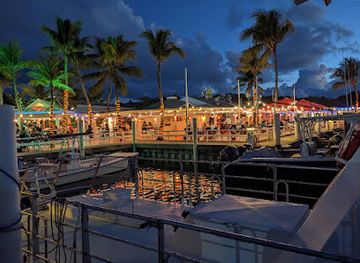
East Caicos has no bars, nightclubs, pubs, accommodation or established evening entertainment. After dark, the island is unlit and exceptionally remote, making it unsuitable for casual nightlife or unplanned overnight stays. The evening experience is instead one of silence, open sky and natural sounds, provided that a properly organised camping or boating arrangement has been approved and equipped for the conditions. For restaurants, live music and bars, visitors must return to a developed island, with Providenciales offering the broadest range and Middle Caicos providing a quieter local evening scene; both are outside East Caicos. Alcohol should not be consumed in a way that compromises boat safety, navigation or emergency preparedness, particularly when the return journey depends on tides and weather.
-
Restaurant
Da Conch Shack
Experience the essence of Caribbean cuisine at Da Conch Shack, a beloved restaurant in the stunning Turks & Caicos Islands, famous for its fresh seafood and vibrant atmosphere.
-
Restaurant
Mango Reef Restaurant & Bar
Experience the vibrant flavors of the Caribbean at Mango Reef Restaurant & Bar in the stunning Turks and Caicos Islands.
-
Bar
Jack's Shack Beach Bar & Grill
Experience the vibrant flavors and warm hospitality of the Caribbean at Jack's Shack Beach Bar & Grill in Turks and Caicos.
-
American
Danny Buoy's
Experience the authentic taste of American cuisine in a lively atmosphere at Danny Buoy's, Grace Bay's ultimate dining destination.



Best nightclubs in East Caicos
East Caicos has no bars, nightclubs, pubs, accommodation or established evening entertainment. After dark, the island is unlit and exceptionally remote, making it unsuitable for casual nightlife or unplanned overnight stays. The evening experience is instead one of silence, open sky and natural sounds, provided that a properly organised camping or boating arrangement has been approved and equipped for the conditions. For restaurants, live music and bars, visitors must return to a developed island, with Providenciales offering the broadest range and Middle Caicos providing a quieter local evening scene; both are outside East Caicos. Alcohol should not be consumed in a way that compromises boat safety, navigation or emergency preparedness, particularly when the return journey depends on tides and weather.
-
Bar
Noah's Ark Beach Club TCI
Discover the serene beauty and vibrant atmosphere at Noah's Ark Beach Club TCI, the ultimate beach bar experience in Turks & Caicos.
-
Bar
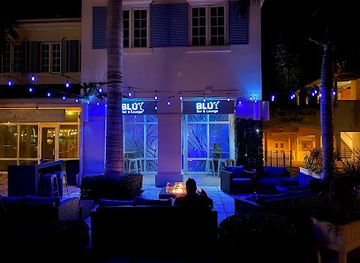
Blu Bar & Lounge
Experience the vibrant atmosphere of Blu Bar & Lounge, where refreshing cocktails and local flavors meet stunning views in Grace Bay.
-
Bar
Gymbar
Experience the vibrant atmosphere of Gymbar in Kew Town Settlement, the perfect spot for refreshing drinks and local culture in the Turks and Caicos Islands.
-
Bar
The Cove Beach Bar
Discover relaxation at The Cove Beach Bar, where tropical drinks meet stunning ocean views in South Caicos, Turks and Caicos Islands.


Best shops in East Caicos
There is no shopping on East Caicos. No high street, market, craft shop, food outlet or visitor centre operates on the uninhabited island, so all practical supplies must be purchased before departure. Bring water, food, sun protection, insect protection, sturdy footwear, first-aid materials and suitable containers for carrying waste. Souvenirs and local produce should be sought on developed islands such as Providenciales or Middle Caicos, both outside East Caicos, where visitors may find island-made crafts, art, clothing and packaged food products. Do not remove shells, coral, plants, stones or historic objects from East Caicos as keepsakes. The most appropriate memento is a photograph or field note, leaving the island's archaeological traces and natural materials undisturbed.
-
 Resort hotel
Beaches Turks & Caicos
Experience the ultimate family getaway at Beaches Turks & Caicos, where luxury meets adventure in a tropical paradise.
-
Gift shop
House of Unicorn
Uncover unique gifts and local treasures at the House of Unicorn, a charming gift shop in Grace Bay, Turks & Caicos Islands.
-
Souvenir Shop
Caribbean Outpost
Explore unique gifts and local crafts at the Caribbean Outpost, your go-to souvenir shop in Grace Bay, Turks and Caicos Islands.
-
Beauty supply store
Basic Essentials TCI
Explore Basic Essentials TCI for a diverse range of beauty supplies in the stunning Turks & Caicos Islands, perfect for all your cosmetic needs.


Get your free copy of our complete guide to East Caicos, delivered straight to you.
Everything on this page, from attractions and restaurants to essentials and local phrases, in one PDF you can read offline, print or share.
Already have an account? Sign in
Your East Caicos guide is ready.
We'll send it to · Not you? Sign out

Getting your guide ready…
We are putting together a fresh copy of the East Caicos guide. This can take up to a minute.
This can take a few moments. If your browser asks, choose Allow so the download can start. You'll find the guide in your Downloads folder.
Nothing happened? Download it again
Sorry, the guide is taking longer than usual. Please try again in a minute, or get it by email instead.
East Caicos essentials
Currency and Payment
Safety
Emergency Situations
Do's and Don'ts
Local Tips
From Eve
Local phrases worth knowing
You don't need to get them perfect. A few words go a long way, and locals appreciate the effort.
Basics
| English | Local | Say it |
|---|---|---|
| Hello | Hola | [oh-lah] |
| Goodbye | Adiós | [ah-dee-ohs] |
| Yes | Sí | [see] |
| No | No | [noh] |
| Please/You're welcome | Por favor | [por fah-vor] |
| Thank you | Gracias | [grah-see-ahs] |
| Excuse me/Sorry | Perdón | [pehr-dohn] |
| How are you? | ¿Cómo estás? | [koh-moh ehs-tahs] |
| Fine. And you? | Bien. ¿Y tú? | [byehn. ee too] |
| Do you speak English? | ¿Hablas inglés? | [ah-blahs een-glehs] |
| I don't understand | No entiendo | [noh ehn-tee-en-doh] |
Eating & Drinking
| English | Local | Say it |
|---|---|---|
| I'd like to see the menu, please | Quisiera ver el menú, por favor | [kee-syeh-rah vehr el meh-noo, por fah-vor] |
| I don't eat meat | No como carne | [noh koh-moh kahr-neh] |
| Cheers! | ¡Salud! | [sah-lood] |
| I would like to pay, please | Me gustaría pagar, por favor | [meh goos-tah-ree-ah pah-gar, por fah-vor] |
Emergencies
| English | Local | Say it |
|---|---|---|
| Help! | ¡Ayuda! | [ah-yoo-dah] |
| Go away! | ¡Vete! | [veh-teh] |
| Call the Police! | ¡Llama a la policía! | [yah-mah ah lah poh-lee-see-ah] |
| Call a doctor! | ¡Llama a un doctor! | [yah-mah ah oon dok-tor] |
| I'm lost | Estoy perdido | [es-toy pehr-dee-doh] |
| I'm ill | Estoy enfermo | [es-toy en-fehr-mo] |
Shopping
| English | Local | Say it |
|---|---|---|
| I'd like to buy... | Quisiera comprar... | [kee-syeh-rah kohm-prar] |
| I'm just looking | Solo estoy mirando | [so-lo es-toy mee-ran-doh] |
| How much is it? | ¿Cuánto cuesta? | [kwan-toh kwes-tah] |
| That's too expensive | Eso es muy caro | [eh-so es moy kah-roh] |
| Can you lower the price? | ¿Puedes bajar el precio? | [pweh-des bah-har el preh-syo] |
Time & Numbers
| English | Local | Say it |
|---|---|---|
| What time is it? | ¿Qué hora es? | [keh oh-rah es] |
| It's one o'clock | Es la una | [es lah oo-nah] |
| Half past (10) | Y media (10) | [ee meh-dee-ah] |
| Morning | Mañana | [mah-nyah-nah] |
| Afternoon | Tarde | [tar-deh] |
| Evening | Noche | [noh-cheh] |
| Yesterday | Ayer | [ah-yehr] |
| Today | Hoy | [oy] |
| Tomorrow | Mañana | [mah-nyah-nah] |
| 1 | Uno | [oo-noh] |
| 2 | Dos | [dohs] |
| 3 | Tres | [tres] |
| 4 | Cuatro | [kwah-tro] |
| 5 | Cinco | [seen-koh] |
| 6 | Seis | [says] |
| 7 | Siete | [syay-teh] |
| 8 | Ocho | [oh-choh] |
| 9 | Nueve | [nweh-veh] |
| 10 | Diez | [dyehs] |
Transport & Directions
| English | Local | Say it |
|---|---|---|
| Where's a/the...? | ¿Dónde está un/una...? | [dohn-deh es-tah oon/oo-nah] |
| What's the address? | ¿Cuál es la dirección? | [kwahl es lah dee-rek-syon] |
| Can you show me (on the map)? | ¿Puedes mostrarme (en el mapa)? | [pweh-des mohs-trar-meh en el mah-pah] |
| When's the next (bus)? | ¿Cuándo llega el próximo (autobús)? | [kwan-doh yeh-gah el prohk-see-mo (ow-toh-boos)] |
| A ticket (to ....) | Un boleto (a ....) | [oon boh-leh-toh ah] |
History of East Caicos
Lucayan Heritage Before European Colonisation
The Turks and Caicos Islands were inhabited by Lucayan peoples before European colonisation, and the wider Caicos group contains archaeological evidence of settlements, food gathering and maritime movement. East Caicos formed part of this island network, whose inhabitants travelled across shallow banks and channels by canoe. Although the island's exposed terrain and later environmental change make its surviving archaeological traces less conspicuous than those on some neighbouring islands, its history must be understood within the broader Lucayan landscape of the archipelago. European contact brought disease, enslavement and the rapid destruction of Lucayan society during the early colonial period.
The Salt and Plantation Economy
From the late eighteenth century, the Turks and Caicos Islands were drawn into the British Atlantic economy. Salt production became especially important on several islands, while landowners and entrepreneurs also experimented with agriculture. East Caicos was developed for plantation activity, taking advantage of its expanses of low-lying land despite limited fresh water and difficult communications. Cotton was among the crops associated with the island's nineteenth-century economy. The enterprise depended on labour, imported supplies and maritime connections, and its remains illustrate the uneven and fragile nature of plantation development in the Caicos Islands.
Jacksonville and Nineteenth-Century Development
Jacksonville grew as the principal settlement connected with East Caicos's agricultural phase. Its ruins are now among the clearest reminders that the island once supported a resident working community rather than only occasional visitors. Buildings, work areas and paths were constructed in an environment where heat, drought, insects, hurricanes and isolation imposed constant constraints. East Caicos never developed into a large colonial centre, but Jacksonville is historically important because it records a sustained attempt to establish production and settlement on an island that later returned to near-complete abandonment.
Sisal, Labour and Economic Change
After cotton declined, sisal and other agricultural schemes were explored in parts of the Turks and Caicos Islands, including East Caicos. Sisal was valued for its strong fibre, used in rope and related products, but production remained vulnerable to transport costs, weather, labour shortages and changing international markets. The island's limited infrastructure made commercial expansion difficult, and its settlements gradually lost viability. The overgrown remains associated with agriculture therefore reflect not one uninterrupted industry, but successive efforts to make an isolated and environmentally demanding island profitable.
Abandonment and the Return of Wilderness
During the twentieth century, East Caicos's permanent population dwindled and the island's agricultural settlements were abandoned. Without continuing road building or large-scale commercial development, vegetation reclaimed many former work sites and natural wetlands remained comparatively undisturbed. This transition changed the island from a marginal agricultural outpost into a largely wilderness destination. Its present character is consequently historical as well as ecological: plantation ruins stand within scrub and wetland landscapes, allowing visitors to see both the ambitions of earlier settlers and the limits imposed by the island's geography.
Conservation in the Modern Turks and Caicos Islands
Modern environmental policy across the Turks and Caicos Islands has increasingly recognised the importance of wetlands, mangroves, coral habitats and uninhabited islands. East Caicos is valued for its relatively undeveloped landscapes and its role in the wider ecological network of the Caicos Banks. Conservation concerns include disturbance to wildlife, damage to archaeological sites, careless anchoring and the accumulation of litter. Contemporary visits are consequently shaped by a principle that is especially important here: the island's natural and historic character depends on keeping access low-impact and development limited.
East Caicos in Photos
Browse through our photo collection highlighting the charm and character of the destination.
Neighbouring regions of East Caicos
The closest regions to East Caicos, if you have time for more than one.

Swipe for more regions
Explore more

Explore more of Turks and Caicos Islands
Discover the pristine beaches, luxurious resorts, and vibrant culture of Turks and Caicos Islands, a tropical paradise in the Atlantic Ocean.
Explore Turks and Caicos Islands