

Funafuti, Tuvalu Travel Guide
Discover Funafuti, Tuvalu's tranquil capital, where clear blue waters, vibrant marine life, and rich cultural traditions create an unforgettable island experience.
Funafuti, the capital of Tuvalu, is a hidden gem in the vast expanse of the Pacific Ocean. This tiny atoll offers a unique blend of natural beauty, cultural richness, and serene tranquility. With its clear blue waters, pristine beaches, and vibrant marine life, Funafuti is a paradise for nature lovers and adventure seekers alike. The atoll's central lagoon, Te Namo, is perfect for snorkeling and diving, offering visitors a chance to explore its colorful coral reefs and diverse aquatic species. The culture of Funafuti is deeply rooted in tradition and community. Visitors can immerse themselves in local life by attending a traditional dance performance or joining a communal fishing trip. The Funafuti Conservation Area, which spans 33 square kilometers, is a must-visit for those interested in ecology and conservation. It is home to an array of endemic species and serves as a vital sanctuary for marine and bird life. Despite its small size, Funafuti offers a range of amenities to ensure a comfortable stay. From cozy guesthouses to local eateries serving delicious Tuvaluan cuisine, visitors will find everything they need for a memorable holiday. The friendly and welcoming locals add to the charm of this unique destination, making every visitor feel at home.

Know before you go
Hi, I'm Eve. Here are a few practical things to know before exploring Funafuti.
- Respect local customs and traditions, especially when visiting villages and attending cultural events.
- Bring cash, as there are limited ATMs and credit card facilities on the island.
- Protect yourself from the sun with high SPF sunscreen, hats, and light clothing.
- Plan your visit around the dry season (May to October) for the best weather conditions.
- Explore the Funafuti Conservation Area with a guided tour to learn about local wildlife and conservation efforts.
Explore Funafuti: Things to Do, Places to Eat, Hotels & More
Handpicked recommendations for top attractions, local dining, accommodations, and more

Best attractions in Funafuti
Top-rated picks
Best Attractions

Funagogoʻiliʻili Beach
Discover the untouched beauty of Funagogoʻiliʻili Beach, a serene tropical paradise in Tuvalu, perfect for relaxation and adventure.

Tepuka
Explore the serene beauty of Tepuka Island in Tuvalu, where pristine beaches meet vibrant marine life in an untouched paradise.

Tuvalu Women’s Handicraft Centre
Explore the Tuvalu Women’s Handicraft Centre: A vibrant showcase of local culture, craftsmanship, and empowering artisans in Vaiaku.

Fatato Beach
Discover tranquility at Fatato Beach, a stunning paradise in Tuvalu known for its pristine sands and crystal-clear waters.

Best landmarks in Funafuti
Top-rated picks
Best Landmarks

Funafuti International Airport
Experience the serene beauty of Tuvalu at Funafuti International Airport, the perfect gateway to your Pacific Island adventure.

Funafuti Lagoon Hotel
Discover the serene beauty of Funafuti Lagoon Hotel in Tuvalu, where relaxation meets adventure amidst stunning natural landscapes.

Afelita’s Island Resort
Discover tranquility at Afelita's Island Resort in Tuvalu, where stunning natural beauty meets warm hospitality and unforgettable experiences.
Filamona Lodge
Experience the serene beauty of Tuvalu at Filamona Lodge, your perfect getaway for relaxation and adventure in a tropical paradise.

Best restaurants in Funafuti
Top-rated picks
Best Restaurants
Funafuti Lagoon Hotel
Experience tranquility at Funafuti Lagoon Hotel - your gateway to exploring the serene beauty and culture of Tuvalu.

Blue Ocean Restaurant
Savor fresh seafood and local flavors at Blue Ocean Restaurant while enjoying stunning ocean views in beautiful Tuvalu.

Fripay BBQ
Discover authentic barbecue delights at Fripay BBQ in Vaiaku – where flavor meets island charm!
Filamona Lodge
Experience authentic Tuvaluan hospitality at Filamona Lodge – your perfect retreat in paradise.

Best bars in Funafuti
Top-rated picks
Best Bars
Tonga Bar & Cafe
Discover the vibrant charm of Tonga Bar & Cafe, where local flavors and lively atmosphere come together for an unforgettable experience in Tuvalu.
Funafuti Lagoon Hotel
Discover the serene beauty of Funafuti Lagoon Hotel, your perfect getaway in Tuvalu with breathtaking views and rich local culture.

Blue Ocean Restaurant
Discover the flavors of Tuvalu at Blue Ocean Restaurant, where fresh seafood meets breathtaking ocean views in an unforgettable dining experience.

Afelita’s Island Resort
Discover paradise at Afelita's Island Resort, a serene escape in Tuvalu with stunning beaches, luxurious accommodations, and rich local culture.

Best nightclubs in Funafuti
Top-rated picks
Best Nightclubs

Funafuti International Airport
Discover the charm of Tuvalu at Funafuti International Airport, your gateway to a serene Pacific paradise.
Funafuti Lagoon Hotel
Experience the breathtaking beauty of Tuvalu at Funafuti Lagoon Hotel, your gateway to adventure and relaxation in the South Pacific.

Blue Ocean Restaurant
Discover the culinary delights of Blue Ocean Restaurant in Vaiaku, Tuvalu, where local flavors meet stunning ocean views for an unforgettable dining experience.

Fripay BBQ
Explore the authentic taste of Tuvalu at Fripay BBQ, where every dish is a celebration of island flavors and barbecue traditions.

Best shops in Funafuti
Top-rated picks
Best Shops

Funafuti International Airport
Experience the warm welcome and serene beauty of Tuvalu at Funafuti International Airport, your gateway to the South Pacific paradise.
Funafuti Lagoon Hotel
Experience the serene beauty of Tuvalu at Funafuti Lagoon Hotel, where comfort meets breathtaking lagoon views.

Afelita’s Island Resort
Experience ultimate relaxation at Afelita's Island Resort, where tropical beauty meets luxurious comfort in the heart of Tuvalu.

Island Supermarket
Discover the flavors of Tuvalu at Island Supermarket - your local hub for fresh produce and authentic island goods.

Explore Funafuti on the Map
A handpicked selection of must-see spots in Funafuti, mapped for you.
Funafuti Essentials
-
Funafuti, the capital of Tuvalu, is primarily accessible by air. The Funafuti International Airport (FUN) is the main point of entry. Fiji Airways operates flights from Suva, Fiji, to Funafuti, typically twice a week. There are no direct flights from other major international destinations, so travelers usually transit through Fiji. It's advisable to book flights well in advance due to limited availability.
-
Funafuti is a small atoll, and its main island, Fongafale, is only about 2.5 kilometers wide. Most places are within walking distance. Bicycles and scooters are popular modes of transport and can be rented locally. There are also a few taxis available, but they are not metered, so it's best to agree on the fare beforehand. Public buses are not available on the island.
-
The official currency of Tuvalu is the Australian Dollar (AUD). Credit cards are not widely accepted, so it's essential to carry sufficient cash. There is one bank on the island, the National Bank of Tuvalu, where you can exchange money and withdraw cash. However, it is advisable to bring enough cash with you to cover your expenses.
-
Funafuti is generally a very safe destination. Crime rates are low, and violent crime is rare. Petty theft can occur, so it is wise to keep an eye on your belongings and avoid leaving valuables unattended. There are no specific high-crime areas targeting tourists. It is safe to walk around the island, even at night, but standard precautions should always be taken.
-
In case of emergency, dial 911 for immediate assistance. The Princess Margaret Hospital in Funafuti can handle basic medical needs and emergencies. However, for serious medical conditions, evacuation to Fiji or Australia may be necessary, so having comprehensive travel insurance is crucial. It is also advisable to bring a basic first aid kit and any necessary medications.
-
Fashion: Do dress modestly, especially when visiting villages or religious sites. Avoid wearing revealing clothing. Religion: Do respect local customs and traditions. Always ask for permission before taking photos of people or inside churches. Public Transport: Do be patient and courteous, as transport options are limited. Greetings: Do greet locals with a friendly 'Talofa' (hello). A firm handshake is a common greeting. Eating & Drinking: Do try local dishes such as pulaka (swamp taro) and coconut crab. Don’t refuse food or drink offered by locals, as it is considered impolite.
-
To experience Funafuti like a local, visit the Funafuti Conservation Area, which offers excellent snorkeling and diving opportunities. Engage with locals at the market and try traditional foods. Attend a 'fatele,' a traditional Tuvaluan dance performance, to witness local culture firsthand. Lastly, be sure to enjoy the stunning sunsets over the lagoon, a favorite pastime for both locals and visitors.
When is the best time to visit Funafuti?
Useful Local Phrases for Funafuti
You don't need to speak the language perfectly. Even learning a few simple words can make conversations warmer—and locals usually appreciate the effort.
— Eve

Here are the phrases I use most often in Funafuti. Try a few—you'll be surprised how far they go! 😊
❤️
-
- HelloTalofa
[ta-lo-fa] - GoodbyeFakaalofa
[fa-ka-a-lo-fa] - YesIo
[ee-o] - NoLeai
[lay-eye] - Please/You're welcomeFakafetai
[fa-ka-fe-tai] - Thank youFakafetai
[fa-ka-fe-tai] - Excuse me/SorryFakamolemole
[fa-ka-mo-le-mo-le] - How are you?Fefe haga?
[fe-fe ha-ga] - Fine. And you?Fakafofoga. Ia oe?
[fa-ka-fo-fo-ga. ee-a oy] - Do you speak English?Te gatia fakapalangi?
[te ga-tia fa-ka-pa-lan-gi] - I don't understandAe le malamalama
[aye lay ma-la-ma-la-ma]
- HelloTalofa
-
- I'd like to see the menu, pleaseTe fia fakamatahi i le suafa, fakafetai
[te fee-a fa-ka-ma-ta-he i lay su-a-fa, fa-ka-fe-tai] - I don't eat meatAe le fia fia ai laukou
[aye lay fee-a fee-a eye lau-kou] - Cheers!Malo!
[ma-lo] - I would like to pay, pleaseTe fia fai le totogi, fakafetai
[te fee-a fa-ee lay to-to-gi, fa-ka-fe-tai]
- I'd like to see the menu, pleaseTe fia fakamatahi i le suafa, fakafetai
-
- Help!Fesoasoani!
[fe-so-a-so-a-ni] - Go away!Alu i le tasi!
[a-loo ee lay ta-see] - Call the Police!Faitio le polisi!
[fa-ee-si-o lay po-lee-see] - Call a doctor!Faitio le foma'i!
[fa-ee-si-o lay fo-ma-ee] - I'm lostUa ou te le
[oo-a oy te lay] - I'm illUa ou lelei
[oo-a oy le-le-i]
- Help!Fesoasoani!
-
- I'd like to buy...Te fia fesoasoani...
[te fee-a fe-so-a-so-a-ni] - I'm just lookingUa ou vaai
[oo-a oy va-ai] - How much is it?E fia tele ai?
[ay fee-a te-le eye] - That's too expensiveUa uma le totogi
[oo-a ou-ma lay to-to-gi] - Can you lower the price?E mafai ona faatali le totogi?
[ay ma-fai on-a fa-ta-li lay to-to-gi]
- I'd like to buy...Te fia fesoasoani...
-
- What time is it?O le a le taimi?
[o lay a lay ta-i-mi] - It's one o'clockO le tasi i le taimi
[o lay ta-see i lay ta-i-mi] - Half past (10)I le a le lima
[ee lay a lay lee-ma] - MorningAoauli
[ao-a-u-lee] - AfternoonAfiafi
[a-fee-a-fee] - EveningIli
[ee-lee] - YesterdayAnanafi
[a-na-na-fee] - TodayAso nei
[a-so nay] - TomorrowAso taeao
[a-so ta-ee-ow] - 1Tasi
[ta-see] - 2Lua
[loo-a] - 3Tolu
[to-lu] - 4Fa
[fa] - 5Lima
[lee-ma] - 6Ono
[o-no] - 7Fitu
[fee-too] - 8Valu
[va-lu] - 9Iva
[ee-va] - 10Sefulu
[se-foo-loo]
- What time is it?O le a le taimi?
-
- Where's a/the...?O fea le...?
[o fe-a lay] - What's the address?O le tusi tuatusi?
[o lay too-see too-a-too-see] - Can you show me (on the map)?E mafai ona faaalia mai (i le mapa)?
[ay ma-fai on-a fa-a-a-lee-a my (ee lay ma-pa)] - When's the next (bus)?Saili i le a le faalavelave (autalavou)?
[sai-lee ee lay a lay fa-a-la-ve-la-ve (ow-ta-la-vo-oo)] - A ticket (to ....)Tiketi (i ....)
[tee-ke-tee (ee)]
- Where's a/the...?O fea le...?
History of Funafuti
-
Funafuti, like much of Tuvalu, has a deep-rooted history tied to ancient Polynesian settlers. The first inhabitants are believed to have arrived around 1000 AD, navigating the vast Pacific Ocean using sophisticated knowledge of the stars, ocean currents, and winds. These early settlers established a society based on fishing, agriculture, and communal living, laying the foundations for the culture that continues to thrive in Funafuti today.
-
The first recorded European contact with Funafuti came in the early 19th century, when British explorer Captain John Byron sighted the island in 1765. Subsequent visits by whalers and traders brought new goods and influences to the island, but also introduced diseases that had a significant impact on the local population. These early encounters set the stage for further interactions between Funafuti and the outside world.
-
In the mid-19th century, Christian missionaries arrived in Funafuti, leading to significant cultural and societal changes. The London Missionary Society established a presence on the island in 1865, and the conversion to Christianity was swift. Traditional beliefs and practices were often suppressed, but the new religion also brought education and new forms of community organization.
-
During World War II, Funafuti played a vital role as an American airbase. In 1942, the United States built an airstrip on the island as part of their efforts to counter Japanese advances in the Pacific. The presence of American troops brought significant changes, including infrastructure development and exposure to new cultural influences. The remains of bunkers and other military installations can still be seen on the island today, serving as a reminder of this tumultuous period.
-
Tuvalu gained independence from British colonial rule on October 1, 1978, and Funafuti was named the capital of the new nation. Since then, Funafuti has developed as the political and economic center of Tuvalu. The island hosts the government headquarters, the international airport, and other key institutions. Despite its small size and remote location, Funafuti remains vibrant, with a blend of traditional and modern influences shaping daily life.
-
Funafuti's cultural heritage is deeply rooted in traditional Polynesian practices. The local community maintains customs such as dancing, music, and storytelling, which are integral to social gatherings and celebrations. The 'fatele,' a traditional dance, is performed at important events and remains a symbol of Tuvaluan identity. Fishing and weaving are also significant aspects of daily life, reflecting skills passed down through generations.
-
Funafuti, like the rest of Tuvalu, faces significant environmental challenges due to climate change and rising sea levels. The atoll's low elevation makes it particularly vulnerable to flooding and erosion. Efforts to combat these issues include building seawalls and advocating for international action on climate change. The resilience of Funafuti’s community in the face of these challenges is a testament to their enduring spirit and adaptability.
Cities near Funafuti
The closest cities to Funafuti, if you have time for more than one stop.


Your all‑in‑one travel companion app
Explore expert travel guides, compare and book tours, experiences, hotels, and more—all from the palm of your hand. Download now for seamless trip planning wherever your wanderlust takes you.


Funafuti in Photos
Browse through our photo collection highlighting the charm and character of the destination.


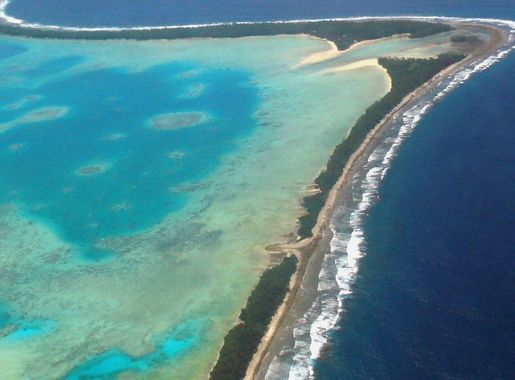
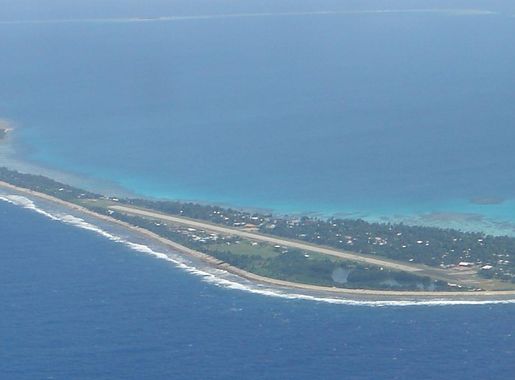


Funafuti: The Heart of Tuvalu's Island Charm
Funafuti, the capital of Tuvalu, is a hidden gem in the vast expanse of the Pacific Ocean. This tiny atoll offers a unique blend of natural beauty, cultural richness, and serene tranquility. With its clear blue waters, pristine beaches, and vibrant marine life, Funafuti is a paradise for nature lovers and adventure seekers alike. The atoll's central lagoon, Te Namo, is perfect for snorkeling and diving, offering visitors a chance to explore its colorful coral reefs and diverse aquatic species. The culture of Funafuti is deeply rooted in tradition and community. Visitors can immerse themselves in local life by attending a traditional dance performance or joining a communal fishing trip. The Funafuti Conservation Area, which spans 33 square kilometers, is a must-visit for those interested in ecology and conservation. It is home to an array of endemic species and serves as a vital sanctuary for marine and bird life. Despite its small size, Funafuti offers a range of amenities to ensure a comfortable stay. From cozy guesthouses to local eateries serving delicious Tuvaluan cuisine, visitors will find everything they need for a memorable holiday. The friendly and welcoming locals add to the charm of this unique destination, making every visitor feel at home.
Explore More of Funafuti Atoll

Looking beyond Funafuti? Discover Funafuti Atoll for broader travel guides, local hot-spots, and regional highlights.
Explore Funafuti AtollExplore More of Tuvalu
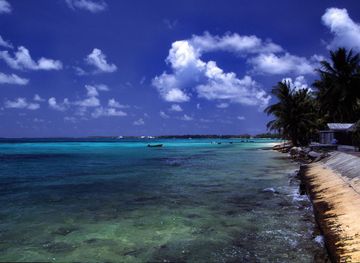
Looking beyond Funafuti? Discover Tuvalu for broader travel guides, local hot-spots, and regional highlights.
Explore Tuvalu