

Free Donetsk Travel Guide & Mobile App
Plan your Donetsk trip with Evendo. Get free guides to top attractions, restaurants, hotels, and bars. Web access or download the mobile app.


Donetsk, Ukraine: understand its coal-and-steel history, Soviet-era planning, football culture and contested heritage through responsible sightseeing.
An Industrial City in the Donbas
Donetsk stands in the eastern Ukrainian region of Donbas, a city shaped by coal mining, iron and steel production, wide avenues and extensive Soviet-era planning. It developed in the late nineteenth century around the works established by Welsh industrialist John Hughes, whose name gave the settlement its early identity as Yuzovka. The industrial landscape created a city with a strong working-class culture, while later redevelopment added theatres, museums, landscaped boulevards and large sporting venues.Read more about Donetsk
Urban Culture and Memory
A City Closed to Ordinary Tourism
When is the best time to visit Donetsk?
Best: May–June, September · 21–26°C| Month | High (°C) | Rainfall (mm) |
|---|---|---|
| January | -2 | 36 |
| February | -1 | 31 |
| March | 5 | 28 |
| April | 17 | 32 |
| May (best) | 22 | 41 |
| June (best) | 26 | 59 |
| July | 29 | 50 |
| August | 28 | 43 |
| September (best) | 21 | 33 |
| October | 14 | 34 |
| November | 8 | 38 |
| December | 3 | 40 |
Getting to and around Donetsk
How to get there
Transportation
Best attractions in Donetsk
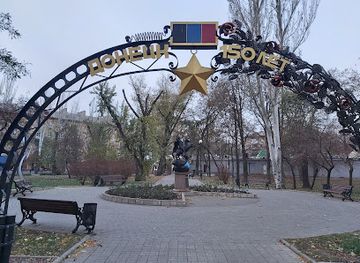
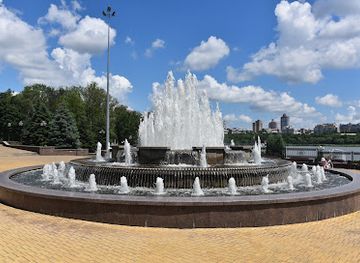
Donetsk's principal attractions are best understood as elements of a pre-war urban landscape rather than accessible sightseeing stops today. The Donetsk Botanical Garden was known for its extensive plant collections and landscaped grounds, while Pushkin Boulevard offered a formal pedestrian route through the centre. The Donetsk Academic State Opera and Ballet Theatre represented the city's long-established performing-arts tradition, and the Forged Figures Park displayed metal sculpture rooted in the region's industrial skills. Football supporters associated the city with Shakhtar Donetsk and the Donbas Arena, although the stadium was severely affected by the conflict. The local museums, central avenues and surviving industrial districts also revealed the relationship between coal, Soviet planning and civic identity. Access, preservation and present use of these places are uncertain, and ongoing conflict, military restrictions and official travel warnings mean they should not be treated as current tourist attractions.
-
Tourist attraction
Park Shcherbakova
Explore the natural beauty and serene ambiance of Park Shcherbakova, a perfect escape in Donetsk for relaxation and cultural experiences.
11 min drive · 3.6 km from city centre
-
Tourist attraction
Forged Figures Park
Experience the artistic charm and natural beauty of Forged Figures Park in Donetsk, where modern art meets serene landscapes.
10 min walk · 0.8 km from city centre
-
Tourist attraction
City Park of Culture and Recreation
Discover the serene beauty of the City Park of Culture and Recreation in Donetsk, where nature, leisure, and family fun converge in one picturesque setting.
10 min walk · 0.8 km from city centre
-
Tourist attraction
Park of Slavic Culture and Literature
Explore the Park of Slavic Culture and Literature in Donetsk – a serene blend of nature and Slavic literary heritage awaits you.
14 min drive · 4.7 km from city centre
Best landmarks in Donetsk
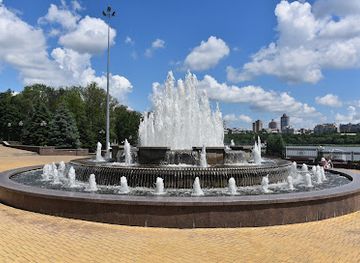
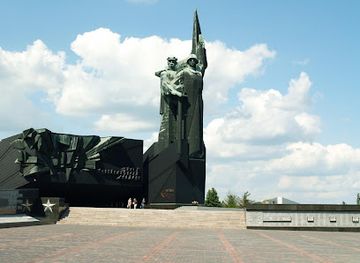
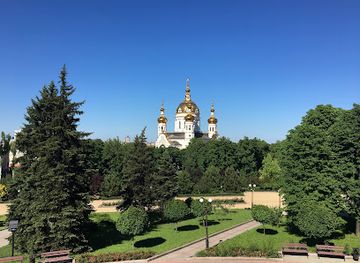
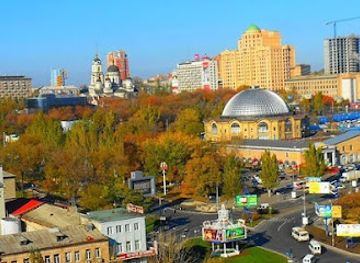
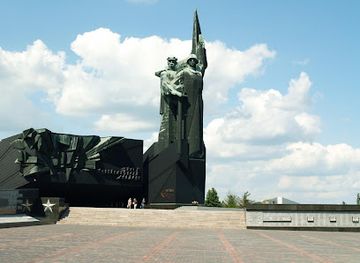
Donetsk's built landmarks express its industrial origins and twentieth-century civic ambitions. The Donetsk Academic State Opera and Ballet Theatre is a major cultural building and one of the city's best-known public institutions, while the monument to John Hughes recalls the Welsh founder whose ironworks helped create Yuzovka. The Donbas Arena represented the city's modern sporting identity when it opened in 2009, though the stadium was damaged during the conflict. Pushkin Boulevard forms a recognisable landscaped axis through the centre, and the Forged Figures Park gives visible form to the region's metalworking traditions. Coal-related industrial sites, workers' districts and broad Soviet avenues complete the historical picture. Their condition, accessibility and present administrative status cannot be safely assumed, and the city is not currently suitable for landmark-focused tourism.
-
City park
Park Shcherbakova
Explore Park Shcherbakova in Donetsk, a stunning city park perfect for relaxation, nature walks, and family outings amidst vibrant greenery.
11 min drive · 3.6 km from city centre
-
Market
Central Market
Experience the heart of Donetsk at Central Market, where local culture, delicious food, and vibrant shopping come together in a unique atmosphere.
5 min drive · 1.5 km from city centre
-
Park
City Park of Culture and Recreation
Explore the City Park of Culture and Recreation in Donetsk, a beautiful urban oasis perfect for relaxation, recreation, and cultural experiences.
10 min walk · 0.8 km from city centre
-
Park
Park of Slavic Culture and Literature
Explore the Park of Slavic Culture and Literature in Donetsk - a green haven blending nature with the richness of Slavic heritage.
14 min drive · 4.7 km from city centre
Explore Donetsk on the map
Plan your Donetsk trip on one map. See where the top attractions, landmarks, restaurants, bars and hotels are, find what's near where you're staying, and book hotels and experiences in a few clicks.
Best hotels in Donetsk
Best restaurants in Donetsk
Donetsk's pre-war food culture reflected the wider cuisine of eastern Ukraine, with home-style dishes such as varenyky, deruny, borshch, holubtsi, pampushky and salo appearing alongside hearty meat, grain and pickled-vegetable dishes associated with the industrial Donbas. Russian, Ukrainian, Jewish, Greek and broader Soviet culinary influences shaped the city's cafés, canteens, bakeries and restaurants, while central streets supported more contemporary dining. Markets and everyday food shops were often more revealing of local habits than formal restaurants, particularly through seasonal produce, bread and preserved foods. The present dining scene cannot be reliably described: businesses, supply chains, payment systems and opening arrangements have been affected by war and occupation, and no restaurant should be assumed to be operating or safe to visit. These culinary references are therefore historical and cultural context rather than current recommendations.
-
Pan Asian
Adachy
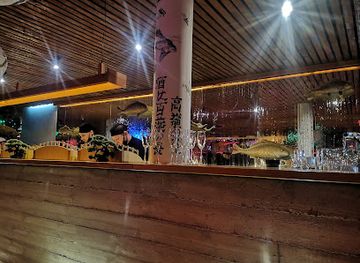
Discover the exquisite flavors of Asia at Adachy, Donetsk's premier Pan-Asian restaurant with an inviting ambiance and diverse menu.
5 min drive · 1.6 km from city centre
-
Brewery
Sun City Ukraine
Experience the best of local brews and gourmet pizzas at Sun City Ukraine in Donetsk—a culinary gem not to be missed!
8 min walk · 0.6 km from city centre
-
Restaurant
Beerstown
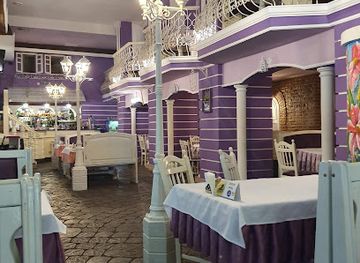
Experience the vibrant brew culture at Beerstown - where delicious food meets craft beer in Donetsk's lively dining scene.
27 min drive · 9.1 km from city centre
-
Restaurant
ЧачаПури
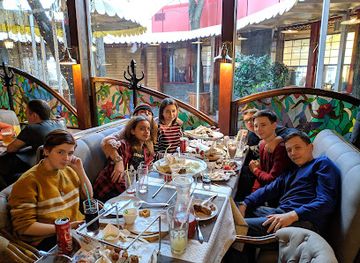
Experience authentic Ukrainian cuisine at ЧачаПури in Donetsk – where every meal tells a story.
16 min walk · 1.3 km from city centre
Best bars in Donetsk
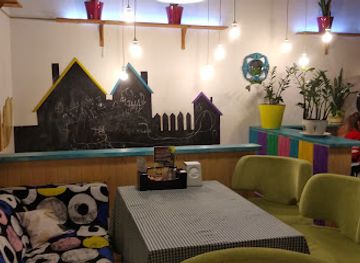
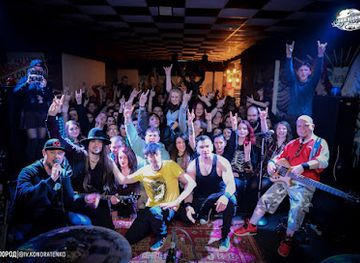
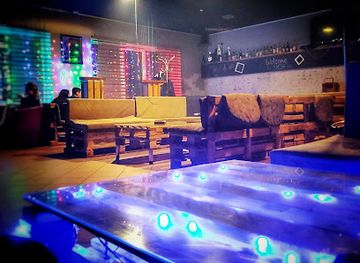
Before 2014, Donetsk had a modest but varied evening scene concentrated in the central districts, with cafés, pubs, restaurants, live performances and nightlife associated with the city's theatres and football culture. The Opera and Ballet Theatre provided a more formal cultural evening, while central pedestrian areas and entertainment venues offered social spaces for residents and visitors. The Donbas Arena and major sporting events also shaped the city's public life after dark. War, occupation, infrastructure damage, restrictions and economic disruption have made current nightlife impossible to assess reliably. There is no responsible basis for presenting particular bars, clubs or opening areas as available to tourists, and visitors should not enter the city to seek entertainment while official travel warnings and active security risks remain.
-
Brewpub
Yuzivska Pyvovarnia
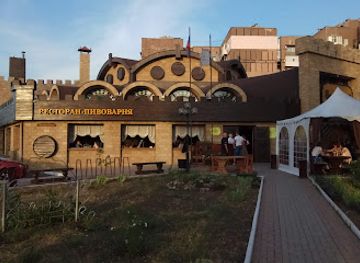
Discover the vibrant flavors of Donetsk at Yuzivska Pyvovarnia, where craft beer meets hearty cuisine in a warm and inviting atmosphere.
5 min drive · 1.6 km from city centre
-
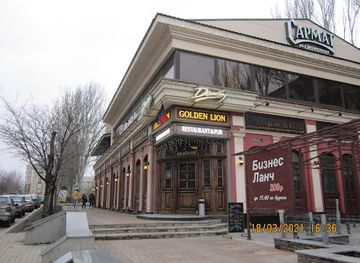
Irish pub
Golden Lion
Discover the Golden Lion, an authentic Irish pub in Donetsk, where traditional cuisine meets lively atmosphere and warm hospitality.
7 min drive · 2.3 km from city centre
-
Bar
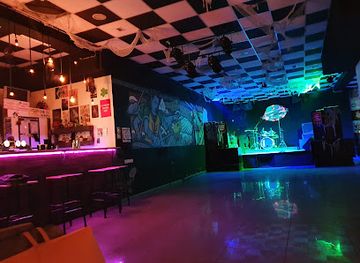
Underground Stage Party Bar
Discover the Underground Stage Party Bar, a vibrant nightlife venue in Donetsk, blending live music, art, and a unique atmosphere.
9 min drive · 3.1 km from city centre
-
Bar
Берлога
Explore the lively atmosphere of Берлога, a must-visit bar in Donetsk for a taste of local nightlife and culture.
10 min drive · 3.3 km from city centre
Best nightclubs in Donetsk
Before 2014, Donetsk had a modest but varied evening scene concentrated in the central districts, with cafés, pubs, restaurants, live performances and nightlife associated with the city's theatres and football culture. The Opera and Ballet Theatre provided a more formal cultural evening, while central pedestrian areas and entertainment venues offered social spaces for residents and visitors. The Donbas Arena and major sporting events also shaped the city's public life after dark. War, occupation, infrastructure damage, restrictions and economic disruption have made current nightlife impossible to assess reliably. There is no responsible basis for presenting particular bars, clubs or opening areas as available to tourists, and visitors should not enter the city to seek entertainment while official travel warnings and active security risks remain.
-
 Night club
Shakhtar Plaza
Experience the vibrant nightlife and diverse offerings at Shakhtar Plaza in Donetsk, a perfect blend of entertainment, dining, and relaxation.
3 min walk · 0.2 km from city centre
-
Cafe
Базилик - Кафе & Доставка еды
Experience the best of Donetsk's culinary scene at Basilico Cafe, offering delicious fast food, family-friendly dining, and vibrant entertainment.
28 min drive · 9.2 km from city centre
-
Bar
Underground Stage Party Bar
Experience the pulsating nightlife at the Underground Stage Party Bar in Donetsk, where live music and vibrant crowds create unforgettable evenings.
9 min drive · 3.1 km from city centre
-
Bar
Shishka bar
Discover the vibrant nightlife at Shishka Bar in Donetsk, where great drinks, music, and a unique atmosphere come together.
23 min drive · 7.7 km from city centre
Best shops in Donetsk
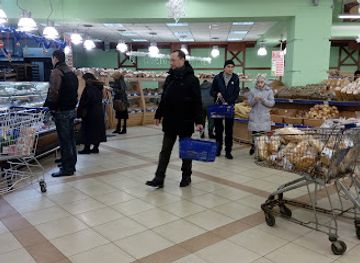
Pre-war Donetsk combined ordinary Ukrainian retail with the commercial character of a large industrial regional centre. Artema Street and central districts contained department stores, cafés, specialist shops and modern retail complexes, while markets supplied clothing, household goods, seasonal produce and everyday food. Visitors could find Ukrainian food products, embroidered items, ceramics and small metal crafts alongside imported consumer goods, although the city was not principally known for a single signature souvenir tradition. The war and occupation have disrupted commerce, banking, supply chains and retail access, so current shops, markets and payment arrangements cannot be verified. Shopping descriptions in older material should be treated as historical context only, not as an indication that particular businesses or districts are open, reachable or appropriate for visitors.
-
Amusement center
Donetsk City
Experience the thrill and excitement of Donetsk City, an amusement center offering fun-filled attractions and cultural insights for all ages.
17 min walk · 1.4 km from city centre
-
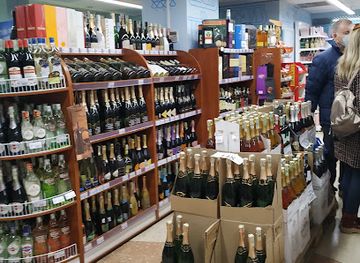
Supermarket
Hercules
Explore Hercules Supermarket in Donetsk for a unique shopping experience with local and international products.
10 min walk · 0.8 km from city centre
-
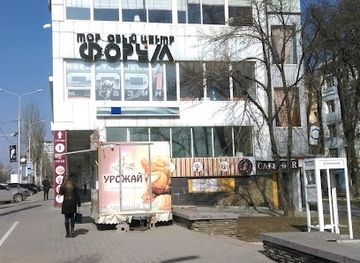
Shopping mall
Forum
Discover Donetsk's Forum Shopping Mall, a vibrant shopping destination filled with retail delights, delicious dining, and entertainment options for every visitor.
14 min walk · 1.1 km from city centre
-
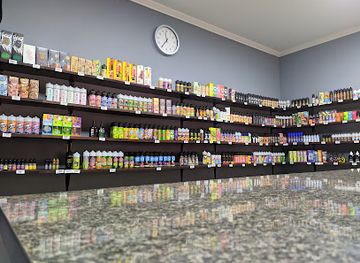
Vaporizer store
Vape shop OBLAKA
Discover the vibrant vape culture at Vape Shop OBLAKA in Donetsk, where quality meets community for an unforgettable experience.
16 min walk · 1.3 km from city centre
Get your free copy of our complete guide to Donetsk, delivered straight to you.
Everything on this page, from attractions and restaurants to essentials and local phrases, in one PDF you can read offline, print or share.
Already have an account? Sign in
Your Donetsk guide is ready.
We'll send it to · Not you? Sign out

Getting your guide ready…
We are putting together a fresh copy of the Donetsk guide. This can take up to a minute.
This can take a few moments. If your browser asks, choose Allow so the download can start. You'll find the guide in your Downloads folder.
Nothing happened? Download it again
Sorry, the guide is taking longer than usual. Please try again in a minute, or get it by email instead.
Donetsk essentials
Currency and Payment
Safety
Emergency Situations
Do's and Don'ts
Local Tips
From Eve
Local phrases worth knowing
You don't need to get them perfect. A few words go a long way, and locals appreciate the effort.
Basics
| English | Local | Say it |
|---|---|---|
| Hello | Привіт | [Privit] |
| Goodbye | До побачення | [Do pobachennya] |
| Yes | Так | [Tak] |
| No | Ні | [Ni] |
| Please/You're welcome | Будь ласка | [Bud laska] |
| Thank you | Дякую | [Dyakuyu] |
| Excuse me/Sorry | Вибачте | [Vybachte] |
| How are you? | Як ви? | [Yak vi?] |
| Fine. And you? | Добре. А ви? | [Dobre. A vi?] |
| Do you speak English? | Ви говорите англійською? | [Vy hovoryte anhliysʹkoyu?] |
| I don't understand | Я не розумію | [Ya ne rozumiyu] |
Eating & Drinking
| English | Local | Say it |
|---|---|---|
| I'd like to see the menu, please | Я б хотів подивитися меню, будь ласка | [Ya b khotiv podyvytysya menyoo, bud laska] |
| I don't eat meat | Я не їм м'ясо | [Ya ne yim m'yaso] |
| Cheers! | Будьмо! | [Budʹmo!] |
| I would like to pay, please | Я б хотів розрахуватися, будь ласка | [Ya b khotiv rozrakhuvatysya, bud laska] |
Emergencies
| English | Local | Say it |
|---|---|---|
| Help! | Допоможіть! | [Dopomozhitʹ!] |
| Go away! | Піди геть! | [Pidi hetʹ!] |
| Call the Police! | Викличте поліцію! | [Vyklіchte polіtsіyu!] |
| Call a doctor! | Викличте лікаря! | [Vyklіchte lіkarya!] |
| I'm lost | Я загубився | [Ya zahubivsya] |
| I'm ill | Я хворий | [Ya khvoryy] |
Shopping
| English | Local | Say it |
|---|---|---|
| I'd like to buy... | Я б хотів купити... | [Ya b khotiv kupity...] |
| I'm just looking | Я просто дивлюсь | [Ya prosto dyvlyusʹ] |
| How much is it? | Скільки це коштує? | [Skilʹky tse koshtuye?] |
| That's too expensive | Це занадто дорого | [Tse zanadto doroho] |
| Can you lower the price? | Чи можете ви знизити ціну? | [Chy mozhete vy znyzyty tsinu?] |
Time & Numbers
| English | Local | Say it |
|---|---|---|
| What time is it? | Котра година? | [Kotra hodyna?] |
| It's one o'clock | Одна година | [Odna hodyna] |
| Half past (10) | Пів на одинадцяту | [Piv na odynadtsyatu] |
| Morning | Ранок | [Ranok] |
| Afternoon | День | [Denʹ] |
| Evening | Вечір | [Vechir] |
| Yesterday | Вчора | [Vchora] |
| Today | Сьогодні | [Sʹohodni] |
| Tomorrow | Завтра | [Zavtra] |
| 1 | один | [odyn] |
| 2 | два | [dva] |
| 3 | три | [try] |
| 4 | чотири | [chotyry] |
| 5 | п'ять | [pyatʹ] |
| 6 | шість | [shistʹ] |
| 7 | сім | [sim] |
| 8 | вісім | [visim] |
| 9 | дев'ять | [dev'yatʹ] |
| 10 | десять | [desyatʹ] |
Transport & Directions
| English | Local | Say it |
|---|---|---|
| Where's a/the...? | Де є...? | [De ye...?] |
| What's the address? | Яка адреса? | [Yaka adresa?] |
| Can you show me (on the map)? | Чи можете ви показати мені (на мапі)? | [Chy mozhete vy pokazaty meni (na mapi)?] |
| When's the next (bus)? | Коли наступний (автобус)? | [Koly nastupnyy (avtobus)?] |
| A ticket (to ....) | Квиток (до ....) | [Kvytok (do ....)] |
History of Donetsk
From Steppe Settlement to Yuzovka
The area around modern Donetsk lay within the wider steppe zone of southern-eastern Europe, shaped over centuries by pastoral movement, imperial frontier policies and the growth of mining settlements. A settlement associated with Oleksandrivka existed before the industrial town emerged, but the decisive transformation came in the 1860s, when Welsh industrialist John Hughes secured a concession from the Russian Empire to establish an ironworks and coal operation. The works began production in 1872, and the settlement that grew around them became known as Yuzovka, after Hughes. Its population included workers, engineers and merchants drawn from different parts of the empire and from abroad, giving the new industrial community a socially mixed character.
Coal, Steel and Imperial Industry
Yuzovka expanded rapidly as coal extraction and metallurgy developed across the Donbas. Railways connected the works with markets and raw-material sources, while mines, factories, workers' housing, shops and administrative buildings formed a distinctly industrial urban landscape. The town's growth reflected the Russian Empire's late nineteenth-century drive to modernise heavy industry, although working conditions were demanding and social inequality was pronounced. Industrial employment attracted Ukrainian, Russian, Greek, Jewish and other communities, helping create the multilingual and culturally diverse society that later characterised the city. The coalfield also fixed Donetsk's economic identity for generations, linking prosperity, employment and urban development to a resource-intensive industrial economy.
Revolution and the Soviet Transformation
The upheavals of 1917 and the subsequent civil-war period disrupted industry and political authority throughout the Donbas. After the establishment of Soviet rule, the city became part of the Ukrainian Soviet Socialist Republic and was renamed Stalino in 1924. During the 1930s, forced industrialisation accelerated coal production, steelmaking and urban construction, while collectivisation and political repression brought severe social consequences across the surrounding region. The city was heavily affected by the Second World War: German occupation and fighting damaged industrial facilities and public infrastructure, after which Soviet authorities rebuilt and expanded Stalino as a major centre of heavy industry.
Reconstruction and Late Soviet Donetsk
Post-war reconstruction brought new mines, factories, apartment districts, public institutions and broad planned avenues. In 1961 the city was renamed Donetsk as part of the Soviet Union's de-Stalinisation programme. Its urban identity increasingly combined industrial prestige with civic culture: theatres, museums, higher-education institutions and sports organisations developed alongside the coal sector. The Donetsk Academic State Opera and Ballet Theatre became a major cultural institution, while football grew into a powerful source of local identity. Soviet housing estates extended far beyond the older industrial core, giving the city the spacious, planned form visible in much of its twentieth-century architecture.
Independence and a New Civic Identity
When Ukraine became independent in 1991, Donetsk remained one of the country's principal industrial and population centres. Coal mining continued to influence employment and politics, while private business, shopping complexes, parks and cultural institutions changed the appearance of central districts. Shakhtar Donetsk became internationally prominent, and the opening of the Donbas Arena in 2009 symbolised the city's attempt to present itself as a modern European sporting centre. Donetsk also hosted matches during the UEFA European Championship in 2012, an event that brought international attention and substantial urban investment before the region's political crisis.
War, Occupation and Displacement
Armed conflict reached Donetsk in 2014 after Russia-backed separatists seized government buildings and proclaimed the self-declared Donetsk People's Republic. Ukrainian government forces lost control of the city, and Donetsk has remained under de facto Russian occupation since then. The Donetsk airport complex was destroyed during intense fighting, while many residents were displaced and cultural and civic institutions were separated from Ukrainian state structures. Russia announced the attempted annexation of Donetsk region in 2022, a step not recognised by Ukraine or most of the international community. The war has made the city's present-day civic life, population, built heritage and cultural memory deeply contested.
Donetsk in Photos
Browse through our photo collection highlighting the charm and character of the destination.
Cities near Donetsk
The closest cities to Donetsk, if you have time for more than one stop.
-

-

-

-

-


Swipe for more cities
Explore more

Explore more of Ukraine
Explore Ukraine: From Kyiv's golden domes to the Carpathian Mountains, discover a country rich in history, culture, and natural beauty in the heart of Eastern Europe.
Explore Ukraine