

Lychakiv (Lviv) Travel Guide - Free
Explore Lychakiv in Lviv with Evendo's free guide. Find the best shops, historic streets, restaurants, and gems on web or mobile.


Lychakiv in Lviv pairs historic cemeteries, leafy hills, wooden churches and Shevchenkivskyi Hai for culture, walks and eastern-city views.
A Historic Eastern Quarter
Lychakiv stretches east and south-east of Lviv’s old centre, where the dense medieval city gives way to leafy slopes, long residential streets and open ground. Its name is closely associated with the former suburb that developed beyond the historic city walls, and the area still feels more spacious and local than the central quarters. Lychakivska Street forms its principal urban spine, linking tram corridors, everyday shops and cafés with the cemetery district and the rising roads towards the city’s wooded outskirts.Read more about Lychakiv
Cemeteries, Parks and Memory
Village Traditions Inside the City
Best attractions in Lychakiv
Lychakiv’s principal attractions are its historic cemetery, green spaces and open-air cultural landscape. Lychakiv Cemetery occupies a broad hillside of tree-lined avenues, sculpted tombs, chapels and memorials associated with successive communities of Lviv, while its military and national memorial areas add further layers of twentieth-century history. Nearby Lychakiv Park provides a less formal setting for a walk, with paths and mature trees linking the urban district to the cemetery surroundings. At the greener edge of the neighbourhood, the Museum of Folk Architecture and Rural Life, widely known as Shevchenkivskyi Hai, spreads historic wooden houses, churches, mills and farm buildings through woodland and meadow. Lychakivska Street itself is worth exploring for its mixture of transport corridors, older residential architecture, local shops and views towards the rising eastern slopes.
-
Museum
Museum-Arsenal
Delve into Lviv's military history at the Museum-Arsenal, showcasing an impressive collection of historical arms and artifacts.
11 min drive · 3.6 km from neighbourhood centre
-
Museum
Muzeyno-Kulʹturnyy Kompleks Pyvnoyi Istoriyi - Lʹvivarnya
Explore Lviv's rich brewing heritage at Lvivarnya, a captivating museum celebrating the art and culture of beer in the heart of the city.
15 min drive · 5.1 km from neighbourhood centre
-
Observation deck
Union of Lublin Mound
Discover the stunning views of Lviv from the Union of Lublin Mound, an iconic observation deck steeped in history and cultural significance.
11 min drive · 3.6 km from neighbourhood centre
-
Cemetery
Lychakiv Cemetery
Explore Lychakiv Cemetery in Lviv, a historical landmark and open-air museum showcasing the beauty and stories of the city's past.
6 min drive · 2.0 km from neighbourhood centre


Best landmarks in Lychakiv
Lychakiv Cemetery is the neighbourhood’s defining landmark, both for its scale and for the way its architecture records Lviv’s changing political and cultural history. Established in 1786, it contains avenues of family tombs, sculptural memorials and chapels set among mature trees, with sections connected to Polish, Ukrainian and other communities. The neighbouring military memorial landscapes add a more recent layer to the site’s historical record. Lychakivska Street is another important landmark in practical terms: its tram line and long urban approach preserve the route by which the eastern suburb became linked to the city. At the edge of the district, Shevchenkivskyi Hai is marked by relocated wooden churches, cottages and rural buildings, whose construction traditions represent villages across western Ukraine rather than a single Lviv building style.
-
Fortress
Powder Tower
Discover Lviv’s rich history at the majestic Powder Tower, a fortress that showcases the city’s architectural beauty and storied past.
11 min drive · 3.6 km from neighbourhood centre
-
Cemetery
Lychakiv Cemetery
Explore Lychakiv Cemetery, Lviv's historical gem, where art and history intertwine in a tranquil setting of beautifully crafted tombstones.
6 min drive · 2.0 km from neighbourhood centre
-
Historical landmark
Mykhailo Hrushevskyi Monument
Discover the Mykhailo Hrushevskyi Monument, a historical landmark celebrating Ukraine's national hero in the heart of vibrant Lviv.
11 min drive · 3.7 km from neighbourhood centre
-
War memorial
Field of Mars
Discover the Field of Mars in Lviv, a serene war memorial honoring courage and sacrifice amidst beautiful landscapes.
6 min drive · 2.0 km from neighbourhood centre


Explore Lychakiv on the map
A handpicked selection of must-see spots in Lychakiv, mapped for you.
Best hotels in Lychakiv
Best restaurants in Lychakiv
Lychakiv’s dining scene is modest and primarily local in scale, reflecting its role as a residential district rather than a concentrated restaurant quarter. Along Lychakivska Street and the surrounding streets, visitors find everyday cafés, bakeries and casual Ukrainian dining, with the most useful stops tending to be near tram connections and busy neighbourhood junctions. Food is generally more practical than theatrical: soups, varenyky, deruny, baked goods and familiar Galician dishes are more characteristic than a dedicated fine-dining circuit. Small shops and cafés can be useful before or after a visit to Lychakiv Cemetery, while the outer approach to Shevchenkivskyi Hai has fewer dependable choices. For a broader selection of restaurants, the central districts are nearby by tram or taxi, but eating in Lychakiv offers a more ordinary view of Lviv’s daily rhythms.
-
Ukrainian
Kryivka
Discover Kryivka in Lviv: An enchanting underground restaurant serving traditional Ukrainian cuisine amidst rich historical ambiance.
11 min drive · 3.8 km from neighbourhood centre
-
Restaurant
Baczewski Restaurant
Experience the essence of Ukrainian cuisine at Baczewski Restaurant in Lviv – where tradition meets innovation.
12 min drive · 4.0 km from neighbourhood centre
-
Restaurant
Atlas
Experience the rich flavors of Ukrainian cuisine at Atlas Café in Lviv's picturesque Rynok Square.
11 min drive · 3.8 km from neighbourhood centre
-
Restaurant
36 Po
Experience the best of Lviv's culinary scene at 36 Po – where tradition meets innovation in every dish.
12 min drive · 3.9 km from neighbourhood centre


Best bars in Lychakiv
Lychakiv is not one of Lviv’s principal nightlife districts, and its evenings are generally quieter than those around the central squares and bar streets. The local offer is centred on neighbourhood cafés, informal bars and restaurants rather than a dense concentration of clubs or late-night venues. Lychakivska Street provides the most practical evening corridor, but many visitors use the area for a cemetery or park walk during the day and continue into central Lviv for live music, cocktail bars and larger entertainment venues. After dark, the cemetery and woodland paths are not suitable for leisurely sightseeing, especially in poor weather. Those staying locally should favour well-lit main streets and check current transport information before returning from the centre.
-
Pub
Good Friend
Experience the best of Lviv's craft beer scene at Good Friend, a lively pub offering an extensive selection of local brews and a welcoming ambiance.
12 min drive · 4.0 km from neighbourhood centre
-
Pub
White Lion
Experience the vibrant atmosphere of White Lion, a top pub in Lviv known for its craft beers, live music, and delicious Ukrainian cuisine.
12 min drive · 4.0 km from neighbourhood centre
-
Bar
Music Lab
Discover the lively Music Lab in Lviv, a vibrant bar offering eclectic music and refreshing drinks, perfect for a memorable night out.
11 min drive · 3.7 km from neighbourhood centre
-
Pub
Drunken duck
Experience the heart of Lviv's brewpub culture at Drunken Duck, where craft beer meets traditional Ukrainian cuisine in a lively setting.
11 min drive · 3.6 km from neighbourhood centre


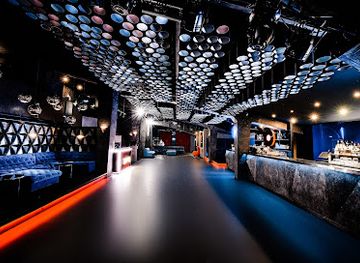
Best nightclubs in Lychakiv
Lychakiv is not one of Lviv’s principal nightlife districts, and its evenings are generally quieter than those around the central squares and bar streets. The local offer is centred on neighbourhood cafés, informal bars and restaurants rather than a dense concentration of clubs or late-night venues. Lychakivska Street provides the most practical evening corridor, but many visitors use the area for a cemetery or park walk during the day and continue into central Lviv for live music, cocktail bars and larger entertainment venues. After dark, the cemetery and woodland paths are not suitable for leisurely sightseeing, especially in poor weather. Those staying locally should favour well-lit main streets and check current transport information before returning from the centre.
-
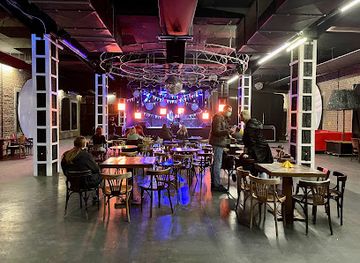
Night club
Клуб на !FESTrepublic
Dive into the vibrant nightlife of Lviv at Клуб на !FESTrepublic, a top destination for live music and unforgettable dance experiences.
9 min drive · 3.1 km from neighbourhood centre
-
Concert hall
Malevich Concert Arena
Discover the heart of Lviv's music scene at Malevich Concert Arena, where unforgettable performances meet an electrifying nightlife experience.
13 min drive · 4.4 km from neighbourhood centre
-
Restaurant
Gallery Night Club
Discover the vibrant nightlife at Gallery Night Club, Lviv's top spot for delicious dining, engaging entertainment, and unforgettable karaoke experiences.
12 min drive · 4.1 km from neighbourhood centre
-
Adult entertainment club
The White Rabbit
Discover Lviv's nightlife at The White Rabbit, an adult entertainment club with a vibrant hookah bar for a unique evening out.
11 min drive · 3.8 km from neighbourhood centre


Best shops in Lychakiv
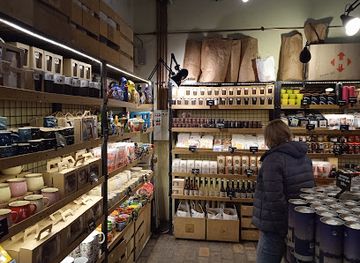
Shopping in Lychakiv is mainly practical and neighbourhood-based, with convenience shops, bakeries, pharmacies and small food retailers concentrated along Lychakivska Street and around local transport stops. The district does not have the specialist boutiques, department stores or large market culture associated with Lviv’s central areas. Visitors may find useful picnic supplies before heading to Lychakiv Park or Shevchenkivskyi Hai, and local bakeries provide an easy introduction to everyday Ukrainian snacks and breads. The open-air museum sometimes provides a cultural retail context through traditional craft demonstrations or locally themed items, although stock and activities can vary. For Ukrainian handicrafts, antiques, books and a wider range of souvenirs, the central city remains the more reliable destination rather than Lychakiv itself.
-
Shopping mall
Forum Lviv
Discover a vibrant shopping experience at Forum Lviv, where style meets flavor in the heart of Lviv.
14 min drive · 4.7 km from neighbourhood centre
-
Chocolate shop
Lviv Handmade Chocolate
Discover the magic of handmade chocolates and artisan coffees at Lviv Handmade Chocolate, the sweetest destination for tourists in Lviv.
11 min drive · 3.7 km from neighbourhood centre
-
Shopping mall
Roksolana
Discover the vibrant shopping experience at Roksolana in Lviv, where fashion meets family-friendly fun in a modern setting.
11 min drive · 3.6 km from neighbourhood centre
-
Produce market
Krakivsky Market
Discover the heart of Lviv at Krakivsky Market, where fresh produce and local delicacies create a vibrant shopping experience for every traveler.
15 min drive · 4.9 km from neighbourhood centre



Lychakiv essentials
Getting There
Getting Around
Safety
Emergency Situations
Do's and Don'ts
Local Tips

From Eve
Local phrases worth knowing
You don't need to get them perfect. A few words go a long way, and locals appreciate the effort.
Basics
| English | Local | Say it |
|---|---|---|
| Hello | Привіт | [pryvit] |
| Goodbye | До побачення | [do pobachennya] |
| Yes | Так | [tak] |
| No | Ні | [ni] |
| Please/You're welcome | Будь ласка | [budʲ laska] |
| Thank you | Дякую | [dyakuyu] |
| Excuse me/Sorry | Вибачте | [vybachte] |
| How are you? | Як справи? | [yak spravy?] |
| Fine. And you? | Добре. А ви? | [dobre. A vy?] |
| Do you speak English? | Ви говорите англійською? | [vy hovoryte anhliysʲkoyu?] |
| I don't understand | Я не розумію | [ya ne rozumiyu] |
Eating & Drinking
| English | Local | Say it |
|---|---|---|
| I'd like to see the menu, please | Я б хотів подивитися меню, будь ласка | [ya b khotiv podyvytysya menyoo, budʲ laska] |
| I don't eat meat | Я не їм м'ясо | [ya ne yim m'yaso] |
| Cheers! | На здоров'я! | [na zdorov'ya] |
| I would like to pay, please | Я б хотів заплатити, будь ласка | [ya b khotiv zaplatyty, budʲ laska] |
Emergencies
| English | Local | Say it |
|---|---|---|
| Help! | Допоможіть! | [dopomozhitʲ] |
| Go away! | Піди геть! | [pidy hetʲ] |
| Call the Police! | Викличте поліцію! | [vyklychte politsiyu!] |
| Call a doctor! | Викличте лікаря! | [vyklychte likarya!] |
| I'm lost | Я загубився | [ya zahubyvsya] |
| I'm ill | Я хворий | [ya khvoryy] |
Shopping
| English | Local | Say it |
|---|---|---|
| I'd like to buy... | Я б хотів купити... | [ya b khotiv kupity...] |
| I'm just looking | Я просто дивлюсь | [ya prosto dyvlyusʲ] |
| How much is it? | Скільки це коштує? | [skilʲky tse koshtuye?] |
| That's too expensive | Це занадто дорого | [tse zanadto doroho] |
| Can you lower the price? | Чи можете ви знизити ціну? | [chy mozhete vy znyzyty tsinu?] |
Time & Numbers
| English | Local | Say it |
|---|---|---|
| What time is it? | Котра година? | [kotra hodyna?] |
| It's one o'clock | Одна година | [odna hodyna] |
| Half past (10) | Пів на (десять) | [piv na (desyatʲ)] |
| Morning | Ранок | [ranok] |
| Afternoon | День | [denʲ] |
| Evening | Вечір | [vechir] |
| Yesterday | Вчора | [vchora] |
| Today | Сьогодні | [sʲohodni] |
| Tomorrow | Завтра | [zavtra] |
| 1 | Один | [odyn] |
| 2 | Два | [dva] |
| 3 | Три | [try] |
| 4 | Чотири | [chotyry] |
| 5 | П'ять | [p'yatʲ] |
| 6 | Шість | [shistʲ] |
| 7 | Сім | [sim] |
| 8 | Вісім | [visim] |
| 9 | Дев'ять | [dev'yatʲ] |
| 10 | Десять | [desyatʲ] |
Transport & Directions
| English | Local | Say it |
|---|---|---|
| Where's a/the...? | Де є...? | [de ye...?] |
| What's the address? | Яка адреса? | [yaka adresa?] |
| Can you show me (on the map)? | Чи можете ви показати мені (на мапі)? | [chy mozhete vy pokazaty meni (na mapi)?] |
| When's the next (bus)? | Коли наступний (автобус)? | [koly nastupnyy (avtobus)?] |
| A ticket (to ....) | Квиток (до ....) | [kvitok (do ....)] |
History of Lychakiv
The Suburb Beyond the Walls
Lychakiv developed east of Lviv’s historic fortified centre as a suburban area of roads, gardens, smallholdings and scattered settlement. The name is generally linked to the German-derived name Lützelhof, associated with a medieval estate or locality in this part of the city, although the exact early history of the name is not entirely straightforward. By the early modern period, the route now represented by Lychakivska Street connected the city with settlements and estates beyond its walls. The area’s distance from the crowded centre allowed it to retain a more open, semi-rural character while gradually becoming part of Lviv’s expanding urban landscape.
A Cemetery Created by Reform
Lychakiv Cemetery was established in 1786, after the Habsburg government introduced reforms that moved burial grounds away from densely settled urban areas. Over the nineteenth century it became the principal cemetery for many of Lviv’s communities and social classes, acquiring avenues, family tombs, chapels and sculpted monuments amid mature planting. The cemetery’s inscriptions and funerary art reflect the city’s Polish, Ukrainian, Jewish, Armenian and other Central European histories, although later political borders and population movements changed the meaning and ownership of many graves. Its development helped give Lychakiv a lasting identity as a district of memory and monumental landscape.
Urban Growth and a Changing City
During the nineteenth and early twentieth centuries, Lychakiv was drawn more firmly into Lviv’s urban network as roads, public transport and new housing extended eastwards. Villas, modest residential buildings and institutional sites appeared alongside older gardens and agricultural land, while Lychakivska Street became a busy approach to the centre. The district was affected by the upheavals that transformed Lviv during and after the First and Second World Wars, including the Holocaust, border changes and the displacement of much of the city’s Polish population. These changes are especially visible in the cemetery, where memorials from different periods stand beside one another.
Open-Air Heritage on the Hills
The wooded eastern edge gained a major cultural institution with the creation of the Museum of Folk Architecture and Rural Life, known as Shevchenkivskyi Hai, which opened in 1971. Its collection of relocated wooden houses, churches, farm buildings and village structures from western Ukraine created an open-air museum rather than a conventional urban gallery. The site connected Lychakiv with the architectural traditions of the wider region and preserved buildings threatened by modernisation. Today, the museum and the surrounding green slopes form an important counterpart to the formal memorial landscape of Lychakiv Cemetery.
Lychakiv in Photos
Browse through our photo collection highlighting the charm and character of the destination.
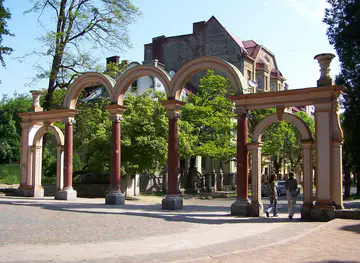
Neighbourhoods near Lychakiv
The closest neighbourhoods to Lychakiv, if you have time for more than one stop.
-

-
-


Swipe for more neighbourhoods
Explore more

Explore more of Lviv
Lviv, Ukraine, pairs UNESCO-listed historic streets with Austro-Hungarian architecture, coffeehouses, museums and Galician culture near Poland's border.
Explore Lviv