
Big Ben Travel Guide
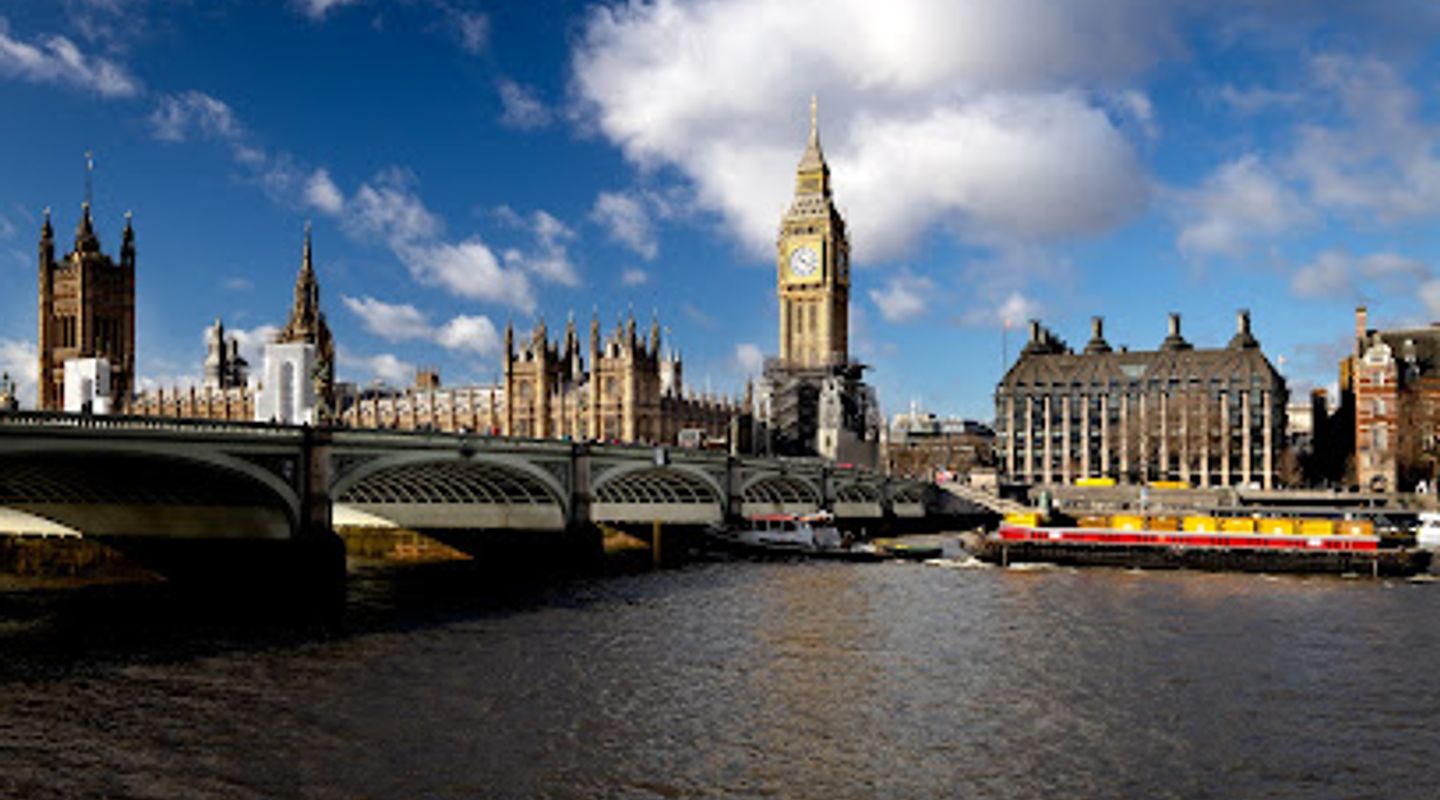
Discover the timeless grandeur of Big Ben and the Elizabeth Tower, London’s iconic Gothic Revival masterpiece and resonant symbol of British heritage.
The Origins and Naming of the Tower
The tower now known as the Elizabeth Tower was originally called the Clock Tower when it was completed in 1859 as part of the Palace of Westminster’s reconstruction after a devastating fire in 1834. In 2012, it was renamed to honor Queen Elizabeth II’s Diamond Jubilee, aligning it with the Victoria Tower at the palace’s southern end. Despite this official name, the tower is popularly and universally called Big Ben, a nickname that actually refers to the Great Bell housed within. Theories about the bell’s nickname include it being named after Sir Benjamin Hall, a large and boisterous Commissioner of Works, or possibly after a heavyweight boxing champion of the era.[1][2][3][4]Architectural Grandeur and Design Details
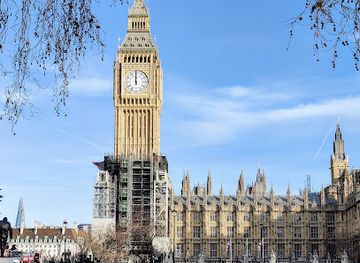
Designed by Augustus Pugin in the Gothic Revival style, the Elizabeth Tower rises 96 meters (316 feet) high, making it the third-tallest clock tower in Britain. Its four clock faces sit 54.9 meters (180 feet) above ground, each composed of 324 pieces of opal glass held within cast iron frames, totaling 1,292 glass pieces. The minute hands measure 14 feet long—comparable to the height of a giraffe—while the hour hands are nearly 9 feet, about the size of an ostrich. The tower’s stone carvings and decorations include symbols representing the four countries of the United Kingdom and the Tudor dynasty, reflecting its rich historical context.[1][3]The Bells and Their Enduring Sound
Big Ben is the largest of five bells inside the tower, weighing approximately 13.7 tonnes. Unlike many might assume, the bells do not swing; instead, they are fixed and struck from the outside by hammers, producing the iconic chimes that have become synonymous with London. The Great Bell sounds an E-natural note and has famously continued to chime through historic events, including sustaining minimal damage during World War II bombings. The bell’s journey to the tower was a feat in itself, transported on a trolley pulled by sixteen horses and hoisted 61 meters to the belfry.[1][3]Visiting and Experiencing the Tower
Visitors can climb the Elizabeth Tower, though access is restricted to UK residents who must arrange tours through their Members of Parliament. The climb involves ascending 399 steps to reach the clock faces, the bell chamber, and the Ayrton Light—a lantern that illuminates the clock faces when Parliament is in session. The tower underwent extensive restoration for five years, reopening to the public in 2023. Standing beneath the tower, hearing the resonant chimes, and observing the intricate clockwork offers a unique connection to London’s historical and cultural heritage.[1][2]The Tower’s Symbolic and Cultural Significance
Beyond its architectural and mechanical marvels, the Elizabeth Tower and Big Ben symbolize British resilience and tradition. The tower’s chimes mark significant moments and parliamentary sessions, while its silhouette dominates the London skyline near Westminster Abbey and the Houses of Parliament. It embodies the continuity of governance and the nation’s identity, making it a must-see landmark that captures both the past and present of London.Fun Facts and Lesser-Known Details
The tower has held several informal names over time, including the Clock Tower and even the incorrect St Stephen’s Tower. The Ayrton Light atop the tower is a unique feature that signals when Parliament is sitting. Despite its fame, the bells do not swing but are struck by external hammers, and the clock faces are made of hundreds of individual glass pieces. The tower’s height is equivalent to stacking 21 London buses, emphasizing its monumental scale in the cityscape.[1][4]A brief summary to Big Ben
- London, SW1A 0AA, GB
- Click to display
- Click to display

Know before you go
Hi, I'm Eve. Here are a few practical things to know before exploring Big Ben.
- Book tours of the Elizabeth Tower well in advance through a UK Member of Parliament, as public access is limited.
- Visit at different times of day to experience the tower’s chimes and see the clock faces illuminated at night.
- Explore nearby landmarks like Westminster Abbey and the Houses of Parliament to enrich your visit.
- Wear comfortable shoes if you plan to climb the 399 steps inside the tower.
Do you manage this location?
Take control to get all the benefits, like improved information, better appearance, and stronger visibility across AI-powered discovery. Learn more about listing your business on Evendo
Activate your presenceOther nearby places you may find interesting
The closest places of the same kind, if this one is not quite what you had in mind.


Explore Big Ben on the Map
A handpicked selection of must-see spots near Big Ben, mapped for you.
Unlock the Best of Big Ben
Buy tickets
-
No tickets available
Book tours with entry


Getting There
-
Underground
Take the London Underground to Westminster station, served by the Jubilee, District, and Circle lines. From there, the Elizabeth Tower is a short 5-minute walk. Trains run frequently throughout the day, and an Oyster card or contactless payment is accepted. Travel time from central London areas typically ranges from 15 to 30 minutes.
-
Bus
Several London bus routes stop near Parliament Square, including routes 11, 24, 148, and 211. Buses provide a scenic approach but can be subject to traffic delays. Typical travel times vary from 20 to 45 minutes depending on your starting point. Contactless payment is accepted on board.
-
Riverboat
For a unique arrival, take a Thames riverboat service to Westminster Pier, located close to the Elizabeth Tower. Services run from central piers like London Eye Pier and Tower Millennium Pier. Travel times range from 20 to 40 minutes. Tickets can be purchased on board or in advance.
-
Walking
If staying nearby, walking to the tower is a pleasant option, with routes through Parliament Square and along the River Thames. Terrain is flat and suitable for most abilities, taking approximately 10 to 20 minutes from central Westminster hotels.















Your all‑in‑one travel companion app
Explore expert travel guides, compare and book tours, experiences, hotels, and more—all from the palm of your hand. Download now for seamless trip planning wherever your wanderlust takes you.


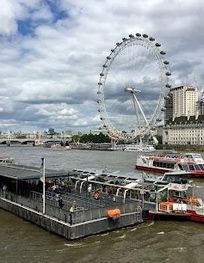
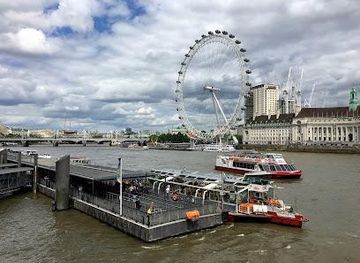
Westminster Pier: Your historic gateway to London’s iconic river cruises and landmark views along the Thames.

A bronze tribute to Boudica on the Victoria Embankment, where Westminster Bridge, the Thames, and London traffic frame a brief but memorable stop.
