
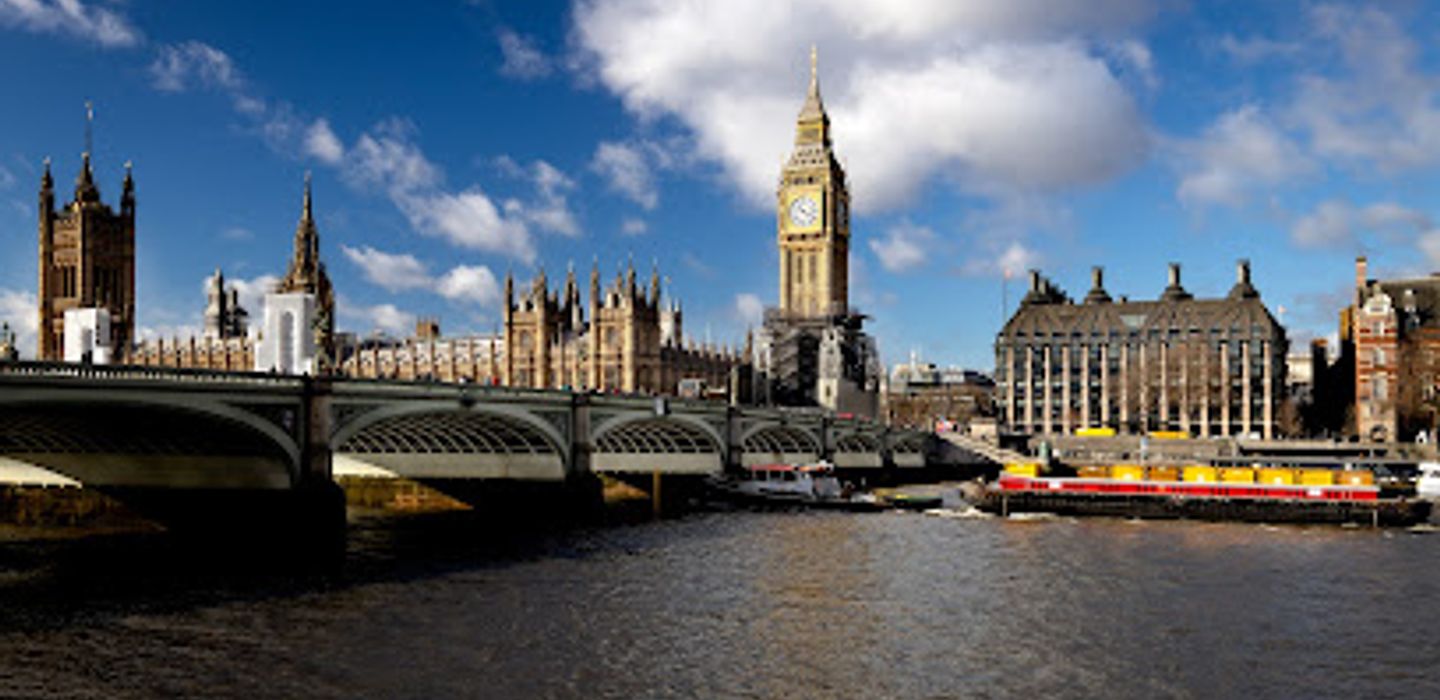
Best Bars near Big Ben
Discover the best bars near Big Ben. Find inspiration for your trip with our curated list of top-rated spots, local favorites, and hidden gems.
The 10 best Bars near Big Ben
-
The Red Lion, Parliament Street
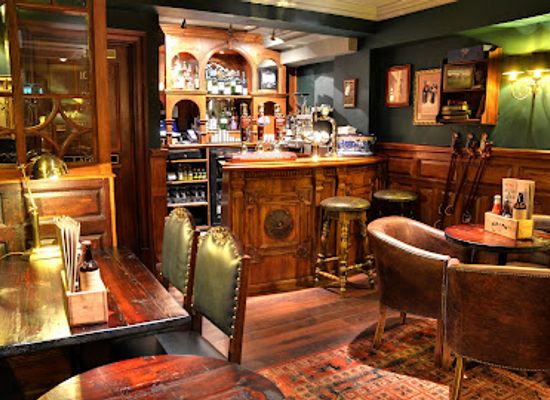
A historic Westminster pub wedged between Downing Street and the Houses of Parliament, The Red Lion occupies a long‑running tavern site with decorative late‑Victorian interiors, a tall corner façade and a reputation for political company. The Grade II–listed building blends Flemish‑Baroque detailing, etched glass and original bar fittings, offering a characterful, atmospheric stop for a pint or a meal in the heart of government London.
48 Parliament St, London SW1A 2NHVery Good 4,704 Reviews -
Westminster Arms
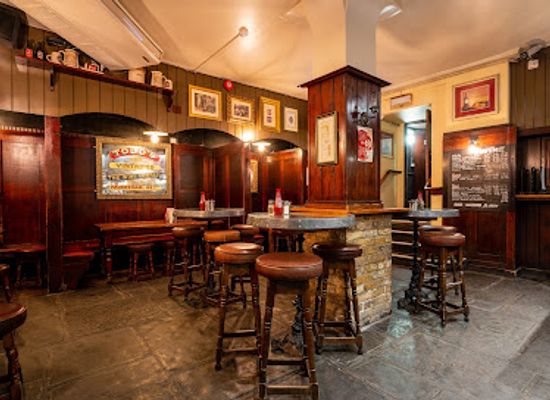
Tucked away on Storey's Gate in the heart of Westminster, the Westminster Arms is a traditional British pub offering a cozy escape amid London's political landmarks. With its historic wooden interiors, Shepherd Neame ales, and classic pub fare like pies and burgers, it provides a quintessential London drinking and dining experience just steps from Westminster Abbey and Parliament. Open daily for lunch and evenings, it features a division bell that once alerted MPs to parliamentary sessions, blending heritage with lively pub atmosphere in a moderate-priced setting.
9 & 10 Storey's Gate, London SW1P 3ATVery Good 1,034 Reviews -
Le Champagne Bar
Perched beside the London Eye at Eye Waterloo Pier, Le Champagne Bar is a riverside champagne and wine lounge offering a refined, intimate setting for a pre- or post-ride glass of bubbly and light bites. With panoramic Thames views, propped seating and a calm, polished atmosphere, it's a compact spot for celebratory toasts, watch-the-light moments and people‑watching along the South Bank.
Eye Waterloo Pier, London SE1 7PBVery Good 7 Reviews -
Two Chairmen
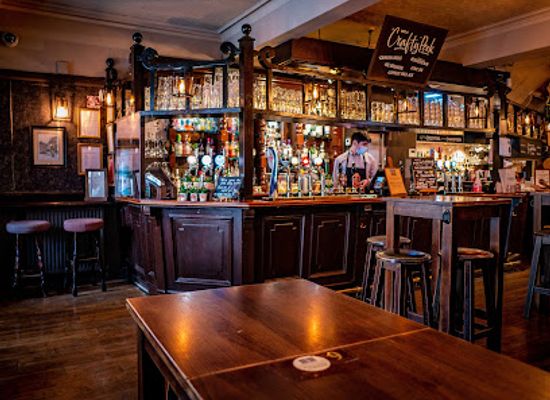
Nestled on Dartmouth Street in Westminster, the Two Chairmen is a cherished traditional British pub offering hearty pub grub, a fine selection of ales, and a cozy atmosphere. Steps from St. James's Park and Parliament, it draws locals and visitors for classic dishes like fish and chips, steak and ale pie, and refreshing pints in a welcoming setting that embodies London's pub heritage. Open daily from 11am with extended hours midweek, it's ideal for lunch or after-work drinks amid the buzz of central London.
39 Dartmouth St, London SW1H 9BPVery Good 1,292 Reviews -
Blue Boar Pub
Nestled on Tothill Street in the bustling heart of Westminster, Blue Boar Pub offers a warm escape with its classic British charm. This traditional pub serves hearty dishes like fish and chips, Sunday roasts, and perfectly cooked steaks alongside a selection of ales and wines. Open daily from noon until 11pm, it blends historic pub vibes with modern comfort, ideal for locals and visitors near Westminster Abbey.
45 Tothill St, London SW1H 9LQVery Good 1,192 Reviews -
Primo Bar, London
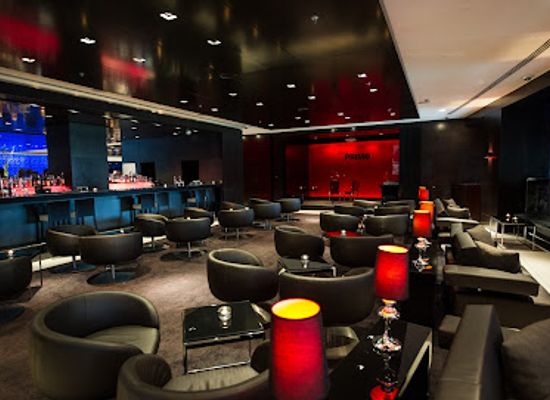
Nestled within the Park Plaza Westminster Bridge Hotel on London's vibrant South Bank, Primo Bar captivates with its stylish cocktail menu, live music performances, and stunning vistas of Big Ben. This contemporary lounge transitions seamlessly from daytime relaxation to evening energy, offering exquisite drinks like the Piña Gin Zing and Bourbon & Amaretto Sour alongside bar bites in a moody, low-lit ambiance. Open daily from noon, it features nightly entertainment in a dedicated lounge, blending 60s chic monochrome decor with dynamic vibes perfect for unwinding or socializing. With premium spirits, draft beers, and sparkling cocktails, Primo delivers a sophisticated yet approachable experience amid iconic landmarks.
200 Westminster Bridge Rd, London SE1 7UTVery Good 148 Reviews -
The Spy Bar
Nestled deep within the historic Old War Office building, The Spy Bar offers an exclusive, clandestine cocktail experience. This subterranean bar, once used by MI5 and MI6 for secret operations, features moody wine-red interiors, a real Aston Martin DB5 embedded in the wall, and a menu inspired by espionage legends and British history. With a no-photography policy enhancing its secretive charm, it’s a sophisticated retreat for cocktail aficionados and James Bond fans alike.
57 Whitehall, London SW1A 2BXExcellent 5 Reviews -
All Bar One Waterloo
All Bar One Waterloo offers a stylish urban retreat on Chicheley Street, blending sophisticated cocktails, tapas-style small plates, and hearty mains in a lively South Bank setting. Perfectly positioned near Waterloo Station and landmarks like the London Eye, it serves as an ideal spot for casual drinks, pre-theatre bites, or group celebrations with its extensive wine list and creative sharers.
1-3 Chicheley St, Greater, London SE1 7PYVery Good 4,664 Reviews -
Slug & Lettuce - County Hall
Nestled in the iconic County Hall on the South Bank, Slug & Lettuce offers a stylish cocktail bar and restaurant with modern British fare, vibrant brunches, and Thames-side vibes. Perfect for casual lunches, after-work drinks, or lively evenings near Waterloo and the London Eye, it features plush decor, outdoor seating, and deals like 2-for-1 cocktails.
1 Chicheley St, London SE1 7PJVery Good 3,985 Reviews -
The Thirsty Farrier Cocktail Bar
A seasonal cocktail bar and pop-up operation known for freshly made, creative drinks and sunny outdoor seating on London’s Southbank; run by the Thirsty Farrier team who specialise in mobile bars and festival pop-ups, it pairs relaxed riverside vibes with a changing seasonal menu and convivial service, making it an easy stop for an afternoon or an evening social drink.
GV4J+2F, London SE1 7PBVery Good 10 Reviews



Explore Big Ben on the Map
A handpicked selection of must-see spots near Big Ben, mapped for you.

Your all‑in‑one travel companion app
Explore expert travel guides, compare and book tours, experiences, hotels, and more—all from the palm of your hand. Download now for seamless trip planning wherever your wanderlust takes you.


More about Big Ben
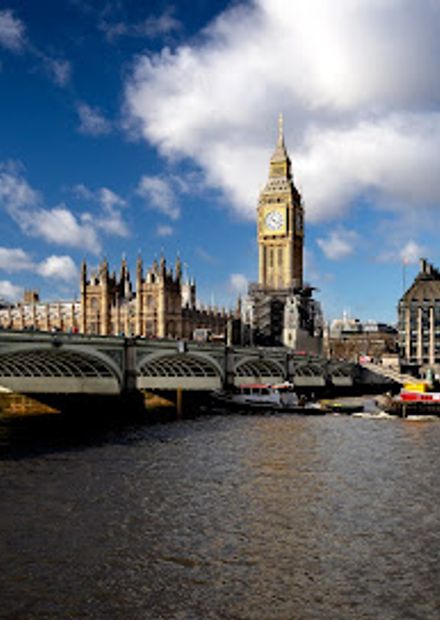
Discover the timeless grandeur of Big Ben and the Elizabeth Tower, London’s iconic Gothic Revival masterpiece and resonant symbol of British heritage.
Tell me more about Big Ben










