Boadicea and Her Daughters, London Travel Guide
Free Guide: A bronze tribute to Boudica on the Victoria Embankment, where Westminster Bridge, the Thames, and London traffic frame a brief but memorable stop.


A brief summary of Boadicea and Her Daughters
A bronze tribute to Boudica on the Victoria Embankment, where Westminster Bridge, the Thames, and London traffic frame a brief but memorable stop.
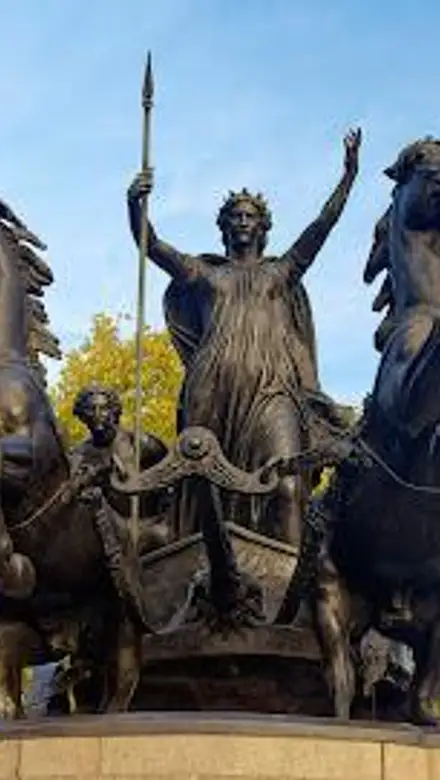
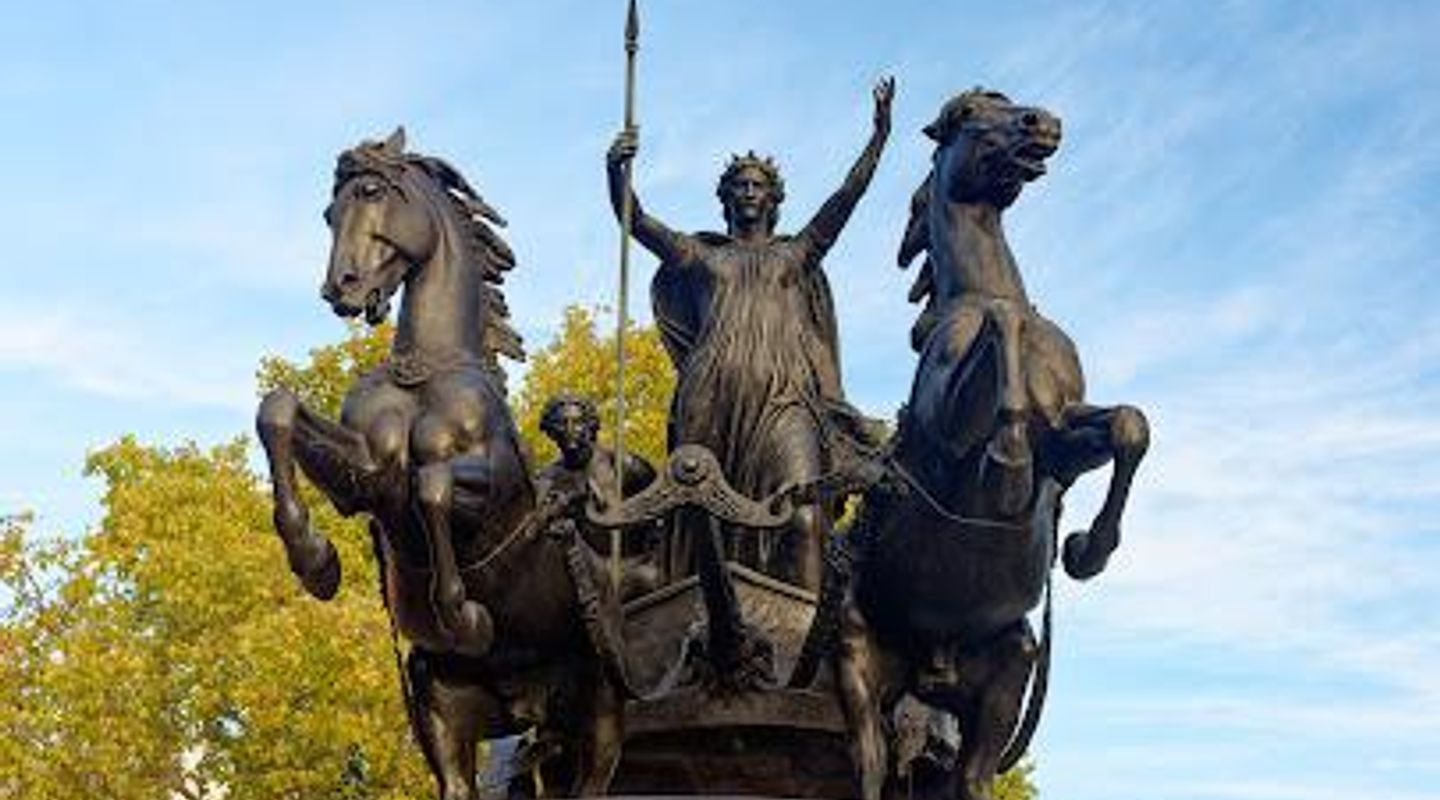
This bronze monument to Boudica and her daughters stands on the Victoria Embankment beside Westminster Bridge, where river views, traffic, and Parliament create a distinctly London backdrop. It is a quick stop rather than a long visit: most people pause for photos, read the figure’s symbolism, and move on along the Thames. The scale is striking, the setting is exposed, and the atmosphere is firmly civic and urban.
On-site amenities
 Restrooms
 Drink options
 Food options
 Seating areas
 Trash bins
 Information boards
Opening hours
- Every day6 am–10 pm
Opening hours as listed on the venue’s Google Business Profile. Hours can change for services and special events, so check with the venue before you go.
- Address
- Victoria Embankment London
- Website
Getting there
Underground
Walking
River
Cycling
Discover more about Boadicea and Her Daughters
What it is
Boadicea and Her Daughters is a large bronze sculpture of the Celtic queen Boudica in a chariot with her daughters, set on the Victoria Embankment in central London. It is best understood as a public monument and heritage landmark rather than a standalone attraction. The figure is bold and theatrical, made to be read from the pavement and from passing viewpoints along the river and bridge approaches.The subject carries strong historical symbolism. Boudica, associated with revolt against Roman rule in Britain, became a powerful Victorian and Edwardian emblem of resistance, national identity, and heroic memory. That context gives the monument more weight than its brief viewing time might suggest.
The setting and atmosphere
The sculpture sits in a busy riverside corridor near Westminster Bridge, with the Thames, government buildings, and constant pedestrian movement all around it. The experience is urban and exposed: traffic noise, passing tour groups, cyclists, and commuters shape the mood as much as the monument itself. There is little shelter and no sense of enclosure, so the site feels open, public, and in motion.Its visual appeal comes from contrast. The dark bronze figure stands against pale stone, river light, and the broad Westminster skyline. On a clear day, the monument reads sharply; in dull weather it feels more severe and monumental. Either way, it is a place for looking rather than lingering.
How a visit unfolds
Most travellers stop here as part of a wider walk along the Thames, between Westminster, the South Bank, and the Embankment. The visit is usually brief and self-directed. You approach from the pavement, take in the full chariot composition, circle if space allows, and frame a few photographs with the river or Parliament in the background.Because the site is on a major route, there is a steady turnover of visitors rather than a static crowd. People rarely stay long unless they are specifically interested in public sculpture, British history, or urban photography. The monument works well as a pause point between larger sights, especially if you are already crossing Westminster Bridge or walking the Embankment.
Practical expectations
This is an easy-access central London stop with no hike, ticketing, or managed entry. The nearest major Underground stations are Westminster and Embankment, and the area is also well served by buses, river services, and walking routes. The pavement can be busy, and photography may require patience because of traffic, railings, and passing pedestrians.Facilities are limited at the monument itself, though food, drink, and public toilets are available nearby in the wider Westminster and Embankment area. The best time to visit is in mild, dry weather when you can stand back for longer and get clearer views. In rain or wind, it remains visible but less comfortable for lingering.
Evendo Review Centre
 Google
Guest reviews
Best time to go
Quietest: Jan, Feb & Nov · before 3am
Busy times are Evendo estimates for a typical year, to help you plan. Actual crowds vary with events, school holidays and the weather.
Explore Boadicea and Her Daughters on the map
A handpicked selection of must-see spots near Boadicea and Her Daughters, mapped for you.
Get your free copy of our complete guide to Boadicea and Her Daughters, delivered straight to you.
Everything on this page, from opening hours and how to get there to Eve’s tips and the best time to go, in one PDF you can read offline, print or share.
Already have an account? Sign in
Your Boadicea and Her Daughters guide is ready.
We'll send it to · Not you? Sign out

Getting your guide ready…
We are putting together a fresh copy of the Boadicea and Her Daughters guide. This can take up to a minute.
This can take a few moments. If your browser asks, choose Allow so the download can start. You'll find the guide in your Downloads folder.
Nothing happened? Download it again
Sorry, the guide is taking longer than usual. Please try again in a minute, or get it by email instead.
Unlock the best of Boadicea and Her Daughters
Skip-the-line tickets, guided tours with entry, and walking tours of the area, booked in a few clicks.


Other nearby places you may find interesting
The closest places of the same kind, if this one is not quite what you had in mind.
-
-
-
-
-


Swipe for more places
More to explore near Boadicea and Her Daughters
-
 Best experiences near Boadicea and Her Daughters
-
 Best hotels near Boadicea and Her Daughters
-
 Best landmarks near Boadicea and Her Daughters
-
 Best attractions near Boadicea and Her Daughters
-
 Best shops near Boadicea and Her Daughters
-
 Best restaurants near Boadicea and Her Daughters
-
 Best bars near Boadicea and Her Daughters


Do you manage this location?
Take control to get all the benefits, like improved information, better appearance, and stronger visibility across AI-powered discovery.
Explore more

Explore more of London
Explore London: A city of iconic landmarks, rich history, vibrant culture, and endless attractions that cater to every taste, making it a must-visit destination.
Explore London
Explore more of United Kingdom
Discover the United Kingdom: A blend of rich history, stunning landscapes, and vibrant cities, offering a unique travel experience for every visitor.
Explore United Kingdom