The Clock Tower, Bedfordshire Travel Guide
Explore England’s only medieval town belfry, a symbol of St Albans’ historic defiance and panoramic views of the ancient city.
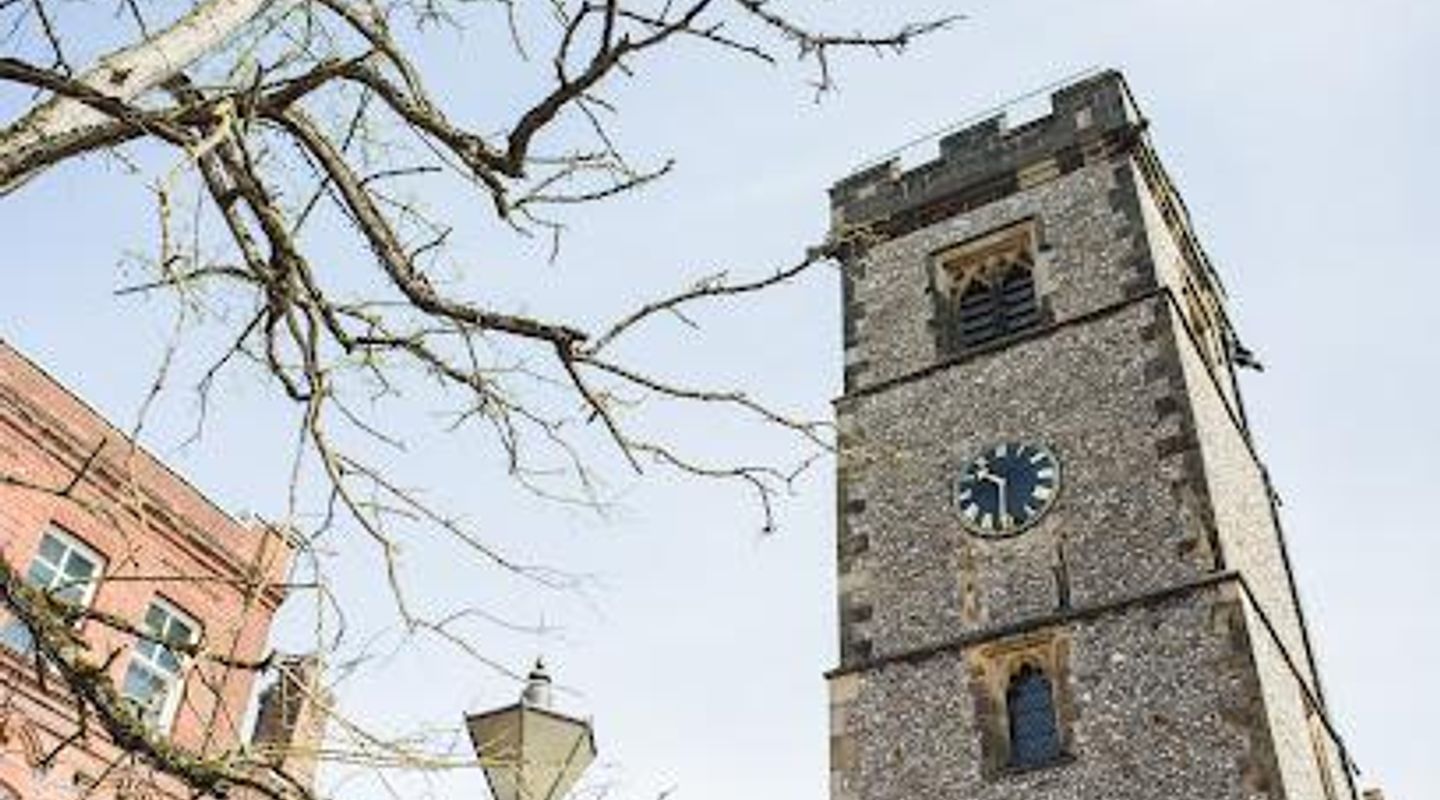
The St Albans Clock Tower, built between 1403 and 1412, is England’s only surviving medieval town belfry. Erected by the townspeople as a statement of independence from the powerful St Albans Abbey, this five-story tower served multiple roles including a curfew bell, lookout, shop, and semaphore station during the Napoleonic Wars. Visitors can climb its 93 narrow steps to enjoy panoramic views of the historic city and the Roman town of Verulamium.
A brief summary to The Clock Tower
- High St, St Albans, AL3 4EL, GB
- Click to display
- Duration: 0.5 to 2 hours
- Budget
-
 Outdoor
- Mobile reception: 4 out of 5

Know before you go
Hi, I'm Eve. Here are a few practical things to know before exploring The Clock Tower.
- Prepare for a climb of 93 narrow spiral steps; wear comfortable shoes and be mindful of limited disabled access.
- Visit during weekends and bank holidays from Easter to late September for access to the tower and guided tours.
- Don’t miss the rooftop views overlooking St Albans Cathedral and the Roman town of Verulamium.
- Look for the plaque commemorating Queen Eleanor’s funeral procession near the tower’s base.
Do you manage this location?
Take control to get all the benefits, like improved information, better appearance, and stronger visibility across AI-powered discovery. Learn more about listing your business on Evendo
Activate your presenceOther nearby places you may find interesting
The closest places of the same kind, if this one is not quite what you had in mind.
Explore The Clock Tower on the Map
A handpicked selection of must-see spots near The Clock Tower, mapped for you.
Unlock the Best of The Clock Tower
Buy tickets
-
No tickets available
Book tours with entry
-
No tours available
Book tours without entry

Getting There
-
Train and Walk
Take a train to St Albans City station from London St Pancras or London Blackfriars; journey times range from 20 to 40 minutes. From the station, it is a 15-20 minute walk through the historic city center to the Clock Tower. The walk is on paved streets but includes some cobbled areas; suitable for most visitors but may be challenging for those with mobility issues.
-
Bus
Local bus services connect St Albans city center with surrounding areas; buses from the station or city stops take 5-10 minutes to reach High Street near the Clock Tower. Tickets cost approximately £2-£4. Bus frequency varies, with reduced service on Sundays and public holidays.
-
Car
Driving to St Albans city center is possible, but parking is limited and often requires payment. Public car parks are available within a 5-10 minute walk of the Clock Tower, with charges around £1.50-£3 per hour. Traffic congestion can occur during peak times.
For the on-the-go comforts that matter to you
-
 Restrooms
-
 Drink Options
-
 Food Options
-
 Seating Areas
-
 Information Boards
Discover more about The Clock Tower
A Monument of Medieval Civic Pride and Resistance
Constructed between 1403 and 1412 by Thomas Wolvey, a former Royal Mason, the St Albans Clock Tower stands as a rare medieval town belfry and a potent symbol of the townspeople’s defiance against the dominant Benedictine Abbey of St Albans. The Abbey wielded immense power, levying taxes and controlling local corn milling, which bred resentment among the townsfolk. The tower’s elevated position allowed the town to assert its autonomy by sounding its own hours and curfew, directly challenging the Abbey’s authority.Architectural and Functional Evolution Through Centuries
This five-story tower originally housed a shop and shopkeeper’s residence on the lower floors, with the clock keeper and his family living on the second floor until the mid-19th century. The third floor features a Victorian clock mechanism installed during the 1866 restoration, designed by Lord Grimthorpe, famed for his work on Big Ben. The fourth floor contains the original one-ton curfew bell, cast in 1335, which rang alarm during the first Battle of St Albans in 1455, marking the tower’s role in local and national history.Strategic Importance During the Napoleonic Wars
In the early 19th century, the tower was adapted as a semaphore station for the Admiralty’s shutter telegraph system, linking Whitehall to the North Sea Fleet in Great Yarmouth. This communication network could relay messages over 220 miles in just five minutes on clear days, underscoring the tower’s strategic military significance. The roof still hosts the remains of this telegraph system, offering a glimpse into early 19th-century communication technology.Historical Connections and Local Landmarks
Adjacent to the tower is the site of the Eleanor Cross, erected by Edward I in memory of Queen Eleanor, whose funeral procession rested here during its journey to Westminster Abbey in 1290. Although replaced by a town pump and later a fountain, a commemorative plaque near the tower honors this poignant historical event. The tower’s proximity to Waxhouse Gate, the entrance to St Albans Cathedral, ties it closely to the city’s rich medieval heritage.Visitor Experience and Panoramic Views
Visitors can ascend the 93 narrow spiral steps to the tower’s roof, where sweeping views of St Albans, the Abbey, and the ancient Roman town of Verulamium unfold. The climb offers an immersive journey through the tower’s layered history, with each floor revealing artifacts and stories from its varied past. Due to the narrow access and historic structure, disabled access is limited, making the ascent a rewarding challenge for history enthusiasts and panoramic seekers alike.Preservation and Cultural Significance Today
Maintained by local volunteers and heritage societies, the Clock Tower remains a cherished landmark and Scheduled Ancient Monument. It embodies the spirit of civic independence and historical continuity in St Albans, bridging medieval times with the present. Seasonal openings and guided tours allow visitors to explore this unique medieval belfry and appreciate its enduring legacy in England’s architectural and social history.












Your all‑in‑one travel companion app
Explore expert travel guides, compare and book tours, experiences, hotels, and more—all from the palm of your hand. Download now for seamless trip planning wherever your wanderlust takes you.


Explore More of Bedfordshire
Looking beyond The Clock Tower? Discover Bedfordshire for broader travel guides, local hot-spots, and regional highlights.
Explore Bedfordshire