

Free Bedfordshire Travel Guide & Mobile App
Explore Bedfordshire with free travel guides. Discover regional history, expert tips, proposed trips, and audio guides on web or mobile app.


Explore Bedfordshire for riverside walks, Chiltern landscapes, historic estates, aviation heritage, market towns and easy access from London.
Read more about Bedfordshire
When is the best time to visit Bedfordshire?
Best: June–August · 21–23°C| Month | High (°C) | Rainfall (mm) |
|---|---|---|
| January | 7 | 50 |
| February | 7 | 40 |
| March | 11 | 45 |
| April | 14 | 40 |
| May | 18 | 45 |
| June (best) | 21 | 50 |
| July (best) | 23 | 55 |
| August (best) | 22 | 55 |
| September | 19 | 50 |
| October | 14 | 55 |
| November | 10 | 60 |
| December | 7 | 65 |
Getting to and around Bedfordshire
How to get there
Transportation
Best attractions in Bedfordshire
Bedfordshire's attractions range from historic towns and literary sites to country estates, aviation collections and restored industrial landscapes. Bedford's riverside setting, castle mound, museums and John Bunyan associations provide a compact introduction to the county's history, while Priory Country Park adds lakes, wetlands and paths in a former gravel-extraction landscape. South of the town, the Dunstable Downs offer open chalk scenery, walking and panoramic views across the surrounding plain. Woburn Abbey combines an important historic house with extensive grounds and deer park, while Wrest Park near Silsoe is known for its formal gardens, avenues and landscape history. At Old Warden, the Shuttleworth Collection presents historic aircraft and vehicles in an aerodrome setting. Families may also visit Whipsnade Zoo near Dunstable, located on the Chiltern escarpment, while Marston Vale provides woodland, country parks and outdoor recreation on land reshaped after brickmaking. Market towns, village churches, farm shops and public footpaths complete a visitor landscape that is best explored through several shorter excursions rather than a single concentrated centre.
-
Historical landmark
Bletchley Park
Explore the legendary estate where WWII codebreakers, including Alan Turing, cracked enemy ciphers and shaped modern computing.
-
Recreation Centre
Xscape Milton Keynes
A vibrant indoor playground in Milton Keynes offering skiing, skydiving, trampolining, bowling, cinema, dining, and endless family fun all year round.
-
 Cathedral
St Albans Cathedral
Explore England’s oldest Christian worship site with stunning medieval art, Norman architecture, and panoramic tower views in historic St Albans.
-
Zoo
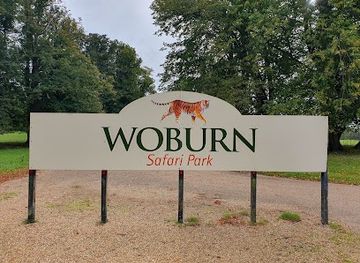
Woburn Safari Park
A Bedfordshire safari park where you drive past lions, rhinos, and giraffes before switching to footpaths, talks, and family leisure spaces.


Best landmarks in Bedfordshire
Bedford's Castle Mound marks the site of the Norman castle that dominated the town during the medieval period, while the nearby medieval bridge and the River Great Ouse help explain Bedford's historic importance as a crossing and market centre. St Paul's Church stands prominently in the town centre and has long been associated with local civic life. In the south, Dunstable Priory Church is the substantial surviving remnant of an Augustinian foundation whose medieval history shaped the town. The Dunstable Downs form Bedfordshire's most recognisable natural landmark, with chalk escarpments and open horizons above the town. Woburn Abbey is an important country-house and estate landmark connected with the Russell family and the Dukes of Bedford, while Wrest Park's formal avenues, gardens and surviving estate buildings illustrate changing ideas about landscape design. At Houghton Conquest, the Church of All Saints is a notable medieval parish church, and at Elstow, buildings and places associated with John Bunyan preserve the setting of one of England's most widely read religious writers. Together these landmarks show the county's combination of river history, ecclesiastical architecture, aristocratic estates, chalk scenery and literary heritage.
-
Historical landmark
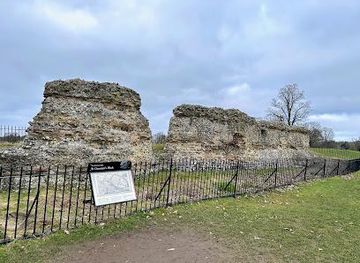
Roman Wall of St Albans
Trace the ancient Roman Wall encircling Verulamium, a testament to St Albans’ rich Roman heritage and Britain's first Christian martyr.
-
Anglican church
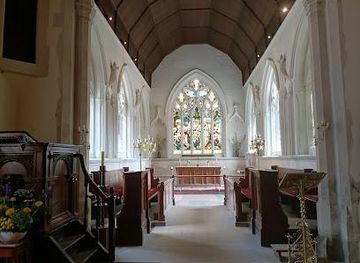
The Church of Saint Andrew and Saint Mary Grantchester
A peaceful 14th-century church in the heart of Grantchester, steeped in village history and linked to poet Rupert Brooke’s famous verses.
-
Historical landmark
RAF Bicester
Explore RAF Bicester, the UK’s best-preserved interwar bomber base, where aviation history and heritage come alive amidst iconic wartime structures.
-
Historical landmark
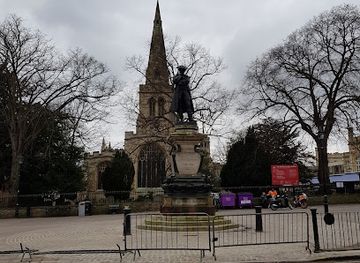
John Howard Statue
A historic bronze statue in Bedford honoring John Howard, pioneering prison reformer and humanitarian of the 18th century.
Explore Bedfordshire on the map
Plan your trip on one map. See where the top cities, national parks and sights are, and book hotels and experiences in a few clicks.
Best hotels in Bedfordshire
Best restaurants in Bedfordshire
Bedfordshire's dining reflects its position between London and the Midlands, with traditional pubs, independent cafés, rural inns, modern restaurants and farm-based food businesses spread across the county. The most recognisable local speciality is the Bedfordshire clanger, a suet or pastry-based filled roll historically associated with workers' lunches; recipes differ, and the sweet-ended version is particularly associated with local food lore. Seasonal vegetables, orchard produce, meat, bread and preserves appear in farm shops and markets, while the county's former market towns provide practical places for everyday dining. Bedford and Luton offer the widest choice, including restaurants shaped by the communities that have settled in the county, while villages around Woburn, the Chiltern fringe and the Great Ouse are more likely to feature pubs and country inns. Menus are not exclusively traditional: contemporary British cooking, international food and cafés are well represented, especially in the larger urban centres. Booking is sensible for popular estate-area restaurants and small rural venues, where opening patterns can be limited outside peak periods.
-
Family friendly
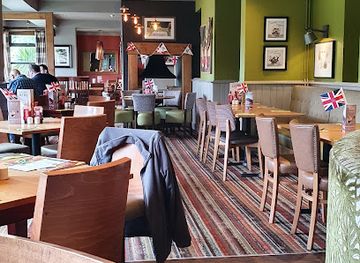
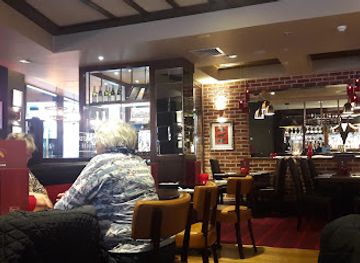
Harvester Orchard Bedford
A family-friendly British bar and grill in Bedford offering fresh, flavorful meals from breakfast to late-night dining in a relaxed setting.
-
Gastropub
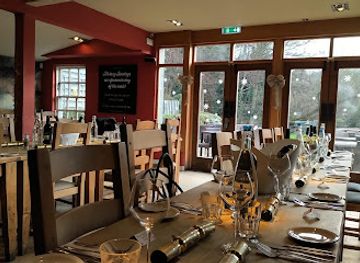
Flying Horse Clophill
Charming barn gastropub in Clophill offering diverse British dishes, warm ambiance, and attentive service for all occasions.
-
Gastropub
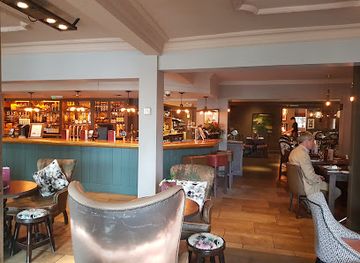
Kings Arms Bedford
A charming gastropub in Cardington blending classic British pub tradition with modern dining and warm hospitality.
-
Steak
Miller & Carter Bedford
Premium aged steaks and seafood in a contemporary riverside setting with exceptional value lunch menus.
Best bars in Bedfordshire
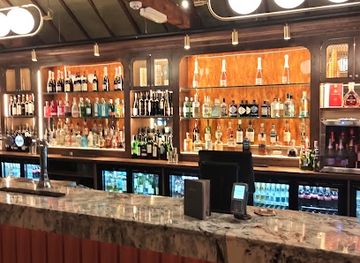
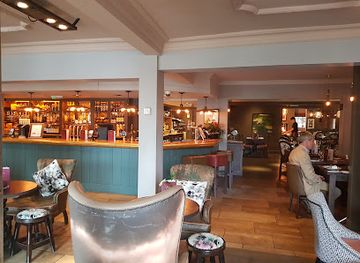
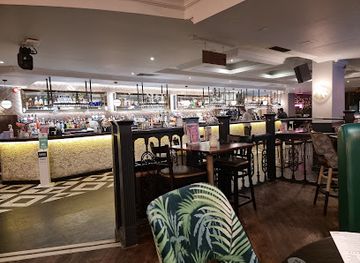
Bedfordshire's evening life is concentrated in Bedford and Luton rather than distributed evenly across the county. Bedford combines traditional pubs beside the river and in the town centre with bars, restaurants, live music and occasional performance-led evenings. Luton has the broadest urban nightlife, including pubs, bars, restaurants and entertainment venues serving its large and diverse population, although the exact choice and operating status of individual venues changes regularly. In smaller towns such as Dunstable, Leighton Buzzard and Biggleswade, the evening scene is more likely to centre on pubs, casual dining and community venues than on large clubs. Rural districts around Woburn, Silsoe and Old Warden favour village pubs and destination restaurants, with quieter evenings and earlier closing patterns than the main urban centres. Visitors should check current arrangements and plan transport in advance, particularly after spending an evening outside the largest towns, as late public transport is more limited in the countryside.
-
Gastropub
Flying Horse Clophill
Charming gastropub in Bedfordshire’s countryside, blending rustic charm with modern dining and a diverse British-inspired menu.
-
Gastropub
Kings Arms Bedford
Classic British gastropub charm meets modern style in the heart of Cardington village, offering fresh food, real ales, and a warm, welcoming atmosphere.
-
Gastropub
The Embankment
Charming riverside gastropub and boutique hotel in Bedford blending scenic views, vintage style, and warm hospitality.
-
Cocktail bar
Slug & Lettuce - Bedford
Lively cocktail bar and restaurant in Bedford’s High Street, famed for 2-for-1 cocktails, bottomless brunch, and a vibrant social scene.

Best nightclubs in Bedfordshire
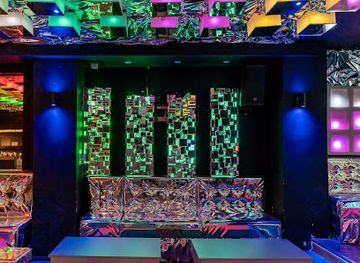
Bedfordshire's evening life is concentrated in Bedford and Luton rather than distributed evenly across the county. Bedford combines traditional pubs beside the river and in the town centre with bars, restaurants, live music and occasional performance-led evenings. Luton has the broadest urban nightlife, including pubs, bars, restaurants and entertainment venues serving its large and diverse population, although the exact choice and operating status of individual venues changes regularly. In smaller towns such as Dunstable, Leighton Buzzard and Biggleswade, the evening scene is more likely to centre on pubs, casual dining and community venues than on large clubs. Rural districts around Woburn, Silsoe and Old Warden favour village pubs and destination restaurants, with quieter evenings and earlier closing patterns than the main urban centres. Visitors should check current arrangements and plan transport in advance, particularly after spending an evening outside the largest towns, as late public transport is more limited in the countryside.
-
Night Club
Mia Musica
Luton’s lively Romanian-themed night club and sports bar with authentic football culture and late-night weekend vibes.
-
Club
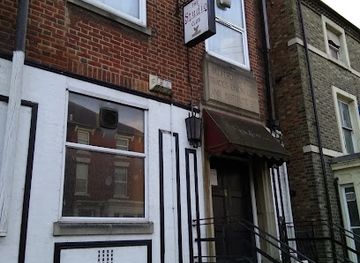
The Studio Club
A friendly, casual nightclub and bar in Bedford offering affordable drinks, pool tables, and live music in an intimate setting.
-
Night Club
Cubana Nightclub - Bedford
Bedford’s vibrant two-floor nightclub with live music, multiple bars, and VIP areas, offering an energetic dance and social experience on Mill Street.
-
Club
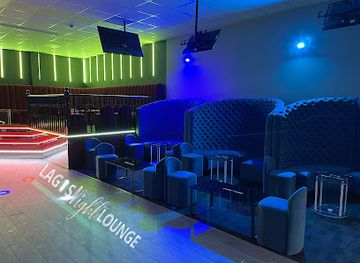
Lagos Night Lounge
Experience Bedford’s vibrant African-inspired nightlife with live music, themed events, and authentic cuisine at Lagos Night Lounge.

Best shops in Bedfordshire
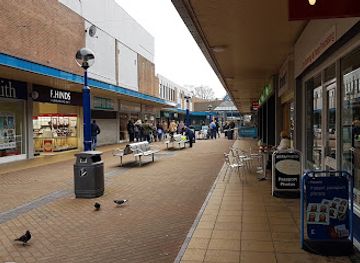
Shopping in Bedfordshire is centred on the high streets and covered retail areas of Bedford and Luton, with smaller independent businesses and traditional town-centre services in Dunstable, Leighton Buzzard, Biggleswade and Ampthill. Bedford offers a mix of mainstream shops, cafés, independent retailers and antique or gift businesses around its central streets, while Luton has the county's largest urban retail concentration and a broad range of food and fashion shops. Market-town shopping is more practical and local in character, with opportunities to browse bakeries, delicatessens, charity shops, booksellers and independent household businesses. Farm shops and rural producers are useful for preserves, bread, seasonal fruit, vegetables and other edible gifts, particularly around the estate and countryside districts. Bedfordshire's historic hatmaking connection is more important as industrial heritage than as a large contemporary shopping sector, so visitors should not expect a county-wide specialist hat market. For distinctive souvenirs, look for locally made food, craft products, books connected with John Bunyan or the county's estates, and produce from established markets or farm shops rather than generic airport merchandise.
-
Shopping Centre
Quadrant Shopping Centre
A vibrant shopping destination in the heart of Dunstable, blending high street brands with local charm and convenient amenities.
-
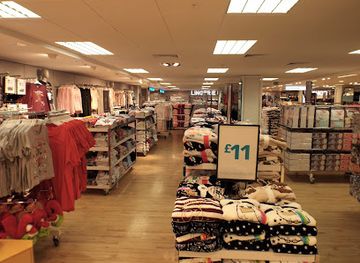
Clothing Shop
Primark
Discover unbeatable style and value at Primark Bedford, your go-to destination for affordable fashion in the vibrant Harpur Centre.
-
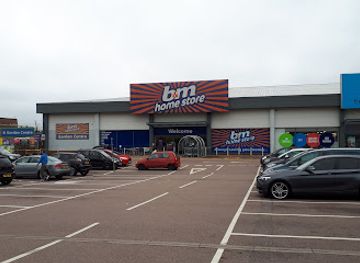
Shopping Centre
Alban Retail Park
A versatile and convenient shopping destination in Bedford offering homeware, garden supplies, and more with extended hours and easy access.
-
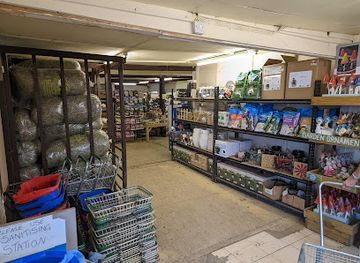
Farm shop
Pells Farm Shop
Discover fresh local produce and homemade delights in Bedford’s charming countryside farm shop with over 40 years of tradition.
Get your free copy of our complete guide to Bedfordshire, delivered straight to you.
Everything on this page, from attractions and restaurants to essentials and local phrases, in one PDF you can read offline, print or share.
Already have an account? Sign in
Your Bedfordshire guide is ready.
We'll send it to · Not you? Sign out

Getting your guide ready…
We are putting together a fresh copy of the Bedfordshire guide. This can take up to a minute.
This can take a few moments. If your browser asks, choose Allow so the download can start. You'll find the guide in your Downloads folder.
Nothing happened? Download it again
Sorry, the guide is taking longer than usual. Please try again in a minute, or get it by email instead.
Bedfordshire essentials
Currency and Payment
Safety
Emergency Situations
Do's and Don'ts
Local Tips
From Eve
Local phrases worth knowing
You don't need to get them perfect. A few words go a long way, and locals appreciate the effort.
Basics
| English | Local | Say it |
|---|---|---|
| Hello | Hiya | [hɪjə] |
| Goodbye | Ta-ra | [tɑːrɑː] |
| Yes | Yeah | [jɛ] |
| No | Nah | [nɑː] |
| Please/You're welcome | Cheers | [tʃɪəz] |
| Thank you | Thanks | [θæŋks] |
| Excuse me/Sorry | Sorry | [ˈsɒri] |
| How are you? | You alright? | [jʊ əˈraɪt] |
| Fine. And you? | I’m good, you? | [aɪm ɡʊd, ju?] |
| Do you speak English? | Can you speak English? | [kæn ju spiːk ˈɪŋɡlɪʃ?] |
| I don't understand | I don't get it | [aɪ doʊnt ɡɛt ɪt] |
Eating & Drinking
| English | Local | Say it |
|---|---|---|
| I'd like to see the menu, please | Can I see the menu, please? | [kæn aɪ siː ðə ˈmɛnjuː, pliz?] |
| I don't eat meat | I’m vegetarian | [aɪm ˌvɛdʒɪˈtɛəriən] |
| Cheers! | Cheers! | [tʃɪəz] |
| I would like to pay, please | Can I pay, please? | [kæn aɪ peɪ, pliz?] |
Emergencies
| English | Local | Say it |
|---|---|---|
| Help! | Help! | [hɛlp] |
| Go away! | Get lost! | [ɡɛt lɒst] |
| Call the Police! | Ring the coppers! | [rɪŋ ðə ˈkɒpəz] |
| Call a doctor! | Get a doctor! | [ɡɛt ə ˈdɒktə] |
| I'm lost | I’m all turned around | [aɪm ɔːl tɜːnd əˈraʊnd] |
| I'm ill | I feel unwell | [aɪ fiːl ʌnˈwɛl] |
Shopping
| English | Local | Say it |
|---|---|---|
| I'd like to buy... | I want to buy... | [aɪ wɒnt tu baɪ...] |
| I'm just looking | Just having a browse | [dʒʌst ˈhævɪŋ ə braʊz] |
| How much is it? | What’s the price? | [wɒts ðə praɪs?] |
| That's too expensive | That’s a bit steep | [ðæts ə bɪt stiːp] |
| Can you lower the price? | Can you do it cheaper? | [kæn ju du ɪt ˈtʃiːpə?] |
Time & Numbers
| English | Local | Say it |
|---|---|---|
| What time is it? | What’s the time? | [wɒts ðə taɪm?] |
| It's one o'clock | It’s one o’clock | [ɪts wʌn əˈklɒk] |
| Half past (10) | Half ten | [hɑːf tɛn] |
| Morning | Mornin’ | [ˈmɔːnɪn] |
| Afternoon | Arvo | [ˈɑːvəʊ] |
| Evening | Evenin’ | [ˈiːvənɪn] |
| Yesterday | Yesterday | [ˈjɛstədeɪ] |
| Today | Today | [təˈdeɪ] |
| Tomorrow | Tomorrow | [təˈmɒrəʊ] |
| 1 | One | [wʌn] |
| 2 | Two | [tuː] |
| 3 | Three | [θriː] |
| 4 | Four | [fɔː] |
| 5 | Five | [faɪv] |
| 6 | Six | [sɪks] |
| 7 | Seven | [ˈsɛvən] |
| 8 | Eight | [eɪt] |
| 9 | Nine | [naɪn] |
| 10 | Ten | [tɛn] |
Transport & Directions
| English | Local | Say it |
|---|---|---|
| Where's a/the...? | Where’s the...? | [wɛəz ðə...?] |
| What's the address? | What’s the address? | [wɒts ði əˈdrɛs?] |
| Can you show me (on the map)? | Can you point it out on the map? | [kæn ju pɔɪnt ɪt aʊt ɒn ðə mæp?] |
| When's the next (bus)? | When’s the next bus? | [wɛnəz ðə nɛkst bʌs?] |
| A ticket (to ....) | One ticket to... | [wʌn ˈtɪkɪt tu...] |
History of Bedfordshire
Prehistoric Routes and Chiltern Settlements
Bedfordshire's earliest history is visible in earthworks, burial sites and ancient routeways rather than in a single surviving settlement. The Icknield Way follows the chalk escarpment through the south of the county and formed part of a long-distance track used since prehistoric times. Crop-growing communities occupied the fertile valleys and chalk margins, while elevated ground provided defensible or ceremonial locations. The surviving landscape around the Dunstable Downs and Chiltern fringe therefore reflects repeated human use over many centuries, even where later farming has obscured much of the original archaeology.
Roman Durocobrivis and the Watling Street Corridor
Roman control brought roads, markets and organised settlement to Bedfordshire. Durocobrivis, at modern Dunstable, developed beside Watling Street, the major route connecting London with the Midlands and north-west Britain. The settlement served travellers, traders and nearby rural estates, and archaeological remains show the importance of pottery, agriculture and roadside commerce. Roman activity also strengthened links across the Great Ouse valley. Although little of the Roman town survives above ground, its location helps explain Dunstable's continuing importance as a transport and communications centre.
The Medieval Borough of Bedford
Bedford grew around a crossing of the Great Ouse and a Norman castle established after the conquest of England. The castle became the centre of a powerful barony and was besieged during the civil conflict known as the First Barons' War in the early thirteenth century. Its destruction left the town without a major fortress, but Bedford retained significance as a market and administrative centre. Medieval churches, the river crossing and the castle mound preserve parts of this development, while the town's street pattern reflects its long role as a regional centre.
Religious Foundations and the Priory Churches
Medieval Bedfordshire supported important religious houses, including the Augustinian priory founded at Dunstable in the twelfth century. Dunstable Priory Church is the surviving part of that foundation and retains architectural evidence of the town's ecclesiastical importance. Monasteries and parish churches were also major landowners, shaping agriculture, local settlement and charitable activity. The Dissolution of the Monasteries under Henry VIII ended the institutional life of these houses and transferred much church property into private or Crown ownership, helping to reshape the county's later estate landscape.
John Bunyan and Nonconformist Bedford
John Bunyan was born in Elstow near Bedford in 1628 and became one of the most influential English religious writers through The Pilgrim's Progress. His preaching and imprisonment for unlicensed religious activity reflect the tensions between established and dissenting Christianity in seventeenth-century England. Bunyan's association with Bedford remains visible at sites connected with his life and at Bunyan Meeting, a continuing place of worship with a long nonconformist history. His work has given the county an international literary association as well as a religious one.
Country Estates and Landscape Design
From the eighteenth century onwards, wealthy landowners substantially altered parts of Bedfordshire through estates, plantations, model improvements and designed landscapes. Woburn became the seat of the Dukes of Bedford, while Wrest Park developed as an important garden and country-house landscape. These estates combined agricultural management with architecture, formal gardens, pleasure grounds and sporting uses. Their surviving buildings and grounds provide a record of changing taste and landownership, while also illustrating how the county's rural appearance was shaped by deliberate landscape design rather than by farming alone.
Industry, Hats and Brickmaking
Industrialisation affected Bedfordshire in several distinct ways. Luton became internationally associated with hatmaking, an industry that grew from local straw-plaiting and developed through mechanisation, factories and global trade. In the Marston Vale, clay extraction and brickmaking transformed the landscape and supported employment for generations. Bedford and other towns also benefited from improved roads, canals and railways, which connected markets and encouraged manufacturing. Many of these industries declined or changed during the twentieth century, but museums, adapted buildings and restored landscapes preserve their influence.
Aviation and the Modern County
The twentieth century brought aviation, new transport infrastructure and rapid urban growth. The Shuttleworth Collection at Old Warden preserves pioneering aircraft and reflects the county's place in British aviation history, while Luton Airport became a major international gateway. Luton expanded considerably, with new housing, industry and communities arriving during the post-war period. Bedfordshire today combines this modern, outward-looking economy with historic towns, rural estates and restored industrial landscapes, making its identity a meeting point between metropolitan England and the agricultural Midlands.
Bedfordshire in Photos
Browse through our photo collection highlighting the charm and character of the destination.
Neighbouring regions of Bedfordshire
The closest regions to Bedfordshire, if you have time for more than one.
-

-

-

-

-


Swipe for more regions
Explore more

Explore more of United Kingdom
Discover the United Kingdom: A blend of rich history, stunning landscapes, and vibrant cities, offering a unique travel experience for every visitor.
Explore United Kingdom