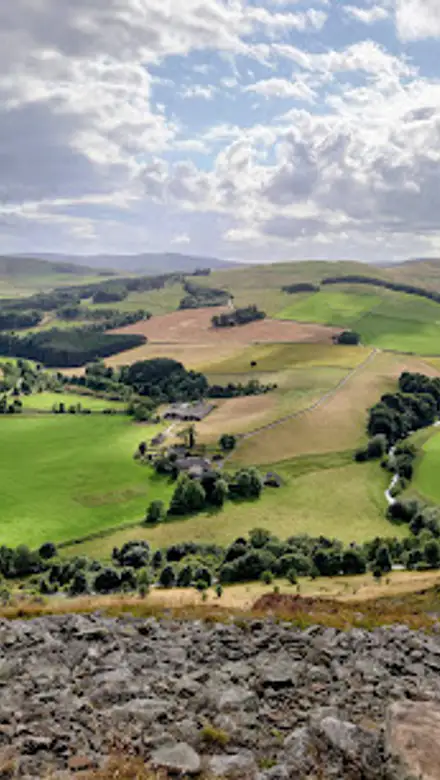
Bow Castle Travel Guide
Free Guide: An Iron Age broch perched above the Gala Water, offering 2,000 years of Scottish history and panoramic Border views.


A brief summary of Bow Castle
An Iron Age broch perched above the Gala Water, offering 2,000 years of Scottish history and panoramic Border views.
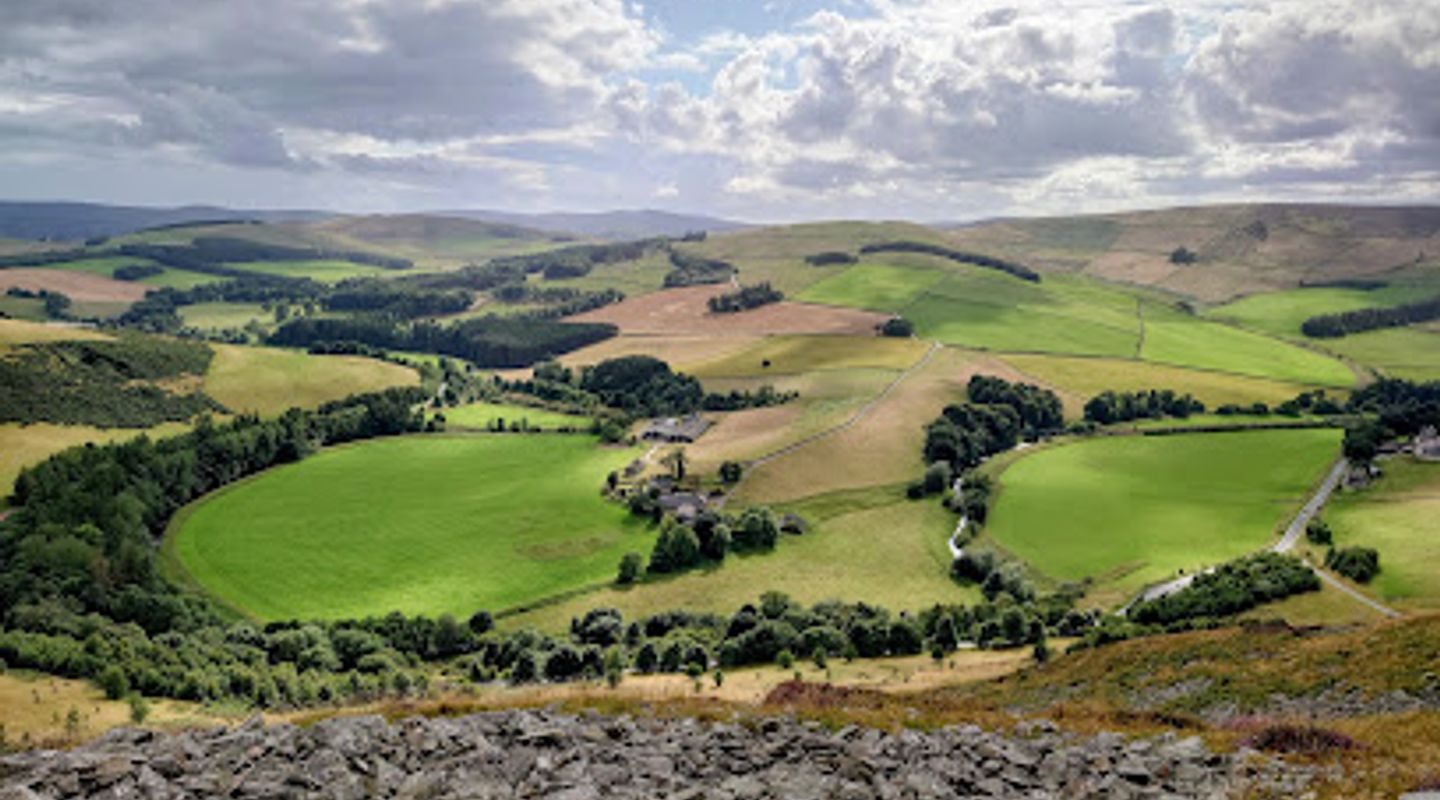
Bow Castle is an Iron Age broch—a distinctive circular stone tower unique to Scotland—perched on a hilltop above the Gala Water near Galashiels in the Scottish Borders. Dating back approximately 2,000 years, this ancient fortified dwelling offers panoramic views across the valley and represents one of only three brochs surviving in the borderlands. Though substantially ruined, the site remains an evocative window into Iron Age settlement and Roman-era occupation.
On-site amenities
 Information boards
Opening hours
- Every dayOpen 24 hours
Opening hours as listed on the venue’s Google Business Profile. Hours can change for services and special events, so check with the venue before you go.
- Address
- A7, Galashiels TD1 2SW
- Website
Getting there
Car from Galashiels town centre
Bus from Galashiels
Walking from Stow village
Cycling from Galashiels
Discover more about Bow Castle
An Ancient Fortress from Scotland's Iron Age
Bow Castle stands as one of Scotland's most distinctive archaeological monuments—a broch, a circular stone tower built during the Iron Age, roughly 2,000 years ago. Brochs are a uniquely Scottish architectural form, found nowhere else in the world, and Bow Castle represents one of only three surviving examples in the entire Scottish Borders region. The structure was likely constructed by Iron Age peoples, possibly from communities north of the Firth of Forth, who chose this elevated hilltop position to command views across the Gala Water valley and the surrounding landscape. The broch's distinctive hollow-walled design, with internal galleries and staircases built into the thickness of the stone, reflects sophisticated engineering knowledge and considerable labour investment.
Roman Occupation and Abandonment
The broch's occupation appears to have ended abruptly around the 2nd century CE, coinciding with the Roman invasion and military occupation of the Scottish Borders. Archaeological excavations at the site have uncovered Roman pottery fragments and an enamelled brooch, suggesting contact—or conflict—between the local Iron Age inhabitants and Roman forces. It is believed the broch may have been deliberately abandoned or destroyed during this period, possibly following the defeat of the local tribe. The Romans established a significant fort at nearby Trimontium (modern Newstead), which would have dominated the region militarily and economically, making continued habitation of the broch untenable.
Layers of Prehistoric Settlement
Bow Castle's significance extends far deeper than the Iron Age broch alone. The hilltop itself is an ancient place of habitation, with evidence suggesting occupation stretching back approximately 3,000 years. An original hill fort occupied the summit, and this defensive structure was rebuilt and modified over the centuries, with the Iron Age broch representing a later, more sophisticated fortification built atop or within the earlier hillfort enclosure. This layering of occupation demonstrates the strategic importance of this location throughout prehistory—its elevated position, commanding views, and proximity to water made it an ideal settlement location for successive generations of inhabitants.
Ruins and Archaeological Significance
Today, Bow Castle presents a fragmentary but evocative ruin. Stone has been removed over the centuries for use as building material in nearby settlements, and much of the structure has tumbled down the steep slopes surrounding the hilltop. Despite its ruined state, the site remains archaeologically significant and offers visitors a tangible connection to Scotland's pre-Roman past. The interpretation of the site is enhanced by its dramatic topography and the sweeping views it affords across the Gala Water valley towards Galashiels and the distinctive triple peaks of the Eildon Hills—themselves a prominent landmark in the local landscape and the location of the Roman fort at Trimontium.
Comparative Significance Within the Borders
While Bow Castle is substantially ruined, the Scottish Borders contain two other surviving brochs, each with distinct characteristics. Edin's Hall, located further south, is considered the most impressive of the three and requires a more substantial hike to reach. Torwoodlee, another borderland broch, features low foundations within an older hillfort enclosure and may never have been fully completed. Beyond these brochs, the Borders landscape is dotted with dozens of hillforts dating back at least two millennia, creating one of the richest concentrations of Iron Age archaeology in Scotland. This archaeological abundance reflects the region's long history of settlement, defence, and strategic importance.
The Broader Historical Context
Bow Castle's story is inseparable from the wider history of the Scottish Borders—a region that has witnessed millennia of human occupation, conflict, and cultural change. From Iron Age tribes to Roman legions, from medieval Border reivers to modern archaeological investigation, this landscape has been continuously shaped by human activity. The broch represents a moment when local communities possessed the knowledge, resources, and social organization to construct sophisticated defensive structures. Its abandonment marks a pivotal transition in the region's history, when Roman military power fundamentally altered the political and social landscape of southern Scotland.
Evendo Review Centre
 Google
Guest reviews
Best time to go
Quietest: Jan, Feb & Nov · before 7am or from 7pm
Busy times are Evendo estimates for a typical year, to help you plan. Actual crowds vary with events, school holidays and the weather.
Explore Bow Castle on the map
A handpicked selection of must-see spots near Bow Castle, mapped for you.
Get your free copy of our complete guide to Bow Castle, delivered straight to you.
Everything on this page, from opening hours and how to get there to Eve’s tips and the best time to go, in one PDF you can read offline, print or share.
Already have an account? Sign in
Your Bow Castle guide is ready.
We'll send it to · Not you? Sign out

Getting your guide ready…
We are putting together a fresh copy of the Bow Castle guide. This can take up to a minute.
This can take a few moments. If your browser asks, choose Allow so the download can start. You'll find the guide in your Downloads folder.
Nothing happened? Download it again
Sorry, the guide is taking longer than usual. Please try again in a minute, or get it by email instead.
Other nearby places you may find interesting
The closest places of the same kind, if this one is not quite what you had in mind.
-
-
-
-
-


Swipe for more places
More to explore near Bow Castle

 Best experiences near Bow Castle
 Best hotels near Bow Castle
 Best landmarks near Bow Castle
 Best attractions near Bow Castle
 Best shops near Bow Castle
 Best restaurants near Bow Castle
 Best bars near Bow Castle
Do you manage this location?
Take control to get all the benefits, like improved information, better appearance, and stronger visibility across AI-powered discovery.
Explore more
Explore more of Berwickshire
Discover Berwickshire: A blend of coastal beauty, historic landmarks, and charming villages in Scotland's serene southeastern corner.
Explore Berwickshire
Explore more of United Kingdom
Discover the United Kingdom: A blend of rich history, stunning landscapes, and vibrant cities, offering a unique travel experience for every visitor.
Explore United Kingdom