Sunderland Hall Travel Guide
Free Guide: Victorian mansion meets modernist masterpiece in a riverside Scottish Borders estate.


A brief summary of Sunderland Hall
Victorian mansion meets modernist masterpiece in a riverside Scottish Borders estate.
Sunderland Hall is a historic Scottish Baronial mansion set within expansive grounds near Galashiels in the Scottish Borders, featuring 19th-century architecture, terraced gardens, and riverside walks along the Tweed and Ettrick Water. The estate encompasses both the main house and the modernist High Sunderland residence, offering visitors a blend of heritage architecture and natural landscape beauty ideal for walking, photography, and exploring Scotland's architectural legacy.
On-site amenities
 Picnic areas
 Seating areas
 Trash bins
 Information boards
- Address
- A7, Galashiels TD1 3PF
Getting there
Car from Edinburgh
Bus from Edinburgh
Walking from Galashiels town centre
Train to Galashiels plus local transport
Discover more about Sunderland Hall
A Mansion of Two Eras
Sunderland Hall stands as a striking example of Scottish Baronial architecture, designed by the renowned architect David Bryce and completed in 1850. The main mansion incorporates elements of an earlier Georgian structure, creating a layered architectural narrative that spans centuries. This Category B listed building commands the landscape with its distinctive turrets, stone detailing, and period features characteristic of mid-Victorian Scottish country houses. The estate's prominence in the region reflects its historical importance as both a residential seat and cultural landmark within the Scottish Borders.Beyond the main house, the grounds contain High Sunderland, a remarkable modernist residence designed by Peter Womersley in 1957 for textile artist Bernat Klein. This single-storey structure, completed in 1958, represents a bold architectural statement with its wooden framework, expansive glazing, and integration into the surrounding woodland. The contrast between the Victorian mansion and the modernist dwelling creates a unique dialogue between architectural periods, making the estate a compelling destination for those interested in design history.
Landscape and Natural Setting
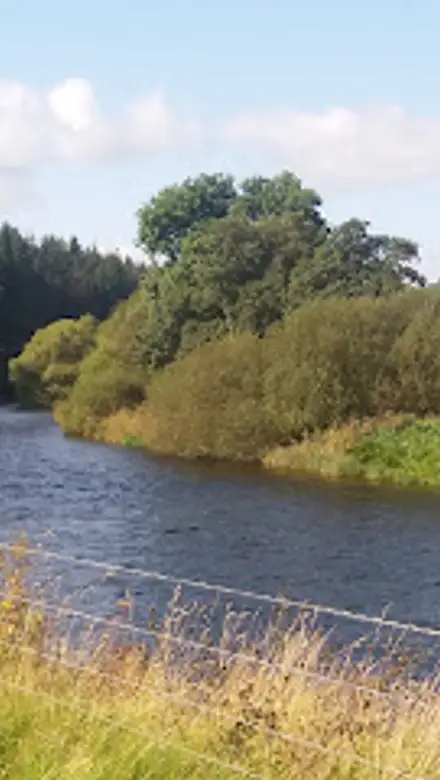
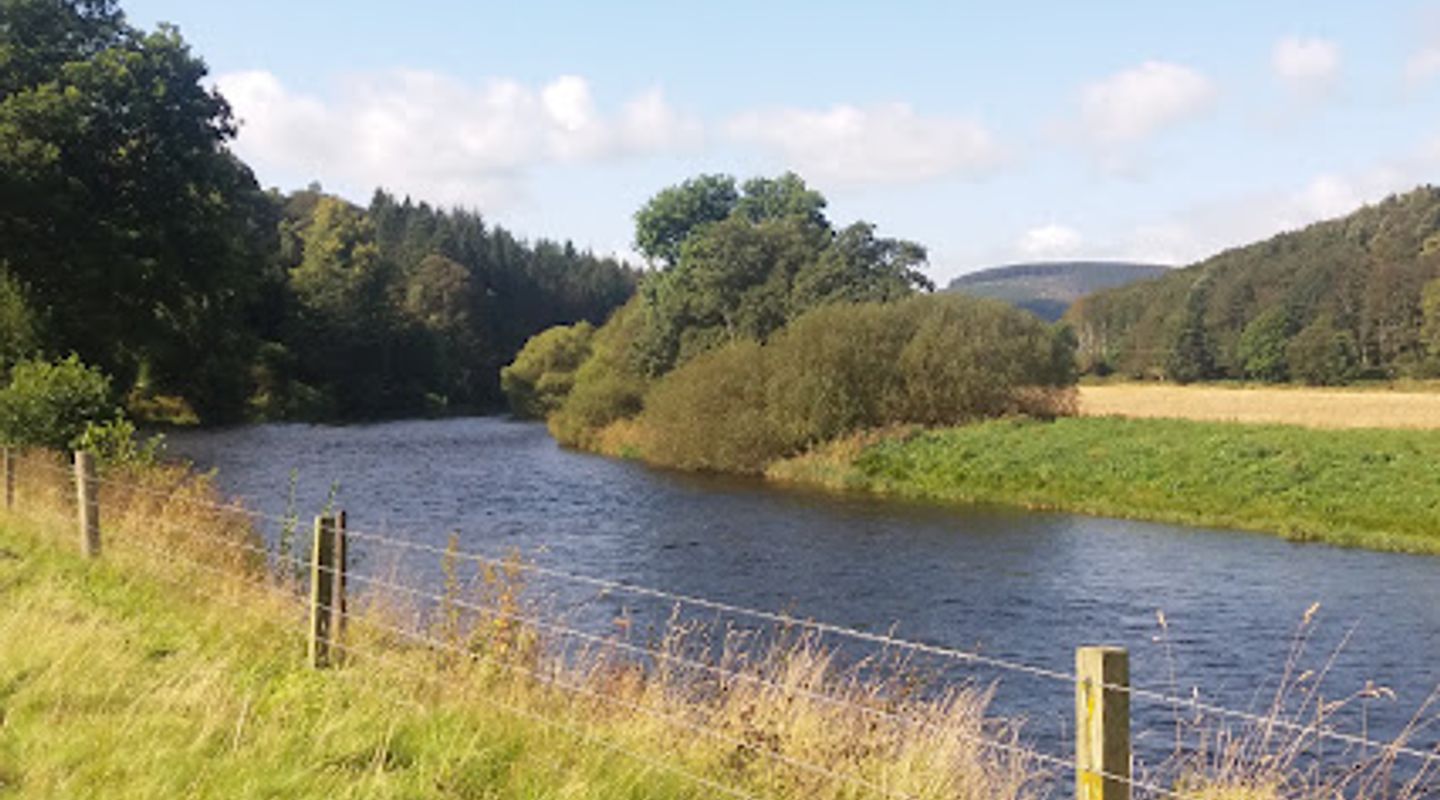
The estate occupies a privileged position near the confluence of Ettrick Water and the River Tweed, two of the Scottish Borders' most significant waterways. This riverside location has shaped the character of the property for generations, offering scenic walking opportunities and access to some of the region's most picturesque natural features. The grounds encompass woodland, terraced gardens with 18th-century retaining walls and gatepiers, and open parkland that invites exploration. The landscape design reflects the estate's long history, with carefully maintained gardens and pathways that guide visitors through the property's various zones.Walking trails traverse the estate, offering views across the Borders countryside and along the riverbanks. The 8.7-kilometre walking route that begins at Sunderland Hall provides a comprehensive introduction to the estate's geography, ascending to 182 metres at its highest point and descending through varied terrain that showcases the region's rolling topography. These walks appeal to visitors seeking moderate exercise combined with cultural and natural heritage appreciation.
Architectural Innovation and Textile Heritage
The presence of High Sunderland adds an unexpected dimension to the estate's significance. Bernat Klein, a pioneering textile designer and artist, established his creative practice on the grounds, operating a mill where he produced the fabrics that adorned his modernist home. The interior of High Sunderland was decorated with exotic woods and textiles specially designed by Klein, creating an integrated artwork where architecture, design, and craft converge. The house's design, with its clear and coloured glass panes within a wooden structure set against woodland, has been described as resembling a Mondrian painting set within a Klimt landscape—a poetic characterisation that captures its visual distinctiveness.The modular design of High Sunderland incorporated innovative spatial solutions, including a sunken living area, concealed storage walls, and flexible room divisions that anticipated contemporary open-plan living. The property represents a significant moment in Scottish modernist architecture and remains a testament to the creative ambitions of mid-20th-century designers working within the Scottish Borders.
Riverside Recreation and Fishing Heritage
The estate's riverside location has long made it a destination for fishing enthusiasts. Sunderland Hall operates as a fishing beat on both the River Tweed and Ettrick Water, offering access to these renowned salmon and trout rivers. The family-run nature of the beat emphasises accessibility and a relaxed approach to river recreation. The unique configuration of having fishing rights on both rivers down to their junction provides anglers with diverse water conditions and opportunities. This aspect of the estate's use connects it to the broader tradition of river recreation that characterises the Scottish Borders, where fishing tourism has sustained rural communities for generations.
Visitor Experience and Access
Visitors to Sunderland Hall encounter a landscape rich with historical layering and natural beauty. The estate welcomes those interested in architecture, heritage, walking, and riverside scenery. The combination of Victorian grandeur, modernist innovation, and natural landscape creates multiple reasons to visit and explore. Whether approaching the estate for its architectural significance, its role in textile design history, its walking opportunities, or its riverside setting, visitors find themselves in a location that rewards curiosity and encourages extended exploration of both the built environment and surrounding countryside.
Evendo Review Centre
 Google
Guest reviews
Best time to go
Quietest: Jan, Feb & Dec · before 6am or at 9pm
Busy times are Evendo estimates for a typical year, to help you plan. Actual crowds vary with events, school holidays and the weather.
Explore Sunderland Hall on the map
A handpicked selection of must-see spots near Sunderland Hall, mapped for you.
Get your free copy of our complete guide to Sunderland Hall, delivered straight to you.
Everything on this page, from opening hours and how to get there to Eve’s tips and the best time to go, in one PDF you can read offline, print or share.
Already have an account? Sign in
Your Sunderland Hall guide is ready.
We'll send it to · Not you? Sign out

Getting your guide ready…
We are putting together a fresh copy of the Sunderland Hall guide. This can take up to a minute.
This can take a few moments. If your browser asks, choose Allow so the download can start. You'll find the guide in your Downloads folder.
Nothing happened? Download it again
Sorry, the guide is taking longer than usual. Please try again in a minute, or get it by email instead.
Other nearby places you may find interesting
The closest places of the same kind, if this one is not quite what you had in mind.
-
-
-
-
-


Swipe for more places
More to explore near Sunderland Hall

 Best experiences near Sunderland Hall
 Best hotels near Sunderland Hall
 Best landmarks near Sunderland Hall
 Best attractions near Sunderland Hall
 Best shops near Sunderland Hall
 Best restaurants near Sunderland Hall
 Best bars near Sunderland Hall
Do you manage this location?
Take control to get all the benefits, like improved information, better appearance, and stronger visibility across AI-powered discovery.
Explore more
Explore more of Berwickshire
Discover Berwickshire: A blend of coastal beauty, historic landmarks, and charming villages in Scotland's serene southeastern corner.
Explore Berwickshire
Explore more of United Kingdom
Discover the United Kingdom: A blend of rich history, stunning landscapes, and vibrant cities, offering a unique travel experience for every visitor.
Explore United Kingdom