
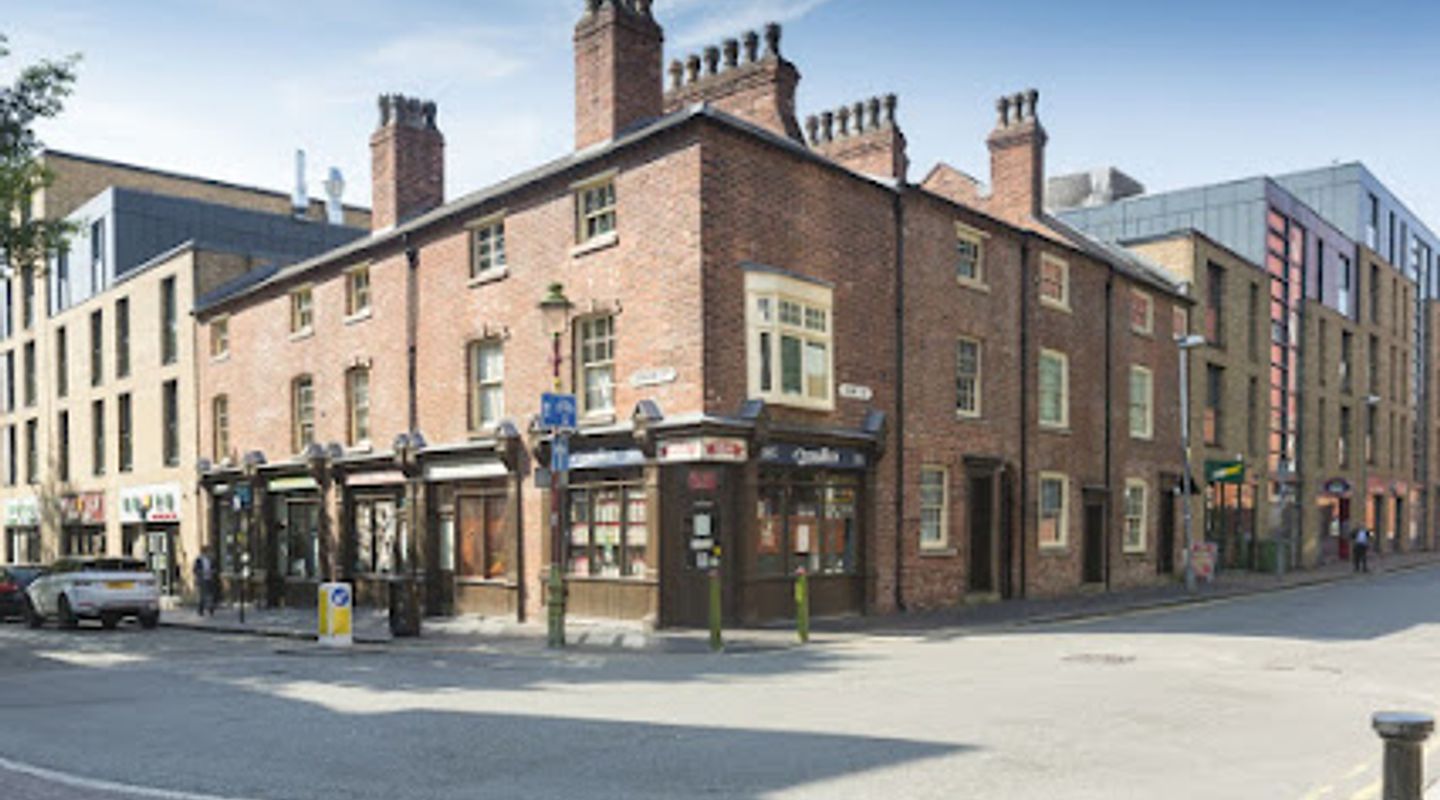
54 Inge Street, Birmingham Travel Guide
Explore Birmingham’s last surviving back-to-back houses, revealing 130 years of working-class life and industrial heritage in a unique historic courtyard.
The Birmingham Back to Backs, also known as Court 15, are the city’s last surviving court of back-to-back houses. Preserved as a historic house museum by the National Trust, these restored homes showcase working-class urban life across four eras from the early 19th to late 20th century. Located at 50–54 Inge Street, they offer a rare glimpse into the cramped, communal living conditions of industrial Birmingham’s past.
A brief summary to 54 Inge Street
- Back To Backs, Birmingham, B5 4TE, GB
- Click to display
- Click to display
- Duration: 1.5 to 2.5 hours
- Mid ranged
-
 Outdoor
- Mobile reception: 4 out of 5

Know before you go
Hi, I'm Eve. Here are a few practical things to know before exploring 54 Inge Street.
- Book your guided tour in advance as visits are by pre-booked, timed entry only.
- Allow at least 1.5 to 2 hours to fully explore the four restored houses and courtyards.
- Listen carefully to the audio recordings in the tailor’s shop to hear stories from the Windrush generation.
- Wear comfortable shoes as the site includes narrow courtyards and some uneven surfaces.
Do you manage this location?
Take control to get all the benefits, like improved information, better appearance, and stronger visibility across AI-powered discovery. Learn more about listing your business on Evendo
Activate your presenceOther nearby places you may find interesting
The closest places of the same kind, if this one is not quite what you had in mind.
Explore 54 Inge Street on the Map
A handpicked selection of must-see spots near 54 Inge Street, mapped for you.
Getting There
-
Public Transport
Take the West Midlands Metro tram to St Paul’s station, then walk approximately 10 minutes through city streets to reach the Back to Backs. Tram tickets cost around £2.50 one way. Services run frequently from early morning until late evening.
-
Bus
Several bus routes, including numbers 8 and 11, stop near Hurst Street, a 5-minute walk from the Back to Backs. Buses run every 10–20 minutes with fares around £2.00 per trip. Note that evening services may be less frequent.
-
Taxi or Rideshare
A taxi or rideshare from Birmingham New Street Station to 54 Inge Street takes about 7–12 minutes depending on traffic, costing approximately £6–£10. This is a convenient option if traveling with luggage or in a group.
For the on-the-go comforts that matter to you
-
 Restrooms
-
 Information Boards
-
 Visitor Center
-
 Seating Areas
Discover more about 54 Inge Street
A Unique Window into Industrial Birmingham’s Working-Class Housing
The Birmingham Back to Backs, situated at 50–54 Inge Street and 55–63 Hurst Street, represent the last surviving court of this distinctive housing type in the city. Built primarily in the 19th century during Birmingham’s rapid industrial expansion, these back-to-back houses were designed to accommodate the burgeoning working-class population close to factories and workshops. Their compact, two- or three-storey structures share rear walls with neighboring homes, creating dense urban courtyards that fostered a strong sense of community despite challenging living conditions.Architecture and Living Conditions Through Four Eras
Each house in Court 15 is restored and furnished to reflect a different historical period, spanning from the early 1800s to the late 1900s. Visitors can explore interiors depicting life in the 1840s, 1870s, 1930s, and 1970s, witnessing the evolution of domestic life and social changes over nearly 130 years. The houses reveal the cramped, single-room-depth design with combined living, cooking, and bathing spaces on the ground floor, and bedrooms above. Despite their practicality, these homes lacked adequate light, ventilation, and sanitation, factors that contributed to health issues among residents.Stories of the Families and Tradespeople Who Lived Here
Court 15 preserves not only the buildings but also the stories of the people who called them home. Families like the Oldfields, glass workers producing doll eyes, and the Mitchells, who endured economic hardship during the 1930s recession, are represented. The site also honors the legacy of the Windrush generation through George Saunders, a tailor from St Kitts who ran his bespoke shop here from the late 1970s until 2001. Audio recordings and displays bring these personal histories to life, connecting visitors to Birmingham’s diverse cultural heritage.Restoration and Preservation Efforts
The restoration of Court 15 was led by the Birmingham Conservation Trust, with significant funding and support from the National Trust and the Heritage Lottery Fund. Once at risk of demolition due to disrepair and urban redevelopment, these buildings were painstakingly restored to their historical states. The project was nationally important for preserving a rare architectural and social history, and the houses opened to the public in 2004. Today, they stand as a testament to the city’s industrial past and the resilience of its working-class communities.Experiencing the Back to Backs Today
Visitors experience guided tours by appointment, which provide immersive insights into the daily lives of past residents. The narrow courtyards, shared amenities like washhouses and toilets, and the absence of rear windows illustrate the challenges of urban living during the industrial era. The site also highlights the social fabric of the community, where neighbors supported each other through events like childbirth and economic hardship. This rare and evocative glimpse into Birmingham’s housing history remains a vital cultural resource.Legacy and Educational Importance
The Birmingham Back to Backs serve as a powerful reminder of the social and architectural history of working-class Britain. They highlight the evolution of urban housing policy, including the eventual outlawing of back-to-back construction due to health concerns. As one of the few remaining examples of this housing type, the site educates visitors on the importance of social housing and urban development, preserving the stories of those who shaped Birmingham’s industrial heritage.












Your all‑in‑one travel companion app
Explore expert travel guides, compare and book tours, experiences, hotels, and more—all from the palm of your hand. Download now for seamless trip planning wherever your wanderlust takes you.


Explore More of Birmingham
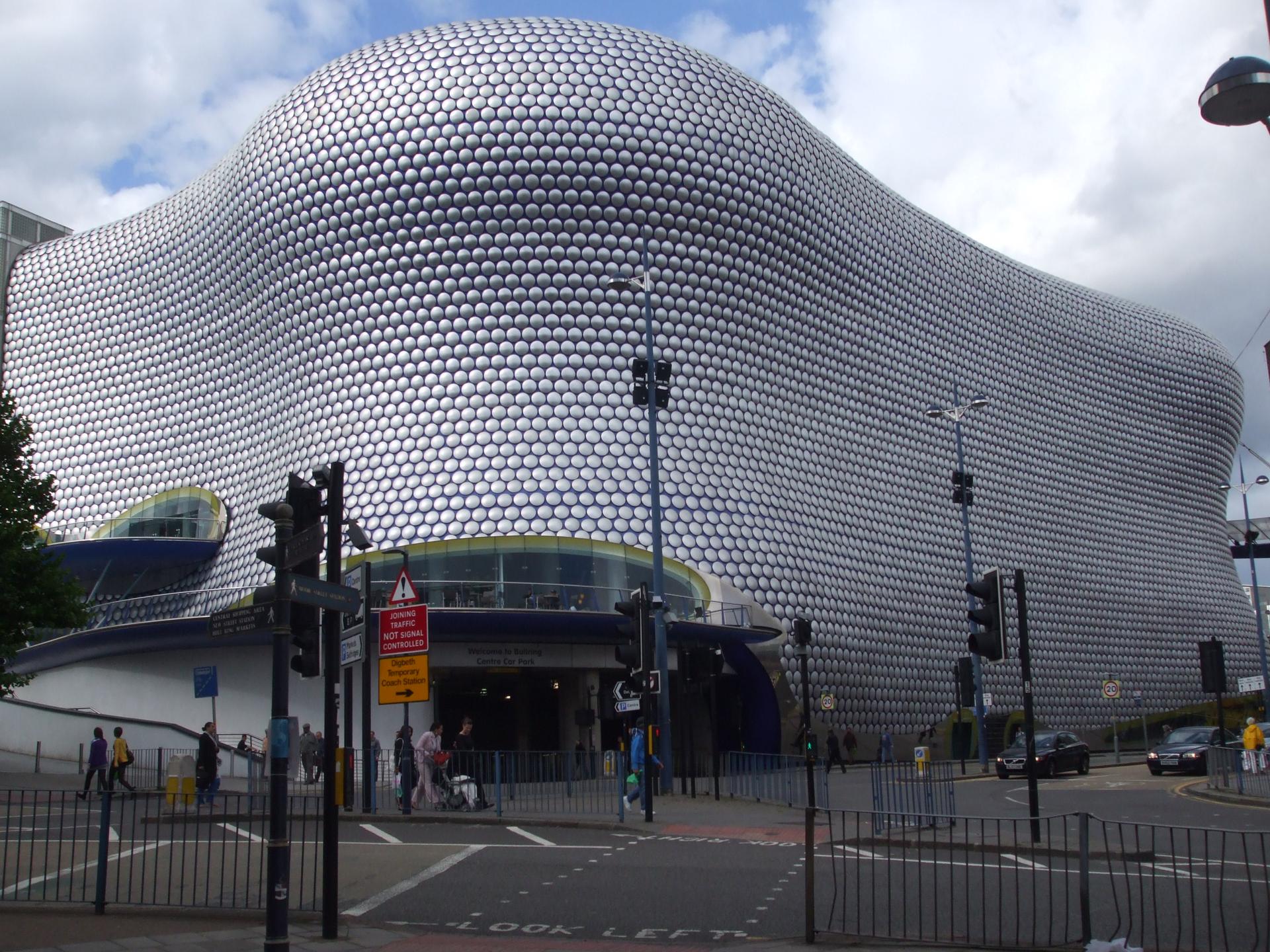
Looking beyond 54 Inge Street? Discover Birmingham for broader travel guides, local hot-spots, and regional highlights.
Explore Birmingham
A bustling Birmingham crossroads where historic charm meets stylish shopping and vibrant city life in the heart of the city centre.
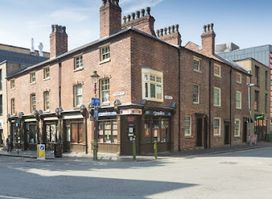
Step inside Birmingham’s last surviving back-to-back houses and explore the rich social history of its industrial working-class heritage.
