

Digbeth (Birmingham) Travel Guide - Free
Explore Digbeth in Birmingham with Evendo's free guide. Find the best shops, historic streets, restaurants, and gems on web or mobile.


Digbeth, Birmingham blends industrial heritage, street art, independent food, live music and creative venues beside the city centre and emerging Eastside.
Industrial Roots and Creative Energy
Digbeth begins just south-east of Birmingham city centre, where the broad Digbeth High Street and its adjoining lanes run through a district shaped by canals, factories, warehouses and transport infrastructure. Its name is often linked to the Old English terms dic, meaning a ditch, and baþ, meaning a bath, reflecting the area's watery, low-lying origins. Much of today's character comes from the survival of nineteenth- and early twentieth-century industrial buildings, many now adapted as studios, galleries, bars, music venues, food spaces and offices.Read more about Digbeth
Buildings with a Second Life
Street Art, Food and Nightlife
Best attractions in Digbeth
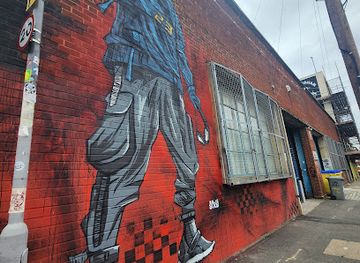
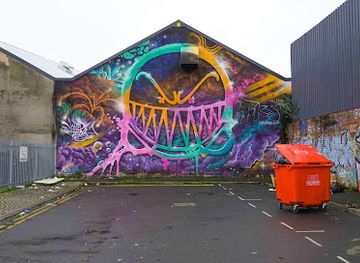
Digbeth's attractions are closely tied to its industrial setting and creative reuse. The Custard Factory, centred on the former Bird's Custard works, combines historic factory buildings with studios, independent businesses, event spaces and changing public art around Gibb Street. Lower Trinity Street and the lanes around Heath Mill Lane are rewarding for architecture and large-scale murals, with brick warehouses, railway arches and painted façades forming an informal outdoor gallery. The Digbeth Branch Canal offers a quieter perspective on the district's transport history, while St Basil's church provides a prominent landmark on the edge of the creative quarter. The O2 Institute Birmingham occupies a former religious and civic building and is an important live-music venue. Food markets, exhibitions and seasonal events add activity, but their timing varies, so Digbeth is best understood as a neighbourhood where the setting itself is part of the sightseeing.
-
Business Centre
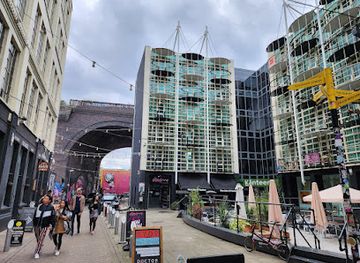
Custard Factory
A vibrant creative quarter in Birmingham’s Digbeth, blending industrial heritage with arts, culture, and independent shops.
2 min walk · 0.2 km from neighbourhood centre
-
Art gallery
Digbeth Art Space
Discover Birmingham’s vibrant creative heart at Digbeth Art Space, a collective gallery and market supporting over 500 local artists daily.
2 min walk · 0.2 km from neighbourhood centre
-
Events Venue
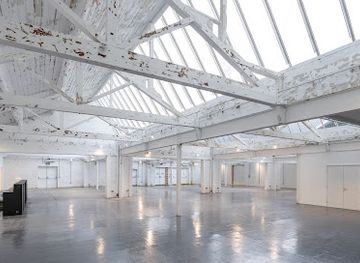
Factory Works
A vibrant events venue blending industrial heritage with contemporary creativity in Birmingham’s Custard Factory.
2 min walk · 0.2 km from neighbourhood centre
Explore Digbeth on the map
A handpicked selection of must-see spots in Digbeth, mapped for you.
Best hotels in Digbeth
Best restaurants in Digbeth
Eating in Digbeth reflects the district's conversion from manufacturing quarter to creative and entertainment area. Around the Custard Factory, Gibb Street and Lower Trinity Street, cafés, bars, casual restaurants and street-food events use former industrial spaces, with menus that tend to be informal and varied rather than tied to one historic local cuisine. Independent food businesses and pop-up traders are particularly important, and events associated with converted warehouses can bring several sellers together in one setting. The area is also known for contemporary casual dining, including burger and comfort-food businesses, while Birmingham city centre and the Bull Ring provide a much wider range of established restaurants a short walk away. Because Digbeth's hospitality scene is event-led and premises can change use, visitors should check current listings and opening arrangements rather than relying on old assumptions about a particular food market or venue.
-
Restaurant
The Old Crown
Step into Birmingham’s oldest Tudor pub, The Old Crown, where centuries of history blend with hearty fare and lively community spirit in Digbeth.
3 min walk · 0.2 km from neighbourhood centre
-
Pizza
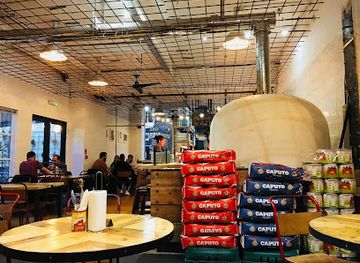
Baked In Brick
Lively wood-fired pizza haven in Birmingham’s Custard Factory, blending street food roots with creative toppings and a buzzing arts vibe.
2 min walk · 0.1 km from neighbourhood centre
-
Tapas
Rico Libre — Tapas with a Twist
Discover bold, fresh tapas with a creative twist at Rico Libre, Birmingham’s intimate BYOB hotspot in the heart of Deritend.
2 min walk · 0.2 km from neighbourhood centre
-
Cafe
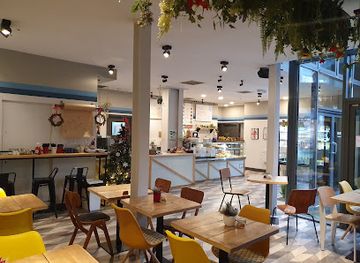
Kanteen
Creative, healthy world street food café in Birmingham’s vibrant Digbeth quarter, serving fresh, seasonal breakfast and lunch.
2 min walk · 0.2 km from neighbourhood centre

Best bars in Digbeth
Digbeth has one of Birmingham's most recognisable evening scenes, centred on live music, club nights, warehouse-style venues and casual drinking spaces in converted industrial buildings. The O2 Institute Birmingham brings touring music and performances to a former institution on Digbeth High Street, while The Rainbow, LAB11 and other venues associated with the district have helped shape its reputation for electronic music, club events and late-night entertainment. The Custard Factory and surrounding streets also host bars, event spaces and occasional programmed nights, with the atmosphere changing considerably between a quiet weekday and a major concert. Digbeth is not uniformly busy after dark: entertainment clusters sit beside working premises and residential edges, so visitors should plan their route, check event details and respect local noise conditions rather than assuming every venue operates nightly.
-
Pub
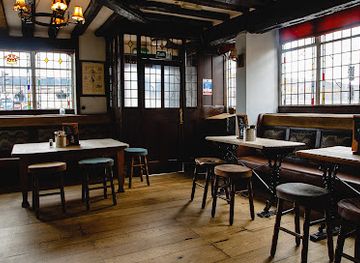
The Old Crown
Birmingham's timber-framed treasure: 15th-century pub pulsing with history, live events, and Sunday roasts in lively Digbeth.
3 min walk · 0.2 km from neighbourhood centre
-
Bar
The Floodgate
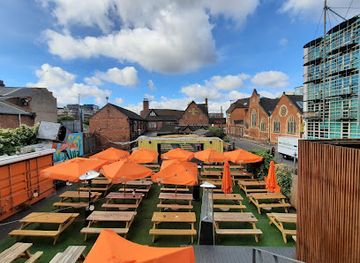
A sociable Digbeth bar where games, street-food energy and an indoor–outdoor beer-garden mix for casual group nights and daytime hangouts.
1 min walk · 0.1 km from neighbourhood centre
-
Bar
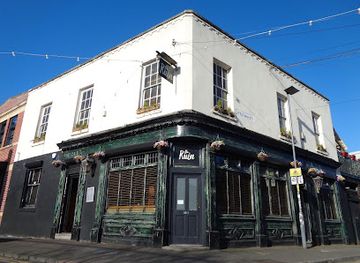
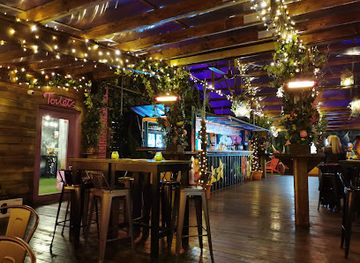
The Ruin
Discover Digbeth's quirky ruin bar haven: maze-like rooms, craft ales, European bites, and chill vibes in Birmingham's creative heart.
1 min walk · 0.1 km from neighbourhood centre
-
Cocktail bar
Birdies Bar - Birmingham
Birmingham's beach bar oasis: cocktails, BBQ, and beats in Digbeth's Custard Factory for instant island vibes any day of the week.
2 min walk · 0.2 km from neighbourhood centre
Best shops in Digbeth
Shopping in Digbeth is more independent and event-based than conventional high-street retail. The Custard Factory and nearby creative buildings have hosted studios, design businesses, vintage sellers, makers and temporary markets, while the streets around Lower Trinity Street and Minerva Works are associated with small-scale creative enterprise rather than large national chains. Visitors may find vintage clothing, records, prints, crafts and design-led goods when specialist businesses or markets are operating, but stock and opening patterns vary. The Bull Ring and Birmingham city centre lie immediately to the north for department stores, mainstream fashion and everyday shopping, making Digbeth a useful contrast rather than a replacement for the city's main retail area. The best approach is to check current market and studio listings, then explore the converted industrial spaces themselves, where the setting is often as distinctive as the products on sale.
-
 Vintage Clothing Shop
Cow Vintage
Unearth retro treasures in Digbeth's creative heart at Cow Vintage, where past eras inspire today's boldest looks in a gritty, stylish haven.
2 min walk · 0.2 km from neighbourhood centre
-
Vintage Clothing Shop
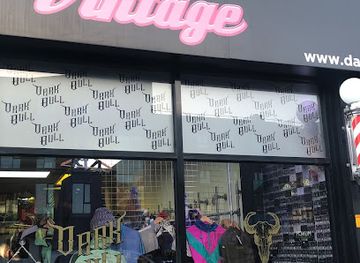
Dark Bull Vintage
Handpicked retro treasures in Digbeth: affordable bombers, leathers, and Brummie merch await in this colorful vintage gem.
3 min walk · 0.2 km from neighbourhood centre
-
Kimono Shop
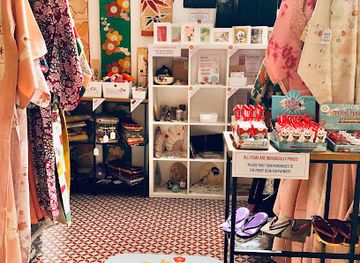
Retro Kimono | Red Brick Market Birmingham
A compact, curated stall of authentic vintage kimono and Japanese curios tucked inside Digbeth’s Red Brick Market.
1 min walk · 0.1 km from neighbourhood centre
-
Antique Shop
Ridding & Wynn
Eclectic antiques and vintage homewares under the red-brick arches of Deritend — perfect for design-minded treasure hunters.
2 min walk · 0.2 km from neighbourhood centre
Digbeth essentials
Getting There
Getting Around
Safety
Emergency Situations
Do's and Don'ts
Local Tips

From Eve
Local phrases worth knowing
You don't need to get them perfect. A few words go a long way, and locals appreciate the effort.
Basics
| English | Local | Say it |
|---|---|---|
| Hello | Alright | [al-right] |
| Goodbye | Ta'ra | [ta-ra] |
| Yes | Aye | [aye] |
| No | Nah | [nah] |
| Please/You're welcome | Please/You're welcome | [please/you're welcome] |
| Thank you | Cheers | [cheers] |
| Excuse me/Sorry | Pardon | [pardon] |
| How are you? | Ow bist? | [ow bist] |
| Fine. And you? | Alright. Ow are you? | [al-right. ow are you] |
| Do you speak English? | D'ya speak English? | [d'ya speak English] |
| I don't understand | I dunno get ya | [i dunno get ya] |
Eating & Drinking
| English | Local | Say it |
|---|---|---|
| I'd like to see the menu, please | I'd like to see the grub list, please | [i'd like to see the grub list, please] |
| I don't eat meat | I don't eat flesh | [i don't eat flesh] |
| Cheers! | Cheers! | [cheers] |
| I would like to pay, please | I wanna settle up, please | [i wanna settle up, please] |
Emergencies
| English | Local | Say it |
|---|---|---|
| Help! | Help! | [help] |
| Go away! | Clear off! | [clear off] |
| Call the Police! | Ring the bizzies! | [ring the bizzies] |
| Call a doctor! | Ring the quack! | [ring the quack] |
| I'm lost | I'm mazed | [i'm mazed] |
| I'm ill | I'm poorly | [i'm poorly] |
Shopping
| English | Local | Say it |
|---|---|---|
| I'd like to buy... | I wanna buy... | [i wanna buy] |
| I'm just looking | I'm just sniffing around | [i'm just sniffing around] |
| How much is it? | How much does it set ya back? | [how much does it set ya back] |
| That's too expensive | That's dear, that is | [that's dear, that is] |
| Can you lower the price? | Can ya drop the price? | [can ya drop the price] |
Time & Numbers
| English | Local | Say it |
|---|---|---|
| What time is it? | Wot time is it? | [wot time is it] |
| It's one o'clock | It's one on the dot | [it's one on the dot] |
| Half past (10) | Half ten | [half ten] |
| Morning | Mornin' | [mornin'] |
| Afternoon | Arvo | [arvo] |
| Evening | Evenin' | [evenin'] |
| Yesterday | Yest'day | [yest'day] |
| Today | Today | [today] |
| Tomorrow | Tomorrer | [tomorrer] |
| 1 | One | [one] |
| 2 | Two | [two] |
| 3 | Three | [three] |
| 4 | Four | [four] |
| 5 | Five | [five] |
| 6 | Six | [six] |
| 7 | Seven | [seven] |
| 8 | Eight | [eight] |
| 9 | Nine | [nine] |
| 10 | Ten | [ten] |
Transport & Directions
| English | Local | Say it |
|---|---|---|
| Where's a/the...? | Where's a/the...? | [where's a/the] |
| What's the address? | Woss the addy? | [woss the addy] |
| Can you show me (on the map)? | Can ya show me (on the map)? | [can ya show me (on the map)] |
| When's the next (bus)? | When's the next (bus)? | [when's the next (bus)] |
| A ticket (to ....) | A ticket (to ....) | [a ticket (to ....)] |
History of Digbeth
Waterways, Fields and the Name Digbeth
Before industrialisation, Digbeth lay beyond Birmingham's medieval core in a low-lying area associated with streams, pools and routes leading south-east from the settlement. The neighbourhood's name is commonly connected with Old English elements referring to a ditch and a bath, although the precise interpretation has been debated. The River Rea and local watercourses helped shape the terrain, while roads towards Coventry and London encouraged movement through the area. Digbeth was not originally a dense urban quarter, but its position just outside the old town made it well placed for later industry, transport and expansion.
Canals and Industrial Expansion
Digbeth changed decisively during the eighteenth and nineteenth centuries as Birmingham's canals, roads and expanding manufacturing economy transformed the south-eastern edge of the town. The Digbeth Branch Canal connected local premises with the wider canal network, allowing coal, raw materials and finished goods to move more efficiently. Warehouses, workshops, factories and yards grew beside the water and along Digbeth High Street, while workers' housing and public houses followed the expansion. The area's industrial identity was therefore built not around one trade alone, but around the dense mixture of production, storage, transport and everyday services that supported Birmingham's wider manufacturing economy.
Bird's Custard and the Modern Factory Quarter
The establishment of Alfred Bird's custard works in Digbeth gave the district one of its most recognisable industrial associations. Bird's factory developed on the site during the nineteenth century and became a large-scale food-manufacturing complex, linking Digbeth to Birmingham's tradition of inventive production and national commerce. Other factories, foundries and workshops operated nearby, creating a practical working landscape of brick buildings, canal wharves and railway infrastructure. The surviving factory architecture, particularly around the Custard Factory complex, preserves a visible connection with the period when Digbeth was a productive industrial district rather than a cultural destination.
From Industrial Decline to Creative Regeneration
The contraction of traditional manufacturing and changes in freight transport left many Digbeth buildings underused during the twentieth century. From the 1990s onwards, several former factories and warehouses were adapted for creative businesses, events, studios, food enterprises and nightlife. The Custard Factory became a prominent anchor for this reuse, while venues such as the O2 Institute Birmingham and the Bond Company helped establish the district's cultural profile. Regeneration has continued alongside major redevelopment around Birmingham city centre and Eastside, bringing investment and new infrastructure while leaving Digbeth with a mixed landscape of active businesses, vacant plots, protected historic buildings and long-established local uses.
Digbeth in Photos
Browse through our photo collection highlighting the charm and character of the destination.
Neighbourhoods near Digbeth
The closest neighbourhoods to Digbeth, if you have time for more than one stop.
-

-

-


Swipe for more neighbourhoods
Explore more

Explore more of Birmingham
Birmingham blends industrial heritage, world-class culture, canals, diverse dining and landmark architecture in England's dynamic West Midlands city.
Explore Birmingham