

Edgbaston (Birmingham) Travel Guide - Free
Explore Edgbaston in Birmingham with Evendo's free guide. Find the best shops, historic streets, restaurants, and gems on web or mobile.


Edgbaston, Birmingham blends Victorian villas, botanical gardens, university culture, cricket heritage, leafy walks and refined dining beside the city centre.
Leafy Streets and Civic Grandeur
Edgbaston occupies a broad, largely residential area west and south-west of Birmingham city centre, where grand Victorian villas, mature trees and the landscaped character of the Calthorpe Estate give way to busy roads, university buildings and sporting grounds. Its identity is less about a compact historic core than a sequence of contrasting districts: the independent cafés and restaurants of Edgbaston Village, the formal avenues around the University of Birmingham, the gardens of the Birmingham Botanical Gardens and the open water of Edgbaston Reservoir. Hagley Road and Bristol Road carry substantial traffic, but quieter residential roads reveal an area shaped by nineteenth-century suburban planning and generous plots.Read more about Edgbaston
Gardens, Scholarship and Sport
Everyday Edgbaston
Best attractions in Edgbaston
Edgbaston’s attractions are distributed among gardens, academic institutions and open spaces rather than concentrated in a single centre. Birmingham Botanical Gardens is the area’s most established visitor destination, with historic glasshouses, themed planting and seasonal horticultural displays. Winterbourne House and Garden, on the University of Birmingham campus, combines an Arts and Crafts-era house with a changing garden landscape. The Barber Institute of Fine Arts presents a notable collection in a purpose-built university setting, while the Lapworth Museum of Geology offers an accessible look at fossils, minerals and the history of the Earth. Visitors can also walk around Edgbaston Reservoir, a canal-related water space with paths and views, or explore the university campus and its heritage architecture. On event days, cricket at Edgbaston Stadium adds a major sporting attraction, though it requires separate planning from the neighbourhood’s quieter cultural visits.
-
Park and Garden
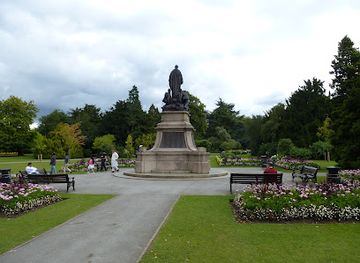
Cannon Hill Park
A vast, historic green space in Birmingham offering nature, sports, wildlife, arts, and family fun all year round.
5 min drive · 1.7 km from neighbourhood centre
-
Botanical garden
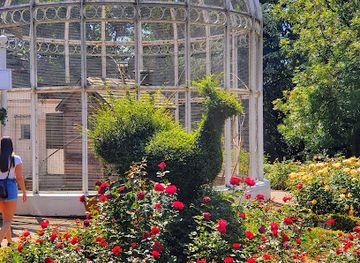
The Birmingham Botanical Gardens
Explore Birmingham’s historic 15-acre botanical gardens with Victorian glasshouses, diverse plants, tranquil paths, and vibrant community programs.
5 min drive · 1.6 km from neighbourhood centre
-
Tourist attraction
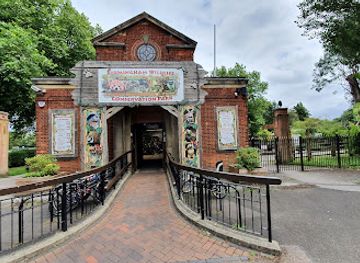
Birmingham Wildlife Conservation Park
A compact urban sanctuary in Birmingham dedicated to endangered species conservation and immersive wildlife education.
15 min walk · 1.2 km from neighbourhood centre
-
Botanical garden
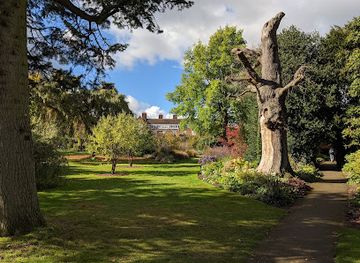
Winterbourne House & Garden
Discover Edwardian charm and global botanical treasures in a tranquil seven-acre garden oasis just minutes from Birmingham city centre.
4 min walk · 0.3 km from neighbourhood centre
Explore Edgbaston on the map
A handpicked selection of must-see spots in Edgbaston, mapped for you.
Best hotels in Edgbaston
Best restaurants in Edgbaston
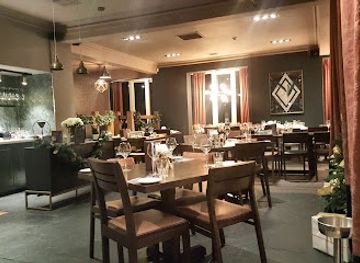
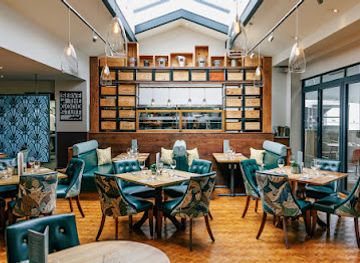
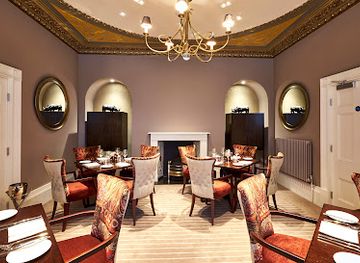
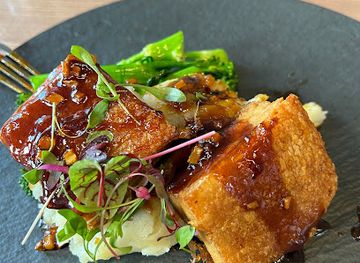
Dining in Edgbaston ranges from polished restaurants and destination-style dining rooms to cafés, delis and relaxed pubs along Harborne Road and around Edgbaston Village. The area’s spacious former villa streets have allowed restaurants to occupy converted houses and purpose-built premises, creating a scene that feels more spread out than the compact centre of Birmingham. The High Field provides a recognisable pub-and-dining option, while the Edgbaston Village cluster brings together independent food businesses and coffee stops. On the wider Hagley Road corridor, visitors will find a broad selection of restaurants reflecting Birmingham’s international population, although individual businesses and opening arrangements change. The neighbourhood is also associated with established fine dining, including Simpsons on Highfield Road, and with the practical food offer serving the university community. Reservations may be sensible for well-known restaurants, particularly around sporting and cultural events.
-
Gastropub
The White Swan
Elegant Edgbaston gastropub where modern British cuisine, real ales, and impeccable service create unforgettable lunches, dinners, and celebrations in stylish surrounds.
5 min drive · 1.6 km from neighbourhood centre
-
Gastropub
The High Field
Elegant Edgbaston gastropub serving hearty British classics in art deco splendor with garden terrace charm—perfect for family feasts, romantic dinners, or casual drinks amid Birmingham's vibrant scene.
5 min drive · 1.8 km from neighbourhood centre
-
Restaurant
Three Church Road Restaurant
An intimate fine dining gem in Edgbaston’s historic Georgian setting, blending classic British flavors with warm, attentive service.
5 min drive · 1.6 km from neighbourhood centre
-
Restaurant
1900 Restaurant and Bar
Refined British dining and elegant drinks in a tranquil Edgbaston hotel setting near Birmingham’s University campus.
2 min walk · 0.1 km from neighbourhood centre
Best bars in Edgbaston
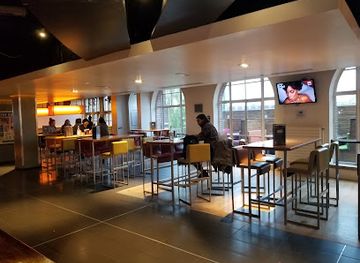
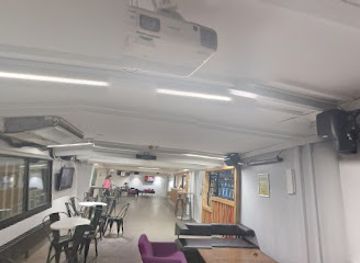
Edgbaston’s evening life is more restaurant- and pub-led than club-oriented. Edgbaston Village and Harborne Road provide the clearest concentration of places for drinks, with the High Field offering a traditional pub setting and the Edgbaston area’s boutique hotels supplying more formal bars and lounges. The Hagley Road has further options, ranging from casual drinking venues to hotel-based hospitality, but the neighbourhood does not have the dense late-night club scene associated with Birmingham city centre. University events, cricket fixtures and cultural programmes can alter the evening atmosphere, while the roads around the University of Birmingham often become quieter outside term-time activity. After dinner, visitors generally move between restaurants, pubs and hotel bars rather than following a single nightlife circuit, and residential streets call for consideration when leaving venues late.
-
Bar
Joe's Bar
Vibrant student bar in Birmingham's University Guild, serving affordable pints, burgers, and campus camaraderie from noon daily.
5 min walk · 0.4 km from neighbourhood centre
-
Bar
Duck and Scholar
Lively student bar in Birmingham's Vale Village: cheap drinks, evening vibes, and endless campus camaraderie from 6pm—your go-to for pints and post-lecture laughs.
13 min walk · 1.0 km from neighbourhood centre
Best shops in Edgbaston
Shopping in Edgbaston is local and dispersed rather than department-store based. Edgbaston Village, centred around the Harborne Road area, provides the neighbourhood’s clearest concentration of independent retail, cafés, beauty businesses and specialist services, with the exact mix changing as small businesses come and go. Further along Harborne Road and the surrounding streets, visitors encounter convenience shops, delis and food-oriented businesses serving residents, students and nearby workers. The university campus has its own practical provisions, but it is not a conventional visitor shopping district. Hagley Road supplies larger everyday retail and services, while the residential streets are notable for their villas and architecture rather than souvenir stores. Those looking for Birmingham-wide department stores, major shopping centres or larger fashion chains will find them in the city centre, not within Edgbaston; the neighbourhood’s appeal lies in independent browsing and combining shops with food and gardens.
-
Sports Memorabilia Shop
Store '94
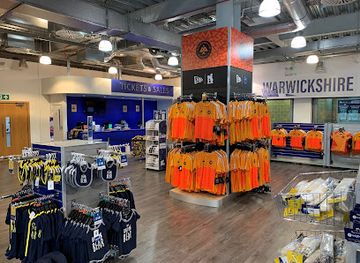
Cricket's soul in memorabilia: Exclusive Bears gear and Edgbaston treasures await at Store '94, Birmingham's fan-favorite sports haven.
5 min drive · 1.7 km from neighbourhood centre
-
Gift shop
Unique
Campus cornerstone for gifts, gear, and errands: Unique blends Birmingham uni pride with postal, cleaning, and courier ease in the lively University Centre.
5 min walk · 0.4 km from neighbourhood centre

Edgbaston essentials
Getting There
Getting Around
Safety
Emergency Situations
Do's and Don'ts
Local Tips

From Eve
Local phrases worth knowing
You don't need to get them perfect. A few words go a long way, and locals appreciate the effort.
Basics
| English | Local | Say it |
|---|---|---|
| Hello | Alright | [al-right] |
| Goodbye | Ta-ra | [ta-rah] |
| Yes | Aye | [aye] |
| No | Nah | [nah] |
| Please/You're welcome | Please/No worries | [please/no-wor-ries] |
| Thank you | Cheers | [cheers] |
| Excuse me/Sorry | Pardon/Sorry | [par-don/sor-ry] |
| How are you? | Alright mate? | [al-right mate] |
| Fine. And you? | Sound. You? | [sound. you?] |
| Do you speak English? | You speak English? | [you speak English?] |
| I don't understand | I ain't got a scooby | [I aint got a scoo-bee] |
Eating & Drinking
| English | Local | Say it |
|---|---|---|
| I'd like to see the menu, please | Can I have a gander at the menu, please | [can I have a gan-der at the menu, please] |
| I don't eat meat | I'm veggie | [Im veg-gie] |
| Cheers! | Cheers! | [cheers!] |
| I would like to pay, please | Can I settle up, please | [can I set-tle up, please] |
Emergencies
| English | Local | Say it |
|---|---|---|
| Help! | Help! | [help!] |
| Go away! | Clear off! | [clear off!] |
| Call the Police! | Ring the Old Bill! | [ring the old bill!] |
| Call a doctor! | Get a doctor round 'ere! | [get a doctor round ere!] |
| I'm lost | I'm proper lost | [Im proper lost] |
| I'm ill | I'm not well | [Im not well] |
Shopping
| English | Local | Say it |
|---|---|---|
| I'd like to buy... | I'll have... | [Ill have...] |
| I'm just looking | Just browsing | [Just brow-sing] |
| How much is it? | How much does that cost? | [how much does that cost?] |
| That's too expensive | That's a bit steep | [thats a bit steep] |
| Can you lower the price? | Can you do it cheaper? | [can you do it cheap-er?] |
Time & Numbers
| English | Local | Say it |
|---|---|---|
| What time is it? | What's the time? | [whats the time?] |
| It's one o'clock | It's one | [Its one] |
| Half past (10) | Half ten | [half ten] |
| Morning | Mornin' | [morn-in] |
| Afternoon | Arvo | [ar-vo] |
| Evening | Evening | [evening] |
| Yesterday | Yesterdee | [yester-dee] |
| Today | Today | [today] |
| Tomorrow | Morrow | [morrow] |
| 1 | One | [one] |
| 2 | Two | [two] |
| 3 | Three | [three] |
| 4 | Four | [four] |
| 5 | Five | [five] |
| 6 | Six | [six] |
| 7 | Seven | [seven] |
| 8 | Eight | [eight] |
| 9 | Nine | [nine] |
| 10 | Ten | [ten] |
Transport & Directions
| English | Local | Say it |
|---|---|---|
| Where's a/the...? | Where's the...? | [wheres the...?] |
| What's the address? | What's the address? | [whats the address?] |
| Can you show me (on the map)? | Can you show me (on the map)? | [can you show me (on the map)?] |
| When's the next (bus)? | When's the next (bus)? | [whens the next (bus)?] |
| A ticket (to ....) | A ticket (to ....) | [a ticket (to ....)] |
History of Edgbaston
Manor, Parish and Rural Edgbaston
Edgbaston began as a rural manor and parish outside Birmingham, with its name generally understood to derive from an Old English personal name combined with tun, meaning a farmstead or settlement. For centuries the area was characterised by fields, parkland and scattered houses rather than urban streets. Edgbaston Hall, associated with the local lord of the manor, stood within this rural landscape, while the parish church of St Augustine served the community. The area’s separation from the growing industrial town helped preserve its open character into the eighteenth century, even as Birmingham’s expansion gradually increased pressure on surrounding land.
The Calthorpe Estate Takes Shape
A decisive change came when the Calthorpe family acquired the Edgbaston estate in the early eighteenth century and later promoted suburban development on its land. During the nineteenth century, estate control and restrictive building agreements encouraged spacious villas set along landscaped roads, helping establish Edgbaston as a prestigious residential district for Birmingham’s prosperous professional and commercial classes. Roads such as Hagley Road and Harborne Road connected the suburb to the expanding city, while the area’s trees, gardens and substantial plots distinguished it from denser industrial neighbourhoods closer to the centre.
Gardens and Public Institutions
Edgbaston’s cultural landscape developed alongside its residential expansion. The Birmingham Botanical Gardens opened in 1832, bringing designed glasshouses and horticultural collections to the suburb and establishing an enduring public attraction. During the later nineteenth and early twentieth centuries, churches, schools, clubs and cultural institutions added civic depth to the villa district. The creation of Edgbaston Reservoir as part of the Birmingham Canal network’s water management system also left the area with an important piece of industrial infrastructure that later became a recreational open space.
University, Sport and Modern Edgbaston
The University of Birmingham transformed Edgbaston’s role in the twentieth century. Founded in 1900 and developed on its Edgbaston campus from the 1920s, the university introduced a major academic institution and a distinctive group of buildings, including the clock tower known as Old Joe. Sport became equally prominent through Warwickshire County Cricket Club’s ground at Edgbaston, which developed into a major venue for domestic and international cricket. Contemporary Edgbaston combines these institutional legacies with continuing residential development, hospitality around the Hagley Road and the independent commercial cluster known as Edgbaston Village.
Edgbaston in Photos
Browse through our photo collection highlighting the charm and character of the destination.
Neighbourhoods near Edgbaston
The closest neighbourhoods to Edgbaston, if you have time for more than one stop.
-

-

-


Swipe for more neighbourhoods
Explore more

Explore more of Birmingham
Birmingham blends industrial heritage, world-class culture, canals, diverse dining and landmark architecture in England's dynamic West Midlands city.
Explore Birmingham